Alibaba.com can be a safer place to source products when you vet suppliers, document your requirements, and pay through an eligible protected order—but it is not risk-free.
Its buyer protections provide a way to address certain order problems, not a guarantee that every supplier or product will meet your expectations.
This guide explains how to assess sellers, recognize suspicious requests, and preserve evidence if something goes wrong.
Is Alibaba safe for buyers?
Yes, Alibaba.com offers tools that can help buyers transact more safely, including supplier assessments, protected payments, and dispute resolution.
However, the platform’s safeguards have conditions, and supplier verification does not guarantee product quality or certificate authenticity. Treat Alibaba as a sourcing marketplace where your checks matter, rather than assuming every listing has been independently approved.
The question “Is Alibaba safe?” becomes more useful when you apply it to a particular transaction. Who is supplying the goods? What exactly have they agreed to deliver? How will you pay, and what evidence will show whether the order meets your requirements?
Separate your checks into three areas:
- Supplier identity: Establish which business you are dealing with and whether its capabilities fit your order.
- Product suitability: Define the materials, dimensions, performance, and packaging you need.
- Transaction protection: Confirm that the order and payment qualify for the protection you expect.
Alibaba’s buyer guidance recommends detailed purchase orders, samples, and Trade Assurance where available. Together, those measures address different risks; none should replace the others.
Check the supplier beyond the badge
Start with the supplier’s profile, then examine the information behind it. Alibaba’s Verified Supplier program uses independent third-party assessments covering areas such as company details, production capabilities, and process controls.
The assessment is useful evidence, but Alibaba explicitly distinguishes it from a guarantee of product or certificate authenticity.
Read the assessment for relevance
Open the available assessment report rather than stopping at the badge. Compare its business details and described capabilities with the product you want to purchase. Alibaba says the verification process produces a third-party assessment report, making that document a better starting point than a visual trust symbol alone.
Use the report to prepare follow-up questions. For example, ask who will manufacture your item, which processes happen at the listed facility, and whether another business will handle customization. Request written clarification when the answers do not align with the report.
Look for consistent evidence
Search the supplier’s name alongside terms such as “review,” “complaint,” and “scam.” Read across several sources instead of relying entirely on testimonials displayed by the seller. The FTC recommends this broader research and cautions shoppers to think critically about reviews.
Keep a shortlist rather than committing to the first persuasive salesperson. Send each candidate the same specification and compare the completeness of their answers. Your goal is not to reward the fastest reply; it is to find a supplier willing to resolve important uncertainties before accepting payment.
What does Trade Assurance actually protect?
Trade Assurance provides payment and order protection for qualifying Alibaba.com transactions, with refund options for covered problems such as missing shipments, incorrect items, damage, or defects.
Coverage depends on the applicable order terms and process. It does not mean that any purchase from a participating supplier is automatically protected, especially if payment happens outside the platform.
Before paying, open the actual order in your account. Check that the product description, quantity, agreed shipping
commitments, and other essential requirements match what you negotiated.
Alibaba identifies the online order and communication records as the basis for resolving refund claims, so a vague order leaves less clarity about the promised result.
Do not confuse payment methods with payment routes. A bank transfer made using Alibaba’s designated instructions within the order process is different from a transfer sent directly to an account supplied privately by a seller.
Alibaba’s guidance directs buyers to the beneficiary information on the order details page.
Also check the deadline displayed for your order. Alibaba’s published refund policy describes different claim periods for standard and certain enterprise buyers, so avoid assuming every purchase has the same window. Review the current terms before paying and again when the goods arrive.
Recognize requests that deserve a pause
A practical online shopping safety rule is to stop when someone tries to replace a verifiable process with urgency or private instructions. Alibaba warns buyers about suspicious payment requests, including requests involving a country different from the supplier’s registered country. Its account-security guidance also identifies phishing messages as a route to stolen accounts.
Pay particular attention to these situations:
An off-platform payment discount: Decline the proposed shortcut and inspect the payment options inside your Alibaba order. Outside payments do not receive Trade Assurance protection.
Unexpected replacement bank details: Pause and verify through the official order and Alibaba support rather than trusting the message itself. Follow the designated payment instructions shown in your account.
A login link sent with an urgent warning: Open the platform independently instead of entering credentials through the message. Alibaba’s security guidance warns about phishing and spoofed messages.
Insistence on cryptocurrency, gift cards, or similar payments: Walk away from sellers who demand these methods. The FTC identifies such payment demands as a warning sign in online shopping.
A request for clarification should not force an immediate purchase decision. Give yourself permission to pause, compare the request with your order, and ask support before proceeding. Losing a supposed discount is preferable to accepting a payment arrangement you do not understand.
Turn product promises into measurable requirements
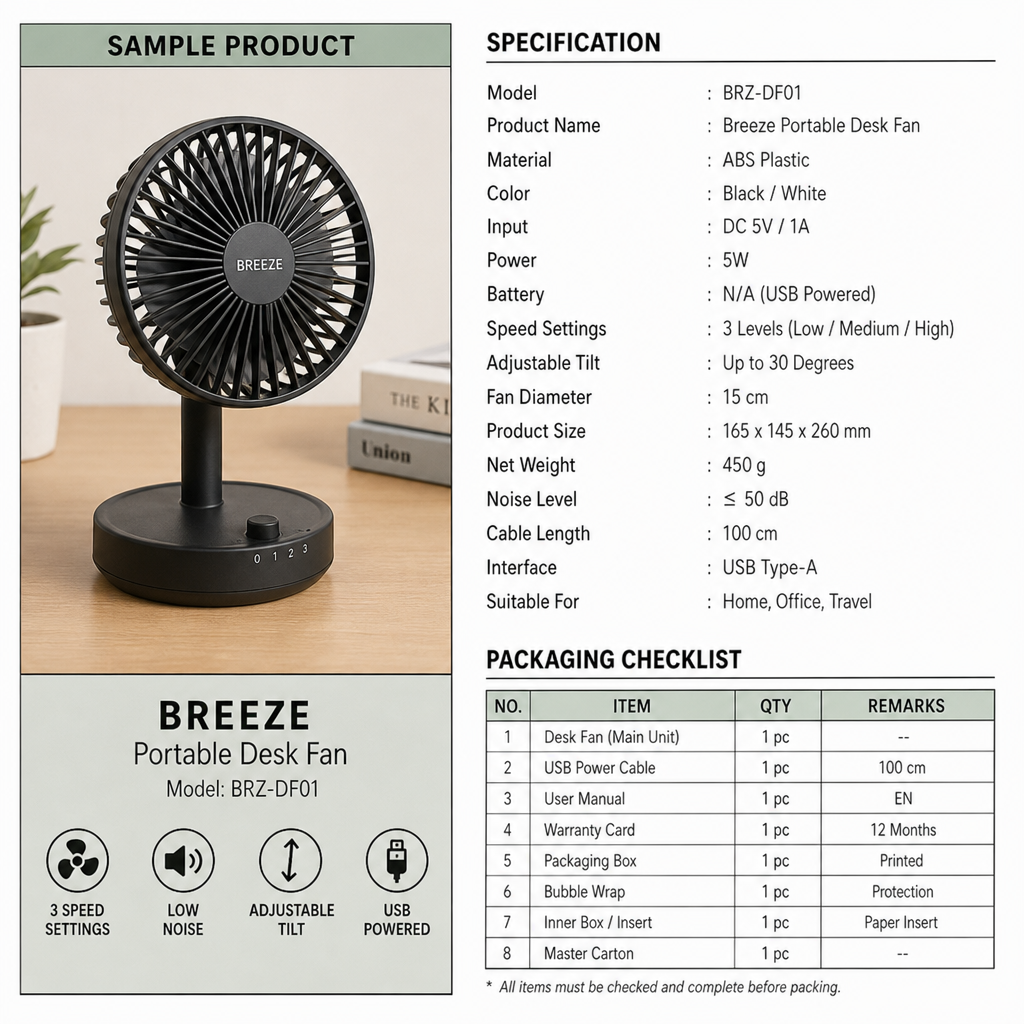
One of the most useful Alibaba buyer tips is to replace broad descriptions with specific acceptance criteria. Alibaba’s sourcing guidance recommends a detailed purchase order and requesting a sample before the full order. Use both to establish what you are actually buying, not simply what appears in a listing photograph.
For example, replace “good-quality branded packaging” with an agreed packaging material, artwork file, print placement, and approval process. Replace “same as sample” with an identifiable sample reference plus a written list of the characteristics that matter. These are suggested ways to make your instructions clearer, not universal specifications.
Build your order requirements around:
- Product identity: Model, version, materials, dimensions, color, and included components.
- Customization: Approved artwork, logo placement, finish, and permitted substitutions.
- Packaging: Unit protection, labels, carton requirements, and included instructions.
- Quality checks: What will be inspected, what counts as a defect, and how findings will be recorded.
- Timing and delivery: Agreed shipping date, destination, and clearly assigned delivery responsibilities.
Ask the supplier to confirm these points in the order before you pay. If you change a requirement during negotiations, update the written agreement rather than leaving conflicting versions scattered through messages. Clear documentation supports the order and communication record Alibaba uses during dispute resolution.
Use samples and manageable first orders
Requesting a sample is part of Alibaba’s official buyer guidance because it lets you assess whether the product meets your specifications before placing the full order. Treat that stage as a test with a written checklist, not merely an opportunity to approve the appearance.
For a bag, for instance, your checklist might cover fabric, stitching, dimensions, zipper operation, and logo placement. For a component, it might focus on fit and the functions required for its intended use. Choose checks relevant to the product rather than borrowing a generic checklist unchanged.
Consider a manageable first order before committing to a much larger purchase. If the order is complex or expensive, consider arranging an independent inspection and agree its scope in advance. Decide what evidence you want—such as photographs, measurements, or test results—and how you will respond if the goods do not meet the agreed specification.
Keep the approved sample reference and checklist with your order records. Use them to structure later inspections, while remembering that your documented order terms remain essential to explaining any discrepancy.
Apply Alibaba’s official safety tips for buyers
Alibaba’s official safety tips for buyers emphasize using Trade Assurance where possible, keeping messages within its Message Center, preparing detailed purchase orders, and requesting samples. These Alibaba buyer safety tips work best as a connected routine: investigate first, document the agreement, then use the protected transaction process.
Before authorizing payment, run this final checklist:
- Have I reviewed the supplier’s available assessment and resolved important inconsistencies?
- Does the actual order contain the specifications and shipping commitments I approved?
- Have I evaluated a sample where appropriate?
- Am I paying through the instructions attached to this specific order?
- Have I checked the applicable protection terms and claim deadline?
- Are my essential discussions and supporting files saved in the platform?
These checks translate Alibaba’s sourcing and payment guidance into a practical approval routine. If an answer is missing, resolve it before paying rather than relying on a promise to update the order afterward.
For safe online shopping more broadly, consider a credit card when available and appropriate. The FTC recommends credit cards because they offer protections other payment methods may not provide. That is an additional consideration, not a substitute for following Alibaba’s own payment requirements.
What should you do if an order goes wrong?
If your Alibaba order arrives with a problem or fails to meet the agreement, document the issue and start the applicable refund process promptly through the order details. Alibaba’s policy directs buyers to apply from “My orders” and allows escalation when the supplier does not respond or the parties cannot agree. Check your order’s deadline rather than waiting indefinitely for informal promises.
Use a clear evidence package:
- Preserve the agreement. Save the order, specifications, approved files, and relevant messages.
- Record the discrepancy. Photograph the product, labels, packaging, and any visible damage; add measurements or other relevant findings.
- Explain the requested outcome. State what was agreed, what arrived, and the resolution you are requesting.
- Follow the formal process. Submit evidence through the order and respond to requests for information.
This structure is intended to make your claim easier to understand; it does not guarantee approval. Alibaba states that order and communication records form the basis of refund resolution.
If you suspect fraud, contact your payment provider promptly to ask about available options. U.S. buyers can also report suspected scams to the FTC through its official reporting service. Neither step guarantees recovery, but reporting the issue avoids relying solely on the seller’s response.
The takeaway: verify before you commit
Approach Alibaba safety as a buying process, not a yes-or-no label. Review the supplier, specify the product, evaluate samples, and keep payment within the eligible order process. Alibaba’s protections are most useful when supported by clear requirements and records—not treated as a replacement for them.
Frequently Asked Questions About Is Alibaba Safe
What is Alibaba's Buyer Protection?
Alibaba's Buyer Protection offers safeguards for purchases made through the platform. It includes options for refunds if there are issues such as missing items, incorrect products, or damaged goods. However, it's important to note that these protections apply only to eligible transactions, and buyers must adhere to the platform's guidelines to qualify.
How Does Trade Assurance Work?
Trade Assurance is a feature that provides payment and order protection for qualifying transactions on Alibaba. It ensures that if certain conditions are not met, such as items not being shipped on time or not matching the agreed specifications, buyers can claim a refund. It's crucial to initiate this process through your Alibaba account to be eligible for protection.
How Can I Vet Suppliers on Alibaba?
To vet suppliers, start by reviewing their profiles and assessments. Check for the Verified Supplier badge, which indicates a third-party assessment of their business practices. Additionally, read assessments and reviews carefully, and conduct broader research by searching the supplier's name alongside terms like “reviews” or “scams” to gather more insights.
What Should I Do if I Encounter Suspicious Payment Requests?
If you receive a payment request outside the standard Alibaba platform or notice urgent demands for payment, it’s essential to pause and verify the legitimacy of the request. Always decline such offers and stick to payment methods provided within your Alibaba order. If anything seems off, contact Alibaba support for clarification before proceeding.
How Can I Handle Issues with My Order After It Arrives?
If your order has problems or does not meet expectations, document the issues by taking photos, saving messages, and keeping all order details. Follow Alibaba’s dispute resolution process promptly by submitting a refund request through the "My Orders" section. Ensure you adhere to any deadlines provided for filing claims to enhance your chances of a successful resolution.