


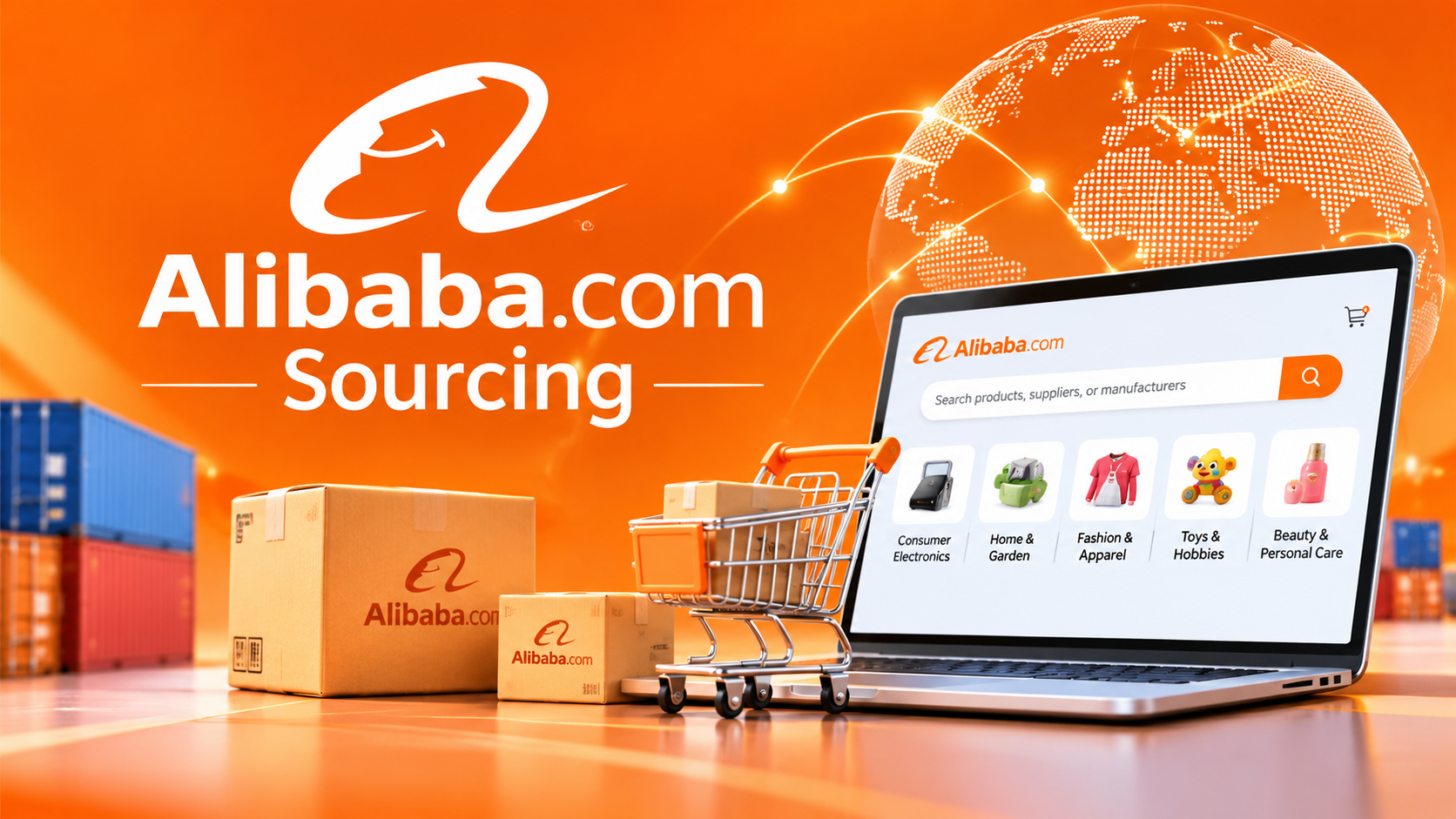
Alibaba.com connects business buyers with suppliers so they can find products, request quotations, negotiate specifications, and arrange orders.
Understanding how sourcing on Alibaba.com works means looking beyond product listings: the process includes supplier checks, samples, payment protection, and shipping arrangements.
This Alibaba sourcing guide walks through those decisions, from the first search to receiving your goods.
How does sourcing on Alibaba.com work?
Sourcing on Alibaba involves finding potential suppliers, confirming they can meet your requirements, agreeing on commercial terms, and managing the order through delivery.
You can search for products and contact sellers directly or submit a Request for Quotation, commonly called an RFQ, to invite supplier proposals. Alibaba.com provides tools for these activities, but buyers still need to assess each offer and document what they expect.
Think of Alibaba product sourcing as a purchasing project rather than a checkout task. Before contacting sellers, prepare a brief covering:
- Product requirements: Materials, dimensions, intended use, colors, and performance expectations.
- Order requirements: Initial quantity, packaging, branding, and possible repeat purchases.
- Delivery requirements: Destination, required arrival timing, and any receiving restrictions.
- Evidence requirements: Samples, relevant test reports, and inspection expectations.
A clear brief gives suppliers a common basis for quoting. It also helps you spot offers that appear cheaper because they omit something important.
Start your Alibaba supplier search with specific requirements
Begin your Alibaba supplier search with product terms that describe what you actually need. Instead of searching only for “storage bags,” include the material, dimensions, or intended application. Review listings against your brief, then use available supplier and order-protection filters to narrow the field.
Treat search results as leads, not purchasing recommendations. Open supplier profiles, review their stated capabilities, and ask questions about the exact product you want. Confirm whether the quoted item is available stock or requires production, and whether customization changes the quantity, price, or schedule.
For a defined project, an RFQ offers another route. Describe the same specifications, quantity, packaging, destination, and timing you would send in a direct inquiry. Review incoming quotations for exceptions: a supplier offering a different material or longer lead time has not quoted an equivalent order.
Keep a comparison sheet with columns for supplier, specification, quantity, sample availability, production timing, shipping assumptions, and unresolved questions. This makes follow-up more focused than trying to compare scattered messages from memory.
What is sourcing quantity on Alibaba?
Sourcing quantity on Alibaba is the amount of a product you want suppliers to quote for your purchasing request. The RFQ form includes a sourcing quantity field and a unit, such as pieces. It describes your requested volume; it is different from the supplier’s minimum order quantity, or MOQ, which is the lowest quantity that supplier is willing to sell.
For example, you might request a quotation for 300 units while a supplier requires a 500-unit minimum. Ask whether the supplier can accommodate your initial quantity and what changes would make that possible. Keep samples, trial orders, and potential future orders clearly separated in your request.
Check the unit of measure before comparing prices. A price per carton is not directly comparable with a price per piece unless you know the carton contents. Ask suppliers to confirm quantities, packaging configurations, and the price at the volume you intend to buy.
Evaluate suppliers beyond badges and attractive prices
Alibaba.com’s Verified Supplier designation involves third-party assessment of areas such as company information, production capabilities, and process controls. Use that information as one input in your review, not as a replacement for checking whether the supplier fits your specific order. Read available assessment information and follow up on anything unclear.
Ask each shortlisted supplier to explain how it will meet your requirements. Useful questions include:
- Can you produce the specified material, dimensions, and packaging?
- What sample can you provide, and does it represent the proposed production version?
- What production schedule applies after specifications are approved?
- Which supporting documents can you provide for this exact product?
- Will you accept an agreed inspection before shipment?
Judge the completeness of answers as well as their speed. If a response ignores a requirement, request written clarification before moving forward. Record exclusions and proposed substitutions rather than assuming the supplier has accepted your entire brief.
Request samples and define acceptable quality
Request a sample before committing to a larger order. Use it to check the characteristics that matter in practice: material, finish, dimensions, function, labeling, and packaging. Confirm the sample price, shipping charge, and whether customization is included before paying.
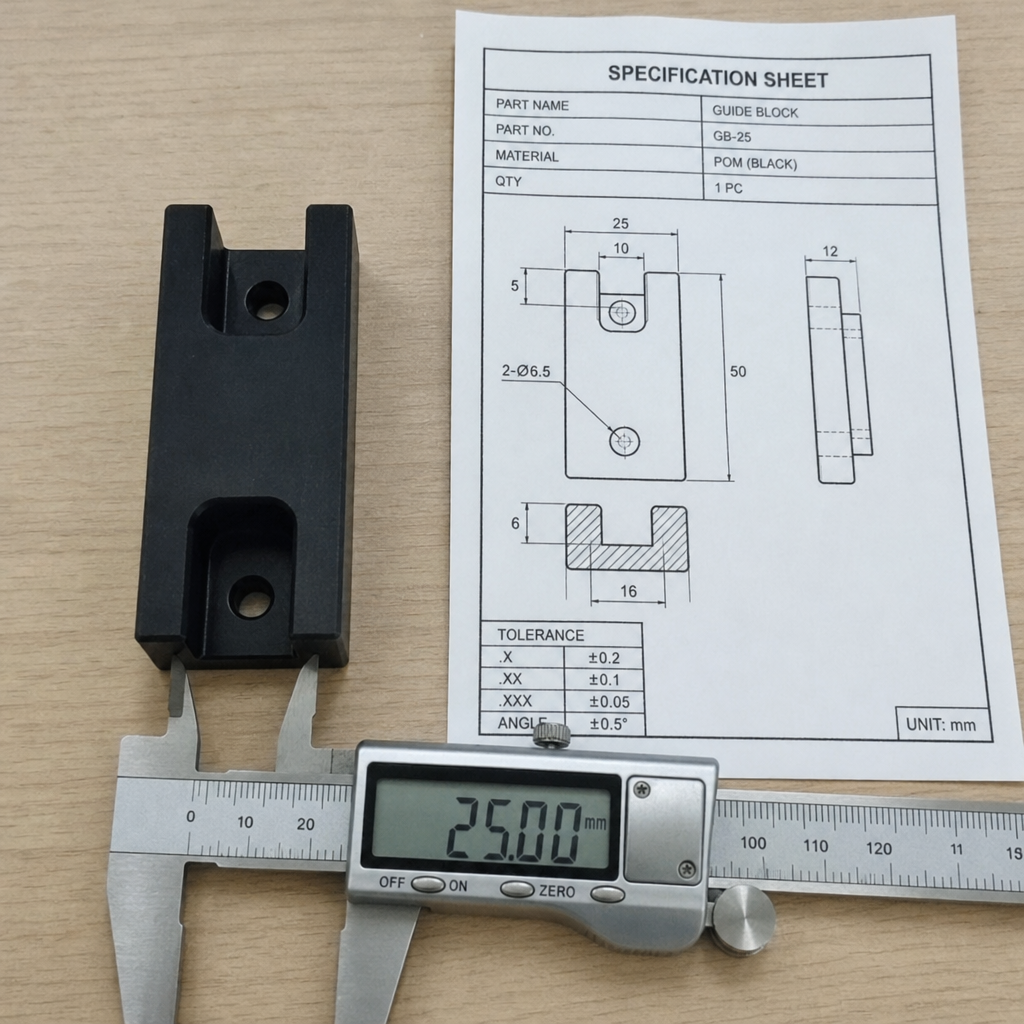
Document your findings instead of approving a sample with “looks good.” Identify the approved version and describe any changes required for production. Ask the supplier to acknowledge those changes so the reference is clear to both sides.
For a substantial or quality-sensitive purchase, consider a pre-shipment inspection. Agree on what will be checked and how problems will be handled before goods leave the supplier. Samples and inspections serve different purposes: sample review helps establish expectations, while inspection helps check the produced order.
Compare the full delivered cost
When sourcing from Alibaba, compare more than the advertised unit price. Build a landed-cost estimate that includes the product, packaging or customization charges, freight, insurance, applicable import charges, inspection, and delivery to your receiving locati0n. Ask for itemized quotations so you can identify what is included and what remains your responsibility.
A useful comparison follows this sequence:
- Standardize the product: Compare identical specifications, packaging, and quantities.
- Separate one-time charges: Identify samples, tooling, and setup costs.
- Clarify transportation: Confirm the shipping arrangement, destination, and included services.
- Add remaining expenses: Include relevant import, inspection, and local delivery costs.
- Review unresolved assumptions: Do not treat an incomplete estimate as a final cost.
For U.S. imports, consult current Customs and Border Protection guidance and check whether other agencies have requirements for your product. Resolve classification, documentation, and entry questions before shipping rather than assuming a supplier’s quotation settles them.
How does Trade Assurance affect your order?
Trade Assurance is Alibaba.com’s order-protection service for eligible purchases, including specified shipping and product-quality disputes. Protection depends on the applicable terms and the agreement recorded for your order. It should support careful purchasing, not replace supplier evaluation, clear specifications, or inspection planning.
Confirm that the supplier offers Trade Assurance for your transaction and review the order before paying. Include the quantity, specifications, packaging requirements, and shipping commitments. Follow Alibaba.com’s payment instructions for that order, and keep important communications on the platform so there is a documented record.
Agree on payment milestones rather than assuming every supplier follows the same arrangement. Where inspection is part of the purchase, clarify its relationship to payment and shipment before production begins. Read the applicable dispute procedures and deadlines while reviewing the order, not only after a problem appears.
Assess Alibaba.com as a global sourcing channel
To evaluate the B2B e-commerce company Alibaba on global sourcing, consider both its tools and the work buyers must perform. Search, RFQs, supplier information, messaging, and eligible order protection can support the purchasing process. None removes the need to compare offers, confirm quality expectations, or plan shipping.
A practical decision test is whether you can define the product, assess supplier evidence, calculate a realistic delivered cost, and manage the order. If any of those tasks remains unresolved, pause before increasing your commitment. Effective Alibaba sourcing depends on turning unanswered questions into documented decisions.
Build a repeatable sourcing process
Start with a precise brief, compare suppliers on equivalent terms, approve samples, and document the order before payment. After delivery, inspect the goods promptly and retain relevant records. The goal is not simply to find a low price; it is to establish a purchasing process you can review and improve before ordering again.
FrequentlyAsked Questions Related to Sourcing on Alibaba
What is the process for sourcing products on Alibaba?
The process involves searching for suppliers, confirming their capabilities, negotiating terms, and managing orders through delivery. It includes using tools like Request for Quotation (RFQ) and reviewing supplier profiles.
How can I ensure the quality of products sourced from Alibaba?
To ensure quality, request samples before placing large orders, ask for documentation that verifies product specifications, and consider conducting inspections before shipment.
What is Trade Assurance, and how does it benefit buyers?
Trade Assurance is Alibaba's order-protection service that helps ensure product quality and on-time shipment. It protects buyers against disputes related to shipping and product quality.
How do I determine the right sourcing quantity when placing an order?
The sourcing quantity is the number of units you request a supplier to quote. It’s essential to differentiate this from the supplier’s minimum order quantity (MOQ), which is the least amount they will sell.
What should I include in my sourcing brief when contacting suppliers?
Your sourcing brief should include detailed product requirements (materials, specifications), order requirements (quantity, packaging), delivery details (timing, locati0n), and any evidence requirements (samples, test reports).