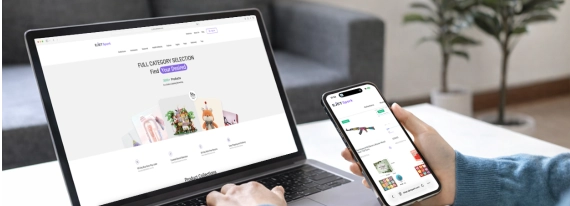




A reliable China sourcing agent helps you find suitable suppliers, compare quotes, manage communication, check production details, and reduce the risks that come with buying from overseas.
Whether you want furniture, toys, medical equipment, consumer goods, or custom products, the right partner can make sourcing in China clearer, faster, and more controlled.
This guide explains what to look for, what to avoid, and how to choose support that fits your business rather than simply picking the cheapest option.
What does a China sourcing agent actually do?
A China sourcing agent acts as a local bridge between your business and Chinese suppliers. Their role may include china supplier sourcing, price negotiation, sample coordination, factory communication, quality checks, shipment support, and problem-solving when production does not go as planned.
In practice, the scope depends on the agent or china sourcing agency you choose. Some sourcing agents China businesses use are focused only on finding factories and requesting quotes.
Others operate more like a full sourcing company in China, offering broader china sourcing services from product search to logistics coordination.
A good agent does not just forward supplier names. They help you understand whether a supplier is realistic for your order size, product category, quality expectations, packaging needs, compliance requirements, and timeline. That judgment is where the value often lies.
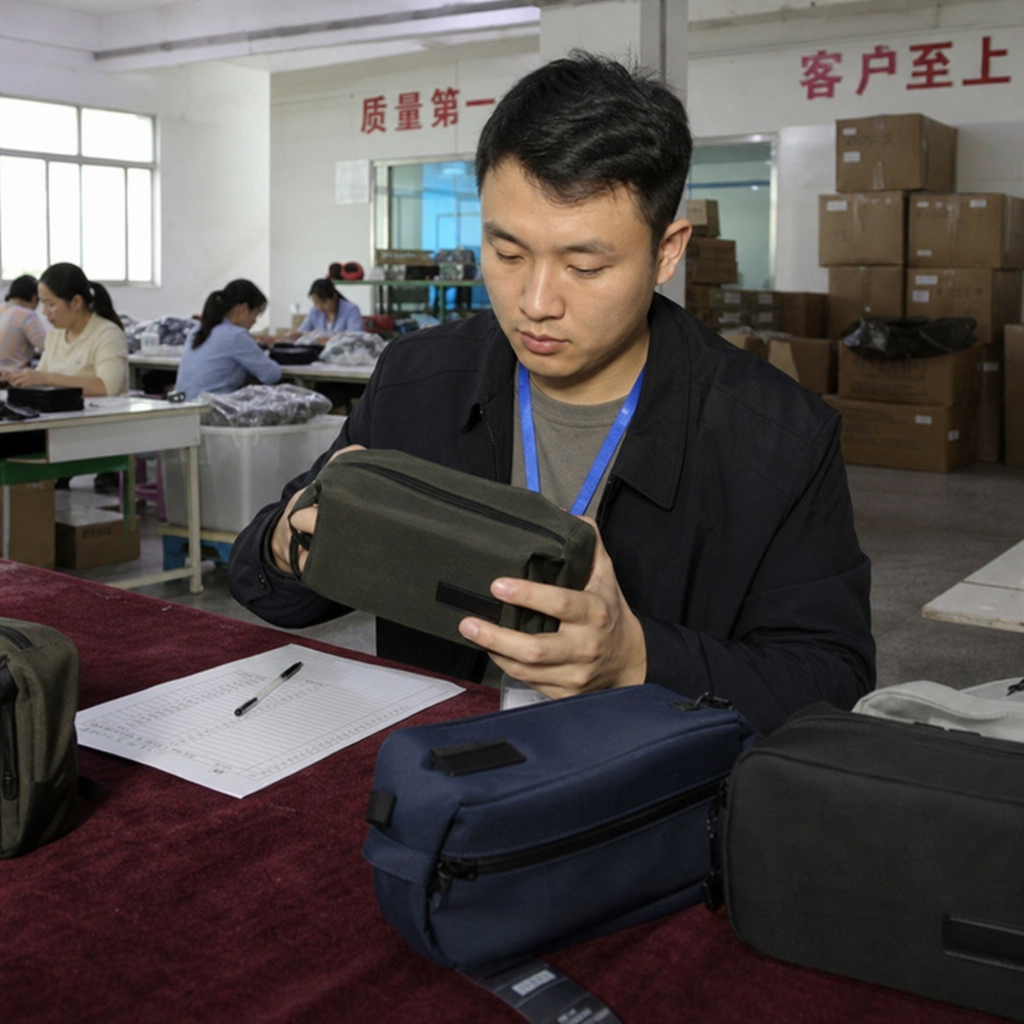
The value of local knowledge in China product sourcing
China product sourcing can look simple from the outside: search online, message a factory, request a price, and place an order. The challenge is that supplier quality, communication habits, production capabilities, and export experience vary widely. A polished sales profile does not always reflect what a factory can consistently deliver.
Chinese sourcing agents can help interpret details that are easy to miss from abroad. They may notice when a quote is unusually low, when a supplier appears to be a trading company rather than a manufacturer, or when a production promise seems too optimistic.
These insights are especially useful if you are new to import from China projects or expanding into a product category you do not fully understand.
Local knowledge also helps with regional sourcing. For example, furniture, toys, textiles, hardware, electronics, and packaging often cluster in different manufacturing areas.
If you are exploring jiaxing sourcing with china sourcing agent support, the agent should understand the local industrial base and whether Jiaxing is truly suitable for your specific product needs.
Signs you may need sourcing support
Not every business needs a china procurement agent. If you already have trusted suppliers, clear specifications, and experienced import staff, you may only need occasional quality inspections or logistics support. But many buyers benefit from having someone on the ground.
You may need a sourcing agent if:
- You are buying a new product category. Different products have different production risks, tolerances, packaging needs, and supplier types.
- You struggle to compare quotes. One supplier may include packaging, another may not. One may quote better materials, while another uses cheaper substitutes.
- You have communication delays. Time zones, language differences, and unclear specifications can slow decisions.
- You need customized products. Custom colors, dimensions, materials, branding, or molds require tighter coordination.
- You cannot visit factories yourself. China agents can help verify basic supplier details and follow up locally.
- You are receiving inconsistent quality. A sourcing partner may help improve supplier selection, samples, production checks, and packaging instructions.
These issues do not automatically mean you need the best sourcing agent in China with the largest team. They mean you need the right fit for your order size, product type, and risk level.
Choosing by product category, not just price
One of the most important china sourcing tips is to choose an agent with relevant category experience. A china furniture sourcing agent may understand wood types, upholstery, finishing, carton protection, container loading, and showroom visits.
That background is different from sourcing electronics, promotional gifts, apparel, or hardware.
The same applies to specialized areas. If you need a sourcing agent toys China project, look for someone familiar with toy factories, age grading, packaging requirements, and testing expectations in your destination market.
If you need a sourcing agent China medical equipment project, you should be even more cautious because medical products can involve strict documentation, certifications, and regulatory responsibilities.
Category experience does not replace your own due diligence, and an agent should never make unsupported claims about compliance. However, a product-aware agent can ask better questions, identify likely weak points earlier, and help you avoid suppliers that are obviously unsuitable.
How do you compare sourcing agents China buyers commonly use?
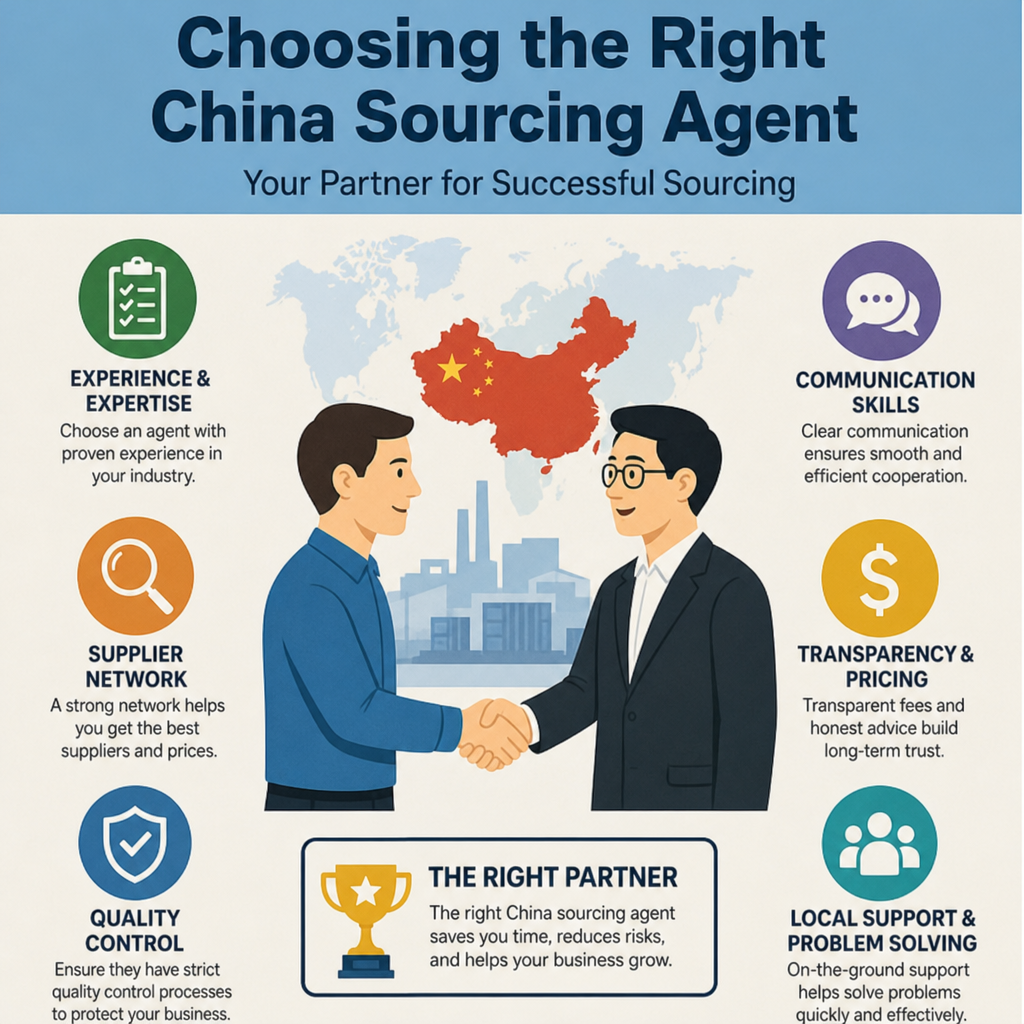
Compare sourcing agents China buyers recommend by looking at transparency, communication, supplier access, product experience, fee structure, and process.
The best china sourcing agent for one company may not be the best for another, because a startup ordering small batches has different needs from an importer managing repeated container shipments.
Start by asking how the agent works. Do they disclose supplier names? Do they charge a commission, a fixed fee, or a service package? Do they receive payments from factories?
Do they help with samples, contracts, inspections, and shipping coordination? Clear answers matter more than polished promises.
Also consider geography and language. A buyer in Europe may search for sourcing agent China Germany support because they want someone who understands German buyer expectations, documentation habits, or communication style.
That can be useful, but it should not be your only filter. Product knowledge, integrity, and process discipline are still more important.
Questions to ask before hiring a china sourcing agency
A professional china sourcing agency should welcome practical questions. If the answers are vague, rushed, or defensive, that is a warning sign. You do not need to interrogate the agent, but you do need enough clarity to understand how your money, product information, and supplier relationships will be handled.
Useful questions include:
- What product categories do you handle most often? Look for relevant experience, not a generic claim that they can source anything.
- How do you identify and screen suppliers? A serious answer may include factory type, production capability, export experience, sample quality, communication, and order fit.
- Will I know the supplier’s identity? Some agents are transparent; others protect supplier names. Decide what you are comfortable with before starting.
- How are your fees structured? Ask whether they charge commission, fixed fees, project fees, inspection fees, or ongoing management fees.
- Do you work for the buyer only? Conflicts of interest can happen if an agent receives undisclosed payments from suppliers.
- Can you manage samples and revisions? Sampling is often where product expectations become clear.
- How do you handle quality problems? You want a process, not a promise that problems never happen.
- What documents or specifications do you need from me? Good agents ask for details because vague requirements create poor sourcing outcomes.
These questions help you separate professional sourcing agents from people who simply collect inquiries and forward them to random suppliers.
Transparency is a major trust signal
Trust is central when working with china agents because they may influence supplier selection, pricing, payment schedules, inspection timing, and production decisions. Transparency helps protect you from hidden markups, unsuitable factories, and unclear accountability.
This does not mean every agent must use the same business model. Some buyers are comfortable with commission-based sourcing if the fee is openly discussed. Others prefer fixed service fees so supplier pricing is easier to evaluate. The key is knowing how the agent is paid and whether their incentives align with your interests.
Transparency should also apply to limitations. No agent can guarantee perfect production, instant delivery, or the lowest possible price every time. A trustworthy agent will explain trade-offs: lower cost may affect materials, faster production may increase risk, and small orders may limit factory options.
A practical checklist for selecting the right partner
Use this checklist before committing to a china sourcing agent or sourcing company in China. It can help you compare options more objectively instead of relying on first impressions.
- Relevant product experience: Has the agent handled similar products, materials, or order types?
- Clear sourcing process: Can they explain how they search, compare, and recommend suppliers?
- Supplier verification approach: Do they check business details, production capability, samples, and communication quality?
- Transparent pricing: Are service fees, commissions, and possible extra costs explained upfront?
- Communication quality: Do they respond clearly, ask specific questions, and summarize next steps?
- Documentation discipline: Can they help organize specifications, quotations, sample notes, packaging details, and inspection requirements?
- Quality control support: Do they offer or coordinate pre-production checks, during-production checks, or final inspections when needed?
- Problem-solving attitude: Do they discuss how issues are handled rather than pretending issues never occur?
- Market familiarity: Do they understand your destination market’s expectations, whether you sell in the United States, Germany, or elsewhere?
- Scalable support: Can they handle repeat orders or growth if your sourcing program expands?
A checklist will not remove every risk, but it makes the decision more disciplined.
The buyer’s role in successful sourcing
Even the best china sourcing agent cannot succeed with unclear instructions. Buyers often underestimate how much detail is needed to get accurate quotes and consistent production. If your request says only “high quality,” suppliers and agents have to guess what that means.
Prepare a clear sourcing brief before asking for quotes. Include product dimensions, materials, colors, finish, packaging, target order quantity, destination country, required certifications if applicable, branding needs, acceptable tolerances, and reference photos or samples. If you have a target price, explain whether it is strict or flexible.
Good sourcing is collaborative. Your agent brings local knowledge and supplier access; you bring product goals, market expectations, and commercial priorities. When both sides communicate clearly, sourcing in China becomes more manageable.
What red flags should you avoid when sourcing in China?
Avoid agents who promise unrealistic prices, refuse to explain their fees, push one supplier without comparison, or discourage basic due diligence. Red flags do not always prove bad intent, but they do suggest you should slow down, ask more questions, or consider another option.
Common warning signs include:
- “We can source anything” without category depth. Broad capability is useful, but no one is equally strong in every product.
- No written process. If the agent cannot explain the steps, you may struggle when problems arise.
- Pressure to pay quickly. Urgency can be legitimate, but pressure without documentation is risky.
- Unclear supplier status. You should know whether you are dealing with a factory, trading company, or intermediary.
- Resistance to inspections. Quality checks are normal in many import from China projects.
- Vague quality language. Ask for measurable details, not just “good quality” or “export standard.”
- Poor record keeping. Missing sample notes, quotation details, or packaging instructions can cause expensive misunderstandings.
If something feels unclear, pause before sending deposits. It is easier to prevent a sourcing problem than to fix one after production has started.
Balancing cost, quality, and control
Many buyers begin china supplier sourcing with price as the main priority. Price matters, but the cheapest quote can become expensive if it leads to wrong materials, weak packaging, delays, rework, chargebacks, or unsellable goods. A strong agent helps you compare total value, not just unit cost.
This is especially important for categories where appearance, safety, durability, or consistency affect customer satisfaction. A china furniture sourcing agent, for example, may help you think about finish consistency, hardware quality, carton strength, and loading efficiency. A sourcing agent toys China project may require more attention to materials, labels, and testing expectations.
Control also matters. You need clear samples, approved specifications, production updates, and inspection criteria. Without those controls, even a good supplier may interpret details differently than you expect.
Building a long-term sourcing system
The strongest results often come when you stop treating china sourcing services as a one-time supplier search and start building a repeatable system. That system may include preferred suppliers, standard specification templates, sample approval records, packaging guidelines, inspection checklists, and shipment review notes.
Over time, this makes your purchasing more efficient. Your agent learns your standards. Suppliers understand your expectations. Problems are easier to trace because decisions and approvals are documented. This is how china procurement agent support can shift from basic product search to a more strategic supply chain function.
For growing importers, a long-term approach also helps with product development. Once your sourcing partner understands your market, they may be able to suggest alternative materials, nearby supplier options, packaging improvements, or ways to simplify production. Those suggestions should still be evaluated carefully, but they can add value beyond the initial quote.
A simple sourcing workflow to follow
If you are new to working with chinese sourcing agents, use a structured workflow. It keeps everyone aligned and reduces avoidable confusion.
- Define the product clearly. Create a sourcing brief with specifications, quantities, destination, packaging, and quality expectations.
- Shortlist agents. Compare experience, communication, fees, transparency, and product category fit.
- Request supplier options. Ask for more than one suitable supplier when possible, along with the reasoning behind each option.
- Review quotes carefully. Compare materials, packaging, payment terms, lead times, and included services.
- Order samples. Use samples to confirm quality, dimensions, finish, and packaging assumptions.
- Approve written specifications. Make sure the final agreement reflects exactly what was approved.
- Monitor production. Ask for updates and consider inspection support when the order value or risk justifies it.
- Review after delivery. Record what went well, what failed, and what should change next time.
This workflow is not complicated, but it creates accountability. It also helps your agent perform better because expectations are clear from the beginning.
Final takeaway
Choosing the right china sourcing agent is less about finding a miracle worker and more about finding a transparent, category-aware, process-driven partner. The right person or agency can make china product sourcing easier by improving supplier selection, communication, sampling, quality control, and order follow-up.
Use the china sourcing guide approach: define your product, ask practical questions, compare sourcing models, watch for red flags, and document every important decision. Whether you need a china furniture sourcing agent, help with toys, support for medical equipment, or broader china sourcing services, the best sourcing agent in China for your business is the one whose experience, incentives, and working style match your goals.
Frequently Asked Questions About Choosing the Right China Sourcing Agent
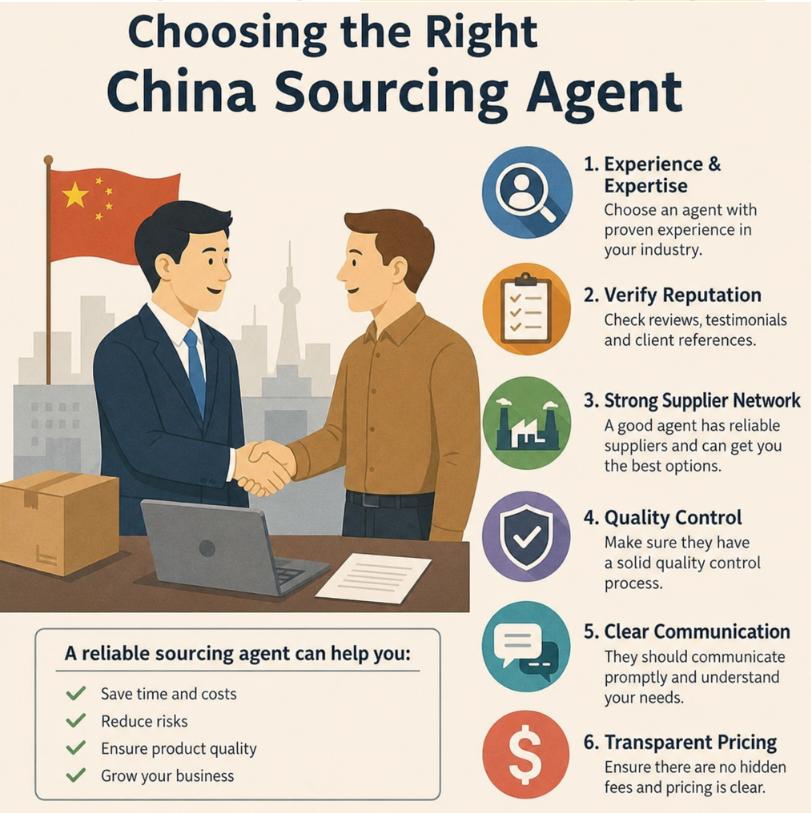
What is a China sourcing agent and what do they do?
A China sourcing agent acts as a bridge between buyers and Chinese suppliers, helping with tasks such as finding suitable manufacturers, negotiating prices, coordinating communication, and ensuring quality control during production and shipment.
How do I choose the right sourcing agent for my specific needs?
Look for an agent with relevant product category experience, transparent communication, a clear sourcing process, and a fee structure that aligns with your budget. It's essential to compare multiple agents to find the best fit for your business needs.
What are the costs associated with hiring a sourcing agent in China?
Sourcing agents may charge various fees, such as commissions, fixed fees, or per-project costs. It's important to ask about the fee structure upfront and understand any additional costs that may apply during the sourcing process.
How can a sourcing agent help mitigate risks when importing from China?
Sourcing agents provide local expertise and insights that can help identify unreliable suppliers, ensure compliance with regulations, manage quality control throughout the production process, and navigate challenges that may arise during shipment.
What should I provide to my sourcing agent to ensure a successful partnership?
Providing a detailed sourcing brief that includes product specifications, quantities, quality expectations, and any compliance requirements is crucial. Clear communication and expectations will help your agent deliver the best results for your business.