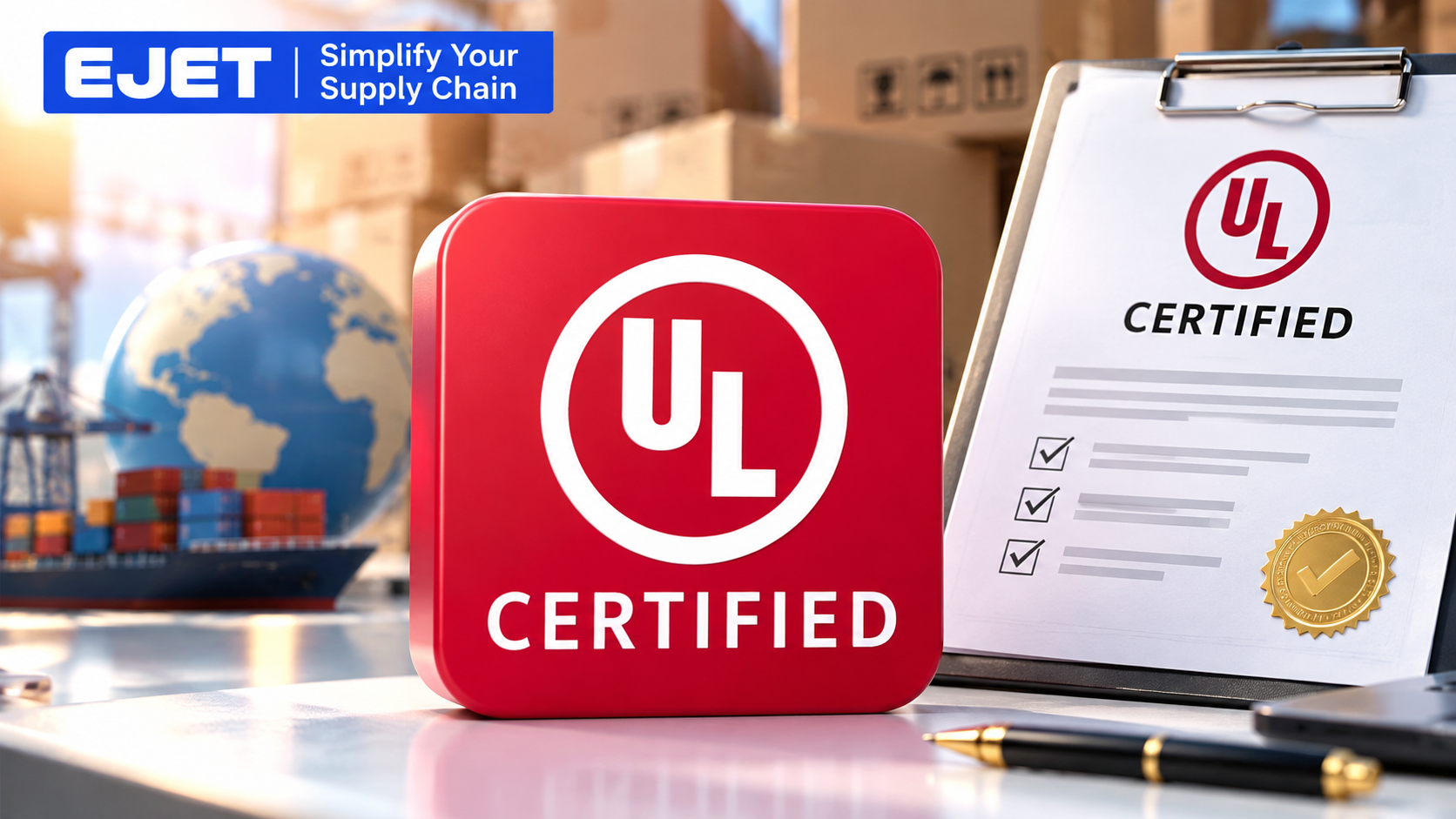
UL certification provides independent evidence that a product, component, or service meets the requirements covered by a specific certification program. For product safety certification, UL Solutions evaluates representative samples against applicable standards and uses ongoing oversight to help confirm continued conformity. Understanding the certification’s scope helps buyers assess claims and manufacturers plan compliance work.
What does UL certification mean?
UL certification means UL Solutions has evaluated an item against defined requirements and determined that it meets the applicable certification criteria. The scope matters: a certification may address product safety, a particular characteristic, component suitability, or another defined attribute. It is evidence of conformity within that scope—not an unlimited guarantee about every aspect of a product.
Three terms help explain the difference between a technical requirement and a verified claim:
- UL standards establish requirements used to evaluate a particular product category or application.
- UL testing generates evidence about how representative samples meet applicable requirements. Testing alone does not necessarily establish certification or permission to use a mark.
- The UL Mark identifies certification under the relevant program. Authorization follows fulfillment of the applicable requirements, not simply submission of a sample.
A claim such as “designed for UL compliance” therefore deserves a follow-up question: has certification actually been granted? Ask for the certification record and confirm exactly what it covers. This separates a manufacturer’s intention from an independently documented result.
Why certification matters in practical decisions
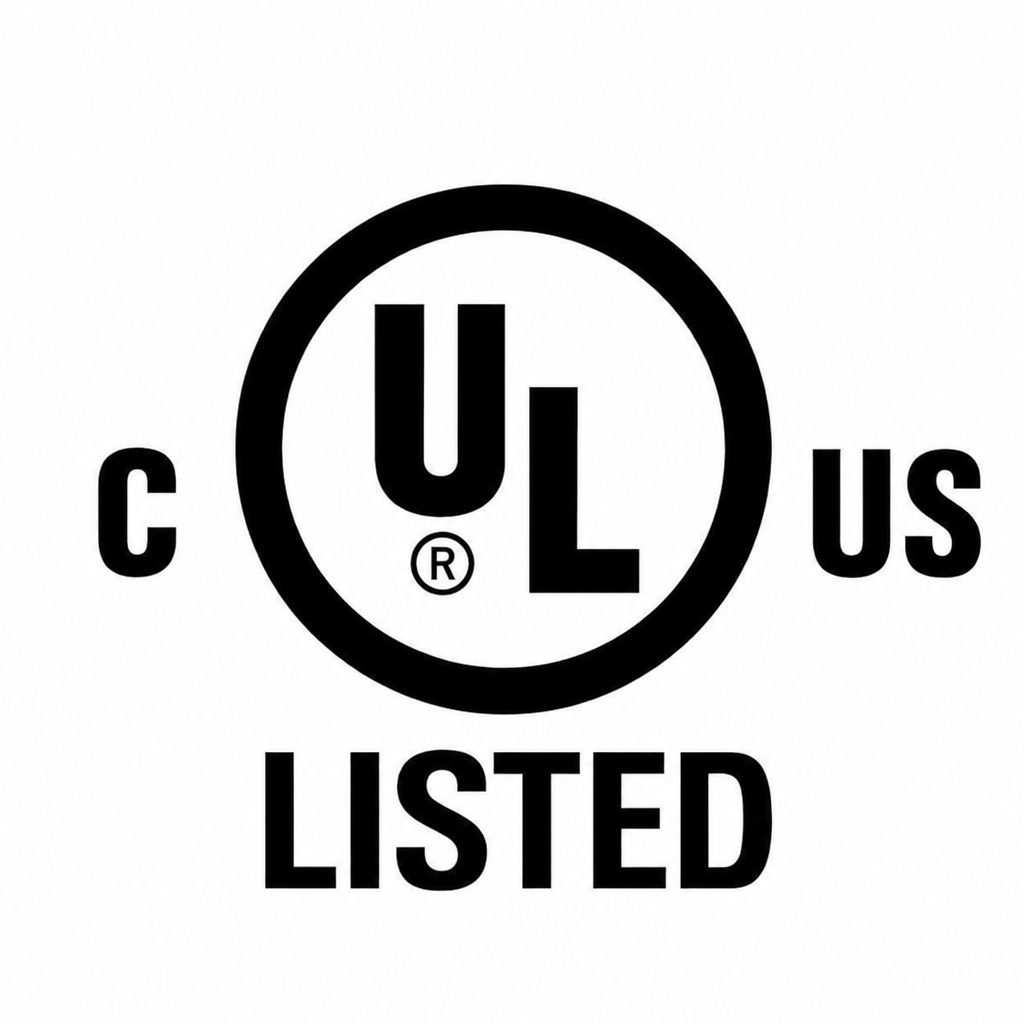
Product safety certification creates a documented basis for assessing hazards rather than relying solely on advertising. Under UL’s U.S. Safety Scheme, evaluations address applicable requirements associated with fire, electric shock, and casualty hazards. That gives purchasers meaningful evidence to examine when selecting equipment for an intended use.
For manufacturers, early attention to UL requirements can expose unsuitable components or design choices before formal evaluation. UL Solutions recommends reviewing the applicable standard, checking component ratings, and assessing the product before submission. Preparation can reduce avoidable testing delays and redesign work.
Certification also involves production accountability. Under Follow-Up Services, inspections and audits help determine whether manufactured products remain consistent with the evaluated construction. Its value therefore extends beyond the performance of one laboratory sample.
Reading UL Listed, Recognized, and Classified marks
Different UL marks communicate different certification scopes. Treating them as interchangeable can lead to a purchasing error—for example, assuming a certified internal power supply establishes certification of the finished appliance. The distinction is especially important when selecting components for integration into larger equipment.
|
Mark or designation |
What it communicates |
Practical implication |
|---|---|---|
|
UL Listed |
Evaluation of a complete product or equipment against applicable construction and performance requirements. |
Check installation instructions and intended-use limitations. |
|
UL Recognized Component |
Evaluation of a component intended for incorporation into a larger certified product. |
Verify its conditions of acceptability; recognition does not certify the finished assembly. |
|
UL Classified |
Certification with respect to identified properties, hazards, or conditions. |
Read the classification statement to understand the boundaries. |
These distinctions are explained in UL Solutions’ certification and component guidance. Enhanced UL Certification Marks may use “Certified” instead of the traditional “Listed” or “Classified” wording, with additional information identifying the scope and geography.
Is UL certification legally required?
UL certification is not a universal legal requirement for every product sold in the United States. OSHA requires approval by a Nationally Recognized Testing Laboratory, or NRTL, for certain workplace equipment under specified conditions. UL is one recognized organization; OSHA’s program recognizes multiple laboratories, each operating within an approved scope.
The distinction matters when someone requests “UL approval.” Clarify whether the requirement specifically calls for a UL certification or for certification by an appropriately recognized laboratory. Each NRTL uses its own registered certification marks, so a product evaluated to a UL standard by another laboratory does not thereby earn the UL Mark.
For a workplace purchase, check the applicable OSHA provision and conditions of use rather than assuming that every product category has identical requirements. OSHA explicitly notes that approval may be required only under particular circumstances.
Specialized certifications address different needs
The UL name appears across programs with substantially different purposes. Electrical safety, grid interoperability, security alarm services, and chemical emissions are not interchangeable measures. Start with the problem you need evaluated, then examine the relevant program’s scope.
Hoverboard UL certification
For UL hoverboard certification, the relevant standard is UL 2272, which addresses the electrical system of personal e-mobility devices. For hoverboards, the evaluation covers the electrical drivetrain, including the battery, charging system, and electrical wiring. A battery or charger certification alone should not be mistaken for certification of the complete device.
The scope has limits: UL 2272 does not evaluate rider performance or reliability issues caused by human error. Buyers should therefore distinguish evidence about electrical safety from assumptions about balance, riding skill, or protection against falls. Verify the complete hoverboard model, not merely a component advertised alongside it.
UL 1741 SB and IEEE 1547-2018 inverter certification
UL 1741 Supplement SB supports certification of distributed energy resources against requirements associated with IEEE 1547-2018, using IEEE 1547.1-2020 test procedures. These documents play different roles: IEEE 1547 establishes interconnection and interoperability requirements, while IEEE 1547.1 supplies conformance test procedures referenced by Supplement SB.
Relevant grid support functions include voltage-dependent reactive power control, voltage-dependent active power control, and frequency-responsive power behavior. However, having a capability does not mean every function must be activated in every installation; the applicable grid operator determines deployment requirements. When assessing an inverter, compare its documented certification scope with the project’s interconnection requirements rather than relying on “grid-ready” marketing.
UL 2050 certification
UL 2050 certification concerns National Industrial Security Systems, including alarm services used to protect classified government material. Its focus includes monitoring, signal processing, investigation, servicing, and alarm system operation. It is not a general safety certification for an individual camera, sensor, or alarm panel.
For these projects, distinguish the alarm service company’s qualifications from documentation covering the installed system. Ask which certificate applies to the protected locati0n and how the provider verifies compliance. Equipment evaluation and the certification of the alarm service arrangement are related but separate considerations.
UL GREENGUARD Gold certification for low chemical emissions
UL GREENGUARD Gold certification addresses chemical emissions from products, rather than functioning as a general electrical safety listing. It sets lower volatile organic compound emission limits than the standard GREENGUARD certification, with consideration for sensitive populations. This makes its scope relevant when evaluating products for schools, healthcare environments, and homes.
For official verification, consult UL Solutions’ certification resources rather than treating “low emissions” as sufficient evidence. GREENGUARD-certified products undergo manufacturing-process review and routine testing. The certification supports a defined emissions claim, not a blanket claim covering every product characteristic.
How to verify a UL certification claim
Verification means matching the product to its certification information, not simply recognizing a logo. UL Product iQ allows users to search certification records, and enhanced marks may include identifiers or QR codes that help locate supporting details.
Use this checklist before accepting a claim:
- Record the exact model and manufacturer. Avoid relying on certification information for a similar product.
- Inspect the mark and identifiers. Note the file number or unique identifier where provided.
- Search UL Product iQ. Compare the record with the item being purchased.
- Read the scope and limitations. Confirm whether the record covers the finished product, a component, or a specific attribute.
- Resolve discrepancies before purchase. Request clarification when the label, model, and record do not agree.
Maintaining compliance after certification
Certification requires attention after the initial evaluation. Manufacturers should maintain component traceability, follow their certification documentation, and submit construction changes for review when necessary. UL Follow-Up Services checks continued conformity through inspections and audits at relevant facilities.
For buyers, the central lesson is equally practical: match the certification to the exact item and intended use. A UL safety mark is valuable because it communicates a defined, verifiable evaluation—not because it removes the need to understand its limits.
Frequently Asked Questions Related to UL Certification
What is UL certification and why is it important?
UL certification indicates that a product has been evaluated by UL Solutions to meet specific safety and performance standards. It provides assurance to consumers and manufacturers that the product is safe for use.
How can I verify if a product is UL certified?
You can verify UL certification through the UL Product iQ online database, where you can search using the product’s model number and manufacturer information.
Are all UL certifications the same?
No, there are different types of UL marks, including UL Listed, UL Recognized Component, and UL Classified. Each mark signifies different scopes of evaluation and compliance.
Is UL certification legally required for all products?
No, UL certification is not universally required by law in the United States. However, certain products used in workplaces may require certification by a Nationally Recognized Testing Laboratory (NRTL) under OSHA regulations.
What should I consider when purchasing a product claiming UL certification?
Always verify the exact model and manufacturer, check the certification mark and identifiers, search for the certification record, and ensure that the certification covers the specific product you intend to purchase.