Finding reliable China sourcing companies is one of the most important decisions for international importers, wholesalers, retailers, and e-commerce businesses
The right sourcing partner can help businesses identify qualified manufacturers, negotiate competitive prices, maintain consistent product quality, and coordinate international shipments.
However, not every sourcing company in China provides the same level of service. Some specialize in supplier identification, while others offer complete procurement and supply chain management, including product development, factory audits, quality inspections, warehousing, and shipping.
For importers purchasing from multiple Chinese suppliers, these differences can significantly affect operational costs, delivery schedules, and long-term profitability.
In this guide, we compare established China sourcing companies, explain the different sourcing models, examine their services and pricing structures, and outline the essential criteria for selecting a trustworthy sourcing partner.
What Is a China Sourcing Company?
A China sourcing company is a professional service provider that helps overseas buyers find products, communicate with manufacturers, negotiate purchasing terms, and manage procurement activities in China.
Unlike traditional suppliers that primarily sell their own products, sourcing companies can coordinate purchasing across multiple manufacturers and product categories.
Depending on their business model, China sourcing companies may provide:
- Supplier sourcing and verification: Identifying manufacturers and checking their qualifications.
- Price negotiation: Comparing quotations and negotiating purchasing terms.
- Product development: Managing OEM, ODM, private labeling, and custom packaging.
- Quality control: Conducting factory audits, production inspections, and pre-shipment checks.
- Order management: Monitoring manufacturing progress and coordinating delivery schedules.
- Warehouse consolidation: Collecting products from multiple factories into coordinated shipments.
- International logistics: Arranging freight forwarding, export documentation, and shipping support.
We recommend evaluating sourcing companies according to their ability to manage the entire purchasing process rather than simply finding the lowest product quotation.
Top China Sourcing Companies for International Importers
Several sourcing companies offer specialized services for international buyers. The following comparison highlights their published capabilities and the types of businesses they may suit.
|
China sourcing company |
Main specialization |
Suitable for |
|---|---|---|
|
EJET |
End-to-end procurement, supply chain management, consolidation |
Importers, wholesalers, retail chains, e-commerce businesses |
|
JingSourcing |
Product sourcing, customization, inspections, fulfillment |
Amazon sellers, small businesses, retailers |
|
LeelineSourcing |
Supplier sourcing, product development, warehousing, fulfillment |
Online sellers, small and medium-sized businesses |
|
Dragon Sourcing |
Strategic procurement, supplier evaluation, global sourcing |
Manufacturers, enterprises, procurement teams |
|
Sourcify |
Managed manufacturing, factory matching, production oversight |
Growing consumer brands, custom-product businesses |
This comparison is organized by sourcing model and buyer suitability, not independently audited performance or overall company ranking.
1. EJET – End-to-End China Sourcing and Supply Chain Management
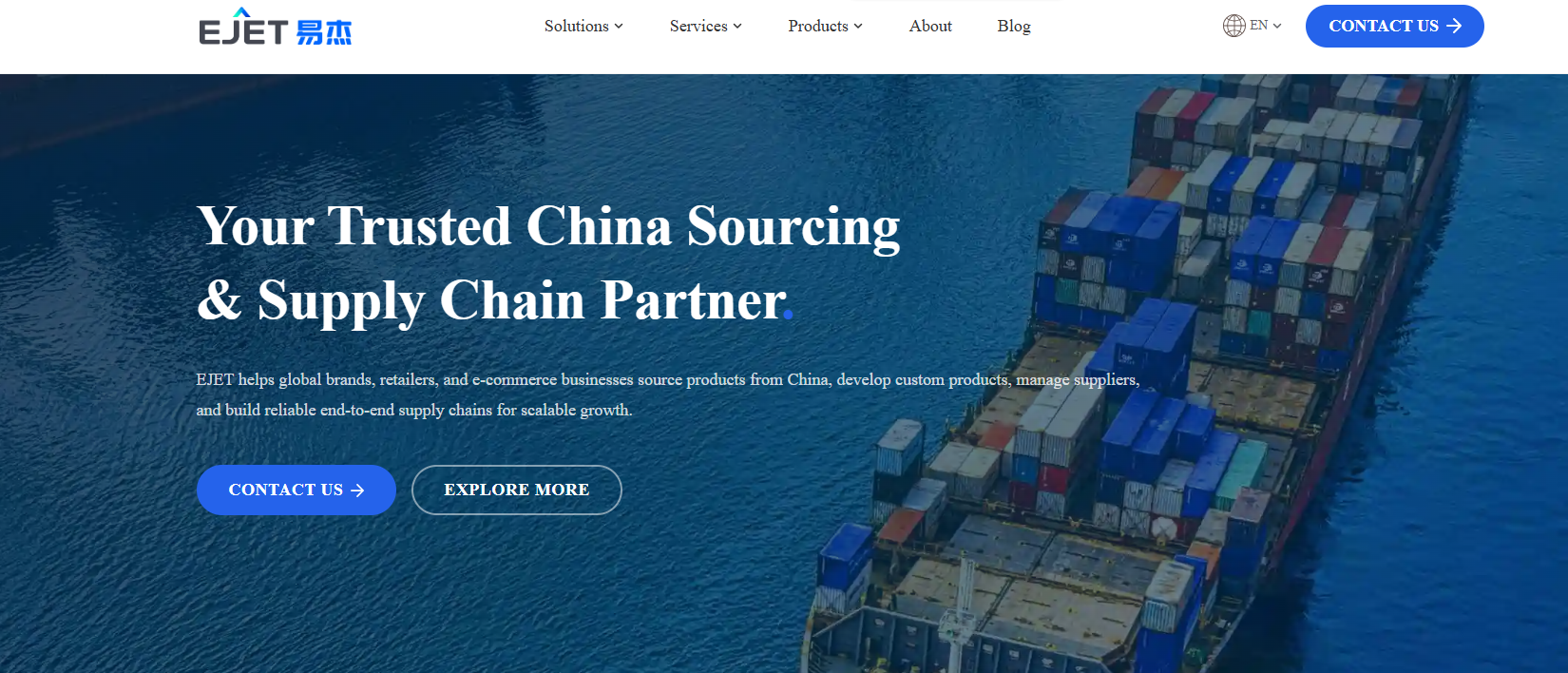
EJET is a China-based sourcing and supply chain company serving global importers, retailers, brands, and e-commerce businesses.
Through EJET Procurement, the company provides coordinated services covering supplier sourcing, purchasing, production follow-up, quality control, warehousing, consolidation, and international delivery.
Its procurement model is designed for businesses that require support across different product categories or manage purchases involving several manufacturers.
Core services include:
- Supplier identification and qualification
- Yiwu and Guangzhou wholesale market sourcing
- OEM and ODM product development
- Purchasing and supplier coordination
- Production monitoring and quality inspection
- Multi-supplier order consolidation
- International logistics and shipping coordination
For importers purchasing products such as home accessories, kitchenware, toys, stationery, pet supplies, and consumer goods, an integrated procurement service can help reduce the operational complexity of working with multiple factories.
EJET also supports buyers who prefer to visit China for market sourcing and those who need remote purchasing management.
Best suited for: Importers, wholesale distributors, retailers, and growing businesses seeking a long-term China sourcing and supply chain partner.
2. JingSourcing – Product Sourcing and Customization Services
JingSourcing is a Yiwu-based sourcing company that helps overseas businesses identify suppliers, customize products, manage production, and arrange international shipments.
The company focuses on supporting e-commerce sellers, retailers, and businesses sourcing consumer products from China.
Key services include:
- Product and factory sourcing
- Supplier quotation comparisons
- Product customization and private labeling
- Packaging design and product bundling
- Quality inspections
- Warehousing and order fulfillment
- International shipping coordination
JingSourcing publishes two main pricing approaches. Its Pro plan includes service costs in product prices, while its Basic plan for buyers using their own suppliers lists a 5% service fee, subject to a minimum charge and other conditions.
We recommend that buyers using this model compare total product costs and confirm how supplier information, inspections, and quality claims are handled before ordering.
Best suited for: Amazon sellers, small and medium-sized importers, online retailers, and businesses developing customized consumer products.
3. LeelineSourcing – China Product Sourcing and Fulfillment
LeelineSourcing provides product sourcing, supplier management, product inspection, and shipping coordination services.
The company works with e-commerce businesses and importers that require assistance throughout their purchasing processes.
Key services include:
- Supplier discovery and verification
- Product quotation and negotiation
- Custom manufacturing coordination
- Private labeling and packaging
- Factory inspections and quality control
- Warehouse storage
- Shipping and fulfillment support
LeelineSourcing also publishes separate inspection services, including factory audits, pre-shipment inspections, and production checks.
For businesses purchasing products from several manufacturers, we recommend confirming whether consolidation, warehousing, and individual inspection services are included in the quotation or charged separately.
Best suited for: E-commerce sellers, importers, and growing businesses requiring product sourcing and fulfillment assistance.
4. Dragon Sourcing – Strategic Sourcing and International Procurement
Dragon Sourcing offers strategic procurement and sourcing services for businesses purchasing goods and services from international markets.
Compared with sourcing agents focused primarily on consumer products, Dragon Sourcing emphasizes structured procurement processes, supplier evaluation, market research, and purchasing performance.
Key services include:
- Strategic supplier identification
- Supplier qualification and audits
- Procurement market intelligence
- Competitive bidding and negotiations
- Supplier performance management
- Quality control and procurement outsourcing
The company states that it operates independently of suppliers and does not accept supplier commissions.
We consider this type of procurement model particularly relevant when supplier evaluation, documented purchasing decisions, and procurement transparency are central business requirements.
Best suited for: Established importers, manufacturers, industrial buyers, and enterprises managing complex sourcing requirements.
5. Sourcify – Custom Manufacturing and Production Management
Sourcify provides factory matching, manufacturing support, production management, and quality oversight.
Its sourcing services emphasize long-term manufacturer relationships, product development readiness, and organized production execution.
Key services include:
- Factory matching and supplier evaluation
- Manufacturing quotation comparisons
- Sample development and revisions
- Production monitoring
- Quality inspections
- International shipping coordination
- Managed manufacturing services
Sourcify's China operations include local teams supporting manufacturing communication and factory oversight.
We recommend considering this model for businesses with defined product specifications and recurring manufacturing requirements.
Best suited for: Established consumer brands, private-label companies, and businesses developing customized products at scale.
Types of China Sourcing Companies: Which Model Is Right for Your Business?
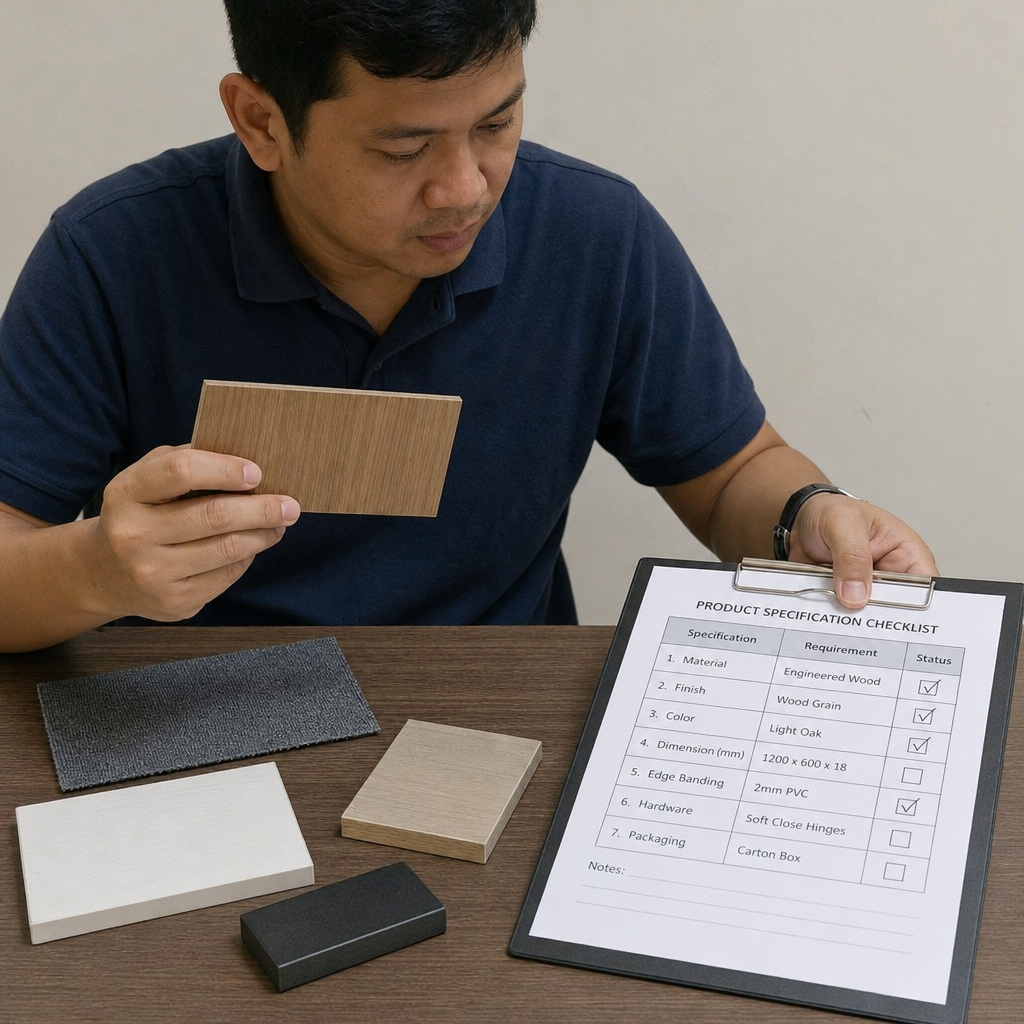
Before choosing a sourcing company, we recommend understanding the different business models available in China.
1. Independent Sourcing Agents
Independent sourcing agents help international buyers locate suppliers, compare quotations, negotiate purchasing terms, and coordinate orders.
They generally work on a commission or fixed-fee basis.
This arrangement may suit businesses purchasing a limited number of products or needing assistance with supplier communication.
However, individual agents may have limited resources for large-scale warehousing, multi-category procurement, or extensive factory inspections.
2. Full-Service China Sourcing Companies
Full-service sourcing companies manage several stages of the procurement process through a coordinated service structure.
Services may include supplier sourcing, OEM/ODM development, manufacturing follow-up, quality control, warehousing, consolidation, and logistics.
We consider this approach particularly suitable for wholesalers, retailers, and importers purchasing products from different factories.
Having one team coordinate multiple suppliers can simplify communication and make delivery schedules easier to manage.
3. China Trading Companies
Trading companies purchase products from manufacturers and resell them to overseas buyers.
Unlike sourcing agents who charge a disclosed service fee, trading companies often earn their margins through product pricing.
This model may simplify purchasing, especially when buyers need a ready-made product assortment.
However, we recommend checking whether the trading company manufactures the products directly or purchases them through another supplier.
Understanding the supplier relationship can help buyers assess pricing, production control, and product traceability.
4. Strategic Procurement Companies
Strategic procurement companies focus on sourcing systems, supplier performance, competitive purchasing, and long-term supply chain management.
They are often more suitable for organizations managing substantial purchasing volumes or complex supplier networks.
Their services may include formal supplier qualification, procurement analysis, contract management, and supply chain risk assessments.
How to Choose the Best China Sourcing Company
Selecting the right sourcing company requires more than comparing websites and service prices.
We recommend evaluating the following seven factors before entering a long-term procurement agreement.
1. Industry Experience and Product Specialization
Different product categories require different sourcing expertise.
A company experienced in home decoration products may not necessarily have the technical knowledge required for electronic components or regulated medical products.
Before selecting a sourcing partner, we recommend reviewing:
- Its experience with the specific product category
- Manufacturing regions and supplier networks
- Previous projects involving similar products
- Understanding of product testing and certification
- Ability to manage custom manufacturing requirements
For example, importing consumer electronics may require additional attention to electrical safety, wireless certifications, and market-specific regulations.
Meanwhile, importing home accessories or seasonal products may involve greater emphasis on packaging, product variety, consolidation, and delivery schedules.
2. Supplier Verification and Factory Auditing
Supplier verification is essential when importing from unfamiliar manufacturers.
A reliable sourcing company should be able to explain how it evaluates potential suppliers before recommending them.
A structured supplier verification process may include checking business registration details, manufacturing capabilities, production capacity, and export experience.
Where appropriate, we recommend requesting an on-site factory audit.
An effective audit should assess manufacturing equipment, quality procedures, production organization, and the supplier's ability to fulfill the agreed specifications.
We also recommend distinguishing a genuine manufacturer from a trading intermediary when direct factory sourcing is important.
3. Pricing Transparency and Purchasing Costs
Transparent pricing is one of the most important characteristics of a trustworthy sourcing partner.
Some companies charge percentage commissions, while others use fixed fees, monthly retainers, or product markups.
We recommend asking for a detailed quotation identifying:
- Factory product prices
- Sourcing service fees
- Sample and development expenses
- Quality inspection charges
- Warehouse and consolidation costs
- Packaging and labeling expenses
- Freight and logistics charges
- Applicable taxes, duties, and other import costs
A sourcing company offering the lowest commission does not necessarily provide the lowest total purchasing cost.
The comparison should consider the complete cost of purchasing, inspecting, and delivering the products.
4. Communication and Responsiveness
Effective communication becomes especially important when managing production schedules across international time zones.
We recommend choosing sourcing companies that assign clear responsibilities for account management, factory coordination, and quality issues.
Before signing an agreement, buyers should evaluate whether the company can communicate product specifications accurately, provide written progress updates, and respond to unexpected production problems.
A professional sourcing partner should establish a communication process that includes quotation approvals, sample confirmation, production milestones, inspection results, and shipment updates.
We also recommend confirming which communication channels will be used and who is responsible for urgent decisions.
5. Quality Control and Inspection Capabilities
Product quality problems can create significant financial losses for importers.
Defective products may result in returns, replacement costs, customer complaints, and damaged commercial relationships.
Therefore, we recommend checking whether the sourcing company provides a documented quality control process.
This may include:
Pre-production inspection: Confirming materials, samples, specifications, and production preparation before manufacturing begins.
During-production inspection: Reviewing products during manufacturing to identify potential defects before the order is completed.
Pre-shipment inspection: Checking finished products against agreed specifications before the goods are released for shipment.
Container loading inspection: Verifying quantities, packing conditions, and loading procedures.
For applicable consumer products, an inspection plan may use an acceptance sampling approach such as ISO 2859-1 and specified Acceptable Quality Limits (AQL).
We recommend agreeing on product-specific defect definitions, inspection criteria, sampling levels, and corrective action procedures in writing.
No inspection system can guarantee that every product will be free from defects, but properly designed quality controls help reduce risk.
6. Warehousing and Supplier Consolidation
Importers purchasing from multiple Chinese factories often face additional logistics challenges.
Different suppliers may have different production schedules, minimum order quantities, and shipping arrangements.
Without proper coordination, orders may arrive separately, creating additional handling costs and unnecessary shipment complexity.
We recommend evaluating whether the sourcing company offers:
- Warehouse receiving and product storage
- Multi-supplier shipment consolidation
- Quantity and packaging verification
- Relabeling and repacking
- Carton and pallet preparation
- Shipment planning and documentation
A company with effective consolidation capabilities can be especially valuable for importers purchasing mixed product categories.
7. Logistics and International Shipping Support
International shipping is another important part of choosing a sourcing partner.
We recommend checking whether the company can coordinate common shipping methods, including sea freight, air freight, and express delivery.
Buyers should also confirm how responsibilities are divided under the agreed Incoterms, such as EXW, FOB, CIF, or DDP.
For example, a DDP quotation should clearly identify the seller's responsibilities, customs arrangements, and included import costs.
Regardless of the shipping method, importers should verify product classifications, customs requirements, and destination-market compliance before shipment.
China Sourcing Company Fees: How Much Do Sourcing Services Cost?
China sourcing companies use several pricing models depending on purchasing volume, product complexity, and the services included.
Published industry pricing guides commonly describe percentage-based sourcing fees in the approximate range of 3%–10% of order value, although this is not a universal rate.
|
Pricing model |
How it works |
Suitable for |
|---|---|---|
|
Commission-based |
Percentage of purchasing value, often around 3%–10% |
Ongoing product sourcing |
|
Fixed project fee |
One agreed fee for a defined project |
Supplier research or one-time projects |
|
Monthly retainer |
Recurring payment for agreed procurement support |
Businesses with continuous purchasing needs |
|
Product markup |
Sourcing costs included in the quoted product price |
Managed purchasing and trading arrangements |
|
Service-based pricing |
Separate charges for inspections, audits, or logistics |
Buyers requiring specific services |
These are general pricing structures rather than guaranteed quotations. Actual costs depend on the company and project scope.
Why the Lowest Sourcing Fee May Not Be the Best Deal
Consider two sourcing companies managing the same hypothetical $20,000 factory order.
Company A charges a 3% sourcing fee, while Company B charges 5%.
Company A's basic sourcing charge would be $600, compared with $1,000 for Company B.
However, if Company A charges separately for factory inspections, warehouse handling, and order coordination, its overall cost could exceed Company B's more comprehensive service package.
For this reason, we recommend comparing total managed procurement costs, not sourcing commissions alone.
China Sourcing Company Comparison: Evaluation Scorecard
A structured scorecard can make the selection process more objective.
We recommend using the following weighted evaluation framework when comparing shortlisted sourcing companies.
|
Evaluation criteria |
Suggested weight |
What to evaluate |
|---|---|---|
|
Supplier sourcing capabilities |
20% |
Factory network, product expertise, verification |
|
Quality control |
20% |
Inspection process, reporting, corrective actions |
|
Pricing transparency |
15% |
Clear commissions, product prices, additional charges |
|
Communication |
15% |
Responsiveness, language support, reporting |
|
Logistics capabilities |
10% |
Warehousing, consolidation, shipping |
|
Experience and references |
10% |
Relevant case studies, customer references |
|
Flexibility and scalability |
10% |
MOQ support, customization, increasing order volumes |
|
Total |
100% |
We recommend rating each company from 1 to 5 for every criterion, then calculating a weighted score.
The weights are suggested decision-making priorities, not independent performance ratings of the companies listed above.
For example, an importer purchasing several product categories may prioritize supplier coordination and consolidation, while an established electronics brand may assign greater importance to quality control and technical manufacturing expertise.
Common Mistakes When Hiring China Sourcing Companies
Even experienced importers can encounter difficulties when choosing a sourcing partner.
We recommend avoiding several common mistakes.
Selecting a Company Based Only on Low Prices
An unusually inexpensive quotation may exclude essential services or use different product specifications.
We recommend requesting comparable quotations based on identical materials, quantities, packaging requirements, and delivery terms.
Failing to Verify the Actual Manufacturer
Some buyers assume that a supplier listed as a factory is necessarily the actual manufacturer.
We recommend verifying factory information independently when manufacturing origin and direct production control are important.
Ordering Without Approved Samples
Product photos and descriptions cannot always communicate material quality, dimensions, or finishing standards.
We recommend approving a physical or properly documented reference sample before starting mass production.
Ignoring Quality Control Until Shipment
Waiting until products are ready for shipment can make quality problems expensive to correct.
We recommend establishing inspection requirements before production and checking critical manufacturing stages when necessary.
Working Without Clear Written Agreements
Unclear agreements may cause disputes about pricing, delivery deadlines, quality standards, and responsibility for defective goods.
We recommend documenting purchase specifications, payment terms, inspection requirements, intellectual property responsibilities, and dispute resolution procedures.
How to Start Working With a China Sourcing Company
We recommend following a structured procurement process to reduce uncertainty and improve purchasing efficiency.
- Prepare a detailed product sourcing request. Define product specifications, materials, dimensions, target quantities, packaging requirements, destination market, and target delivery date.
- Shortlist suitable sourcing companies. Compare their relevant experience, service coverage, location, communication, and pricing model.
- Request quotations and supplier options. Ask for comparable factory quotations, service fees, lead times, and payment conditions.
- Verify suppliers and approve samples. Review qualifications, evaluate product samples, and confirm all production specifications.
- Confirm production and inspection requirements. Establish the purchase agreement, quality standards, production milestones, and responsibilities.
- Monitor production and coordinate shipping. Review inspection reports, approve product release, and arrange consolidation and international delivery.
For businesses working with a new sourcing partner, we recommend starting with a manageable trial order before committing to a larger purchasing program.
Conclusion: Choosing the Right China Sourcing Partner for Long-Term Growth
Selecting a reliable China sourcing company requires careful consideration of supplier expertise, purchasing transparency, communication, quality control, and logistics capabilities.
For businesses purchasing from China regularly, the relationship should extend beyond finding manufacturers and negotiating prices. Effective procurement also involves supplier performance monitoring, production planning, risk management, and consistent product quality.
We recommend comparing sourcing companies according to their actual service capabilities, requesting detailed quotations, and establishing clear purchasing procedures before committing to large orders.
For importers, wholesalers, retailers, and e-commerce businesses looking for integrated procurement support, EJET offers China sourcing and supply chain services covering supplier sourcing, purchasing, quality control, consolidation, and shipping coordination.
By choosing a sourcing partner aligned with their operational needs, importers can build more efficient purchasing processes, improve supply chain visibility, and establish stronger long-term relationships with Chinese manufacturers.
Frequently Asked Questions About China Sourcing Companies
What is the best China sourcing company for importers?
The best China sourcing company depends on the importer's purchasing volume, product category, customization needs, and required services. Companies such as EJET, JingSourcing, LeelineSourcing, Dragon Sourcing, and Sourcify provide different procurement models. We recommend choosing a company based on relevant capabilities, transparent pricing, and documented quality control procedures.
Is it better to use a sourcing company or buy directly from Chinese factories?
Direct factory purchasing may provide more control over an established supplier relationship. However, sourcing companies can reduce the work involved in identifying manufacturers, coordinating orders, arranging inspections, and managing shipments. We recommend evaluating both models based on your internal procurement resources and purchasing requirements.
How much commission do China sourcing companies charge?
Some China sourcing companies charge percentage commissions, commonly advertised around 3%–10%, while others use project fees, retainers, or product markups. We recommend requesting the complete fee structure and confirming which services are included.
Can China sourcing companies help with low MOQ orders?
Some sourcing companies can help buyers identify suppliers offering lower minimum order quantities, particularly for standard products and smaller customization projects. However, MOQ requirements depend on the manufacturer, product design, raw materials, and production process. We recommend confirming minimum order requirements before investing in sample development.
Do sourcing companies provide quality control services?
Many full-service sourcing companies provide factory verification and quality inspection services. Inspection scope varies, so we recommend confirming the inspection method, sampling requirements, reporting format, and responsibility for defective products before production begins.
Can a China sourcing company manage multiple suppliers?
Yes. Some sourcing companies specialize in coordinating orders across several factories, consolidating products into warehouses, and arranging combined shipments. This can be particularly helpful for wholesalers and retailers sourcing multiple product categories.
How can importers verify whether a sourcing company is legitimate?
We recommend checking the company's legal registration, business address, service agreement, company references, and experience with similar products. Buyers should also confirm its payment arrangements, supplier verification procedures, and ability to provide inspection documentation.
Can sourcing companies help with private-label and OEM products?
Many sourcing companies support OEM and ODM production, including custom logos, packaging, sample development, and manufacturer coordination. We recommend confirming tooling ownership, intellectual property protections, product specifications, and sample approval requirements before proceeding.