













In the context of globalization, Chinese companies are increasingly diversifying and complicating their overseas strategies.
This blog analyzes the market distribution and trends of Chinese companies in the global market in 2023 from a macro view, using specific examples to explore their strategies abroad.
Emerging Markets Rise, US and Europe Still Key
Market Distribution: The Rise of Emerging Markets
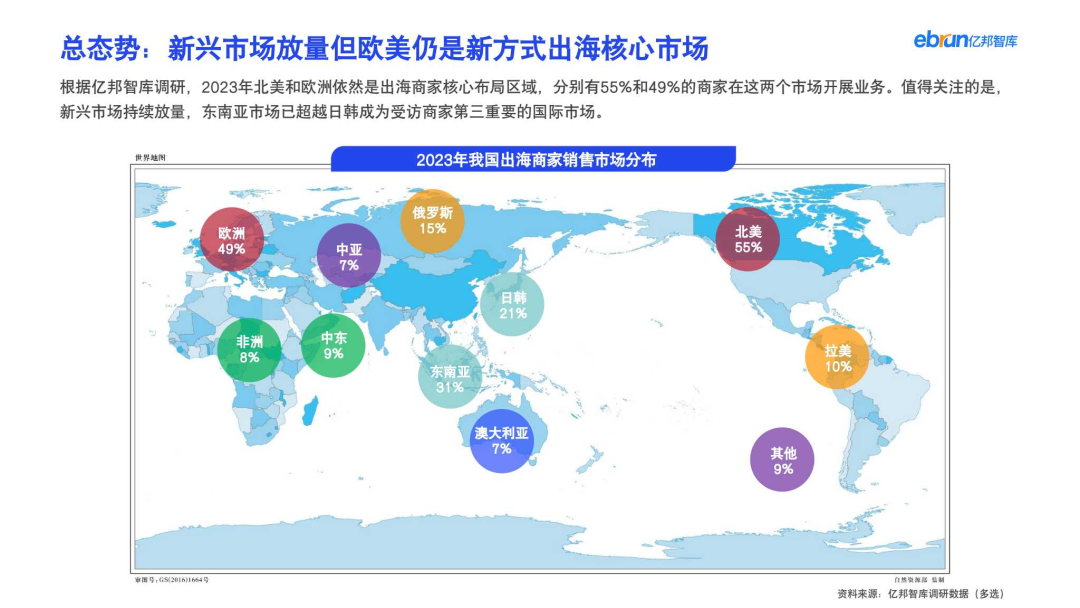
This shift reflects a change in market distribution and a strategic shift in thinking.
Companies are no longer relying solely on traditional US and European markets, but are actively expanding into emerging markets to mitigate global uncertainties.
The rise of these new markets means Chinese businesses must focus more on localization strategies and globalized supply chain backup to meet the specific demands of each market.
US Market Trends: Balancing Inventory and Imports
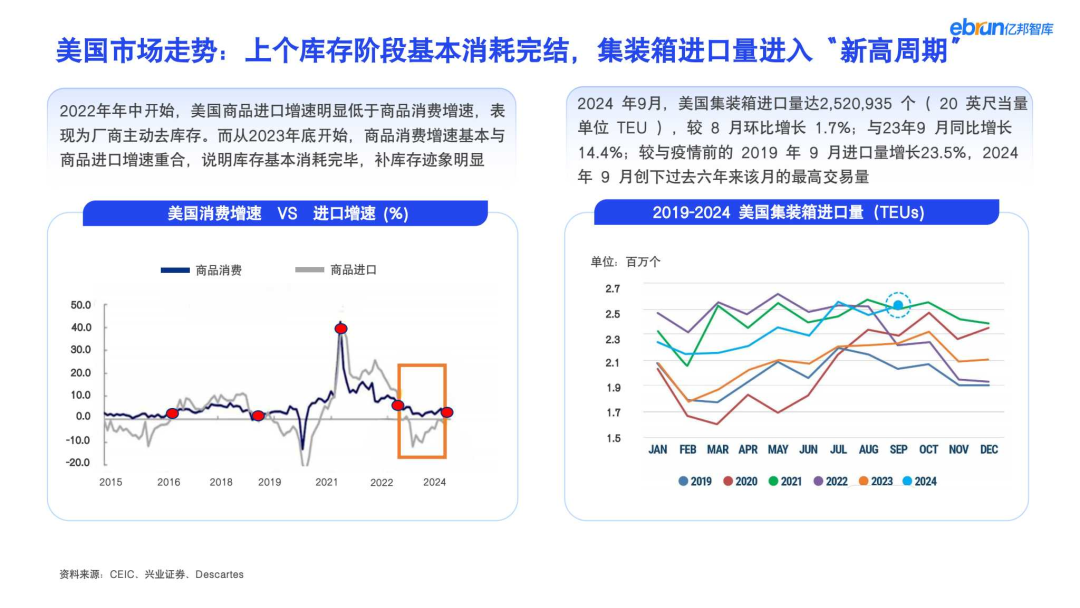
Chinese businesses must become more flexible in adjusting inventory and production strategies to meet the changing dynamics of the US market.
This trend challenges supply chain management and tests market sensitivity. In today's environment, businesses must leverage digital tools and AI to enhance supply chain responsiveness and flexibility.
E-commerce Growth Driving Omnichannel Expansion
Global E-commerce Growth: Channel Potential
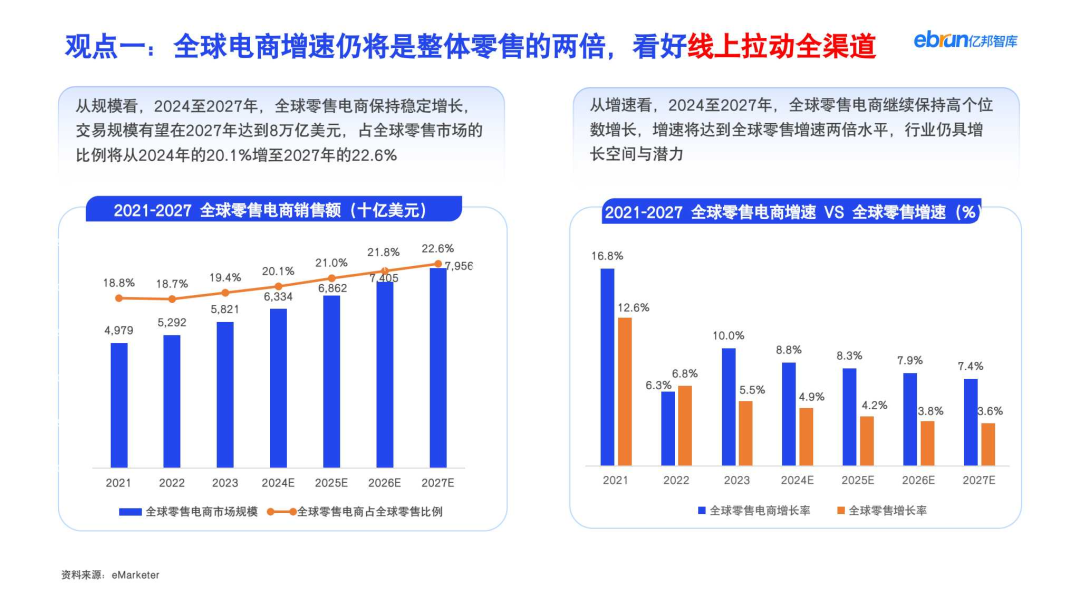
This forecast highlights the immense growth potential of e-commerce. We suggest Chinese businesses continue investing in and innovating within this space for rapid business expansion.
The growth of e-commerce also means that companies should focus on online marketing and user data analysis to enhance brand influence and market share.
Omnichannel Expansion: Integration and Penetration
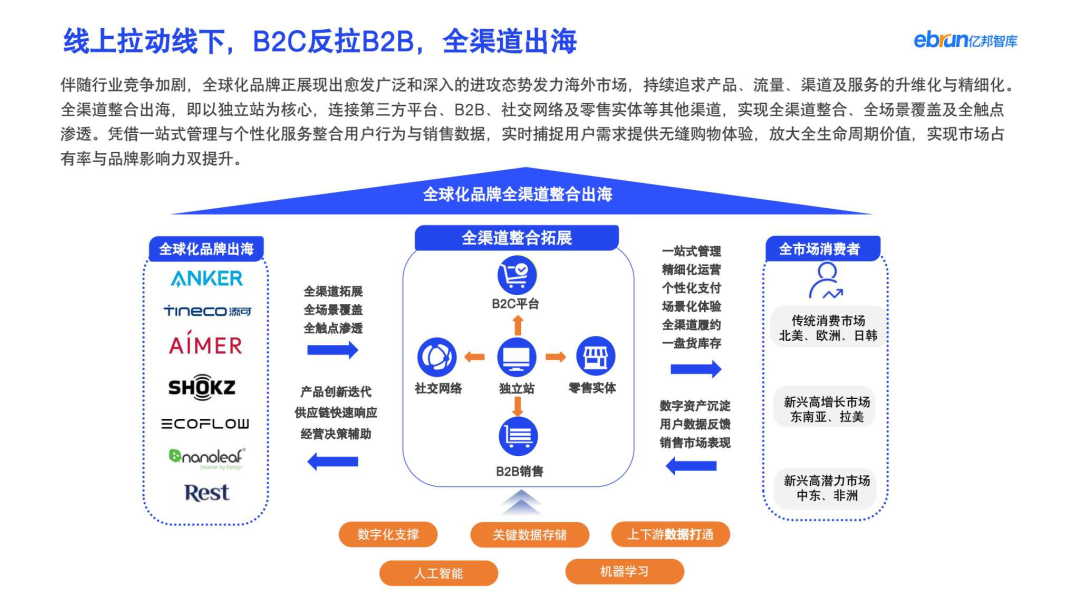
Omnichannel expansion is a strategy to adapt to market changes and improve customer experience and brand loyalty.
Chinese businesses should integrate online and offline channels to provide a seamless shopping experience and consistent brand messaging.
This requires strong capabilities in supply chain management, user data collection, analysis, and multi-channel marketing.
Anker Case: Multi-Category, Multi-Brand Strategy
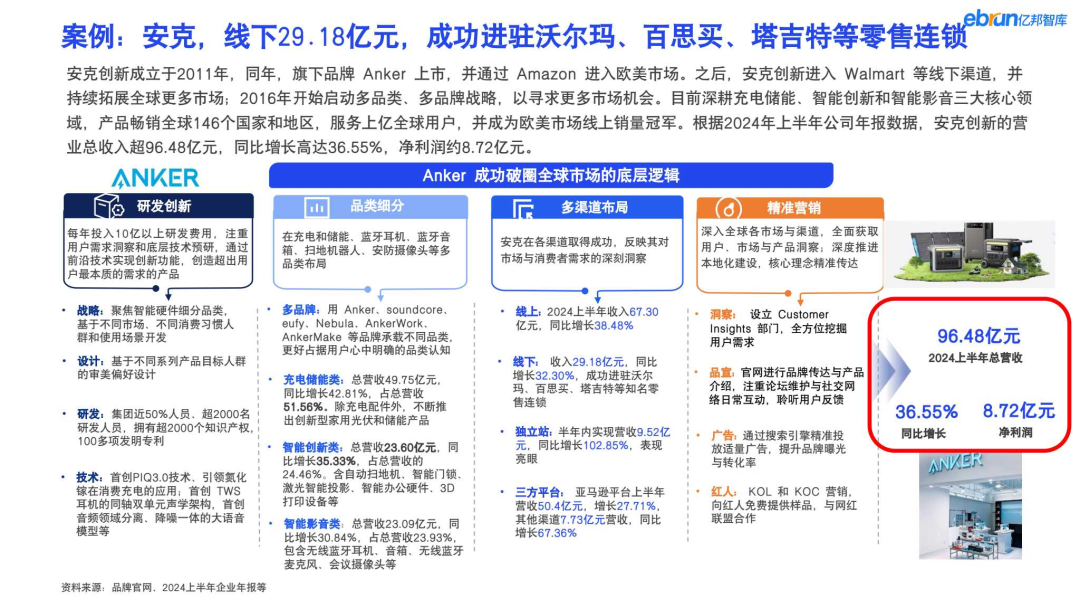
Anker's success lies in its deep understanding of the market and its precise grasp of consumer needs.
Chinese businesses can learn from Anker's approach to brand globalization through innovation and differentiation strategies.
Its multi-category and multi-brand strategy shows that companies should be forward-thinking and flexible in product innovation, brand building, and market expansion.
New Stage and Trends: Modern Multinationals
New Stage: Branding, Ecosystem and Digitalization
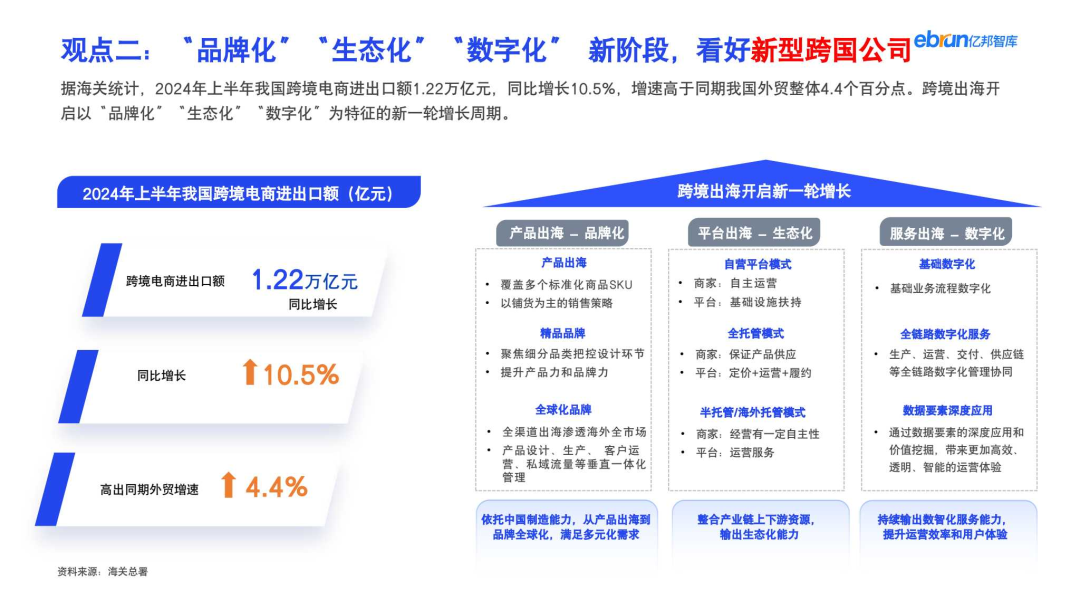
This trend shows that Chinese businesses are enhancing their global competitiveness through digital transformation and supply chain optimization.
Branding and ecosystem development are not only ways to increase market share but also key to boosting brand influence.
Businesses must innovate in branding, ecosystem cooperation, and digital applications to meet new global market trends.
Five Overseas Paths: A Diversified Strategy
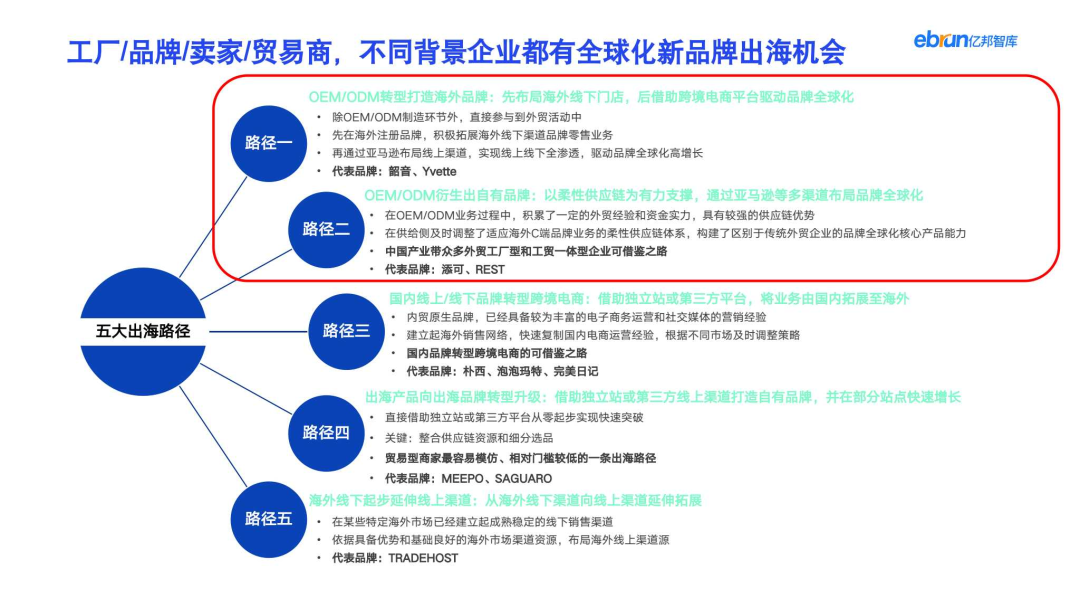
These five paths offer diversified strategies for companies. They should choose the best approach based on their resources and strengths.
A diversified globalization strategy requires businesses to be comprehensive in market analysis, resource allocation, and strategic execution.
OEM to Brand: Category Innovation and Omnichannel
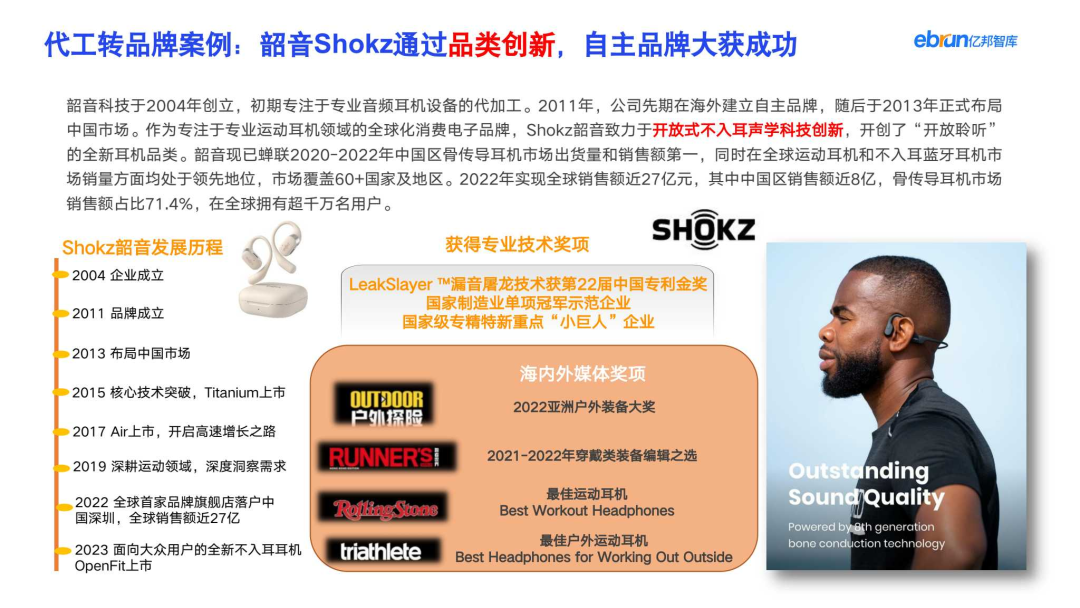
These cases show the importance of category innovation and omnichannel strategies, providing valuable insights for Chinese businesses.
Their success shows that businesses need to be innovative and adaptable in product development, channel management, and user experience.
Domestic Factories Turning to Foreign Trade
Supply Chain Opportunities: Adapting to Change
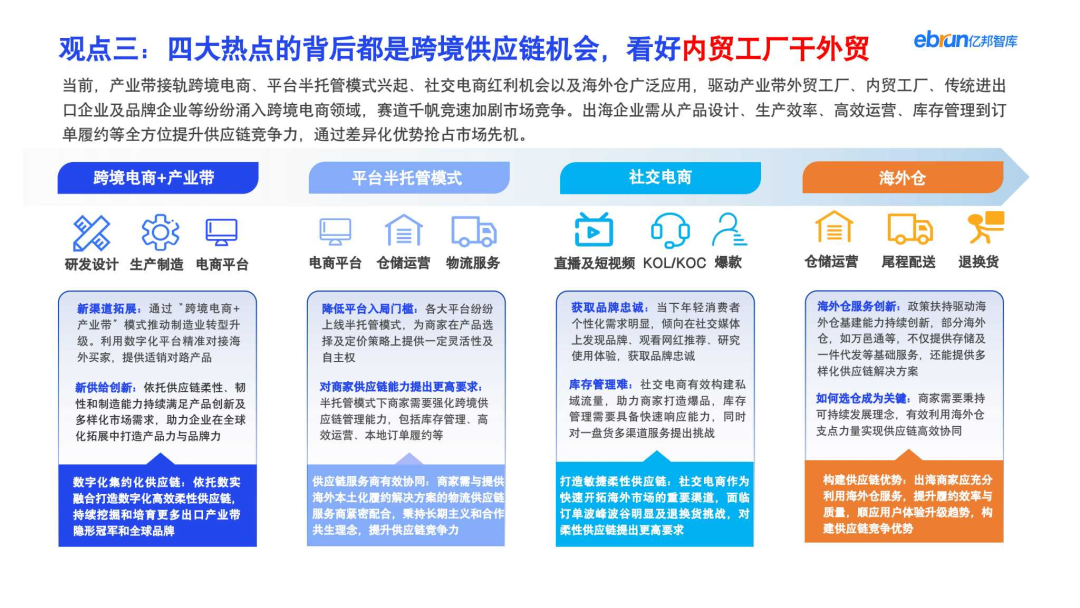
Optimizing supply chains is crucial for improving operational efficiency, customer satisfaction, and brand loyalty.
However, supply chain optimization requires strong capabilities in supply chain management, technological innovation, and user experience.
Domestic to International: Digital Platform Matching
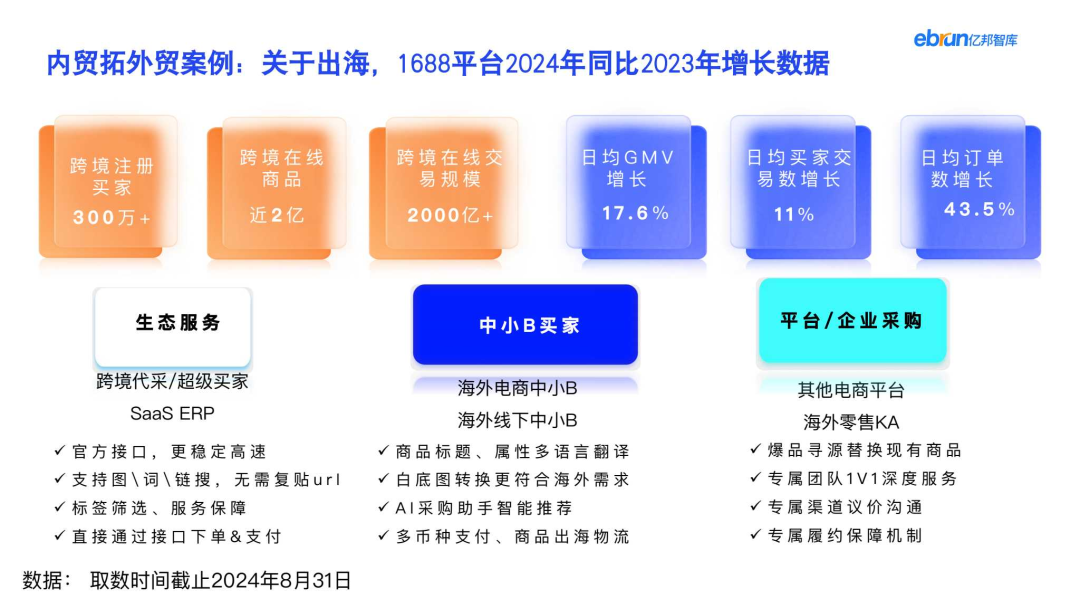
This case shows that digital transformation and platform-based operations are essential for Chinese businesses expanding globally.
Domestic manufacturers can precisely connect with overseas buyers and offer tailored products to effectively enter international markets by using digital platforms.
Six Models Converging: Cross-Border B2B Export
Cross-Border B2B and Industrial Goods: A Diversified Approach
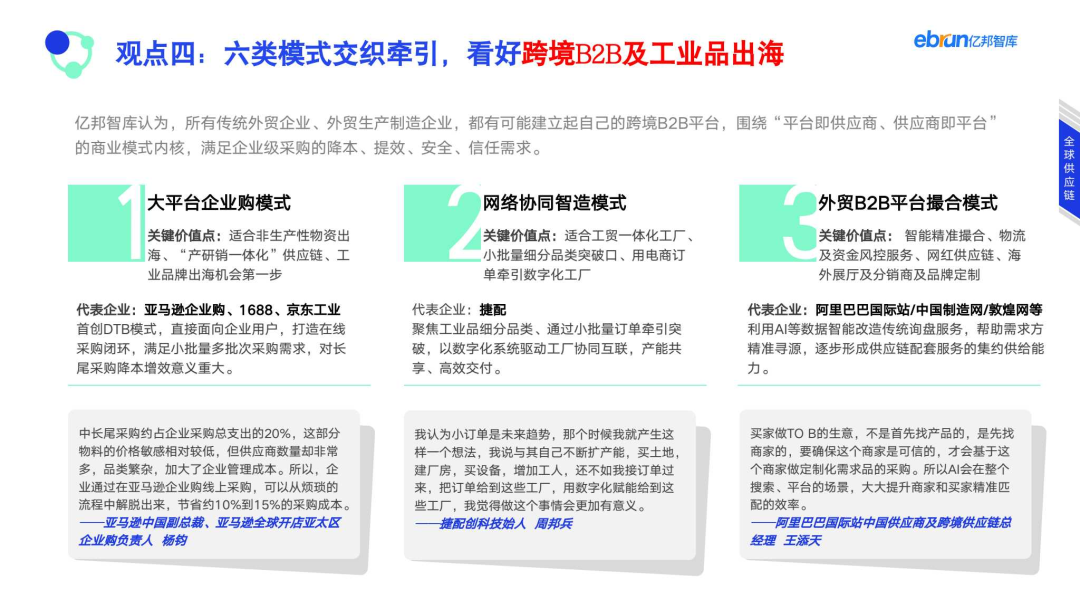
This trend indicates that Chinese businesses are expanding globally and building their brands through diverse strategies and models.

.png)
.png)