Sourcing products from China for Amazon FBA involves choosing a product, verifying suppliers, approving samples, controlling production, and preparing inventory for delivery to Amazon.
This guide walks through that process for US sellers, with practical checkpoints before you commit money. Treat each stage as a decision gate: approve the product, supplier, quality, and shipping arrangements separately rather than trusting one attractive quote.
How do you start sourcing from China for Amazon FBA?
Start with product research and a written specification, not a bulk order. Define what you want to sell, who will buy it, and what makes your version worth choosing. Then estimate selling costs using Amazon’s Revenue Calculator before requesting comparable supplier quotes; its results are estimates, not guaranteed profits.
For your initial research, use this checklist:
- Demand: Review competing listings, price ranges, and customer feedback. Treat sales estimates as directional rather than guaranteed orders.
- Differentiation: Look for a specific improvement, such as clearer instructions, stronger components, or more useful sizing.
- Operational fit: Consider storage space, breakage, returns, and the preparation your product will need.
- Compliance: Investigate applicable safety rules and Amazon eligibility before paying for customization.
For Amazon eligibility, review category and product requirements in Seller Central before committing inventory. Products can have additional inventory, packaging, and preparation requirements beyond basic enrollment in FBA.
For a first order, favor a product whose construction and inspection criteria you can understand. Avoid selecting something solely because a supplier describes it as a bestseller.
Build your cost model before supplier selection
For FBA product sourcing, separate the supplier’s price from the total cost of getting sellable inventory into Amazon. Build a worksheet covering product cost, packaging, samples, testing, inspections, freight, insurance, customs charges, preparation, and domestic delivery. Ask vendors to identify exclusions rather than assuming a shipping quote covers everything.
Next, model selling expenses separately. Amazon’s calculator lets you define a product using dimensions, weight, category, and price, then compare estimated fulfillment costs. Use final packaged measurements when available and update the calculation after approving packaging.
Stress-test your assumptions: lower the expected selling price, increase freight, and allow for unsellable units. Set a maximum purchase quantity that leaves room in your budget for corrections, advertising, and replenishment.
Find suppliers and verify their capabilities
Use sourcing platforms such as Alibaba to build a shortlist, but investigate the business behind each listing. Alibaba’s Verified Supplier program provides third-party assessment reports covering capabilities and processes; Alibaba also states that these assessments do not guarantee product or certificate authenticity. Read the report rather than relying on the badge alone.
Make supplier selection a structured comparison. Send each candidate the same specification and ask:
- Are you the manufacturer, a trading company, or a business using subcontractors?
- What materials, dimensions, tolerances, and customization options does this quote include?
- What are the minimum order quantity, sample terms, and production schedule?
- Can you provide relevant test reports for the exact product and materials?
- Will you accept independent inspections and written defect remedies?
Request a live walkthrough when practical, and compare answers against assessment reports and sample results. Favor clear, consistent responses over pressure to pay quickly. Alibaba’s sourcing guidance recommends combining supplier checks with samples, detailed orders, and production monitoring rather than relying on a single signal.
What should you check in product samples?
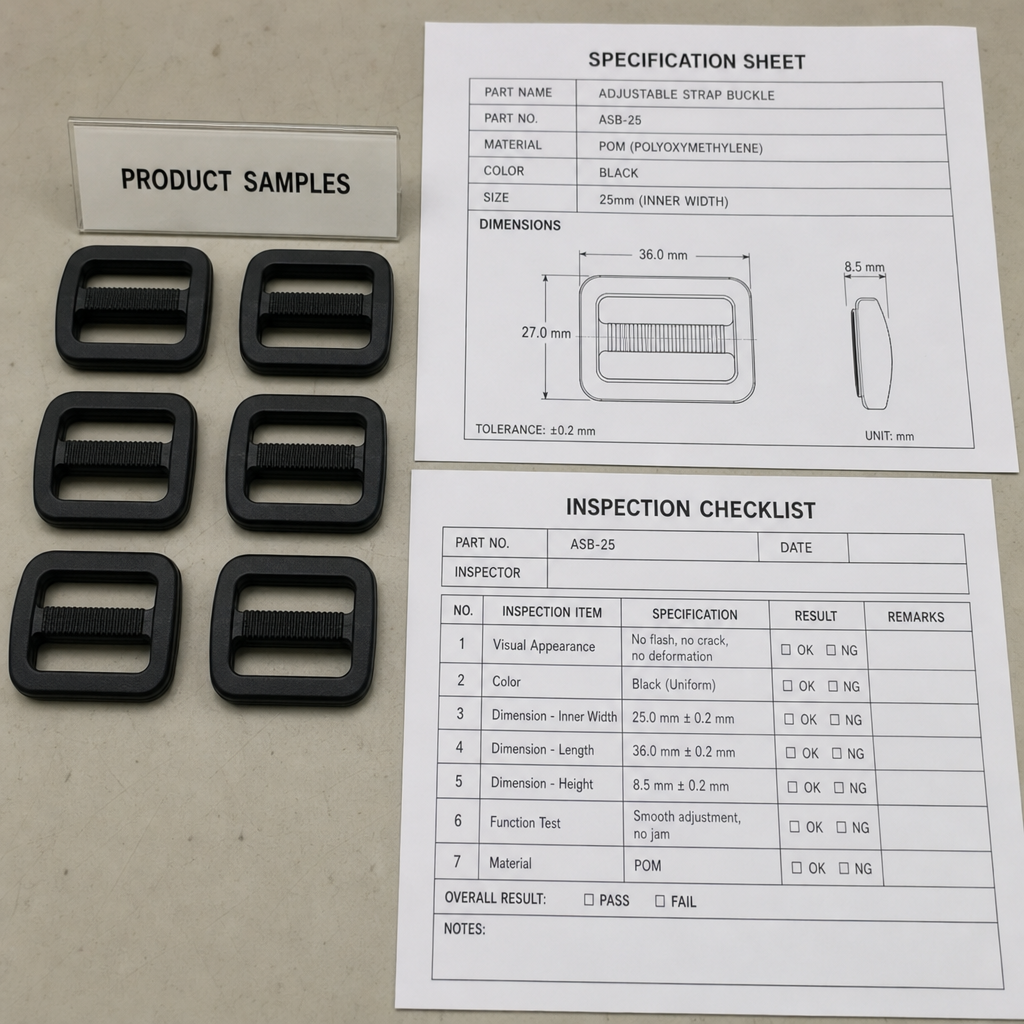
Check samples against the same written requirements you intend to use for production: materials, dimensions, appearance, functionality, accessories, and packaging. Request the proposed customized version when possible, not just a stock item. Alibaba recommends defining sample expectations before placing a full order.
Create an evaluation sheet so your comparison stays consistent. For a storage organizer, for example, check whether the compartments fit their intended contents, edges feel finished, and assembly instructions make sense. Photograph shortcomings and ask the supplier to confirm corrections in writing.
Once satisfied, retain an approved reference sample and identify its specifications in the purchase order. Ask the supplier and inspector to use that reference alongside measurable requirements. Do not let “same as sample” replace details about material, size, finish, and acceptable defects.
Put manufacturing and payment terms in writing
Before manufacturing begins, document quantities, specifications, approved artwork, packaging, production milestones, inspection arrangements, and remedies for nonconforming goods. State who pays for rework and reinspection. Alibaba recommends detailed purchase orders and clear quality and delivery terms for protected transactions.
Negotiate payment milestones that give you an opportunity to review production and inspection evidence before releasing the remaining balance. Avoid treating informal chat promises as the complete agreement. Attach the approved specification and confirm that the supplier has accepted it.
If using Alibaba Trade Assurance, keep the order, payment, and relevant communications within its required process. Coverage depends on the eligible order and its documented terms; it is not a substitute for due diligence or precise acceptance criteria.
Plan quality inspections and compliance separately
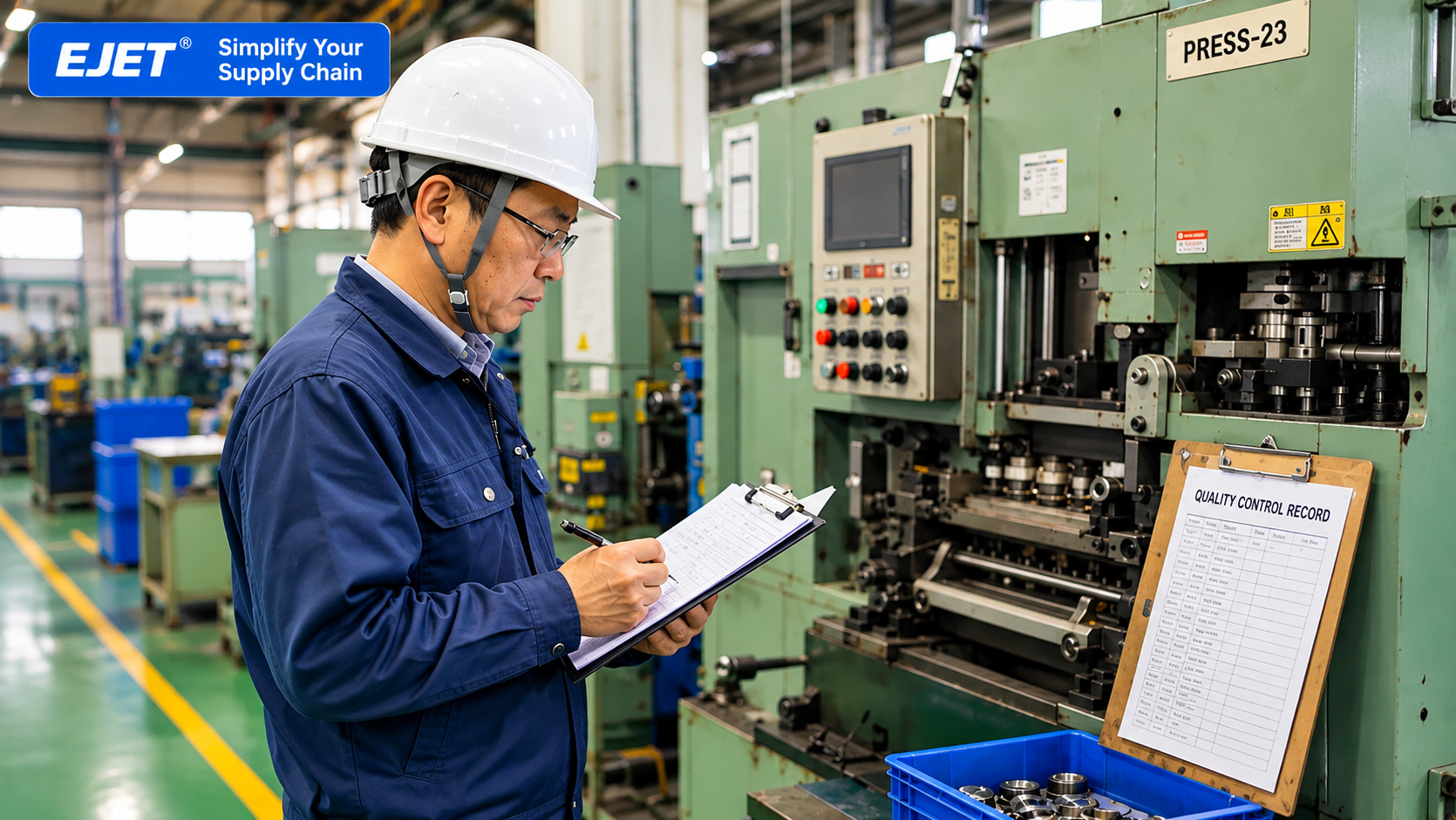
Arrange quality inspections around the risks you need checked. An independent pre-shipment inspection can assess quantity, appearance, basic functionality, labeling, and packaging against your order. Give the inspector a product-specific checklist rather than requesting a vague “quality check.”
For example, ask for measurements, functional checks, photographs, carton counts, and verification that accessories are included. Agree on the sampling approach, defect classifications, and rejection criteria before production. If the shipment fails, require corrective action and verification before authorizing dispatch.
Do not confuse a visual inspection with regulatory testing. For applicable general-use consumer products manufactured overseas, the US importer must issue the required General Certificate of Conformity. CPSC also states that electronic filing requirements began July 8, 2026, for most regulated consumer-product imports; confirm whether your shipment falls within scope.
Complete FBA preparation before dispatch
Make FBA preparation part of the purchase specification, not a last-minute warehouse task. Amazon ended US FBA prep and item-labeling services for shipments created from January 1, 2026. Arrange preparation with your supplier, a specialist provider, or your own facility before inventory reaches Amazon.
Confirm these details against current Seller Central requirements:
- Unit packaging: Protect the item and keep components or bundles together.
- Product labeling: Match each barcode to the correct SKU and variation.
- Barcode eligibility: Confirm whether manufacturer barcodes or Amazon barcodes apply.
- Shipment packaging: Check carton contents and apply shipment-specific labels correctly.
Amazon’s barcode requirements changed March 31, 2026: resellers must use Amazon barcodes, while eligible brand owners can continue using manufacturer barcodes. Verify the rules for your inventory before approving printed packaging.
Request photos of finished units and cartons, then have the inspector check label placement and readability. Amazon warns that inadequate preparation can result in refused, returned, or repackaged inventory at the seller’s expense.
Coordinate freight and US import clearance
For freight coordination, request itemized quotes using confirmed carton dimensions, weights, quantities, pickup locati0n, and destination. Ask each provider to identify the transport method, delivery terms, included services, and exclusions. Compare the complete route rather than the headline shipping price.
When importing from China, work with a customs broker to confirm classification, applicable duties, documentation, and country-of-origin marking. Do not accept an assumed tariff rate without checking the exact product. CBP emphasizes that the importer of record remains responsible for entry accuracy and applicable duties, taxes, and fees even when using a broker.
Assign an owner to every handoff: factory release, pickup, clearance, preparation, and Amazon delivery. Ask who will resolve missing paperwork or damaged cartons. Consider a prep-center stop if you need a final check before forwarding inventory.
Make the first shipment a controlled test
The most useful Amazon sourcing tips are about repeatable controls: research first, compare equivalent quotes, approve samples, document requirements, and verify finished goods. Apply that discipline to China product sourcing before increasing order size.
For your first Amazon FBA sourcing project, choose a quantity you can afford to evaluate carefully. Record actual landed costs, inspection findings, receiving discrepancies, and customer feedback. Use those results to revise specifications and replenishment plans—then scale a process you have tested, not merely a supplier’s promise.
Frequently Asked Questions Avout Sourcing Products from China for Amazon FBA
What are the initial steps to take when sourcing products from China for Amazon FBA?
Begin with thorough product research, define your target market, and establish your product specifications. It is crucial to calculate estimated selling costs before reaching out to suppliers.
How can I ensure the quality of products before placing a large order?
Request samples from suppliers and check them against your written specifications. Conduct quality inspections to confirm that the products meet your requirements before full production.
What should I include in my cost model when sourcing products?
Include product costs, packaging, sample costs, testing, inspections, freight charges, customs fees, and delivery to Amazon. Understanding the total cost is essential for making informed decisions.
How do I select the right suppliers for my Amazon FBA products?
Use sourcing platforms like Alibaba to find potential suppliers, but verify their capabilities through reports and assessments. Ensure that suppliers can meet your specifications and compliance requirements.
What are the essential components of FBA preparation?
Ensure that your products are packaged and labeled according to Amazon's requirements. It is important to arrange FBA preparation before dispatch to avoid delays and complications with your inventory at Amazon's fulfillment centers.