Finding reliable suppliers in China starts with checking the business behind the listing, testing its products, and controlling how you pay. Use the process below to move from supplier discovery to a small, inspected order rather than committing on the strength of a sales pitch.
Treat verification as a sequence of checks, not a single badge or document. The U.S. International Trade Administration recommends due diligence to help protect against business losses and liability.
Where should you look for reliable China suppliers?
Start with supplier discovery channels that let you gather evidence: business-to-business marketplaces, industry exhibitions, referrals, and direct manufacturer searches.
Build a shortlist rather than choosing the first attractive listing, then apply the same verification process to every candidate. Alibaba’s own sourcing guidance pairs supplier discovery with detailed purchase orders, samples, and inspection services—not simply browsing and paying.
Use each channel for a specific purpose:
- Marketplaces and a supplier directory: Find candidates and collect company details, product ranges, and available assessment reports. Read the underlying reports rather than relying only on profile badges.
- Trade shows: Prepare technical questions and arrange follow-up verification. Treat an impressive booth as an introduction, not approval.
- Industry referrals: Ask what the buyer actually ordered, when, and how problems were handled. Verify the supplier independently afterward.
- Direct outreach: Send a clear product brief and ask which production processes happen at the proposed manufacturing site.
For directory-based searches, third-party assessment reports can provide useful starting evidence. SGS’s verification program, for example, examines authenticity, business capacity, production capacity, and quality management. Check which entity and site any report actually covers.
Before contacting wholesale suppliers or China manufacturers, prepare one sourcing brief covering materials, dimensions, quantity, packaging, customization, and intended market. Ask every candidate to answer against that same brief. This gives you a consistent basis for evaluating responses instead of comparing unrelated offers.
Verify the legal business before discussing deposits
Request copies of business licenses and the supplier’s exact Chinese legal name, registration identifier, and registered address. Cross-check the details through China’s National Enterprise Credit Information Publicity System, or use an independent provider if access or language makes checking difficult. The system’s records include business-license information such as the company name, registration code, address, and business scope.
Create a verification file containing the registry record, quotation, invoice, proposed agreement, and payment instructions. Flag differences in names or addresses for explanation before proceeding.
Ask the supplier to identify which company manufactures, which sells, and which receives payment; do not accept an unexplained substitute beneficiary. Alibaba’s safety guidance specifically warns about suspicious payment requests, including payments directed to a country different from the company’s registered country.
For factory verification, ask for evidence of the actual production operation, not just registration paperwork. SGS treats legal authenticity and production capacity as separate verification areas, which is a useful distinction for buyers: an existing company still needs to demonstrate that it can perform your work.
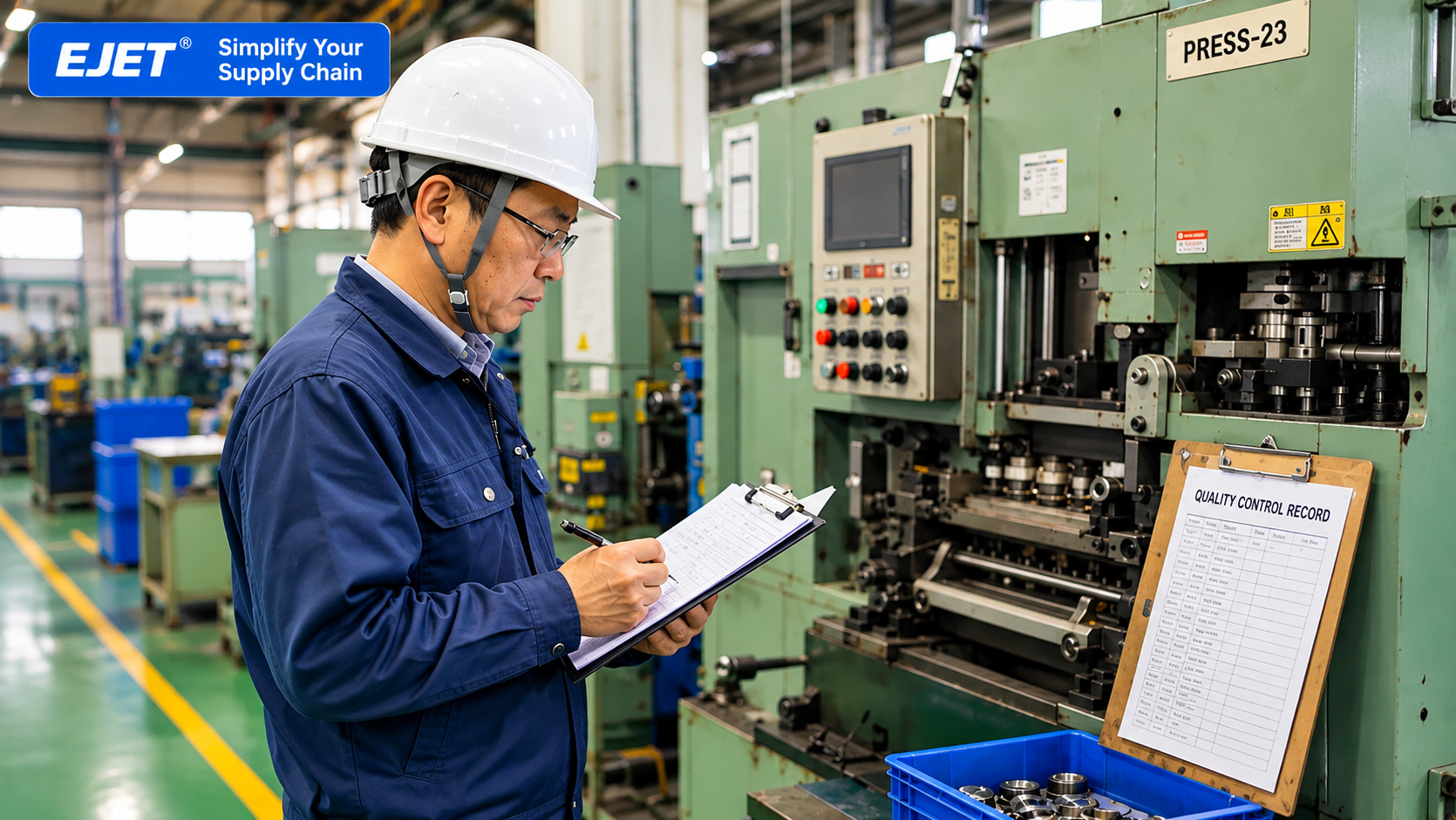
Use a live video walkthrough as an initial screening step. Ask to see the entrance, relevant machinery, production areas, and quality-control station, then record unanswered questions for an independent visit. Do not make the video your final approval criterion.
Use supplier audits to check manufacturing capability
Arrange supplier audits when the order involves substantial exposure, unfamiliar production processes, or quality requirements you cannot evaluate remotely. Define the audit scope around your product rather than requesting a generic factory overview. On-site verification can examine production capacity, quality-control systems, business authenticity, and certifications.
Give the auditor specific questions to investigate:
- Which processes will this site perform, and which will be subcontracted?
- What equipment and inspection procedures support the proposed specification?
- How are incoming materials identified and checked?
- How are defective products separated, recorded, and corrected?
- What evidence supports the promised production schedule?
Request a dated report with findings, photographs, and unresolved issues. Use it to decide what must change before an order, rather than treating completion of the visit as approval. Keep factory assessment separate from shipment inspection: Alibaba’s inspection service checks order-specific matters including quantity, conformity, workmanship, and functionality.
Request samples and turn approval into a specification
Make requesting samples a condition of advancing a shortlisted supplier. Alibaba recommends reviewing a sample before placing the full order and documenting detailed order requirements. Use that stage to establish what acceptable goods should look like and do.
Prepare a sample checklist before the parcel arrives. Record dimensions, materials, finish, assembly, function, packaging, and labeling against your brief. For example, if you are buying storage containers, check lid fit and stacking stability—not just color and appearance.
Photograph the evaluation, record failures, and request corrections in writing. Keep an approved reference sample and attach its specifications to the order. Replace vague phrases such as “premium quality” with observable requirements: the specified material, agreed dimensions, approved finish, and defined packaging. Alibaba’s sourcing guidance recommends including product specifications and supporting attachments in the protected order so they can inform dispute review. (alibaba-na.com)
Compare quotations on the same basis
When comparing quotations, require every candidate to price the same specification, quantity, packaging, and delivery arrangement. Ask suppliers to identify exclusions instead of assuming their unit prices cover identical obligations. Written purchase orders should detail the order and shipping arrangements.
Use a comparison sheet with these fields:
|
Comparison point |
What to request |
|---|---|
|
Product specification |
Material, dimensions, components, and finish |
|
Order quantity |
Minimum quantity and prices at your planned volume |
|
Setup costs |
Tooling, artwork, sample, and customization charges |
|
Packaging |
Individual packs, cartons, labels, and protection |
|
Delivery |
Named delivery term, locati0n, and included transport |
|
Quality control |
Inspection arrangements and defect-resolution proposal |
Ask the supplier with an unusually low quote to explain the difference line by line. Do not assume it proves fraud, but do not ignore it either: Alibaba advises buyers to be cautious of suspiciously low prices.
What payment precautions reduce your exposure?
Verify the recipient independently, document the order precisely, and use payment protection whose conditions you understand. Never approve changed bank details solely because they appear in an existing email conversation. The FBI recommends verifying payment requests and account changes through a separate, trusted contact method.
Negotiate payment milestones before ordering. Propose linking the production balance to a satisfactory independent inspection, and state how failed goods will be corrected and reinspected. Avoid approving a large advance simply because the supplier creates urgency; unexplained pressure and last-minute wire changes are recognized fraud warning signs.
If using Alibaba Trade Assurance, create the eligible order and follow the platform’s designated payment process. Put measurable specifications, quantities, deadlines, and inspection arrangements into the order, and review the applicable protection and dispute terms before paying. Do not assume an unrelated transfer receives the same protection.
Apply these checks even to established contacts. Criminals can compromise genuine email threads and impersonate familiar vendors; a previous successful order does not authenticate new bank instructions.
Keep sourcing agents accountable and start small
If you hire sourcing agents, define their role in writing: discovery, translation, negotiation, factory visits, inspection coordination, or shipping support. Ask how they are paid, whether suppliers compensate them, and which reports and factory identities you will receive. Request an itemized proposal so you can approve each task separately. Keep authority to approve suppliers, specifications, and payments yourself.
For the first production order, choose a manageable quantity and arrange inspection against the written specification. Review the report before authorizing the next agreed payment milestone. Order-specific inspections can check quantity, appearance, labeling, packing, workmanship, and basic functionality.
Maintain a supplier scorecard after delivery: record specification failures, missed commitments, communication problems, and corrective actions. Use those records when deciding whether to reorder or increase volume. Build your own list of trusted vendors from documented performance rather than promises.
Make evidence the basis of trust
Use a simple buying rule: do not increase your commitment until the previous check is complete. Verify identity, evaluate capability, approve samples, compare like-for-like quotations, and agree inspection and payment terms. No checklist promises a scam-free purchase, but a staged process gives you clear reasons to proceed—or walk away.
Frequently Asked Questions About Finding Reliable Suppliers in China
What are the best channels for discovering reliable suppliers in China?
Common channels include business-to-business marketplaces, industry exhibitions, referrals, and direct manufacturer searches. Each channel serves a specific purpose, helping you gather evidence and build a shortlist for verification.
How can I verify the legitimacy of a supplier's business?
Request copies of business licenses, the supplier’s legal name, registration identifier, and address. Cross-check this information through China's National Enterprise Credit Information Publicity System or use an independent provider for verification.
Why is it important to request samples before placing a large order?
Requesting samples allows you to assess product quality and establish clear specifications. It’s crucial to identify acceptable goods before committing to a full order to avoid issues later on.
What precautions should I take when making payments to suppliers?
Verify the recipient independently, document the order precisely, and use payment protections. Avoid approving payment changes via email; always confirm through a separate, trusted contact method.
What role do sourcing agents play in the sourcing process, and how can I hold them accountable?
Sourcing agents can help with discovery, translation, negotiation, inspections, and more. It’s important to define their role in writing, understand their compensation, and request an itemized proposal, keeping authority over approvals yourself.