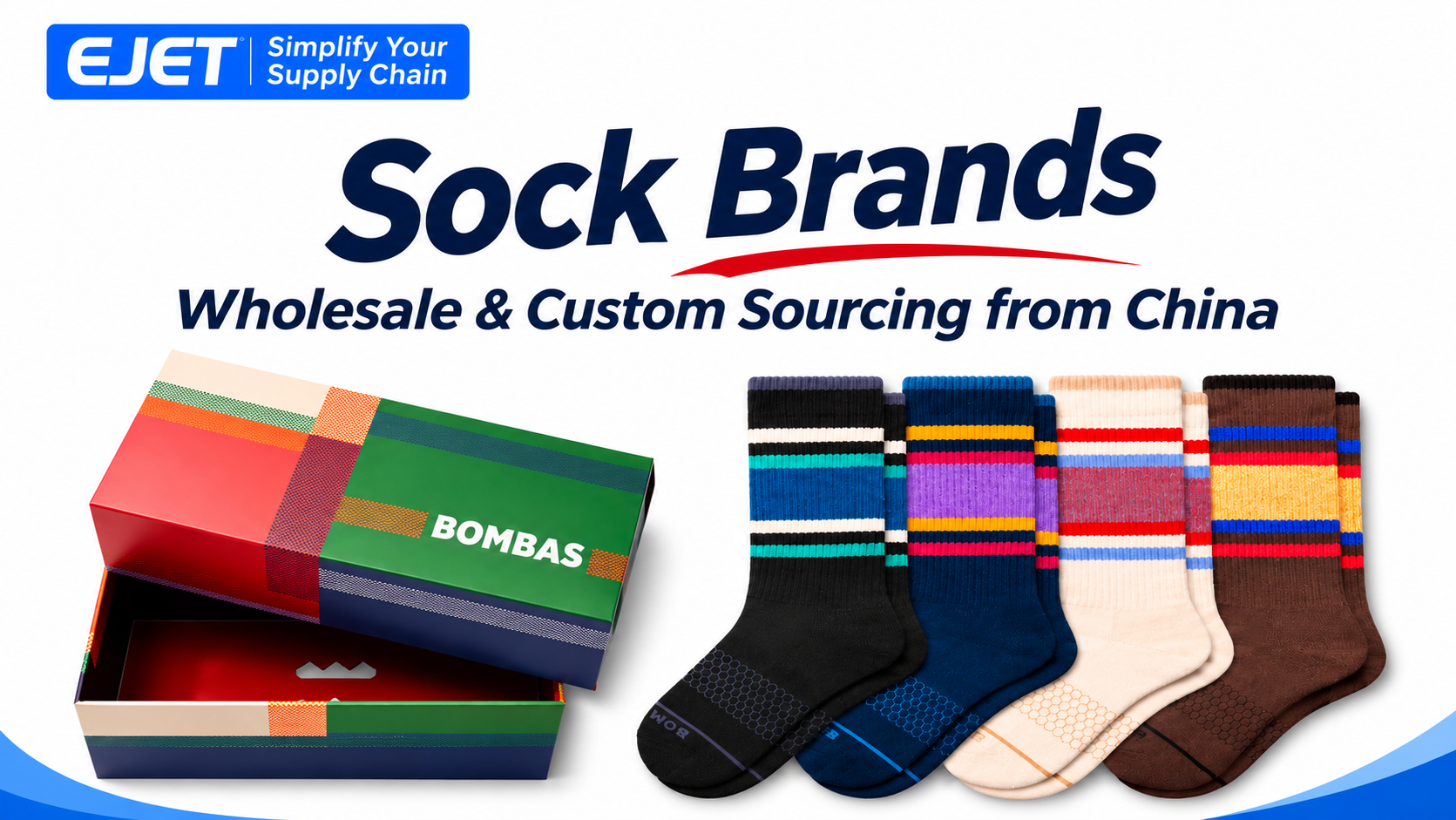
The top 15 sock brands and manufacturers worth comparing span athletic specialists, everyday essentials, and luxury makers—not one universal winner.
This selection covers Nike, Adidas, Feetures, Balega, Swiftwick, Smartwool, Darn Tough, Wigwam, Bombas, Stance, Uniqlo, FALKE, Pantherella, Corgi, and zkano.
Use it to narrow your options by activity, footwear, and manufacturing priorities rather than buying on name recognition alone.
What are the best sock brands for your needs?
The best sock brands for you are the ones whose specific products match your shoes, activities, and preferred fit. Start by separating everyday purchases from specialist needs: a cushioned training sock, a low-bulk running sock, and a refined dress sock serve different purposes.
For example, Nike emphasizes workout cushioning in its Everyday Plus range, while Pantherella offers dress styles with its signature seamless toe.
This is an editorial shortlist based on manufacturers’ published product information, not a laboratory-tested ranking or a market-share league table. The numbering organizes the selection; it does not suggest that the first brand beats every brand below it.
For a quick starting point, compare these groups:
- General training: Nike and Adidas offer athletic collections across multiple sock heights.
- Running-focused fit: Feetures, Balega, and Swiftwick describe distinct approaches to shaping, cushioning, and support.
- Outdoor versatility: Smartwool, Darn Tough, and Wigwam provide options worth investigating for active use.
- Dress and luxury: FALKE, Pantherella, and Corgi offer collections centered on refined yarns, styling, or craftsmanship.
15 sock brands and manufacturers to compare
1. Nike
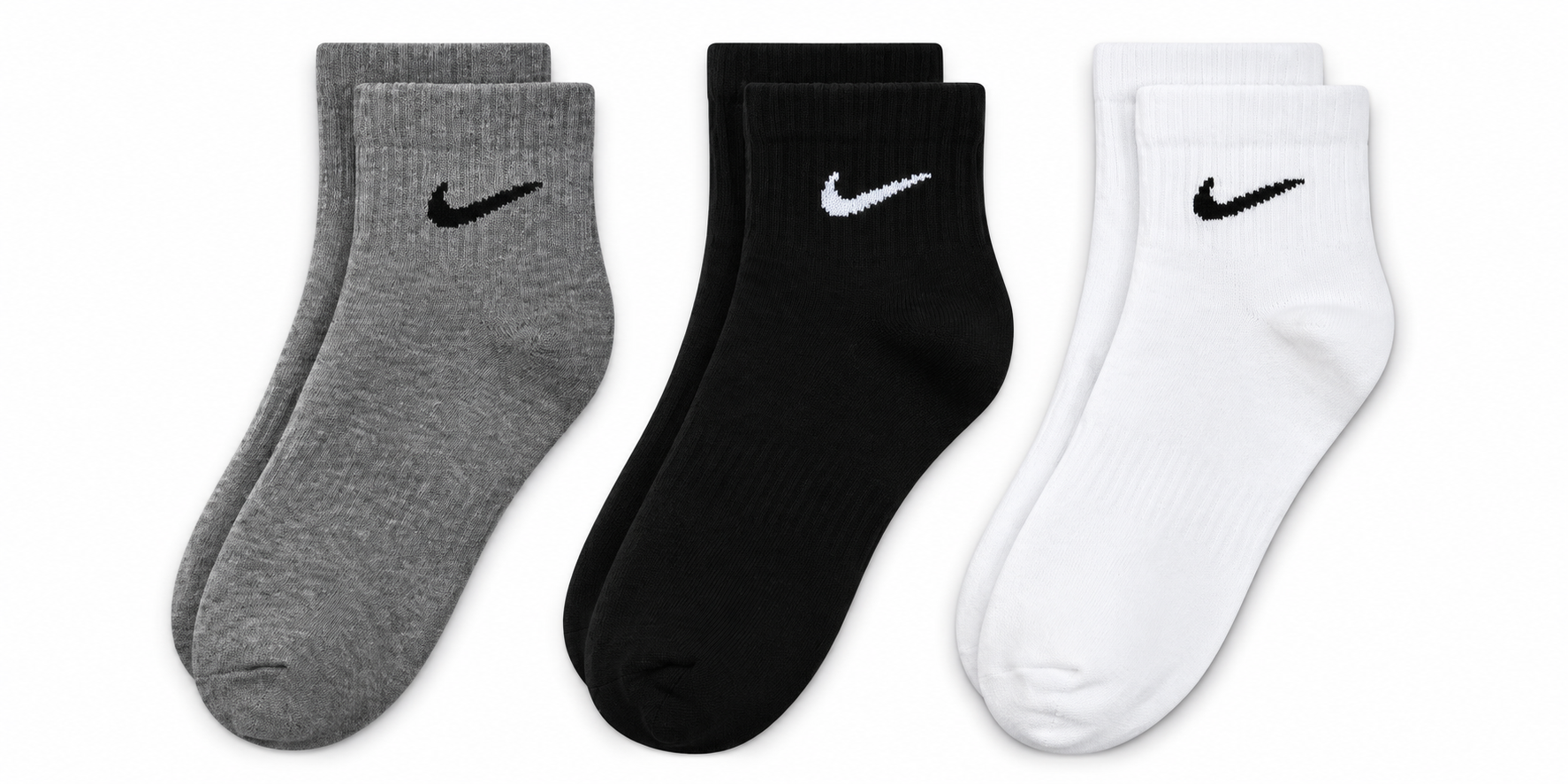
Nike is a practical starting point when comparing top training sock brands. Its Everyday Plus Cushioned training socks feature padding beneath the heel and forefoot, a supportive arch band, ventilation, and Dri-FIT technology designed to help manage sweat.
The range also includes different heights, so you can compare coverage without leaving the collection.
Consider this range for a straightforward gym rotation. Before buying a multipack, check the exact product name and fabric label rather than assuming every Nike sock has the same construction.
2. Adidas
Adidas belongs on a shortlist of top sports sock brands for shoppers comparing everyday athletic styles with sport-specific coverage. Its athletic collection includes cushioned crew, quarter, and low-cut options, alongside over-the-calf soccer styles. That breadth gives you several starting points within one brand.
Choose the activity first, then the height. Compare a training multipack with other training socks—not with a soccer sock simply because both carry the same logo. Check the individual listing for cushioning and fit details before committing.
3. Feetures
Feetures is worth investigating when precise fit matters more to you than a familiar sportswear logo. Its Elite collection combines targeted compression with an anatomical left-and-right design, while the High Performance collection uses supportive arch bands without left-and-right-specific construction. The brand also offers different cushioning levels.
That distinction gives you a useful buying decision: choose whether you want dedicated left and right socks before comparing colors. Try one pair in your regular running shoes and assess the fit before expanding your rotation.
4. Balega
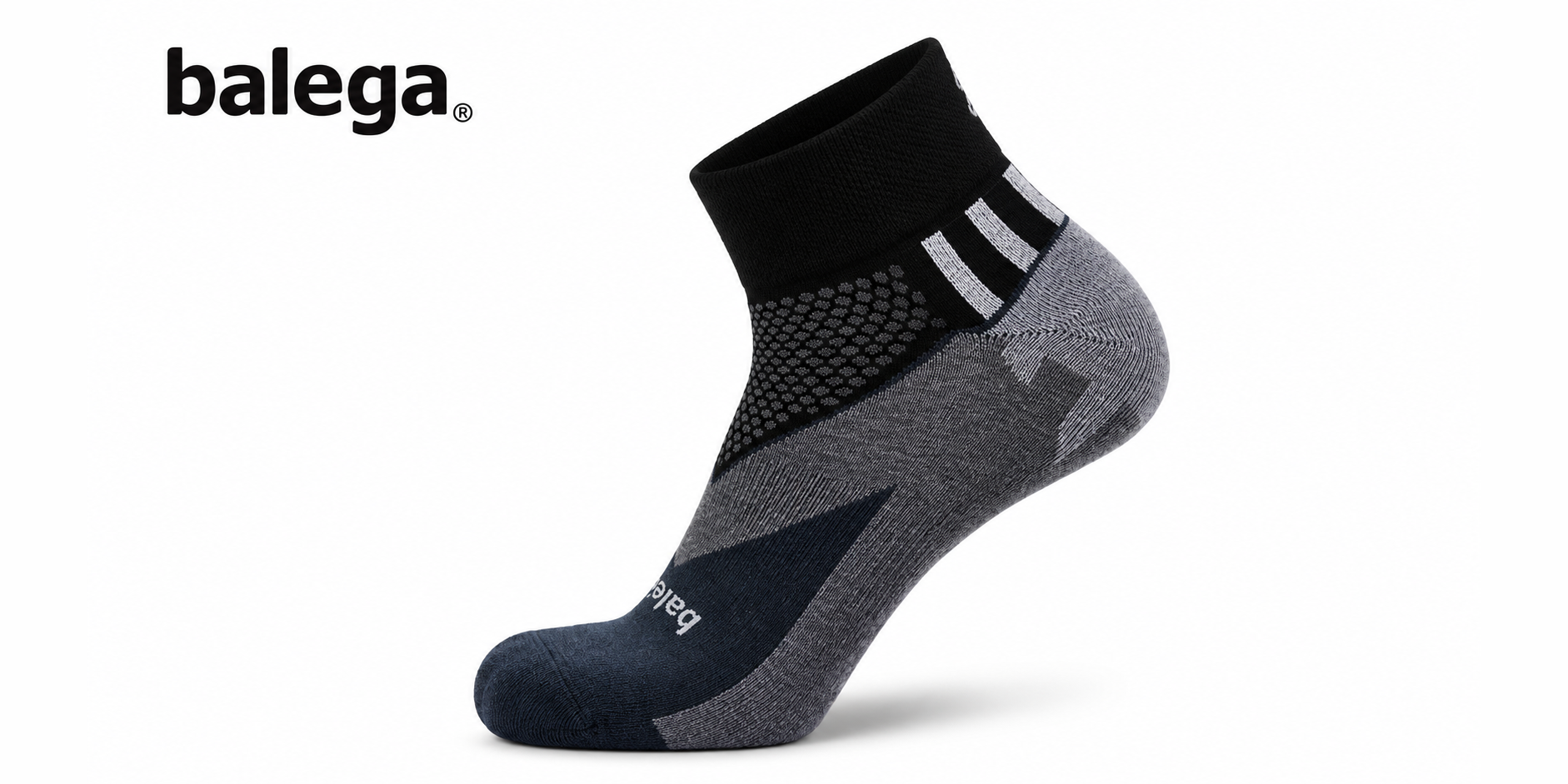
Balega’s Hidden Comfort is a sensible model to examine if you prefer a cushioned running sock. The published construction includes full-length cushioning, moisture-wicking Drynamix yarn, ventilation panels, a deep heel pocket, and a high heel tab intended to help the sock stay positioned.
Use it as a reference point when comparing plushness with a thinner alternative. Try both inside the same shoes, paying attention to space around your toes and heel rather than judging softness only by handling the fabric.
5. Swiftwick
Swiftwick offers a contrasting starting point for shoppers who prefer a thin, close-fitting sock. Its Aspire collection is described as ultralight, with firm compression, breathable support, and moisture-wicking fibers. The collection is positioned for activities including running and cycling.
Consider Aspire when a heavily padded sock is not what you want. Treat “firm compression” as a fit characteristic to assess personally; do not assume that the tightest-feeling option will automatically be your most comfortable choice for a long session.
6. Smartwool
Smartwool makes cushioning a particularly useful comparison tool. Its published guide distinguishes Zero Cushion, Targeted Cushion, Light Cushion, and fuller cushioning options across activities. For running, the brand describes targeted padding at the forefoot and heel; its hiking range offers additional cushioning choices.
Start with your footwear rather than choosing the thickest pair available. Smartwool itself cautions that a sock can be too thick for a shoe, so compare cushioning levels with the actual shoes or boots you plan to wear.
7. Darn Tough
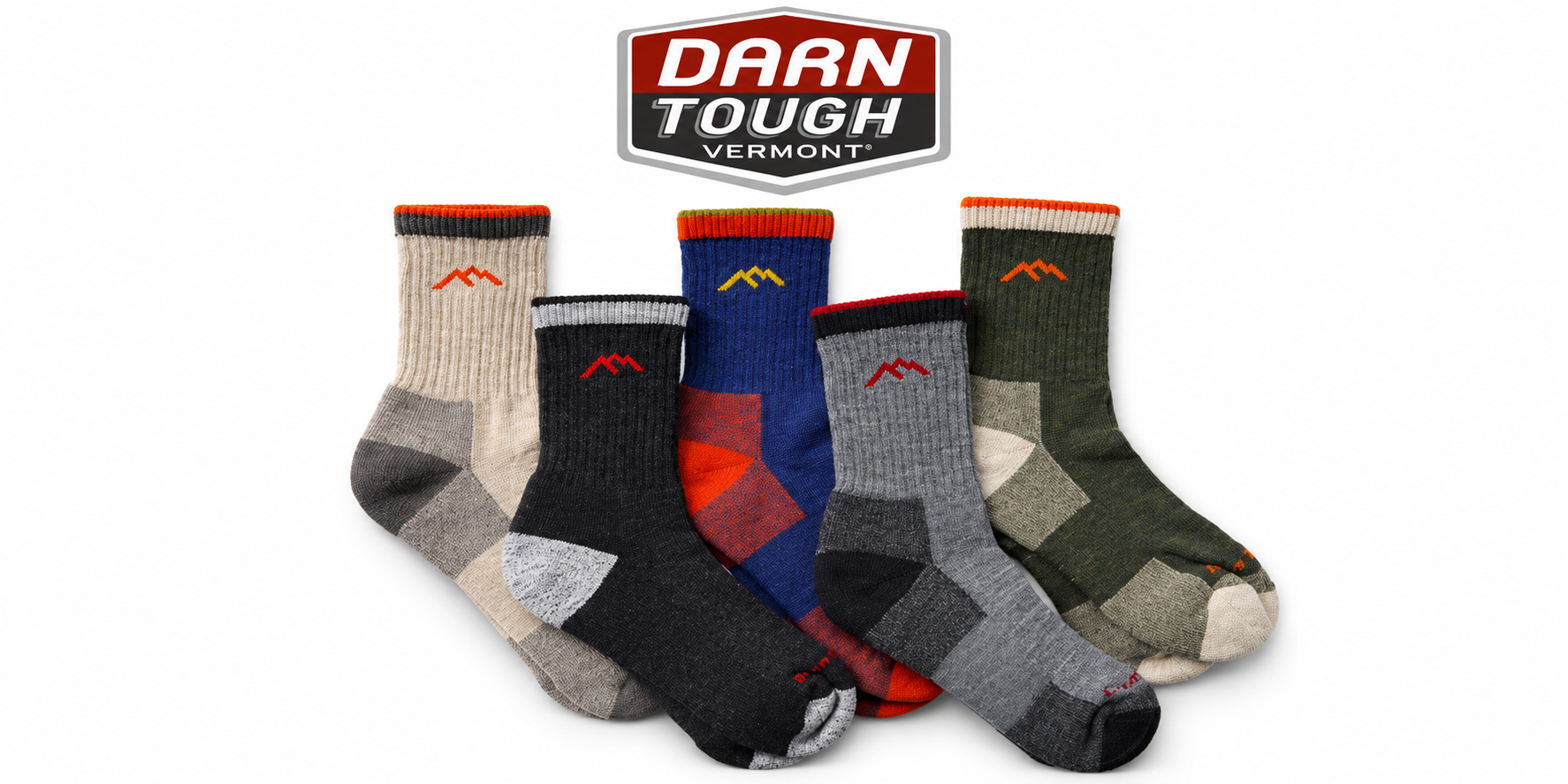
Darn Tough deserves attention from buyers who care about manufacturing transparency. The company states that every pair is designed, knitted, finished, and packaged in Vermont, using yarns sourced from the United States and elsewhere. It also backs its socks with a lifetime guarantee, subject to its published terms.
Keep those two considerations separate: production locati0n explains where the socks are made, while the guarantee explains the available remedy. Review the claim process and exclusions before treating replacement coverage as your main reason to purchase.
8. Wigwam
Wigwam offers a broad starting point for shoppers comparing athletic, hiking, work, snow-sport, and everyday socks. Its website identifies its products as made in the USA and describes technologies including SynchroKnit for targeted support and Ultimax for moisture movement. Those technologies are collection-specific features, not reasons to overlook the individual product description.
Begin in the category that matches your intended use. Then compare height, cushioning, and fabric rather than assuming a work sock and a running sock will feel interchangeable.
9. Bombas
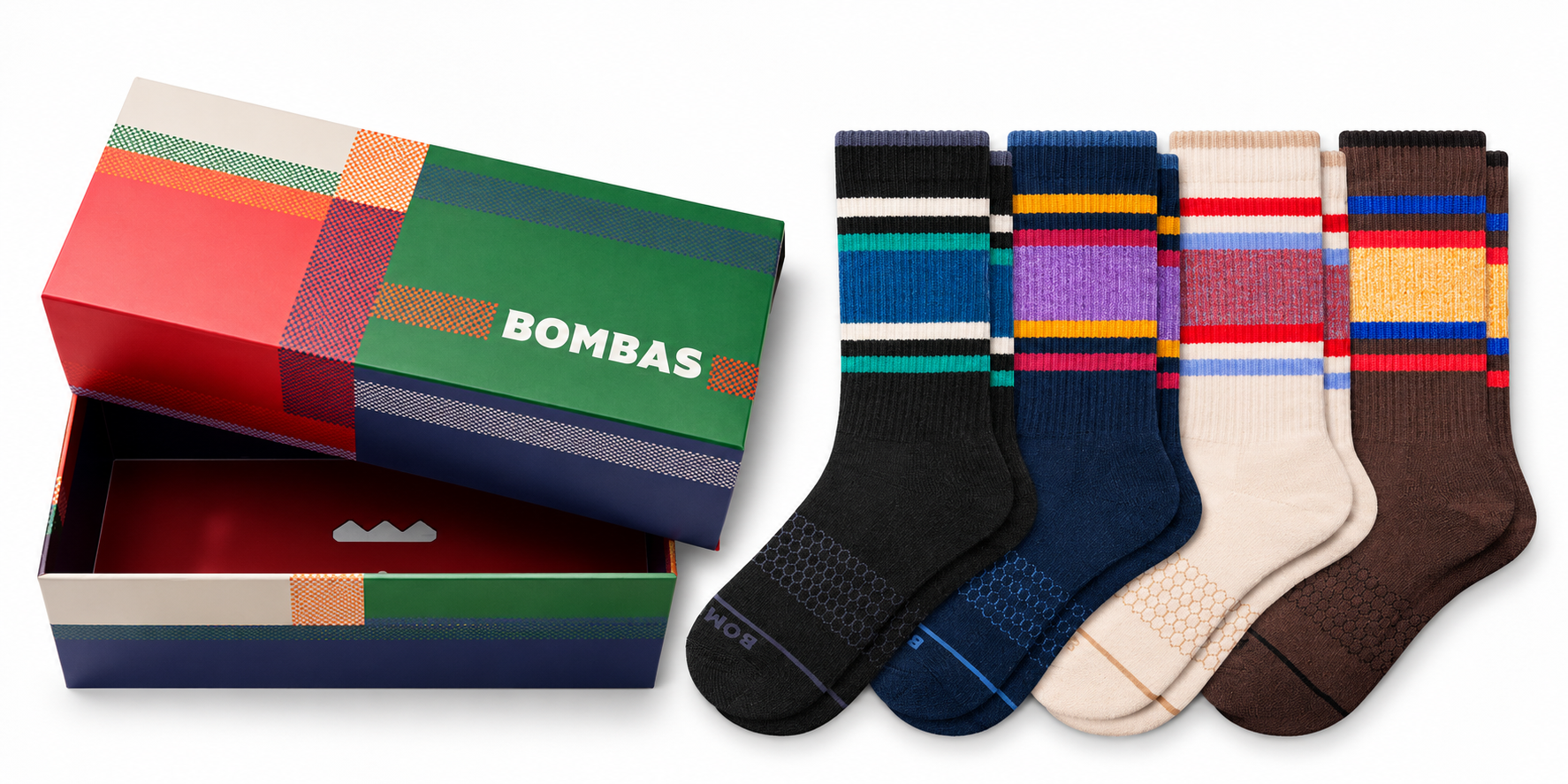
Bombas is useful for shoppers who want to compare several wardrobe needs under one name. Its collections span casual, sport, compression, and dress socks, and the company promotes a one-purchased, one-donated model. Its ankle selection also distinguishes everyday and All Sport options.
Select the category before choosing a bundle. If you are considering popular sock brands for both office days and workouts, evaluate those purchases separately rather than expecting one style to cover every setting equally well.
10. Stance
Stance offers an extensive mix of casual and performance socks, with filters for length, cushioning, and selected sports. That makes it worth exploring when appearance matters alongside intended use. Its catalog separates casual products from performance options, providing a useful distinction before you start comparing designs.
Shop by function first and pattern second. For a workout purchase, confirm that you are viewing the relevant performance category; for a casual pair, focus on the height and cushioning you actually enjoy wearing.
11. Uniqlo
Uniqlo’s Colorful 50 Socks provide a straightforward option for building an everyday rotation. The product description emphasizes a simple rib-knit appearance, a broad color selection, regular fit, and fabric intended for daily wear. This is an everyday wardrobe proposition rather than a specialist running-sock pitch.
Use the range to coordinate socks with your existing clothes instead of buying disconnected colors. Start with a pair in a shade you wear frequently, then judge the fit and laundering results before purchasing several more.
12. FALKE
FALKE is worth comparing when researching top dress sock brands and more refined everyday options. Its men’s wool collection includes Airport styles, knee-high versions, and fine merino-and-silk options. That variety lets you explore different yarn combinations and coverage within a dress-oriented search.
Choose an exact style rather than buying on the brand name alone. Check its composition, length, sizing, and care instructions, then try it with the intended shoes. A useful dress-sock purchase should work with your wardrobe and routine.
13. Pantherella
Pantherella is another relevant name among luxury sock brands, particularly for shoppers interested in dress socks. Its men’s collection includes solid colors, stripes, no-show styles, and cashmere options, with the brand highlighting its signature seamless toe construction.
Compare an understated pair for regular workwear with a more distinctive style for occasional use. If manufacturing origin is important to your purchase, check the current product information or ask the company directly rather than relying on historical descriptions of the brand.
14. Corgi
Corgi combines a luxury positioning with explicit information about its production. The company says it makes its products in-house at its Welsh factory and works with natural yarns including wool, cotton, and cashmere. Its collection includes both everyday sock styles and more substantial options.
Consider Corgi when craftsmanship and manufacturing locati0n are central to your shortlist. Still compare individual products carefully: select the yarn, weight, and care requirements that suit the recipient or your own wardrobe, not simply the most luxurious-sounding description.
15. zkano
zkano is worth investigating if your priorities include organic cotton and identifiable US production. The company states that it manufactures organic cotton socks in small batches at its family mill in Fort Payne, Alabama. Its collection serves women, men, and children.
Use that information as the starting point for a more detailed product check. Read the full fiber composition, size guidance, and care label before choosing a pair. If a particular certification matters to you, request confirmation instead of inferring it from broad environmental language.
How should you choose between these sock brands?
Choose between these sock brands by testing the exact product against your main use, footwear, and fit preferences—not by treating a brand’s entire catalog as identical. The differences are concrete: Feetures distinguishes anatomical and non-anatomical collections, while Smartwool separates cushioning levels by activity.
Use this checklist to make the comparison manageable:
- Define one primary use. Write down running, gym sessions, office wear, hiking, or casual wear before browsing.
- Choose your comparison criteria. Pick the features you care about most, such as low bulk, cushioning, coverage, yarn composition, or production locati0n.
- Read the exact listing. Record the model name and size rather than comparing two brands in the abstract.
- Try a small purchase first. Wear the pair with its intended shoes before committing to a large bundle.
- Reassess after laundering. Follow the care label, then decide whether the fit and feel justify another purchase.
For example, compare Balega Hidden Comfort with Swiftwick Aspire if you want to explore cushioned versus ultralight constructions. Compare FALKE, Pantherella, and Corgi by specific yarn and style if your priority is dresswear. These are useful starting comparisons, not claims that the products are interchangeable.
Separate brand shopping from manufacturer sourcing
If you need a supplier for your own sock label, use this article as background—not as a verified private-label manufacturer directory. Darn Tough, Corgi, and zkano explicitly describe their own production, but those statements alone do not establish that they accept outside manufacturing orders.
For commercial sourcing, ask prospective suppliers about minimum quantities, samples, fiber specifications, size tolerances, packaging, lead times, and quality checks. Request written confirmation of production locati0n and any required certifications. Keep these questions separate from consumer-facing reputation: you need evidence relevant to your proposed order.
Make your shortlist specific
The strongest purchase is not necessarily the most recognizable name or the most expensive pair. Narrow this selection to two or three products for one clear purpose, compare their published details, and test a small purchase. Build your sock drawer around what works in your shoes and routine—not around a ranking alone.
Frequently Asked Questions About Sock Brands
What should I consider when choosing sock brands?
When selecting sock brands, consider your primary use (e.g., running, hiking, office wear), the specific features that matter most to you (such as cushioning, fit, material, and production locati0n), and compare individual products instead of relying solely on brand reputation.
Are luxury socks worth the investment?
Luxury socks often offer superior materials, craftsmanship, and comfort. If you prioritize quality and enjoy wearing refined styles, investing in luxury sock brands may enhance your comfort and overall experience.
What types of socks are best for running?
Look for running socks that provide targeted cushioning, moisture-wicking properties, and a snug fit. Brands like Feetures, Balega, and Swiftwick are known for their quality running socks.
How do I care for my socks to ensure longevity?
To prolong the life of your socks, follow the care instructions on the label. Typically, this includes washing them in cold water, avoiding bleach, and air drying rather than using a dryer.
Do different sock heights matter for comfort and performance?
Yes, different sock heights can impact comfort and performance. For example, crew and over-the-calf socks provide more coverage and warmth, while ankle socks are ideal for a low-profile feel. Choose based on the type of shoes you wear and the activities you'll be doing.