







Finding private label manufacturers in China for your brand starts with a clear product brief, followed by supplier research, verification, samples, and written production requirements.
The goal is not simply to find someone who can add your logo; it is to identify a partner capable of meeting your specifications consistently.
This article explains how to move from an initial search to an evidence-based manufacturer selection and a controlled first order.
How do you find private label manufacturers in China?
Find potential manufacturers through supplier platforms, trade exhibition directories, and relevant sourcing referrals, then evaluate them against the same product brief.
Verify each shortlisted business, confirm its production capabilities, compare equivalent quotations, and approve representative samples before committing to production.
Canada's Trade Commissioner Service recommends treating internet research as preliminary discovery rather than proof that a supplier is suitable.
Use a staged process instead of collecting quotations indefinitely:
- Define the product: Document materials, dimensions, performance, branding, packaging, and destination market.
- Build a candidate list: Search for suppliers specializing in the product or manufacturing process you need.
- Screen for fit: Check order quantities, customization capabilities, export experience, and communication.
- Verify the shortlist: Review business identity, production arrangements, and supporting documentation.
- Validate the offer: Compare samples, complete necessary testing, and agree on inspection requirements.
- Place a controlled first order: Set approval milestones and resolve problems before scaling.
Keep a sourcing spreadsheet throughout this process. Record what each supplier has demonstrated, what it has only claimed, and which questions remain unanswered. That distinction gives you a practical basis for choosing whom to investigate further.
Private label vs OEM: which arrangement fits your product?
Private label describes selling products under your brand, while OEM generally describes manufacturing to a buyer-provided design or detailed specification.
ODM typically involves a supplier's existing design or design capability. These arrangements can overlap, so establish the actual scope of design, customization, and production rather than relying on terminology alone.
For your sourcing brief, distinguish between these starting points:
|
Starting point |
What to clarify with the supplier |
|---|---|
|
Existing product with your branding |
Available materials, logo options, packaging, and rights to sell the design |
|
Existing product with modifications |
Feasible changes, development charges, validation work, and ownership of modifications |
|
Your own product design |
Engineering responsibilities, drawings, tooling, testing, and manufacturing controls |
Choose the simplest arrangement that can deliver your intended customer benefit. For example, if your proposed distinction is a thoughtfully assembled organizer kit, start by investigating existing components and custom packaging. If the benefit depends on a unique mechanism, investigate engineering and production capability before discussing logos.
Ask suppliers to separate standard features from proposed development work. Require them to identify anything that needs further feasibility review. You want a clear boundary between an available product and an unproven proposal.
Build a product brief before contacting suppliers
Prepare one version-controlled document that every candidate receives. Include drawings or reference images where useful, but explain exactly what they illustrate. The Trade Commissioner Service specifically recommends preparing requirements, drawings, and specifications before researching suppliers.
Your brief should include:
- Customer and use case: Who will use the product, where, and under what conditions.
- Physical requirements: Materials, dimensions, finishes, components, and acceptable tolerances.
- Performance expectations: What the product must do and how you propose to evaluate it.
- Branding requirements: Logo placement, colors, printing areas, and artwork availability.
- Packaging needs: Individual packaging, inserts, bundles, and shipping carton requirements.
- Commercial assumptions: Trial quantity, expected reorder pattern, budget boundaries, and destination.
- Evidence requested: Sample options, relevant reports, production details, and inspection cooperation.
Separate requirements into essentials and preferences. If a particular closure is essential to usability, say so; if the box color is flexible, make that explicit. Ask suppliers to flag deviations rather than silently quote their nearest standard product.
Keep your initial scope manageable. Requesting numerous colors, sizes, and packaging versions makes it harder to establish a clean baseline. First determine whether one configuration meets your needs, then assess which variations justify additional development and inventory commitments.
Use several sourcing channels with a clear purpose
Use each channel to generate candidates and gather evidence, not to bypass verification. Online platforms and exhibitions are recognized starting points for sourcing research, while intermediaries offer another sourcing model.
Choose the combination that matches your team's category knowledge, availability, and ability to manage the process.
Supplier platforms and targeted searches
Alibaba.com provides supplier discovery and third-party assessment information through its Verified Supplier program. Review the underlying assessment report rather than treating the badge as a product guarantee; Alibaba explicitly disclaims guaranteeing the authenticity of supplier products or certificates through these assessments.
Search with specific product and process terms. Instead of only searching “private label products,” try a formulation such as “cotton zip pouch manufacturer custom label.” Use “wholesale private label” when exploring existing products for branded resale, then confirm what customization the quoted offer actually includes.
Look beyond the listing that first attracted you. Ask the company to explain which closely related products it manufactures and which processes it performs itself. Save its replies alongside the original listing so later quotations can be checked against the same description.
Exhibition directories and direct conversations
The Canton Fair's official guidance describes searching for products and exhibitors by keyword. Use directory research to identify relevant businesses and prepare focused questions before arranging conversations. Exhibitions can support face-to-face supplier discussions, but they do not replace due diligence.
Bring the same brief to every meeting. Ask who will manufacture the order, how samples are developed, and which requirements remain unresolved. Record product identifiers immediately so follow-up messages refer to the correct item.
China sourcing agents
Consider China sourcing agents when you need help coordinating supplier research, communication, or local activities. Their capabilities vary, and using an agent does not automatically transfer the underlying commercial and technical risk away from your business.
Before appointing one, request a written service scope, fee structure, commission disclosure, reporting process, and sample deliverable. Establish whether you can communicate with the factory directly. Also clarify who holds supplier records, approved samples, and production documentation if the relationship ends.
How can you verify a Chinese manufacturer before ordering?
Verify a potential manufacturer by checking its legal identity, investigating the proposed production site, reviewing relevant capabilities, and independently validating important documents.
Start with the business license and registration details; then investigate whether the business can perform the work your product requires. Official sourcing guidance recommends both operational due diligence and factory visits where possible.
Ask for the company's registered Chinese name and business license. The EU SME Centre recommends checking that license information matches the business details used in contracts. Where language or record interpretation is difficult, engage a qualified local professional rather than guessing.
Next, investigate the production arrangement. Request the actual manufacturing address and ask which activities are subcontracted. Arrange a live walkthrough or independent factory assessment where appropriate, with attention to the machinery, processes, and quality controls relevant to your product—not simply the size of the building.
For each shortlisted supplier, document answers to these questions:
- Which legal entity will accept the order and issue the invoice?
- Which facility will produce and pack the goods?
- Which operations will be outsourced, and to whom?
- Who approves materials and handles production changes?
- Can your appointed inspector access the goods and relevant records?
- How will production problems be reported and corrected?
Do not automatically reject a trading company. Instead, require transparency about its role, factory access, and responsibility for resolving defects. Compare that arrangement against your needs rather than assuming every intermediary is unsuitable.
Pause if the supplier resists basic identity checks, changes key details without explanation, or will not identify the production site. Ask for discrepancies to be resolved before authorizing the next stage.
Compare quotations, MOQ, and total purchasing cost
Request quotations against the same specification, quantity, packaging configuration, and delivery basis. Ask suppliers to itemize exclusions and assumptions. Your comparison should reveal what you are buying, not merely which quotation has the smallest headline number.
MOQ means minimum order quantity. In your inquiry, ask whether the stated minimum applies to the entire order, each product version, or a particular customization. Do not assume that the quantity shown in a listing covers your exact combination of product, branding, and packaging.
Request separate confirmation for the base product, each color or size, logo customization, printed packaging, and any special component. Ask what changes would make a smaller trial order feasible. Possible proposals to investigate include a standard material, fewer variants, or simpler packaging; obtain a revised written quotation before relying on any concession.
Build a purchasing worksheet that includes:
- Product price at the agreed specification and quantity.
- Samples, development work, tooling, and artwork setup.
- Packaging, inspection, and applicable testing.
- Freight, insurance, brokerage, duties, and destination delivery.
- A planning allowance for unresolved costs and corrective work.
For U.S. imports, confirm classification and applicable import requirements with a customs broker or CBP resources before finalizing your budget. CBP notes that commodity-specific requirements and duty treatment depend on the merchandise involved. Avoid using a supplier's general shipping estimate as your complete import cost calculation.
Use samples as a documented approval process
Order samples to answer specific questions, not simply to obtain something tangible. Distinguish between a catalog sample that demonstrates general capability and a sample representing your final materials, branding, and packaging. A strong sample does not remove the need for quality control during mass production.
Give each sample an identifier and assess competing options with the same checklist. Record dimensions, finish, usability, component fit, branding accuracy, and packaging observations. Photograph problems and describe the required correction precisely rather than replying that the item “feels cheap” or “needs improvement.”
For a hypothetical zip pouch, you might evaluate zipper movement, seam consistency, fabric appearance, logo position, and whether the intended contents fit comfortably. Treat this as a starting checklist, not a substitute for product-specific safety or performance testing.
Before approving a revised sample, ask the supplier to confirm:
- Which materials and processes it represents.
- Whether bulk production will use the same specification.
- Which requested changes remain incomplete.
- Whether the approved configuration changes price or lead time.
- How the reference sample will be identified and retained.
Keep an approved reference for yourself and establish how the factory and inspector will access matching references. QIMA explains that reference samples help inspectors understand the required product appearance and performance. Pair that physical reference with written specifications so neither has to carry the entire approval standard alone.
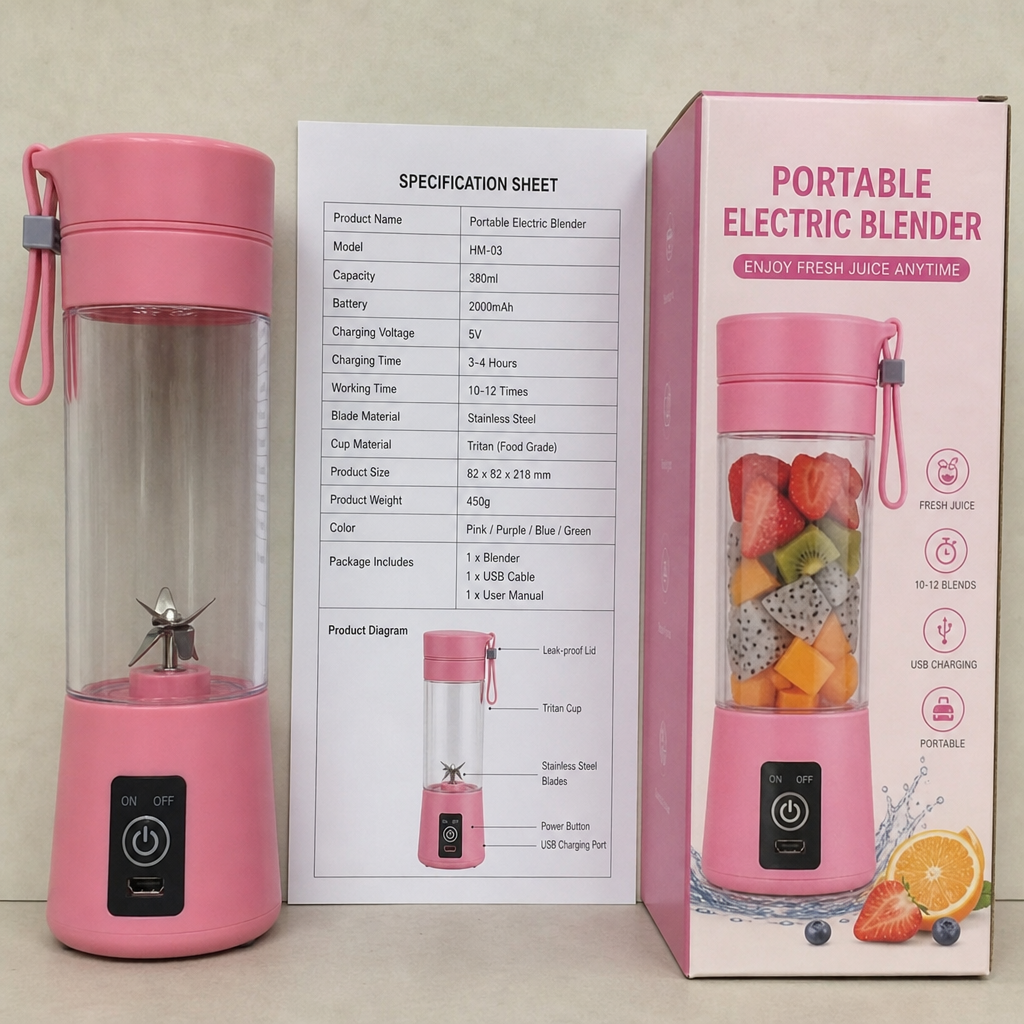
Define branding, packaging, and tooling responsibilities
Specify logo customization as carefully as the product itself. Supply usable artwork, placement dimensions, color references, and an approval requirement. Ask for a physical branded sample where appearance or durability is important, and document what you will check before accepting it.
Develop packaging design around both presentation and handling. Ask for a packaging sample that demonstrates fit, protection, opening experience, and the placement of required information. Review the assembled pack rather than approving artwork in isolation.
If the project involves tooling, ask the supplier to identify every proposed mold, die, fixture, or other production aid. Request separate charges and a clear explanation of whether existing equipment can meet your specification. Do not authorize new development until you understand the proposed deliverable and approval process.
Have qualified counsel address ownership, permitted use, storage, maintenance, access, and transfer arrangements in the relevant agreement. Ask counsel to review confidentiality and intellectual property protections before sharing sensitive designs.
The U.S. International Trade Administration recommends taking proactive steps to protect brands and technology when doing business in China.
Keep ownership questions separate from manufacturing feasibility. You need clarity both on whether the supplier can make the product and on what rights and access your business will retain. Resolve both before paying for development that would be difficult to move elsewhere.
Set measurable quality standards before production
Write quality standards in terms that a factory and inspector can evaluate. Replace “premium finish” with defined appearance criteria, “correct size” with dimensions and tolerances, and “works well” with a relevant functional check. Ask a suitable technical specialist to help establish criteria where your team lacks expertise.
Build inspection requirements around the product's actual risks. QIMA describes production-stage and pre-shipment inspections that assess goods against specifications and checklists, including dimensions, function, appearance, workmanship, and packaging. Arrange the inspection scope and response process before production rather than improvising after goods are complete.
Agree in writing on:
- Which characteristics will be measured or tested.
- How defects will be described and classified.
- Who selects the inspection sample and applicable sampling plan.
- What happens after a failed or inconclusive result.
- Who authorizes rework, reinspection, and shipment release.
Keep production inspection separate from regulatory compliance review. For example, CPSC states that manufacturers or importers of general-use products subject to applicable CPSC-enforced rules must issue a General Certificate of Conformity based on testing or a reasonable testing program.
Determine the obligations for your exact product rather than requesting a generic certificate.
Ask the relevant laboratory or compliance specialist whether supplied reports cover your model, materials, intended use, and destination. Do this early enough to change the specification if necessary. Do not wait until the shipment is packed to investigate essential requirements.
Turn manufacturer selection into launch preparation
Make the final decision from documented evidence. Score shortlisted private label suppliers against product fit, sample results, production transparency, commercial terms, communication, and cooperation with quality controls. Set mandatory pass conditions so a low price cannot compensate for an unresolved identity or product requirement.
For your first order, favor a scope you can evaluate thoroughly. Keep unnecessary variants out of the initial production run, and require written approval for changes. Ask the supplier to confirm the final specification version before production starts.
Use this launch preparation checklist:
- Specification: Final product details and approved revisions are attached to the order.
- Commercial terms: Quantity, price, delivery basis, and payment milestones are documented.
- Brand assets: Logo files, packaging artwork, and sample approvals are controlled.
- Production plan: Material readiness, manufacturing, packing, and inspection milestones are confirmed.
- Quality response: Corrective-action responsibilities and shipment approval authority are assigned.
- Import readiness: Required documents, compliance work, freight arrangements, and receiving plans are checked.
Ask the supplier to distinguish production completion from dispatch and expected arrival. Build your internal launch schedule around confirmed milestones, with room to respond to corrections. Avoid making public delivery promises before the relevant dependencies have been reviewed.
After receipt, compare delivered goods with the approved specification and record recurring issues. Share that feedback before discussing a larger reorder. Use actual results—not just the smoothness of the sales conversation—to decide whether the relationship deserves more volume.
Maintain a change log for repeat orders. Require approval before substitutions, artwork changes, or revised packaging are introduced. Manufacturing in China should be managed as an ongoing production relationship, not a search task that ends when the first deposit is paid.
Choose evidence over the most attractive promise
The most useful shortlist of China manufacturers is one supported by clear specifications, verified business details, representative samples, and workable production controls.
Start with your product brief, research several channels, and narrow the field as evidence improves. Before scaling, make sure the delivered product—not merely the quotation or sample—supports your decision. That gives your brand a more disciplined foundation for its next order.
Frequently Asked Questions About Private Label Manufacturers in China
What is the difference between private label and OEM?
Private label refers to products sold under your brand but manufactured by another company. OEM (Original Equipment Manufacturer) involves manufacturing based on a buyer's specific design or requirements. Understanding these terms is essential for choosing the right manufacturing arrangement for your product.
How do I verify a manufacturer in China?
To verify a manufacturer, check their legal identity, production capabilities, and relevant documentation. Request a business license, and review any certifications. Conduct due diligence through factory visits or independent assessments whenever possible.
What factors should I include in a product brief?
A comprehensive product brief should include customer use cases, physical requirements (materials, dimensions), performance expectations, branding and packaging needs, commercial assumptions (trial quantity, budget), and any evidence or samples requested.
What is the meaning of MOQ (Minimum Order Quantity)?
MOQ refers to the smallest quantity of a product that a supplier is willing to produce or sell. It can vary depending on product specifications and configurations, so it's essential to confirm whether it applies to the entire order or specific versions.
Why is ordering samples important before placing a bulk order?
Ordering samples allows you to evaluate the quality, materials, and branding accuracy of the product before committing to larger quantities. It serves as a documented approval process to ensure that the final production meets your expectations.