







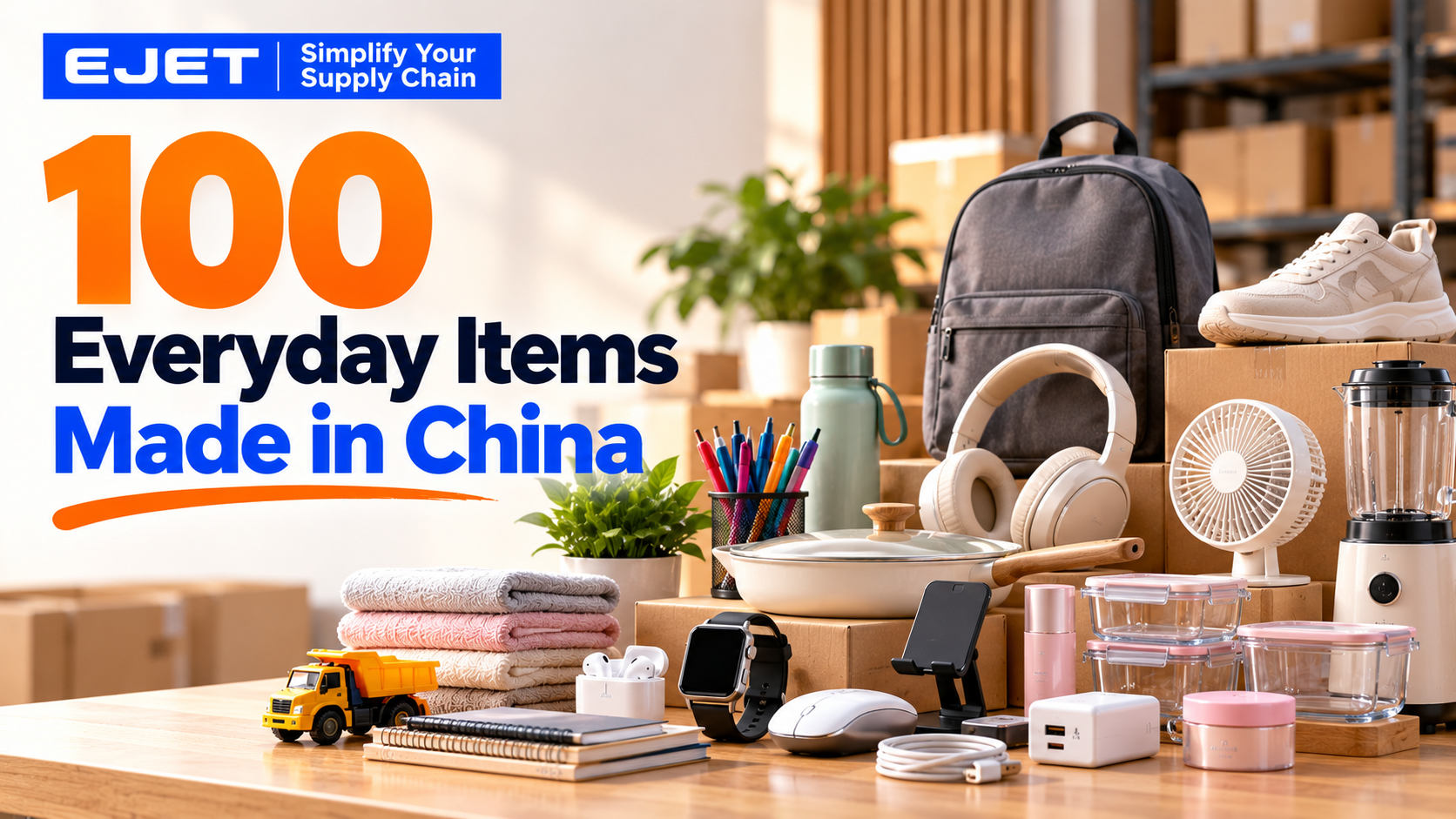
China makes roughly 28–30% of the world’s manufactured goods, according to World Bank and UN manufacturing data.
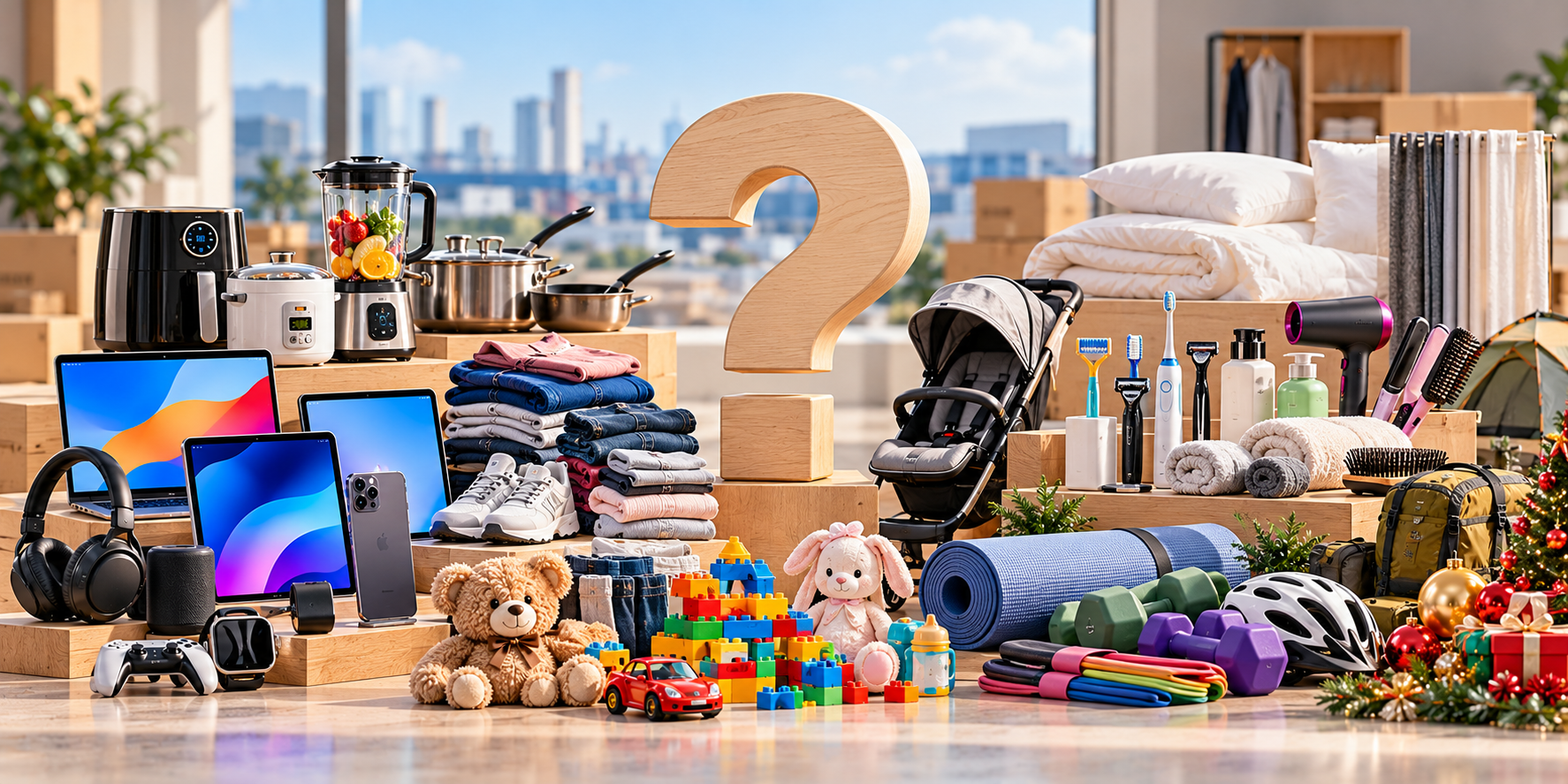
Everyday items made in China include phones, laptops, clothing, shoes, toys, cookware, furniture, tools, LED lights and many more. The 100 items below are grouped room by room, with the Chinese region that makes each one.
Pick up almost anything in your home and turn it over. There is a good chance it says “Made in China.” That is not an accident or a quirk of one industry.
It comes from decades of factory clusters, supply chains and export infrastructure that no other country has matched at this scale.
EJET.com has been sourcing products from China since 2007, with our head office in Yiwu, the city known for its huge small-commodities market.
This guide draws on what we see every day when we buy for importers.We explain which everyday items come from China, where in China they are made, and what that means if you want to source them.
China’s Manufacturing at a Glance
- Share of global manufacturing: about 28–30% of world manufacturing value added, the largest of any country, according to World Bank and UN statistics. [Check the latest year and add the source link.]
- Top manufacturer for over a decade: China has been the world’s largest manufacturer for well over ten years.
- Exports: China ships manufactured goods to almost every country, with the United States, the EU, Southeast Asia, Africa and the Middle East among the main destinations.
For comparison, the United States and Japan are the next largest manufacturers, and each makes a small fraction of China’s output. [Add one line with the latest figures and the source.]
100 Everyday Items Made in China, Room by Room
Below, each item shows where in China it is mostly made. This is a general guide. Many items are produced in several regions, and a factory’s location depends on the specific product and quality level.
The Kitchen (items 1-14)
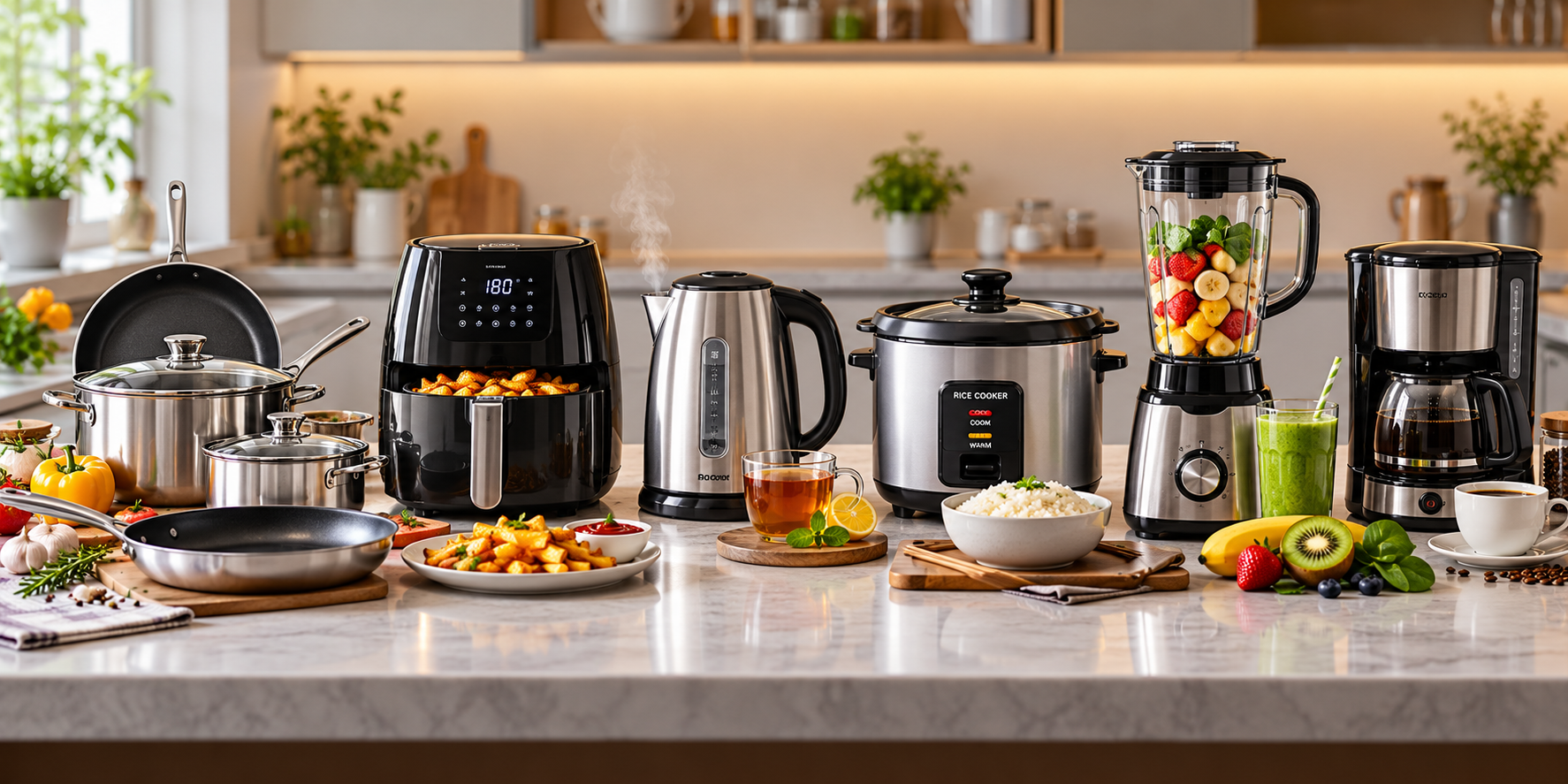
- Cookware (pots and pans) – Zhejiang, Guangdong
- Air fryers – Guangdong (Ningbo and Zhongshan areas)
- Electric kettles – Guangdong, Zhejiang
- Rice cookers – Guangdong
- Blenders and juicers – Guangdong, Zhejiang
- Coffee makers – Guangdong
- Microwaves – Guangdong (Foshan and Zhongshan areas)
- Food storage containers – Zhejiang (Taizhou), Guangdong
- Silicone kitchen tools (spatulas, baking mats) – Guangdong, Zhejiang
- Mugs, cups and water bottles – Zhejiang (Yongkang, known for vacuum flasks), Guangdong
- Cutlery and knives – Guangdong (Yangjiang), Zhejiang
- Plates and ceramic dinnerware – Jiangxi (Jingdezhen), Guangdong (Chaozhou)
- Glassware – Shandong, Hebei
- Dish racks and kitchen organizers – Zhejiang, Guangdong
The Bathroom and Personal Care (items 15-26)
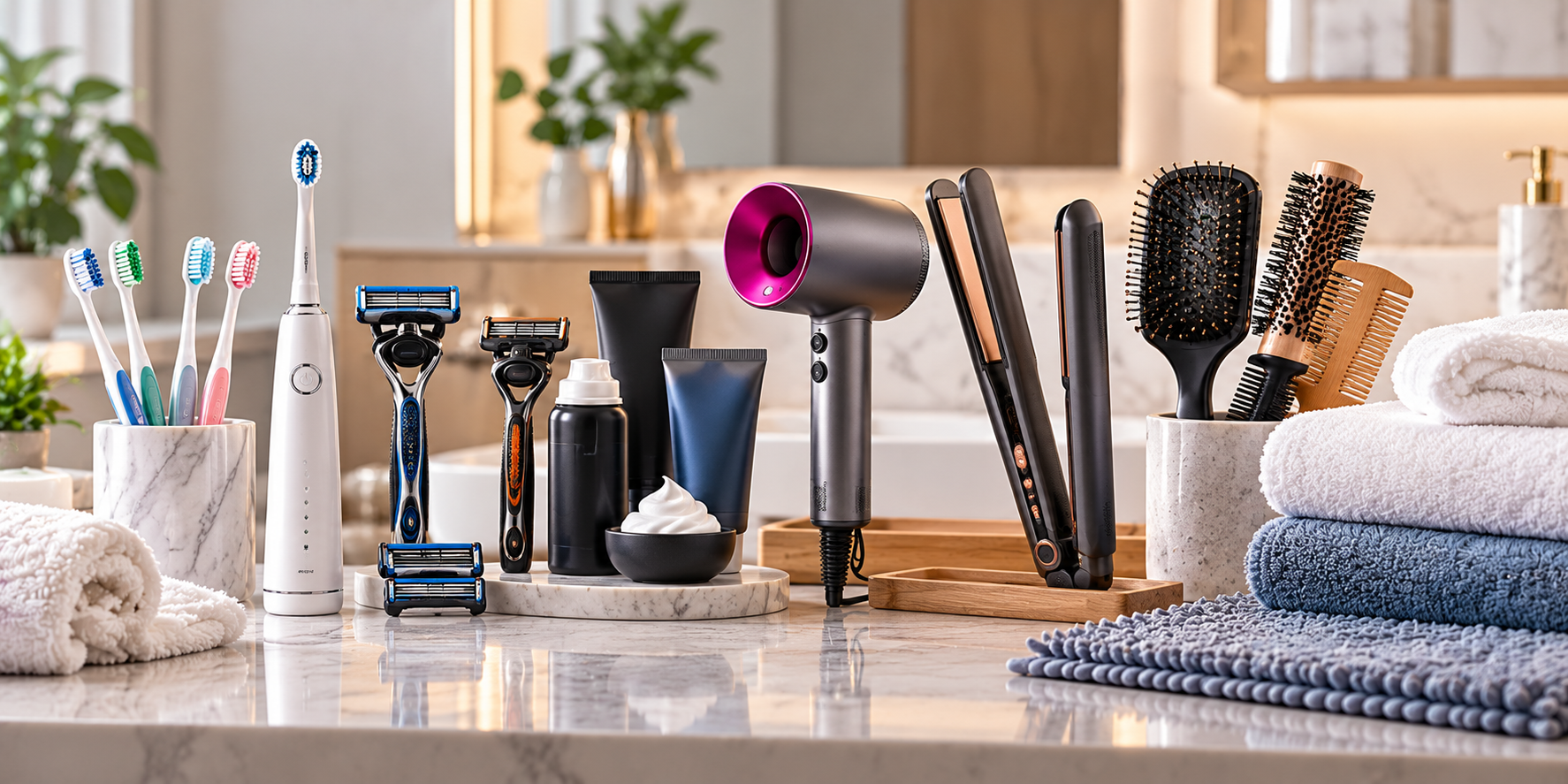
- Toothbrushes – Zhejiang, Jiangsu, Guangdong
- Electric toothbrushes – Guangdong
- Razors and shaving products – Zhejiang, Guangdong
- Hair dryers and straighteners – Guangdong, Zhejiang
- Hairbrushes and combs – Zhejiang (Yiwu), Guangdong
- Towels and bath mats – Shandong, Jiangsu, Zhejiang
- Makeup brushes and beauty tools – Zhejiang, Guangdong
- Cosmetic packaging (bottles, jars, tubes) – Guangdong, Zhejiang
- Shower heads and bathroom fittings – Zhejiang, Fujian, Guangdong
- Soap dispensers – Zhejiang, Guangdong
- Bathroom scales – Guangdong, Zhejiang
- Nail clippers and grooming kits – Guangdong (Yangjiang), Zhejiang
The Bedroom (items 27-38)
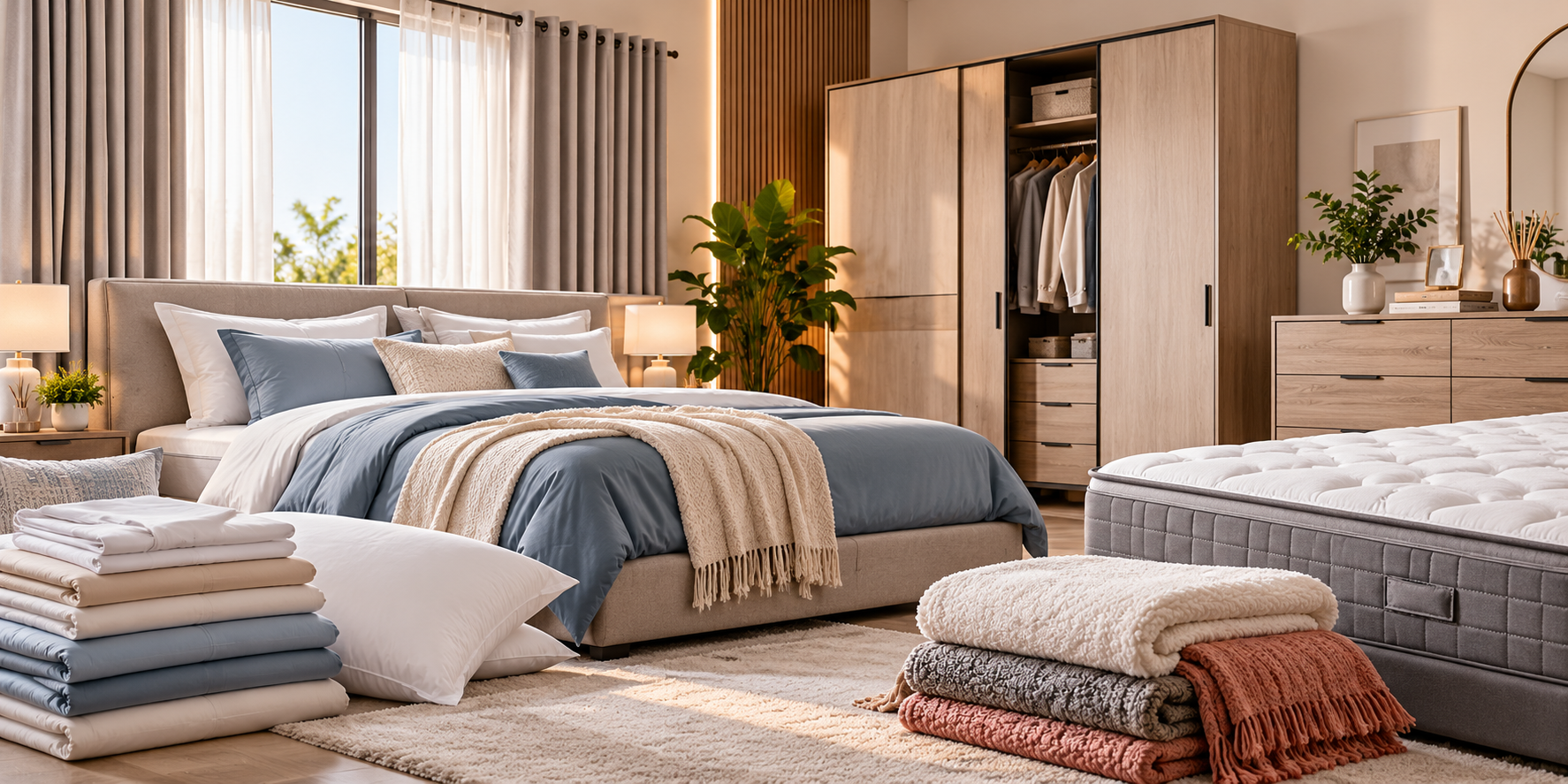
- Bedding sets (sheets and duvet covers) – Jiangsu, Zhejiang, Shandong
- Pillows – Zhejiang, Jiangsu
- Mattresses – Guangdong, Zhejiang
- Bed frames – Guangdong, Zhejiang, Shandong
- Wardrobes and dressers – Guangdong, Zhejiang, Shandong
- Curtains and blinds – Zhejiang (Shaoxing), Jiangsu
- Blankets and throws – Jiangsu, Zhejiang
- Bedside lamps – Guangdong (Zhongshan)
- Alarm clocks – Guangdong, Zhejiang
- Humidifiers – Guangdong
- Storage boxes and organizers – Zhejiang, Guangdong
- Night lights – Guangdong, Zhejiang
The Living Room (items 39-52)
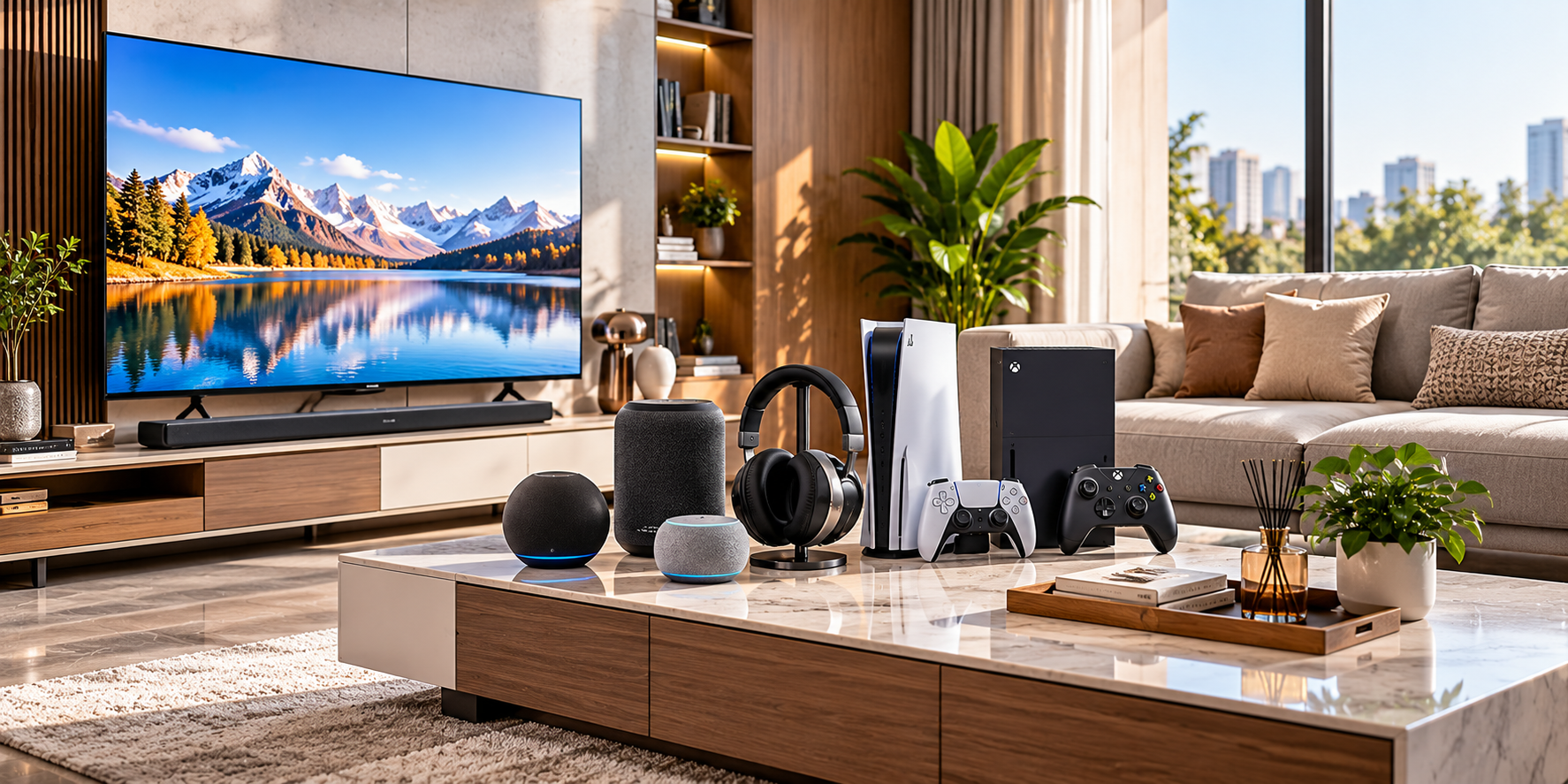
- Televisions – Guangdong, Sichuan, Anhui
- Smart speakers – Guangdong
- Soundbars and headphones – Guangdong (Shenzhen)
- Game consoles and controllers – Guangdong
- Sofas – Guangdong (Foshan), Zhejiang
- Coffee tables and TV stands – Guangdong, Zhejiang, Shandong
- Rugs and carpets – Tianjin, Zhejiang, Jiangsu
- Picture frames and wall art – Guangdong, Zhejiang
- Candles and candle holders – Zhejiang, Guangdong
- Artificial flowers and plants – Zhejiang, Guangdong
- Cushions and cushion covers – Zhejiang, Jiangsu
- LED lights and smart bulbs – Guangdong (Zhongshan, Shenzhen), Zhejiang
- Fans and heaters – Guangdong, Zhejiang
- Remote controls and smart home devices – Guangdong (Shenzhen)
The Kids Room (items 53-64)
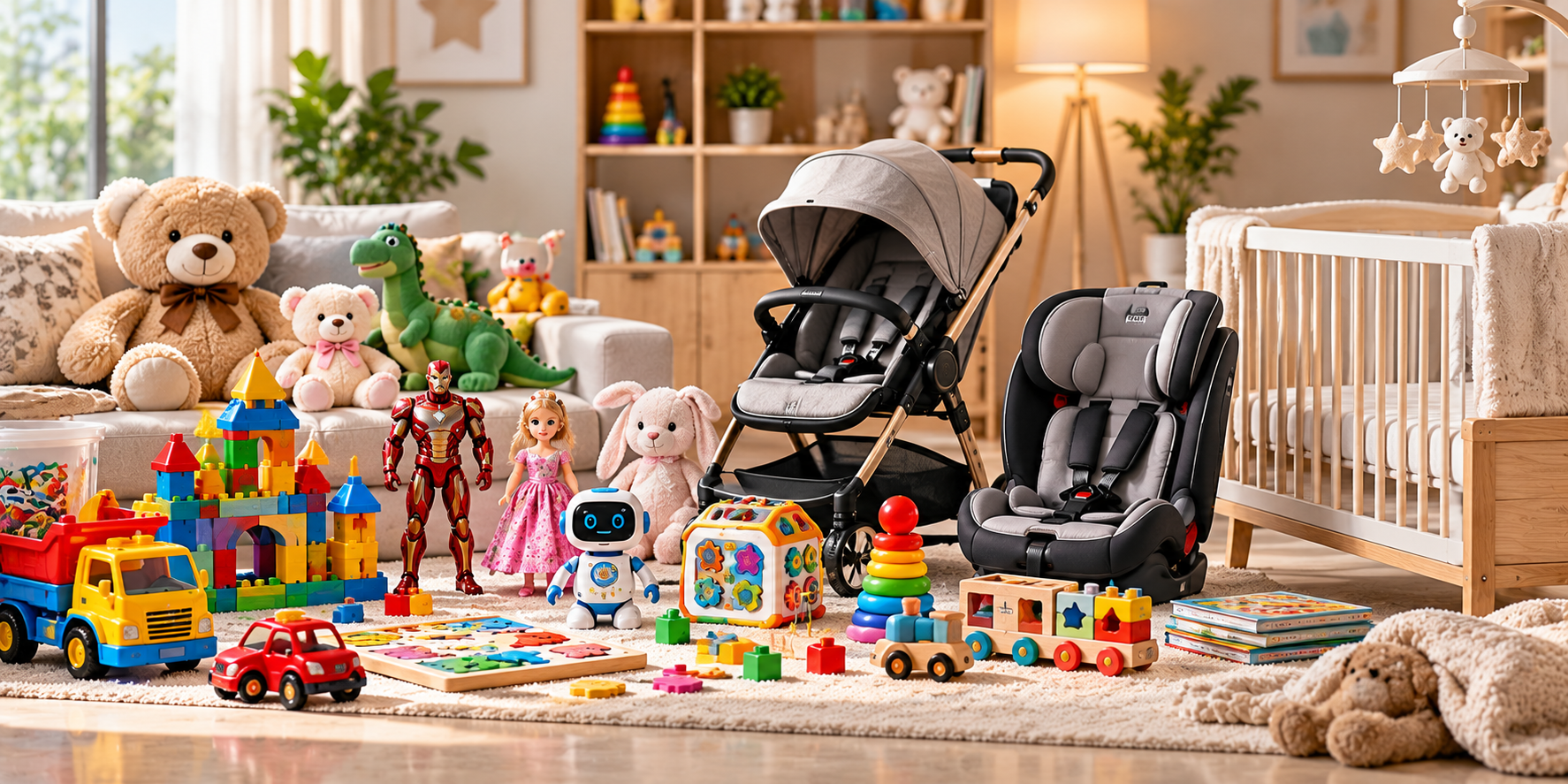
- Plastic toys – Guangdong (Shantou, Dongguan), Zhejiang
- Plush toys – Jiangsu, Zhejiang, Guangdong
- Building blocks and puzzles – Guangdong (Shantou), Zhejiang
- Action figures and dolls – Guangdong
- Educational toys – Guangdong, Zhejiang
- Strollers – Guangdong, Jiangsu
- Car seats – Zhejiang, Guangdong, Jiangsu
- Cribs and baby furniture – Zhejiang, Guangdong
- Baby bottles and feeding sets – Guangdong, Zhejiang
- Baby monitors – Guangdong
- School bags and backpacks – Zhejiang, Guangdong, Fujian
- Stationery (pens, notebooks, pencil cases) – Zhejiang (Yiwu, Ningbo), Shanghai
The Wardrobe (items 65-78)
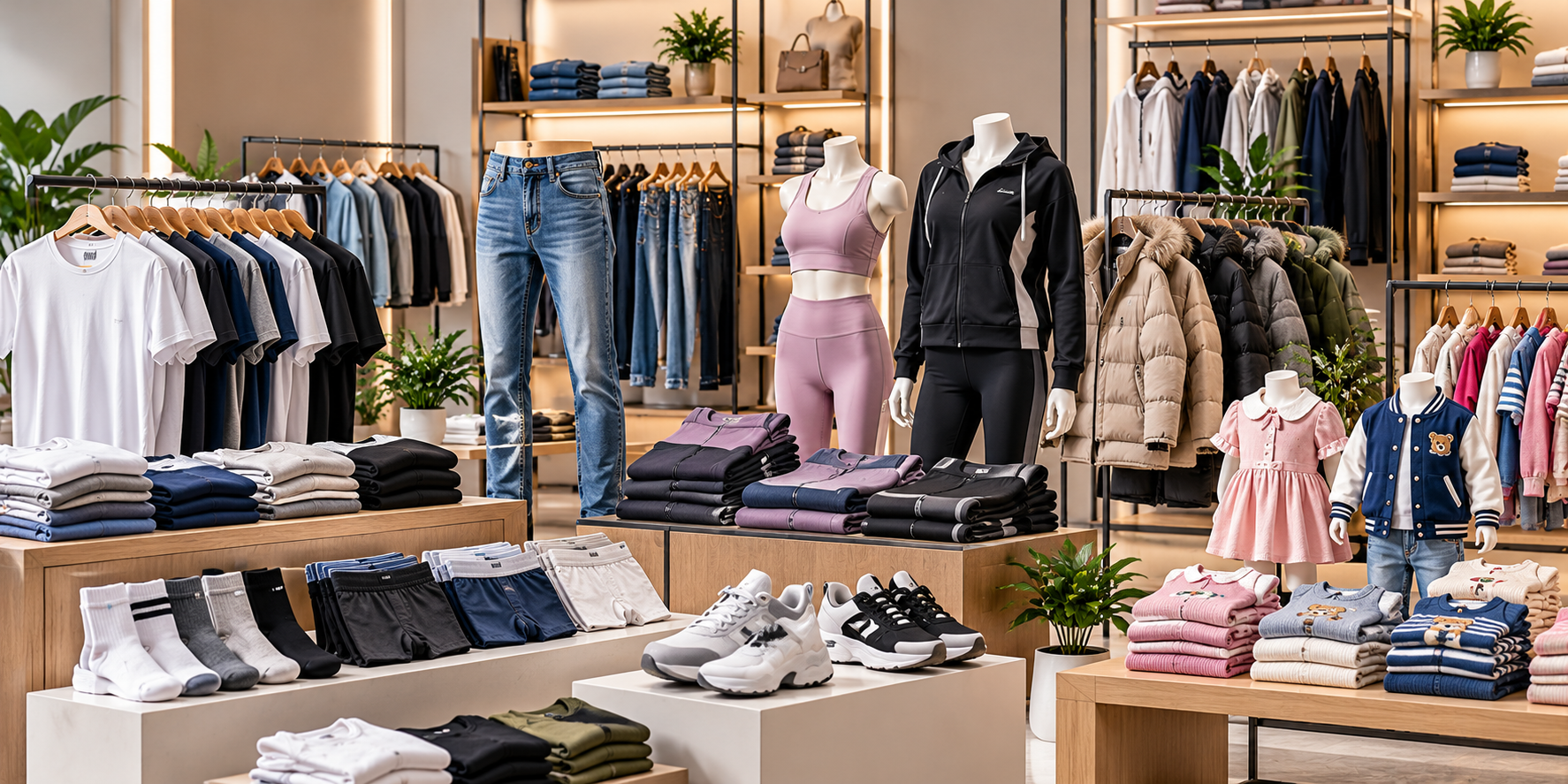
- T-shirts – Zhejiang, Guangdong, Jiangsu
- Jeans – Guangdong (Xintang), Zhejiang
- Underwear and socks – Zhejiang (Zhuji is known for socks), Guangdong
- Activewear – Guangdong, Zhejiang, Fujian
- Coats and jackets – Zhejiang, Shandong, Jiangsu
- Children’s clothing – Zhejiang (Huzhou), Guangdong
- Sneakers – Fujian (Quanzhou, Jinjiang), Guangdong
- Leather shoes – Guangdong, Zhejiang (Wenzhou)
- Handbags – Guangdong (Guangzhou), Zhejiang
- Wallets and belts – Guangdong, Zhejiang
- Sunglasses – Zhejiang (Wenzhou), Guangdong, Jiangsu
- Fashion jewelry – Zhejiang (Yiwu), Guangdong (Panyu)
- Hair accessories – Zhejiang (Yiwu)
- Hats, scarves and gloves – Zhejiang, Jiangsu, Guangdong
Phones, Computers and Office (items 79-86)
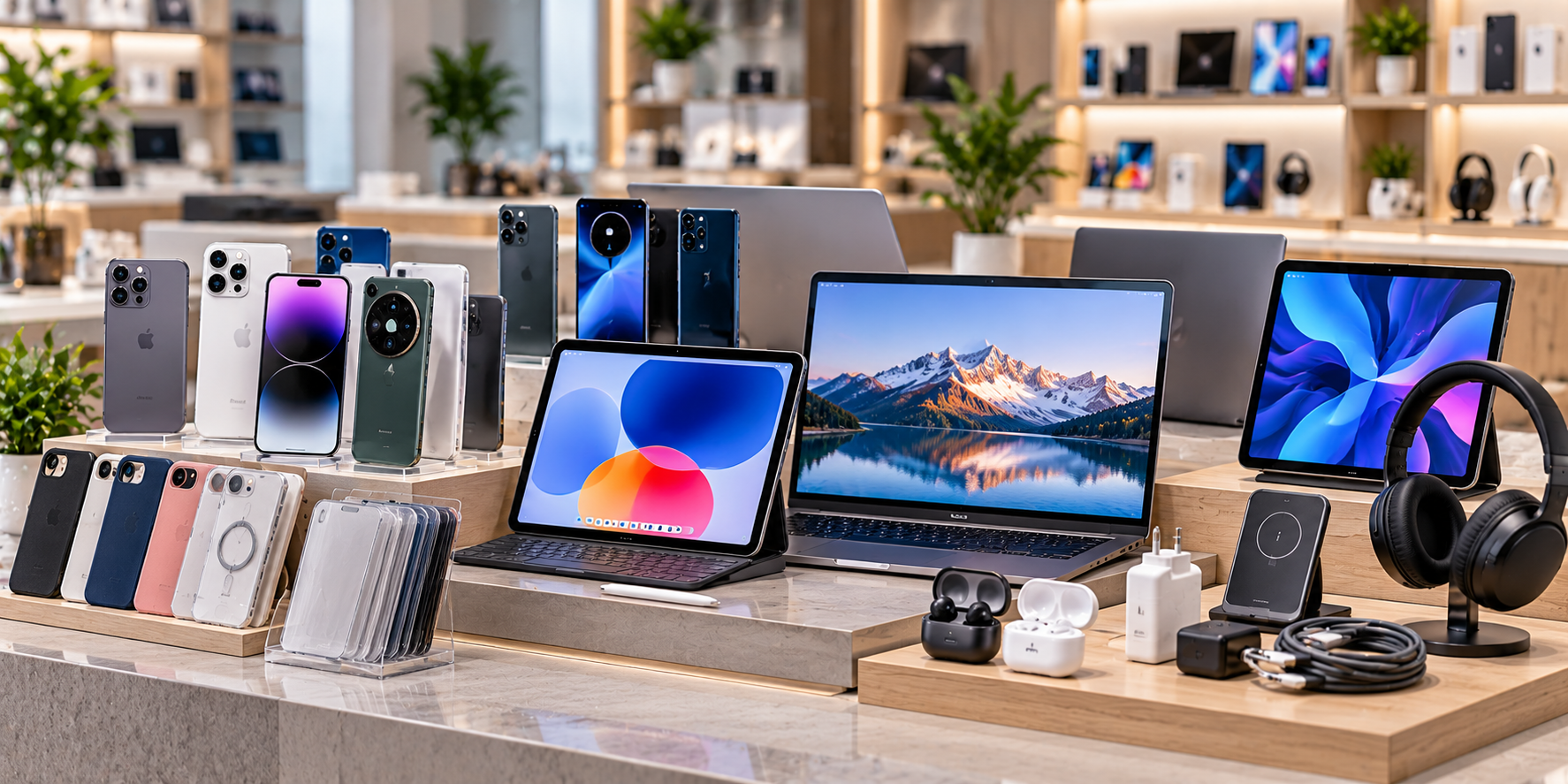
- Smartphones – Guangdong, Henan, Sichuan
- Tablets – Guangdong, Jiangsu
- Laptops – Jiangsu, Sichuan, Chongqing
- Phone cases and screen protectors – Guangdong (Shenzhen), Zhejiang
- Chargers, cables and power banks – Guangdong (Shenzhen)
- Webcams and computer accessories – Guangdong
- Printers and ink cartridges – Guangdong, Zhejiang
- Smartwatches and fitness trackers – Guangdong
The Garage, Garden and Home Maintenance (items 87-94)
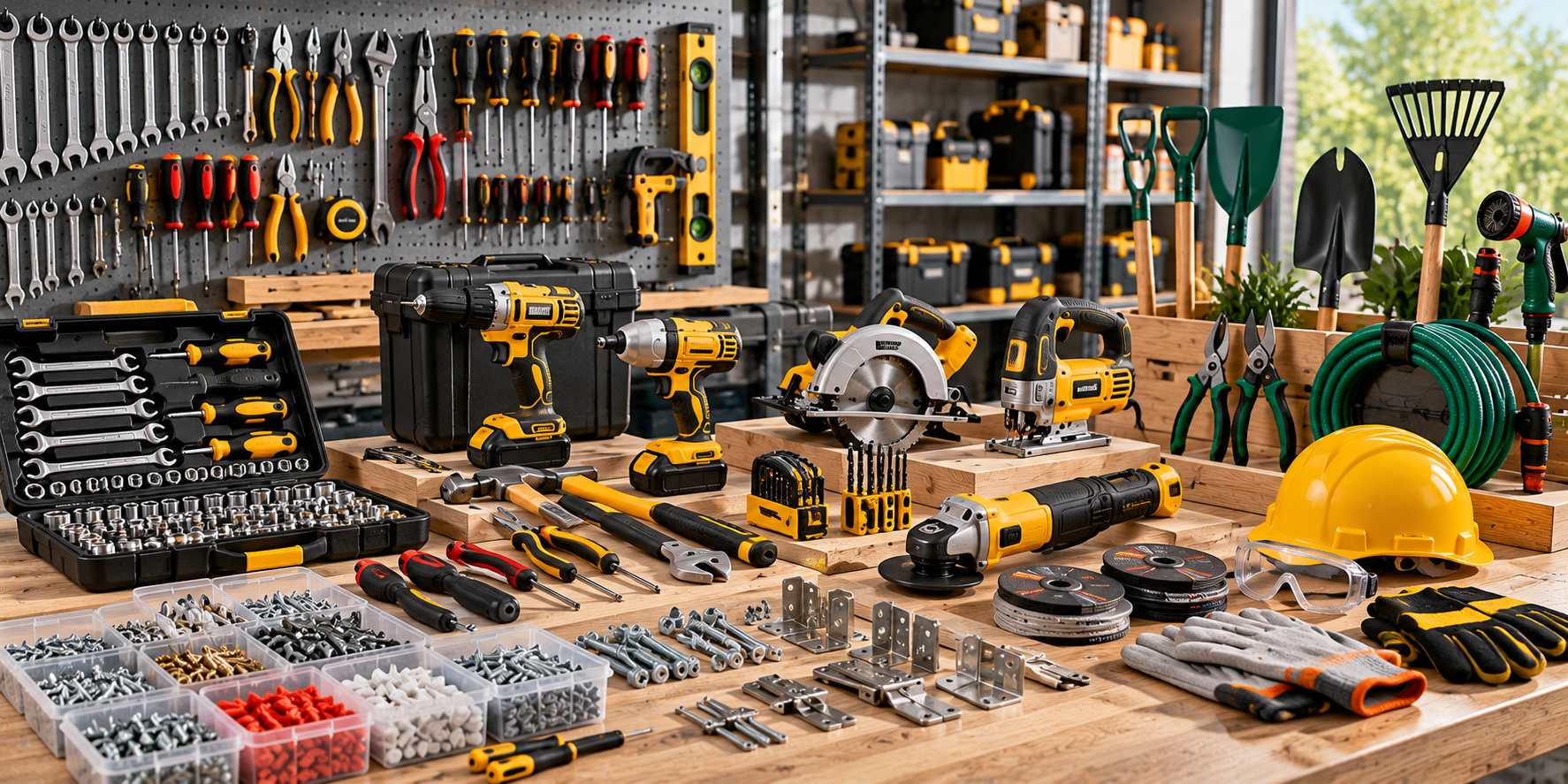
- Hand tools – Zhejiang (Yongkang), Jiangsu, Shandong
- Power tools – Jiangsu (Changzhou), Zhejiang
- Door and window hardware – Guangdong, Zhejiang
- Screws, nails and fasteners – Zhejiang, Hebei, Jiangsu
- Garden tools and hoses – Zhejiang, Jiangsu
- Safety gear (gloves, helmets, glasses) – Shandong, Jiangsu, Zhejiang
- Cleaning tools (mops, brushes, sponges) – Zhejiang, Jiangsu
- Padlocks and security devices – Guangdong, Zhejiang
Sports, Seasonal and Food (items 95-100)
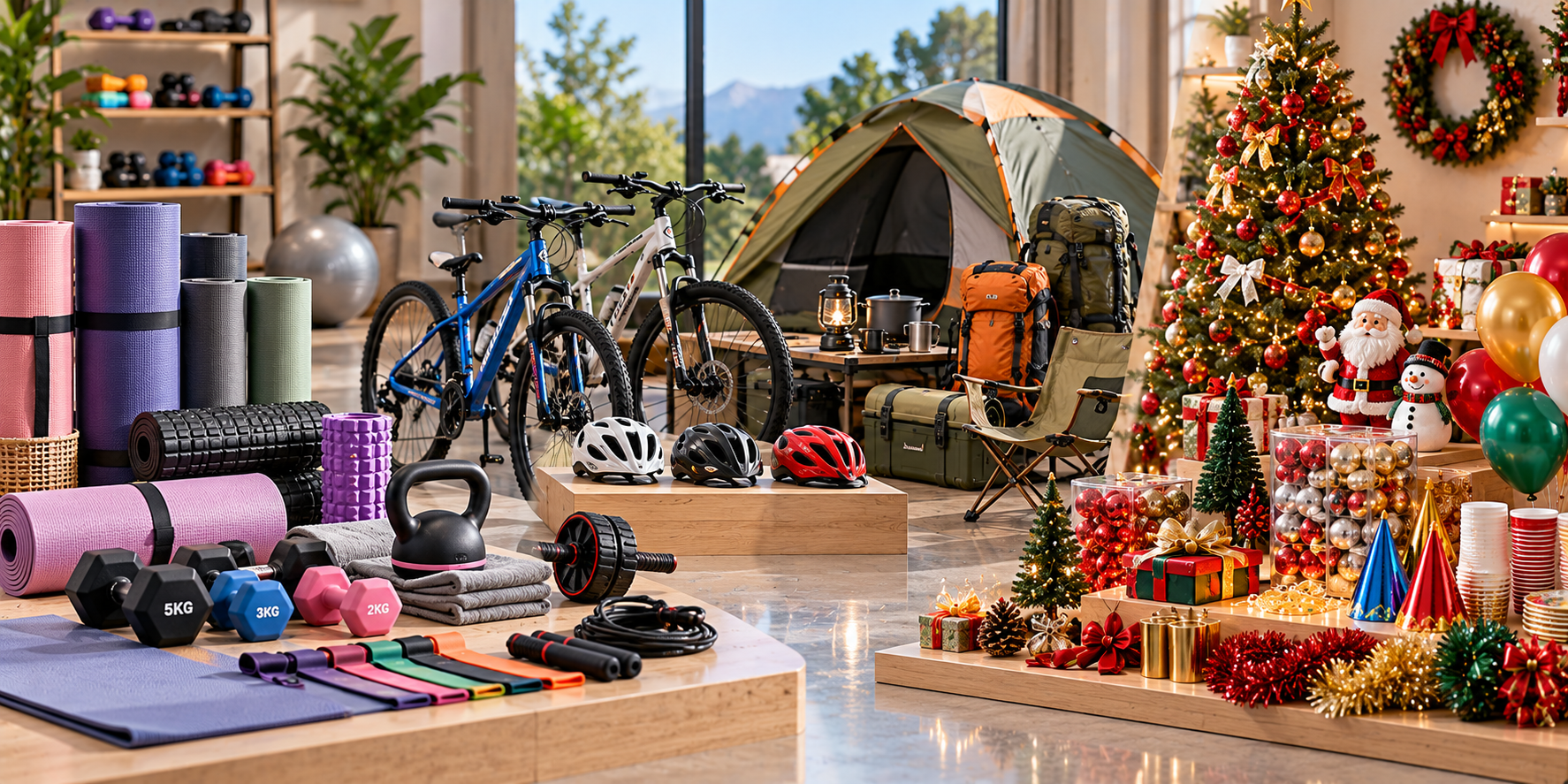
- Fitness equipment (yoga mats, dumbbells, resistance bands) – Shandong, Zhejiang, Jiangsu
- Bicycles and helmets – Tianjin, Jiangsu, Zhejiang
- Camping and outdoor gear (tents, bags) – Zhejiang, Guangdong
- Christmas decorations and party supplies – Zhejiang (Yiwu)
- Tea – Yunnan, Fujian, Zhejiang, Anhui. China is the world’s largest tea producer, accounting for a large share of global output according to FAO data.
- Garlic, mushrooms and spices – Shandong, Henan, Yunnan. China is among the world’s largest producers of garlic and dried mushrooms.
Where These Items Come From: China’s Manufacturing Hubs
China’s factories are not spread evenly. Each region specializes, and entire cities are built around one or two products. Understanding the hubs helps explain why China is so hard to compete with.
| Hub | What it is known for |
|---|---|
| Yiwu (Zhejiang) | Small commodities: jewelry, hair accessories, toys, stationery, Christmas decorations, party supplies, daily-use items |
| Shenzhen (Guangdong) | Electronics, phones, chargers, drones, smart devices |
| Dongguan (Guangdong) | Electronics, furniture, shoes, toys |
| Shantou (Guangdong) | Toys, plastic products, underwear |
| Zhongshan and Foshan (Guangdong) | Lighting, home appliances, furniture |
| Zhuji and Shaoxing (Zhejiang) | Socks, textiles, curtains |
| Yongkang (Zhejiang) | Hardware, vacuum flasks, tools |
| Wenzhou (Zhejiang) | Shoes, lighters, sunglasses, small hardware |
| Quanzhou and Jinjiang (Fujian) | Sports shoes and sportswear |
| Changzhou and Suzhou (Jiangsu) | Electronics, power tools, textiles |
Yiwu is the one we know best. The Yiwu International Trade City brings together tens of thousands of suppliers selling small commodities under one roof. For many importers, it is where a small order can be sourced quickly from several suppliers at once. [Add a photo of the market and one line from your own experience, with the verified size or number of booths.]
Why So Many Everyday Items Are Made in China
There is no single reason. Several advantages stack on top of each other.
1. Industrial clusters. A city makes one product and everything that supports it: raw materials, molds, packaging, logistics and skilled workers. A buyer in a cluster can find a component supplier within a short drive, which cuts lead times.
2. Scale. Large factories can run high volumes at low unit cost. That makes even low-priced items profitable.
3. Supply chain depth. A phone or an air fryer needs hundreds of parts. China has suppliers for almost all of them, often in the same region.
4. Export infrastructure. Large ports (Shanghai, Ningbo, Shenzhen), frequent container sailings and well-developed freight forwarding make shipping to most countries fast and relatively cheap.
5. Speed to market. From idea to sample to production, China’s factories move faster than most competitors. This is why seasonal and trend-driven products, such as holiday décor, are overwhelmingly made there.
Items Where China Dominates Most
China does not lead every category equally. By most industry estimates, it holds a very large share of production in these areas:
- Consumer electronics: phones, laptops, chargers and accessories
- Toys: by most estimates, a large majority of the world’s toys
- Christmas and party decorations: much of it comes from Yiwu
- Textiles and basic apparel: T-shirts, socks, underwear, and sportswear
- Small household goods: kitchen tools, storage, cleaning items
- LED lighting and solar components
- Tea, garlic and certain dried foods
[Replace “by most estimates” with specific figures and sources, for example from UN Comtrade, USITC, or industry associations. If you cannot source a number, keep the wording general.]
Tariffs and Import Duties on Chinese Goods
Many everyday items are subject to import duties and, in some markets, extra tariffs. The rate depends on the product’s customs code (HS code), the destination country and current trade policy, which has changed often in recent years.
| Destination | What to check | Where to check |
|---|---|---|
| United States | Standard duty plus any additional tariffs on Chinese-origin goods | USITC Harmonized Tariff Schedule |
| European Union | Customs duty plus VAT | EU TARIC database |
| United Kingdom | Duty plus VAT | UK Trade Tariff |
| Other markets | Duty, VAT and local taxes | Your national customs authority |
Our tip: compare landed cost, not the factory price. Factory price plus freight, duty, taxes and fees gives the real cost. A product that looks cheap at the factory can be expensive after tariffs, and a slightly higher factory price can be better value if the duty is lower.
Could You Live Without Chinese Products?
Try a normal morning. Your alarm clock, your toothbrush and your coffee maker may all come from China. So might your phone, your headphones, your shoes and the bag you carry to work. By lunchtime you may have used a dozen items made there, without noticing.
This is also why many countries have found it difficult to move production elsewhere. Moving a factory is possible. Rebuilding the supplier network, skilled labor and logistics around it takes years. Some companies are shifting part of their production to Vietnam, India, Mexico and other countries, but China remains the main source for most of the items on this list.
How to Source These Items From China
If you want to buy any of these products for your business, there are three main routes.
1. Online platforms (Alibaba and 1688). Alibaba is aimed at international buyers and has English listings. 1688 is China’s domestic wholesale platform, with generally lower prices but Chinese-language listings and domestic payment and shipping systems, which makes it harder for overseas buyers to use directly.
2. Trade fairs and markets. The Canton Fair and the Yiwu market let you see products in person, compare suppliers and negotiate. Travel takes time and cost, and language can be a barrier.
3. A sourcing agent. A sourcing agent finds suppliers, negotiates prices, checks quality, consolidates orders from several suppliers and arranges shipping. This is especially useful for importers who buy small quantities from many suppliers, which is common with the everyday items on this list.
How EJET can help: we have been sourcing from China since 2007 from our base in Yiwu. We can help you find the right supplier for items in this list, check samples, inspect production and consolidate your goods into one shipment. [Add one specific proof point: the number of clients, years in business, or a short case result.
Final Thoughts
China makes a very large share of the things we use every day, and the reason is structural: clusters, scale, supply chains and fast logistics. If you want to turn that into a business, the best place to start is understanding which items come from which hub, what they really cost once they land, and which supplier can deliver the quality you need.
If you are ready to source any of the items on this list, EJET can help you from supplier search to shipping.
Frequently Asked Questions About everyday products are made in China
What percentage of everyday products are made in China?
China produces roughly 28–30% of the world’s manufactured goods by value, according to World Bank and UN data. The share is much higher in some categories, such as electronics, toys and holiday decorations. No official figure exists for “everyday products” overall, so be wary of claims like “80% of everything.”
What is the most common product made in China?
By export value, electronics (phones, computers and parts) are the largest category. By unit volume, small items such as clothing, toys, stationery and household goods make up an enormous share.
What surprising products are made in China?
Besides electronics and clothing, China produces most of the world’s Christmas decorations, a large share of its tea, garlic and mushrooms, and many medical and pharmaceutical ingredients. [Verify and source each claim you keep.]
Can you avoid products made in China?
It is possible for specific items, but hard across everything you buy. Many products made elsewhere still contain Chinese-made parts or materials, and for many categories there is no large-scale alternative yet.
How do tariffs affect the price of Chinese goods?
Tariffs are added on top of the factory price, freight and other costs, so they raise the landed cost. Rates vary by product, country and date, so check the current rate for your HS code before you order.
Which Chinese city makes which products?
Each city specializes: Yiwu for small commodities, Shenzhen for electronics, Dongguan for furniture and shoes, Zhongshan for lighting and Quanzhou for sports shoes. See the hub table above.