ETL and UL are independent product safety certification marks: ETL is issued by Intertek, while UL certification is provided by UL Solutions.
For products certified to the same applicable standard within each laboratory’s recognized scope, both can demonstrate compliance with U.S. electrical safety requirements.
The practical difference is the organization behind the mark—not an automatic difference in safety level.
Whether you are buying equipment or preparing a product for market, understanding the label helps you ask better questions.
This article explains the standards, certification process, verification steps, and purchasing considerations that matter beyond the logo.
What is the difference between ETL and UL certifications?
The main difference is the certification provider. Intertek tests and certifies products that carry the ETL Listed mark; UL Solutions provides testing and certification associated with UL marks. Both participate in OSHA’s Nationally Recognized Testing Laboratory, or NRTL, program, which recognizes laboratories for specific testing and certification capabilities.
That distinction matters because a safety standard and a certification company are not the same thing. A standard sets the evaluation requirements.
A certification body evaluates a product against those requirements and authorizes its certification mark when the applicable conditions are met. UL Standards & Engagement develops UL standards, while UL Solutions delivers testing, inspection, and certification services. Other qualified laboratories can also test to UL standards.
Here is the ETL vs UL comparison at a glance:
|
Comparison point |
ETL Listed |
UL Listed |
|---|---|---|
|
Certification provider |
Intertek |
UL Solutions |
|
U.S. recognition framework |
OSHA NRTL program, within recognized scope |
OSHA NRTL program, within recognized scope |
|
Standards used |
Applicable recognized standards, including UL standards |
Applicable standards covered by its certification services |
|
Ongoing oversight |
Follow-up inspections support continued compliance |
Follow-Up Services support continued compliance |
|
Best verification route |
Intertek’s product directories |
UL Solutions’ Product iQ |
Neither column establishes a universal winner. The relevant questions are whether the certification covers the product, the required standard, and its intended application.
The standard matters as much as the mark
An ETL label may say that a product conforms to a UL standard. That is not contradictory: Intertek can certify products against applicable UL standards without issuing a UL certification mark. The standard identifies the requirements used; the ETL logo identifies the certification provider.
For buyers, the practical implication is straightforward. Do not reject an ETL-listed product simply because the specification references a UL standard. Instead, check whether the certification covers the standard and product category your project requires.
OSHA considers laboratories recognized for the same product safety standard capable of testing and certifying to that standard; its recognition does not rank their relative experience or services.
For manufacturers, identify the applicable standard before comparing certification proposals. Ask each provider to confirm the standard, edition, product configuration, and intended market in writing. This makes the comparison more useful than asking only which logo costs less.
Is ETL as safe as UL?
ETL is not inherently a lower safety tier than UL. When both certifications cover the same applicable standard and intended use, the different marks do not by themselves show that one product is safer. OSHA’s recognition framework establishes laboratory capabilities within defined scopes rather than awarding one laboratory a superior safety ranking.
However, equivalent certification standing does not mean two products are identical. Their certifications may cover different standards, configurations, properties, or conditions of use. UL’s guidance distinguishes broad product safety evaluations from certifications addressing a limited range of hazards or specific conditions. Compare the certification coverage, not just the brand names.
A useful purchasing approach is to separate three decisions:
- Certification: Does the product have independently verifiable certification for the required safety standard?
- Application: Does its documented rating and installation guidance match the proposed use?
- Suitability: Does it meet your practical needs for dimensions, features, maintenance, and support?
Avoid treating certification as a promise about every aspect of quality. A safety evaluation has a defined scope; it is not automatically evidence that a product will last longer, perform better, or suit every installation. Read the listing information alongside the manufacturer’s instructions.
Product testing is only part of certification
Safety certifications involve more than sending a sample to a laboratory and receiving a logo. The NRTL framework includes product evaluation, controls for identifying certified products, and follow-up inspections of production. Those controls help connect the evaluated design with products subsequently manufactured under the certification.
For example, UL Solutions explains that its Follow-Up Services examine whether manufactured products continue to meet the original certification requirements. Inspectors review relevant construction, materials, components, and traceability.
Intertek likewise describes independent testing and periodic follow-up inspections as elements of its certification program.
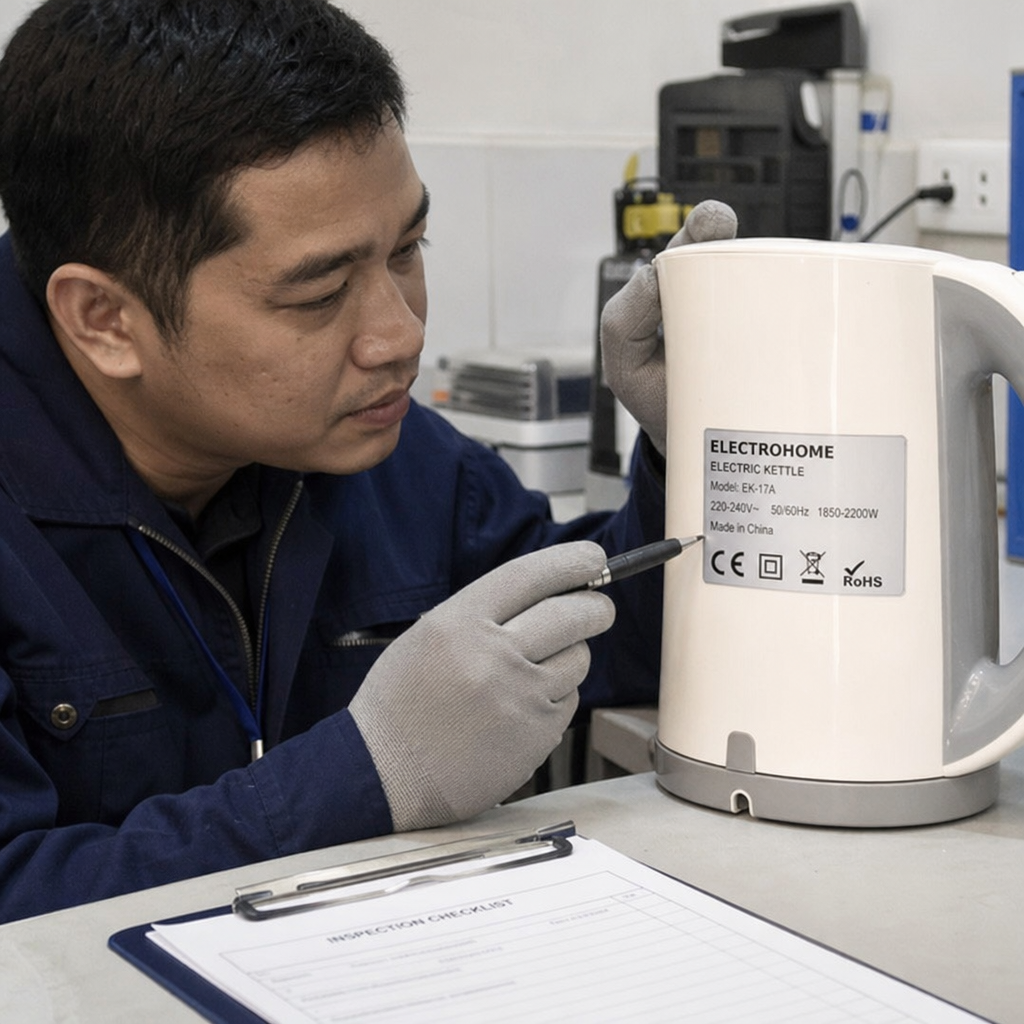
Manufacturers should therefore plan for compliance after the initial product testing. Keep a controlled record of the evaluated construction, and ask the certification provider how proposed changes should be handled.
UL Solutions specifically provides a process for submitting construction revisions; replacing a component should not be treated as merely a purchasing decision.
A practical internal checklist should identify who maintains certification documents, who approves design changes, and who communicates with the laboratory. Include purchasing and production teams in that process. Otherwise, the people selecting replacement materials may not know which details require review.
Listed, Recognized, and Classified mean different things
The phrase “ETL vs UL listed” compares listing marks, but not every safety-related label represents the same certification scope. UL uses several marks for different purposes. Understanding that distinction helps prevent a component’s certification from being mistaken for certification of a finished product.
- UL Listed: Generally associated with products evaluated for their intended use under the applicable requirements.
- UL Recognized Component: Applies to components or materials intended for incorporation into other equipment, subject to their applicable conditions.
- UL Classified: Indicates evaluation of specific properties, a limited range of hazards, or suitability under limited or special conditions.
For example, a certified component inside an appliance does not, by itself, establish certification of the complete appliance. Ask for evidence covering the finished product when that is what your purchase or project requires.
You may also encounter an enhanced UL mark using “Certified” rather than the familiar “Listed” or “Classified” wording. UL Solutions states that existing Listing and Classification mark variations remain valid. An unfamiliar layout is a reason to verify the details, not automatically reject the product.
Market acceptance needs a specific check
ETL certification is widely accepted in the United States and Canada, according to Intertek. Nevertheless, the geographic coverage shown by the particular mark matters: Intertek distinguishes certification for U.S. standards from certification covering Canadian requirements. Do not assume every ETL label covers both countries.
For U.S. workplace requirements, OSHA recognizes certification by qualifying NRTLs rather than mandating UL as the sole provider. That does not make OSHA recognition a blanket approval for every product or installation. Certification must fall within the laboratory’s recognized scope and satisfy the relevant approval requirements.
Before ordering equipment, ask the project’s authority having jurisdiction, purchasing team, or customer to confirm the required documentation. If a specification says “UL certified,” clarify whether it requires certification specifically from UL Solutions or certification to a named UL standard by an acceptable laboratory.
Resolving that wording before purchase is better than debating it during inspection.
For manufacturers, make the same check with retailers and distribution partners. Ask them to identify the exact certification requirement rather than relying on an informal assurance that a particular mark is “usually fine.” Save that response with the project requirements.
How can you verify an ETL or UL listing?
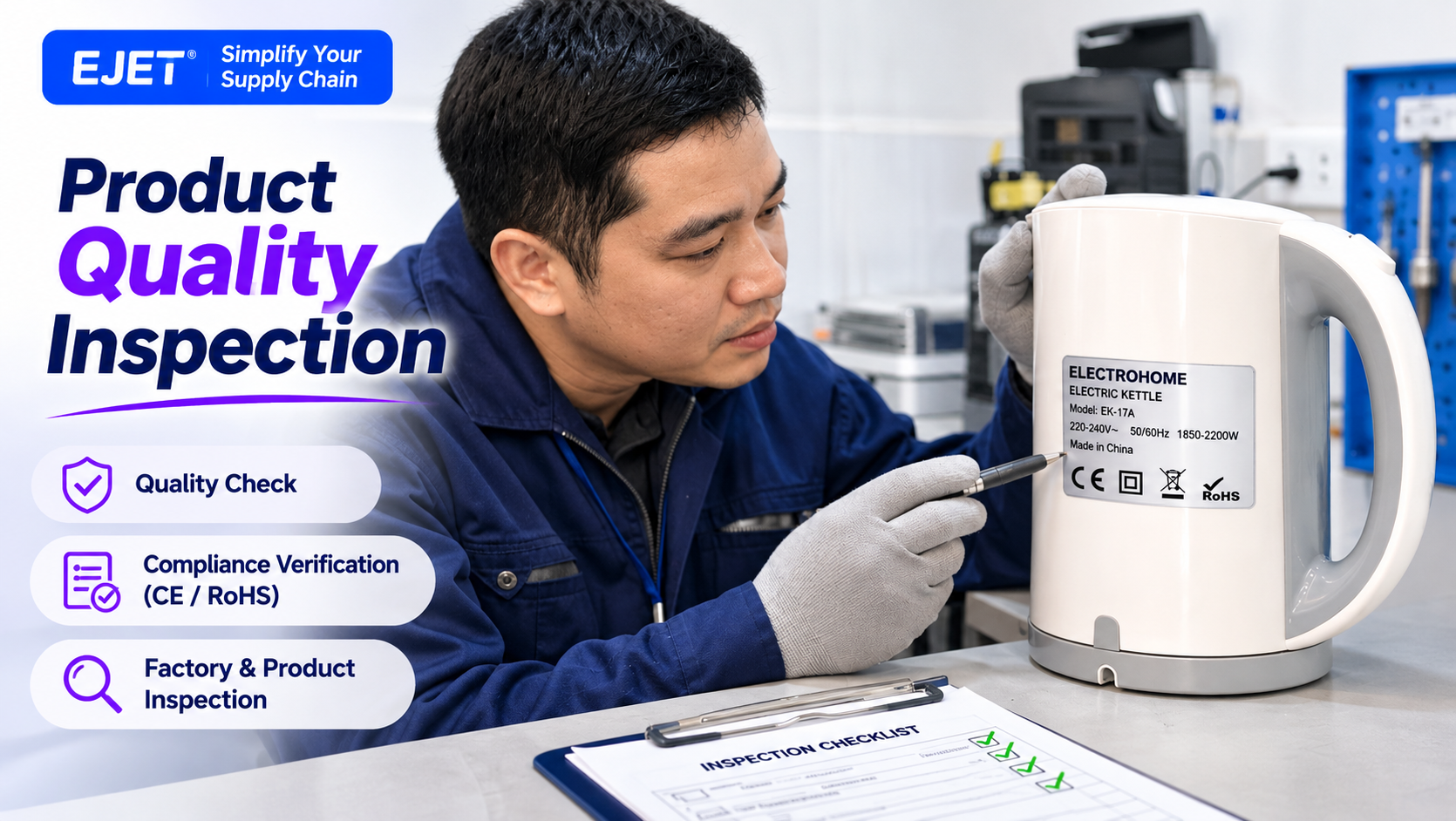
Start with the product’s certification label and check its information against the issuing organization’s official resources. UL Solutions provides Product iQ for certification searches, while Intertek provides directories of certified products. Verification should establish that the certification evidence relates to the item you intend to buy—not merely another product from the same brand.
Use this checklist before committing to a significant purchase:
- Request a clear label photograph. Look for the certification provider, product identification, electrical ratings, and any certification or control number shown.
- Use the correct directory. Search UL certification information in Product iQ and ETL information through Intertek’s directories.
- Compare identifying details. Check the manufacturer, relevant model or product family, and certification reference against the supplier’s documents.
- Review the coverage. Confirm the product category, standard, geographic scope, and any relevant limitations.
- Resolve uncertainty directly. If the record is unclear, ask the certification provider or manufacturer for help before assuming the claim is valid or invalid.
Product iQ supports searches using company names, model numbers, category descriptions, and UL file numbers. Its results can include components as well as products, so read the result rather than stopping at a matching brand name. UL also provides assistance for locating certification information.
Keep the label photograph and supporting documents with your purchasing records. This gives your installer or compliance reviewer a useful starting point if questions arise later.
Choosing a certification partner without chasing assumptions
For manufacturers, selecting a laboratory is also a service decision. Laboratories can differ in relevant experience, facilities, equipment, and operating arrangements even when they are recognized for the same standard. OSHA explicitly notes that NRTL recognition does not compare those relative attributes.
Rather than assuming ETL certification is always cheaper or UL certification always takes longer, request proposals based on the same product and scope. Ask both providers to explain:
- The standards, models, accessories, and markets included in the proposal.
- Required samples, technical documents, and readiness conditions.
- Available scheduling and how design corrections would affect the project.
- Initial charges, follow-up services, and potential revision costs.
- Support for additional manufacturing locations or future product variants.
These questions are a comparison framework, not a prediction of either provider’s pricing or speed. Ask for written exclusions as well as deliverables. A proposal that leaves out a required model or market is not directly comparable with one that includes it.
Before choosing, assign one person to reconcile the proposals against your requirements. That review should flag unanswered questions, not simply select the lowest headline figure.
The takeaway: verify the scope, not just the logo
The useful answer to ETL vs UL is that both can provide recognized evidence of safety compliance when the certification fits the applicable standard and use. The issuing organization differs; that alone does not establish a better or worse safety level.
For buyers, verify the product and its coverage before purchase. For manufacturers, compare laboratory capabilities, project scope, and ongoing obligations. In either case, a documented match between the product, certification, and intended application is more useful than choosing by logo alone.
Frequently Asked Questions About ETL and UL Certifications
What is the main difference between ETL and UL certifications?
The main difference lies in the certification provider: ETL is issued by Intertek, while UL certification is provided by UL Solutions. Both can demonstrate compliance with U.S. electrical safety requirements, but they are associated with different testing organizations.
Are products with ETL certification as safe as those with UL certification?
Yes, ETL products can be as safe as UL certified products when both certifications cover the same applicable standard and intended use. The certification marks alone do not determine safety levels; rather, it depends on adherence to the standards and conditions of use.
How can I verify if a product is ETL or UL certified?
To verify a certification, start with the product’s certification label and check its details against the issuing organization’s official resources. UL Solutions offers Product iQ for certification searches, while Intertek has directories of certified products.
Can an ETL certified product reference UL standards?
Yes, an ETL label may state that a product conforms to a UL standard. Intertek can certify products against applicable UL standards, which does not contradict the ETL certification mark.
What should I consider when choosing between ETL and UL certification for my product?
When choosing between ETL and UL, consider the applicable standards, certification coverage, intended use of the product, and any specific requirements set by regulatory bodies or customers. Comparing proposals from both certification providers can also help in making an informed decision.