









Finding the best vendors for reselling clothes in 2027 is essential for entrepreneurs who want to establish profitable online boutiques, retail clothing stores, and fashion resale businesses.
Whether we are launching a new clothing brand, expanding an existing boutique, or sourcing affordable wholesale fashion, choosing reliable clothing vendors directly affects product quality, pricing, customer satisfaction, and long-term profitability.
The clothing resale industry offers numerous opportunities, from purchasing wholesale women's clothing and men's apparel to sourcing vintage fashion, liquidation merchandise, and trendy streetwear.
However, successful reselling requires more than simply buying inexpensive inventory. We must identify trustworthy suppliers, evaluate wholesale prices, understand minimum order quantities, and select products that appeal to our target customers.
In this comprehensive guide, we explore the 15 best clothing vendors for resellers in 2027, comparing their product offerings, sourcing advantages, and suitability for different business models.
We also explain how to find legitimate wholesale clothing suppliers, calculate resale profits, and build a sustainable clothing business.
Editor's note: This is a forward-looking 2027 sourcing guide prepared in October 2026. Vendor availability, fees, minimum orders, and policies should be verified directly before purchasing.
15 Best Wholesale Clothing Vendors for Resellers in 2027
The following suppliers and marketplaces provide different opportunities for clothing resellers, including boutique fashion, private-label apparel, secondhand clothing, and bulk wholesale inventory.
|
Clothing vendor |
Best for |
Sourcing model |
|---|---|---|
|
FashionGo |
Boutique clothing |
Wholesale marketplace |
|
LA Showroom |
Trendy women's fashion |
Wholesale marketplace |
|
Bloom Wholesale |
Boutique inventory |
Wholesale supplier |
|
Faire |
Independent fashion retailers |
Wholesale marketplace |
|
Alibaba |
Bulk clothing and private label |
B2B marketplace |
|
AliExpress |
Small-scale product testing |
Online marketplace |
|
OrangeShine |
Affordable boutique fashion |
Wholesale marketplace |
|
Tasha Apparel |
Women's wholesale clothing |
Wholesale supplier |
|
Wholesale7 |
Budget-friendly fashion |
Wholesale supplier |
|
BrandsGateway |
Designer fashion resale |
Luxury wholesale and dropshipping |
|
BULQ |
Liquidation inventory |
Liquidation marketplace |
|
B-Stock |
Retail liquidation |
Auction marketplace |
|
ThredUp |
Secondhand fashion |
Resale marketplace |
|
Gildan |
Blank apparel customization |
Apparel manufacturer |
|
SanMar |
Branded and blank apparel |
Wholesale distributor |
1. FashionGo – Best Overall Wholesale Clothing Marketplace
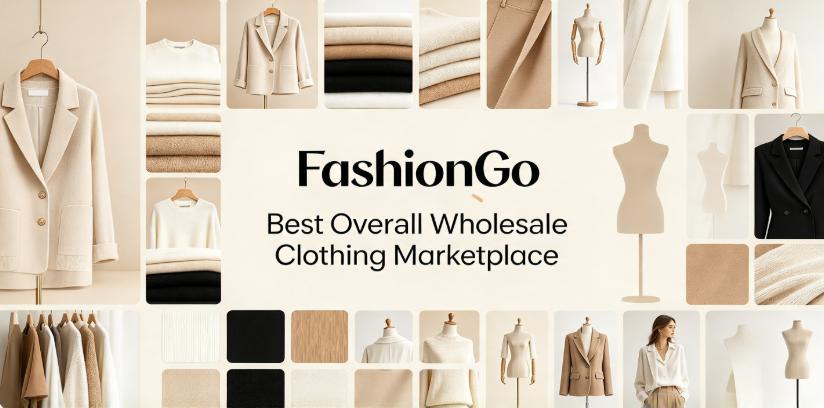
FashionGo is an established wholesale fashion marketplace connecting retailers with apparel manufacturers and distributors. It is particularly attractive to boutique owners looking for trendy clothing, seasonal collections, and diverse fashion categories.
We can explore women's dresses, casual tops, denim, outerwear, activewear, accessories, and other merchandise from multiple vendors through a single platform.
Key advantages:
-
Extensive selection of boutique clothing styles.
-
Access to numerous independent wholesale vendors.
-
Opportunities to compare prices and minimum order requirements.
-
Regularly updated fashion collections.
-
Suitable for online boutiques and physical retail stores.
FashionGo is especially useful when we want to build a boutique with a distinctive product assortment rather than relying on a single supplier.
Best for: Online boutique owners, women's clothing retailers, and fashion entrepreneurs.
Website: fashiongo.net
2. LA Showroom – Best for Trendy Women's Wholesale Clothing
LA Showroom connects fashion retailers with wholesale clothing suppliers, including businesses associated with the Los Angeles apparel industry.
The marketplace offers dresses, tops, matching sets, jackets, denim, and contemporary women's fashion.
We can use LA Showroom to source styles suited to social-media-driven boutiques and fashion retailers targeting customers interested in frequently changing collections.
Before placing orders, we should examine size packs, product measurements, materials, shipping charges, and vendor-specific purchasing policies.
Best for: Trend-focused clothing boutiques and women's fashion resellers.
Website: lashowroom.com
3. Bloom Wholesale – Best for Small Boutique Clothing Businesses
Bloom Wholesale focuses on wholesale women's fashion for boutique retailers.
Its product assortment can be useful for businesses seeking everyday women's clothing, casual styles, and boutique-oriented collections.
When selecting wholesale products, we recommend prioritizing pieces that complement an established customer profile. For example, a boutique specializing in relaxed casualwear should concentrate on comfortable tops, versatile dresses, and coordinating separates.
We should also compare wholesale pack requirements against expected sales volume to avoid purchasing excessive inventory.
Best for: Small boutique businesses and women's casual fashion retailers.
Website: bloomwholesale.com
4. Faire – Best Wholesale Marketplace for Independent Retailers
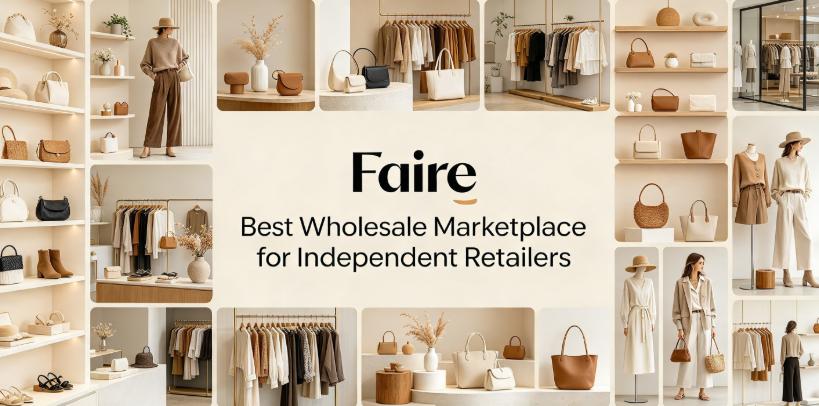
Faire is a wholesale marketplace connecting independent retailers with brands across apparel, accessories, home goods, beauty, and other categories.
For clothing resellers, Faire offers opportunities to discover independent fashion labels and build collections that differ from mass-market merchandise.
One advantage is the ability to compare multiple brands while reviewing their individual wholesale terms.
Certain retailers may qualify for payment terms or introductory purchasing benefits, although eligibility and conditions vary.
Why we recommend Faire:
-
Access to independent clothing brands.
-
Opportunities to develop differentiated boutique collections.
-
Centralized wholesale product discovery.
-
Brand-specific ordering information.
-
Useful for retailers selling complementary lifestyle products.
Best for: Independent boutiques and retailers seeking distinctive clothing brands.
Website: faire.com
5. Alibaba – Best for Bulk Wholesale Clothing and Private Label
Alibaba is a major international business-to-business marketplace that connects buyers with manufacturers, wholesalers, and trading companies.
For entrepreneurs planning to launch private-label clothing brands, Alibaba offers access to suppliers capable of producing customized apparel.
Depending on the manufacturer, customization options may include fabric selection, embroidery, printed logos, branded labels, packaging, and custom sizing.
However, we must carefully assess supplier credentials, manufacturing capabilities, product samples, and total landed costs.
An inexpensive factory quote does not necessarily translate into a profitable resale product once shipping, import duties, quality inspection, and packaging are included.
Best for: Private-label fashion brands, bulk clothing buyers, and established resellers.
Website: alibaba.com
6. AliExpress – Best for Testing Clothing Products With Smaller Orders
AliExpress is an online marketplace that can be useful for testing individual fashion products before committing to larger wholesale purchases.
Unlike traditional wholesale distributors, many AliExpress sellers offer single-unit purchases.
This allows us to evaluate product demand with limited initial inventory investment.
However, prices are not always true wholesale prices, and delivery times, product consistency, and return conditions differ among sellers.
For businesses considering dropshipping, we should confirm that suppliers can support the required shipping procedures and customer service expectations.
Best for: Beginner resellers, small-scale product testing, and low-volume sourcing.
Website: aliexpress.com
7. OrangeShine – Best for Affordable Boutique Fashion
OrangeShine is a wholesale fashion marketplace featuring apparel and accessories from multiple vendors.
Its product selection can support boutiques focused on contemporary styles, casualwear, and affordable fashion.
We recommend comparing similar products across different suppliers, particularly when sourcing basic tops, dresses, matching sets, and seasonal merchandise.
Fabric composition, fit consistency, and photography accuracy are important considerations because two visually similar garments can differ significantly in quality.
Best for: Budget-conscious boutique owners and women's clothing resellers.
Website: orangeshine.com
8. Tasha Apparel – Best for Women's Boutique Clothing
Tasha Apparel supplies wholesale women's apparel and accessories for fashion retailers.
Its assortment is relevant to boutiques seeking casual fashion, dresses, tops, outerwear, and other women's clothing categories.
We can build cohesive collections by combining complementary products rather than purchasing unrelated trending items.
For example, a coordinated collection of casual dresses, lightweight jackets, and accessories can encourage customers to purchase multiple items in a single order.
Best for: Women's clothing boutiques and independent fashion stores.
Website: tashaapparel.com
9. Wholesale7 – Best for Budget-Friendly Fashion Sourcing
Wholesale7 offers fashion apparel and accessories aimed at buyers interested in affordable clothing.
It may be suitable for resellers exploring trend-driven products, although product quality and fulfillment expectations should be assessed carefully.
We recommend ordering samples before introducing unfamiliar products to customers.
Important factors include stitching quality, fabric thickness, sizing accuracy, color consistency, and washing performance.
Best for: Budget fashion retailers and resellers testing affordable clothing collections.
Website: wholesale7.net
10. BrandsGateway – Best for Luxury Designer Clothing Resellers
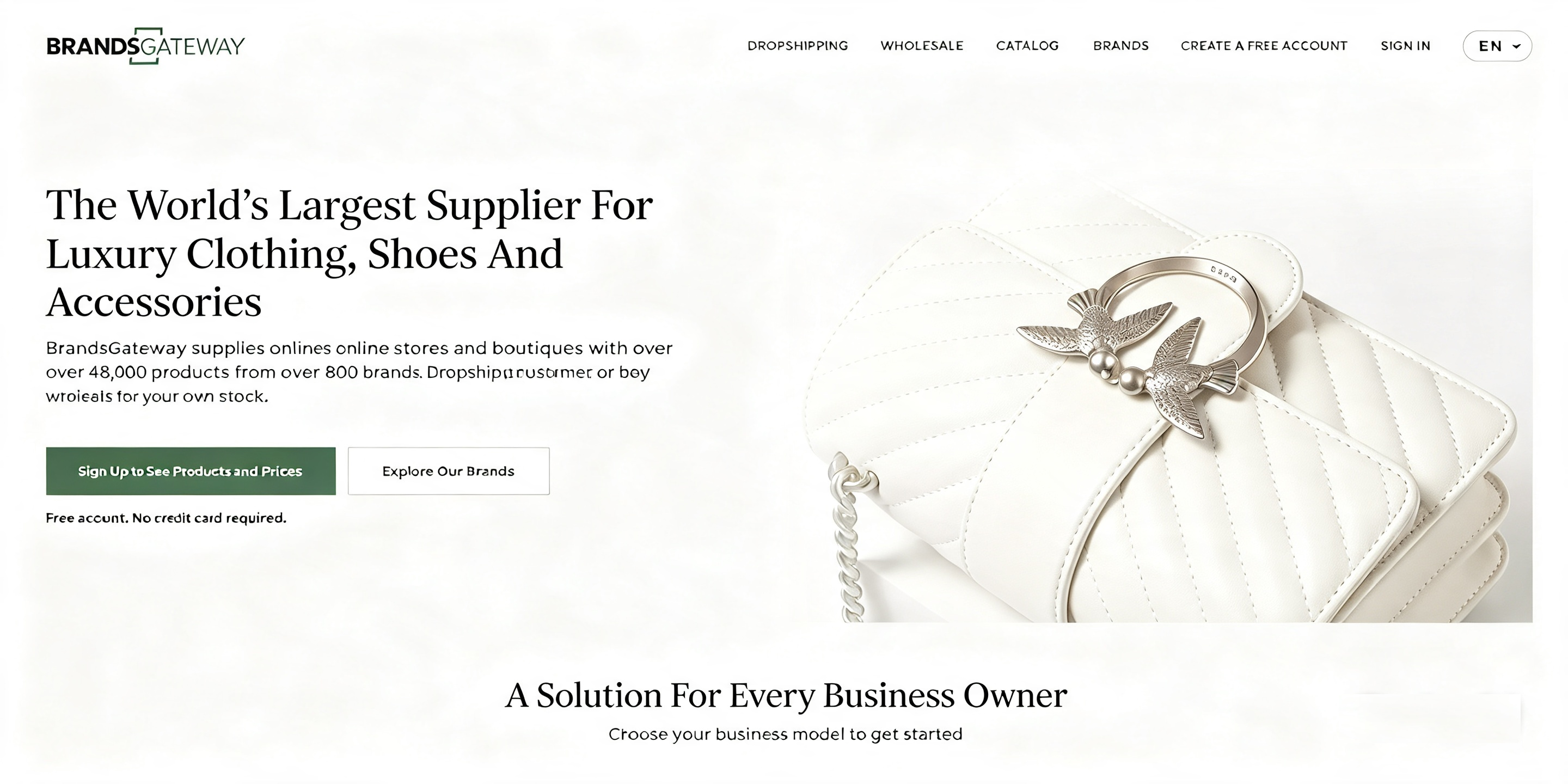
BrandsGateway specializes in designer fashion distribution and offers wholesale and dropshipping-oriented services.
Its business model appeals to retailers interested in premium fashion categories rather than inexpensive mass-market clothing.
Designer apparel resale requires particular attention to authenticity, product documentation, brand representation, and customer expectations.
We should request appropriate sourcing documentation and review the supplier's authenticity guarantees before committing to expensive inventory.
Luxury fashion may generate higher average order values, but it can also require greater investment in customer acquisition, returns handling, and fraud prevention.
Best for: Luxury fashion retailers and designer clothing resellers.
Website: brandsgateway.com
11. BULQ – Best for Clothing Liquidation Inventory
BULQ is known for liquidation merchandise, including returned and excess retail inventory.
Liquidation sourcing can provide opportunities to purchase merchandise below conventional retail prices, but availability and product conditions vary.
For clothing resellers, liquidation lots may contain mixed brands, sizes, styles, and conditions.
We should inspect available manifests and understand the difference between new, shelf-pull, returned, and damaged merchandise.
Best for: Experienced liquidation buyers and discount clothing resellers.
Website: bulq.com
Availability of clothing lots and purchasing services should be confirmed before relying on this source for 2027 inventory.
12. B-Stock – Best for Bulk Retail Liquidation
B-Stock operates liquidation marketplaces through which business buyers can source excess inventory and customer returns.
For clothing resellers with sufficient storage and sorting capacity, liquidation auctions can create opportunities to acquire merchandise in bulk.
However, the actual profitability of an auction lot depends on more than its advertised retail value.
We must account for freight, buyer fees, damaged units, missing items, cleaning, sorting, and unsellable inventory.
Best for: Established resellers, outlet businesses, and bulk inventory buyers.
Website: bstock.com
13. ThredUp – Best for Secondhand Clothing Resale Research
ThredUp is an online secondhand clothing marketplace rather than a conventional wholesale supplier.
It can nevertheless be useful for understanding secondhand fashion pricing, identifying resale categories, and occasionally sourcing individual garments when the economics are favorable.
We should not assume that ThredUp offers standard wholesale purchasing terms.
For resale sourcing, the most important consideration is whether an item can be acquired at a sufficiently low total cost to justify resale fees, shipping, and handling.
Best for: Secondhand clothing resellers and entrepreneurs researching resale demand.
Website: thredup.com
14. Gildan – Best for Blank T-Shirts and Custom Apparel
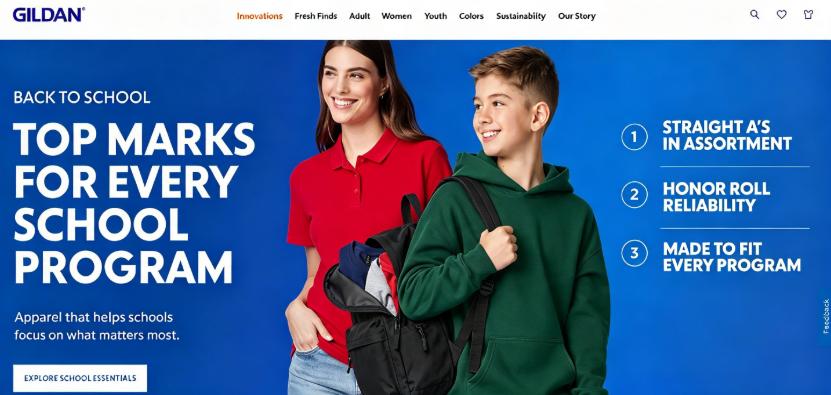
Gildan is a recognized manufacturer of blank apparel, including T-shirts, sweatshirts, and other everyday garments.
Blank clothing offers opportunities for resellers interested in customized merchandise, print-on-demand businesses, event apparel, and private-brand products.
We can purchase suitable blank garments through authorized distributors and add value through screen printing, embroidery, or other decoration techniques.
Before selling customized clothing, we should test print durability, garment shrinkage, and fabric performance.
Best for: Custom T-shirt businesses, branded merchandise sellers, and apparel decorators.
Website: gildan.com
15. SanMar – Best for Wholesale Blank Apparel and Branded Clothing
SanMar is a wholesale apparel distributor serving businesses that purchase clothing for decoration, resale, uniforms, and promotional merchandise.
Its assortment includes blank apparel and products from multiple clothing brands.
SanMar is particularly relevant to businesses specializing in corporate apparel, team uniforms, branded clothing, and custom embroidery.
We should review account eligibility, distribution terms, and any applicable restrictions on selling specific brands through online marketplaces.
Best for: Apparel decorators, uniform suppliers, and branded merchandise businesses.
Website: sanmar.com
How to Choose the Best Clothing Vendors for Reselling in 2027
Selecting the right wholesale clothing vendor requires careful evaluation of business compatibility, product quality, and overall sourcing costs.
1. Evaluate Wholesale Clothing Prices
The lowest purchase price does not always produce the highest profit.
We should calculate the complete cost of obtaining and selling each garment, including freight, import duties, packaging, payment processing, and expected returns.
A supplier offering a slightly higher wholesale price may ultimately be more profitable if its merchandise has fewer defects and faster shipping.
2. Review Minimum Order Quantities
Minimum order quantities, commonly called MOQs, determine how many products we must purchase.
Large minimum orders can create financial pressure for new businesses, particularly when demand is uncertain.
We recommend beginning with manageable quantities and increasing purchasing commitments only after identifying consistent sellers.
3. Order Clothing Samples
Samples allow us to assess product quality before investing in inventory.
We should evaluate fabric texture, stitching, garment measurements, durability, and consistency with supplier photographs.
For online clothing stores, accurate sizing is especially important because inconsistent fit can increase return rates.
4. Verify Supplier Reliability
Before working with a wholesale clothing vendor, we should examine its business credentials, customer reviews, return policies, and order fulfillment procedures.
We should also clarify how the supplier handles damaged products, missing items, shipment delays, and manufacturing defects.
5. Understand Shipping and Import Costs
International clothing sourcing may involve customs duties, taxes, freight charges, and additional documentation.
The actual cost depends on the origin country, destination, garment classification, and shipping arrangement.
We should calculate landed costs before establishing retail prices.
How Much Money Can We Make Reselling Clothes?
Clothing resale profitability depends on product sourcing costs, selling prices, sales volume, and operating expenses.
Consider the following illustrative example.
|
Expense or revenue |
Amount |
|---|---|
|
Retail selling price |
$40.00 |
|
Wholesale clothing cost |
$12.00 |
|
Inbound shipping allocation |
$2.00 |
|
Packaging |
$1.00 |
|
Marketplace and payment fees |
$5.00 |
|
Marketing cost |
$4.00 |
|
Returns allowance |
$2.00 |
|
Estimated contribution profit |
$14.00 |
In this example, a garment sold for $40 generates an estimated $14 contribution profit, equivalent to a 35% contribution margin.
This is not necessarily the business's final net profit because fixed expenses, labor, software subscriptions, and other overhead may remain.
To improve profitability, we should monitor contribution margin by product category rather than focusing exclusively on gross sales.
Best Types of Clothing to Resell in 2027
Different clothing categories offer distinct opportunities, depending on customer preferences and sourcing capabilities.
Women's Boutique Clothing
Dresses, matching sets, blouses, and versatile casualwear can support boutiques targeting customers who value frequently refreshed collections.
Vintage and Secondhand Fashion
Pre-owned denim, vintage jackets, and distinctive garments can appeal to shoppers seeking individual styles and lower-cost alternatives to new clothing.
Streetwear and Casual Apparel
Oversized T-shirts, hoodies, cargo pants, and casual basics provide opportunities for specialized streetwear businesses.
Activewear and Athleisure
Leggings, sports tops, joggers, and comfortable lifestyle clothing can serve customers interested in fitness and everyday comfort.
We should select categories based on actual customer demand, competitive pricing, product availability, and our ability to differentiate the merchandise.
Where to Sell Wholesale Clothing for Maximum Profit
Finding reliable clothing vendors is only one part of building a successful resale business. We must also select suitable sales channels.
Shopify

Shopify allows businesses to create branded online stores with control over product presentation, customer experience, and marketing.
It is suitable for entrepreneurs planning to establish a recognizable clothing brand.
eBay
eBay supports clothing resale across numerous categories, including used garments, vintage fashion, and branded merchandise.
It can be particularly useful for testing resale demand and selling individual items.
Poshmark
Poshmark focuses heavily on fashion resale and offers a marketplace for clothing, shoes, and accessories in supported markets.
It is relevant to sellers specializing in secondhand or branded fashion.
Depop
Depop is a fashion resale marketplace associated with vintage, streetwear, and individual style.
Its audience and marketplace format may suit sellers with distinctive visual branding.
TikTok Shop
TikTok Shop enables eligible merchants in supported markets to sell products through social commerce features.
Clothing businesses can use product demonstrations, styling videos, and creator partnerships to present merchandise to potential buyers.
We should verify current seller eligibility, local marketplace rules, and applicable fees before choosing any sales platform.
How to Start a Clothing Reselling Business With a Small Budget
We can begin a clothing resale business without immediately purchasing hundreds of garments.
The most effective approach is to validate demand before committing substantial capital.
Step 1: Identify a specific niche. Rather than attempting to sell every type of clothing, we should focus on a clearly defined customer group, such as vintage denim enthusiasts, modest fashion shoppers, or affordable women's boutique customers.
Step 2: Research competitors. We should examine comparable products, retail prices, customer feedback, and product positioning across relevant marketplaces.
Step 3: Contact several clothing vendors. Comparing multiple suppliers allows us to evaluate wholesale prices, product quality, minimum orders, and shipping terms.
Step 4: Purchase a small test inventory. We should prioritize a limited assortment with manageable size and color variations.
Step 5: Create compelling product listings. High-quality photographs, accurate measurements, fabric details, and clear return information help customers make informed decisions.
Step 6: Measure product performance. We should monitor conversion rates, inventory turnover, contribution margins, and customer returns.
Step 7: Reinvest selectively. Once we identify consistently profitable products, we can increase inventory while reducing purchases of slow-moving styles.
Common Mistakes to Avoid When Buying Wholesale Clothes

Even experienced resellers can lose money through poor inventory decisions.
One common mistake is purchasing large quantities simply because a supplier offers a substantial discount. Unsold clothing ties up working capital and may require markdowns to clear.
Another mistake is relying entirely on supplier product photographs without checking garment quality. Discrepancies between photographs and delivered products can lead to dissatisfied customers.
We should also avoid selling counterfeit branded clothing or assuming that every supplier has authorization to distribute trademarked products.
Finally, we must distinguish between revenue and profit. A clothing business can generate substantial sales while remaining unprofitable if advertising, shipping, returns, and inventory losses are not controlled.
Frequently Asked Questions About Clothing Vendors for Reselling
What is the best vendor for reselling clothes in 2027?
FashionGo, Faire, and LA Showroom are strong starting points for boutique wholesale sourcing. Alibaba is useful for bulk manufacturing and private-label projects, while SanMar is suited to blank apparel and customized clothing businesses. The best choice depends on our target market, order volume, and sourcing requirements.
Where can beginners buy clothes in bulk to resell?
Beginners can explore wholesale marketplaces such as FashionGo, Faire, OrangeShine, and LA Showroom. Before ordering, we should confirm account eligibility, minimum quantities, and supplier policies.
Can we start reselling clothes with $100?
A $100 budget may be sufficient to test a small secondhand clothing resale operation using thrifted or individually sourced garments. However, it may not cover the minimum order quantities and shipping costs required by conventional wholesale suppliers.
Is buying wholesale clothing cheaper than retail?
Wholesale purchasing generally offers lower unit prices in exchange for business purchasing requirements or larger quantities. Nevertheless, total costs can rise considerably after freight, duties, taxes, and other expenses.
Do we need a business license to buy wholesale clothes?
Requirements vary by jurisdiction and supplier. Some wholesalers require business registration, resale certificates, or tax documentation. We should confirm the legal requirements in the location where our business operates.
Can we resell clothes without holding inventory?
Yes. Dropshipping and certain print-on-demand arrangements allow businesses to sell products without storing merchandise themselves. However, supplier reliability, fulfillment speed, customer service, and return management remain important responsibilities.
What clothing has the highest resale value?
Certain authenticated designer pieces, desirable vintage garments, limited-release streetwear, and sought-after branded items can retain strong resale value. Actual prices depend on condition, authenticity, size, demand, and current market supply.
How do we find legitimate clothing wholesalers?
We should verify company details, review supplier terms, request samples, compare independent feedback, and use secure payment methods. For large orders, additional due diligence or third-party inspections may be appropriate.
Final Thoughts: Choosing the Best Clothing Suppliers for Reselling in 2027
The best 15 vendors for reselling clothes in 2027 provide sourcing options for different types of fashion businesses, from small online boutiques to established wholesale clothing retailers.
For boutique fashion, FashionGo, LA Showroom, Faire, and OrangeShine offer useful opportunities to discover wholesale merchandise. For private-label clothing, Alibaba provides access to manufacturers and customization options.
For blank apparel and decorated merchandise, Gildan and SanMar are relevant suppliers. Businesses specializing in liquidation or secondhand fashion can explore alternative sourcing models through platforms such as B-Stock and resale marketplaces.
We recommend starting with a clearly defined clothing niche, comparing multiple suppliers, ordering samples, and calculating realistic profit margins before making substantial inventory investments.
By combining reliable clothing vendors, disciplined inventory management, competitive pricing, and effective marketing, we can build a clothing resale business positioned for sustainable growth throughout 2027 and beyond.