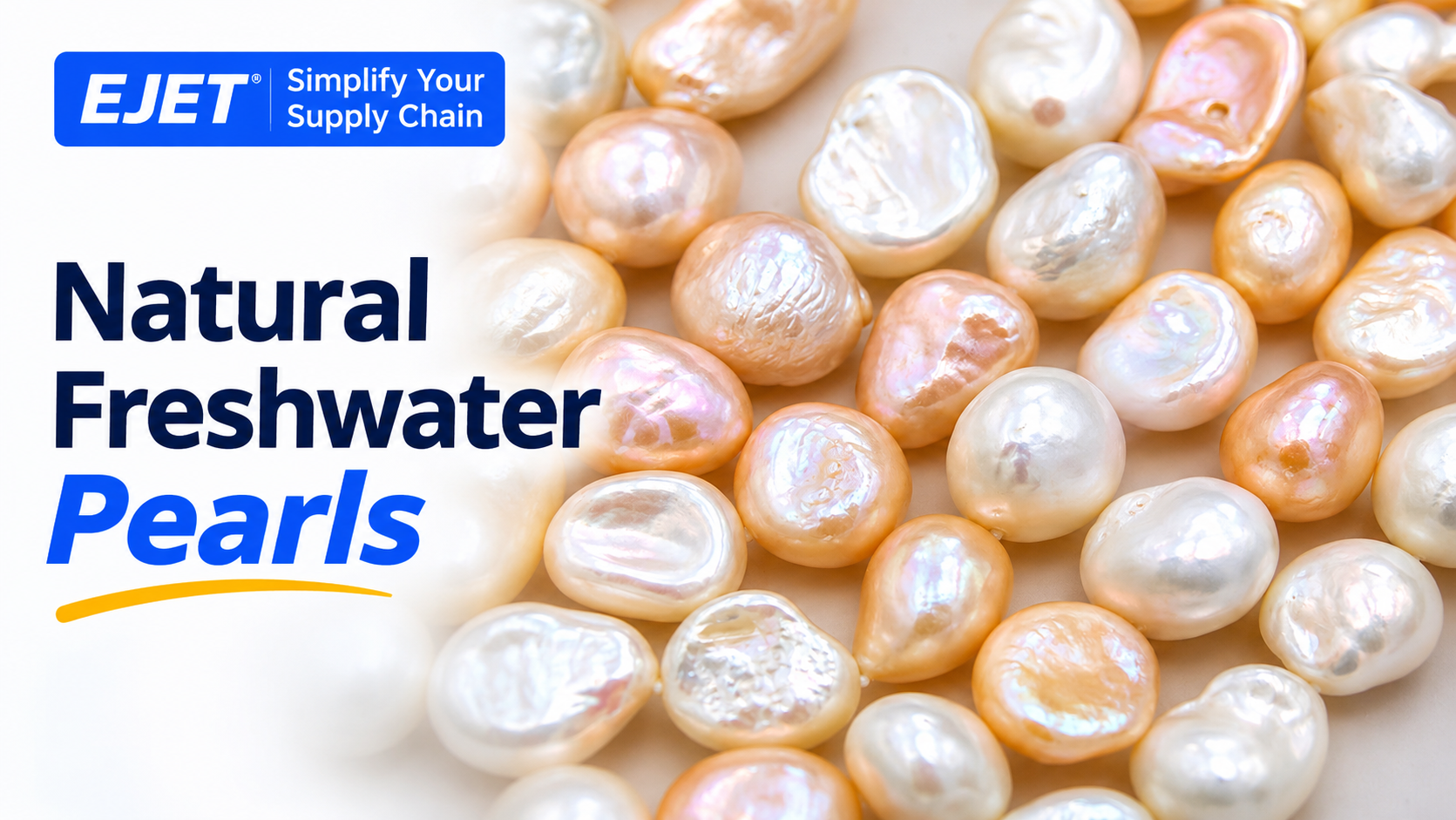
Buying baroque pearls wholesale from China for jewelry making starts with choosing material that fits your designs, not simply finding the lowest strand price.
This article explains how to assess cultured pearl quality, specify drilling and matching, compare suppliers, and plan a sample order.
The aim is a purchase you can turn into wearable jewelry with fewer surprises.
What are baroque pearls, and are they natural or cultured?
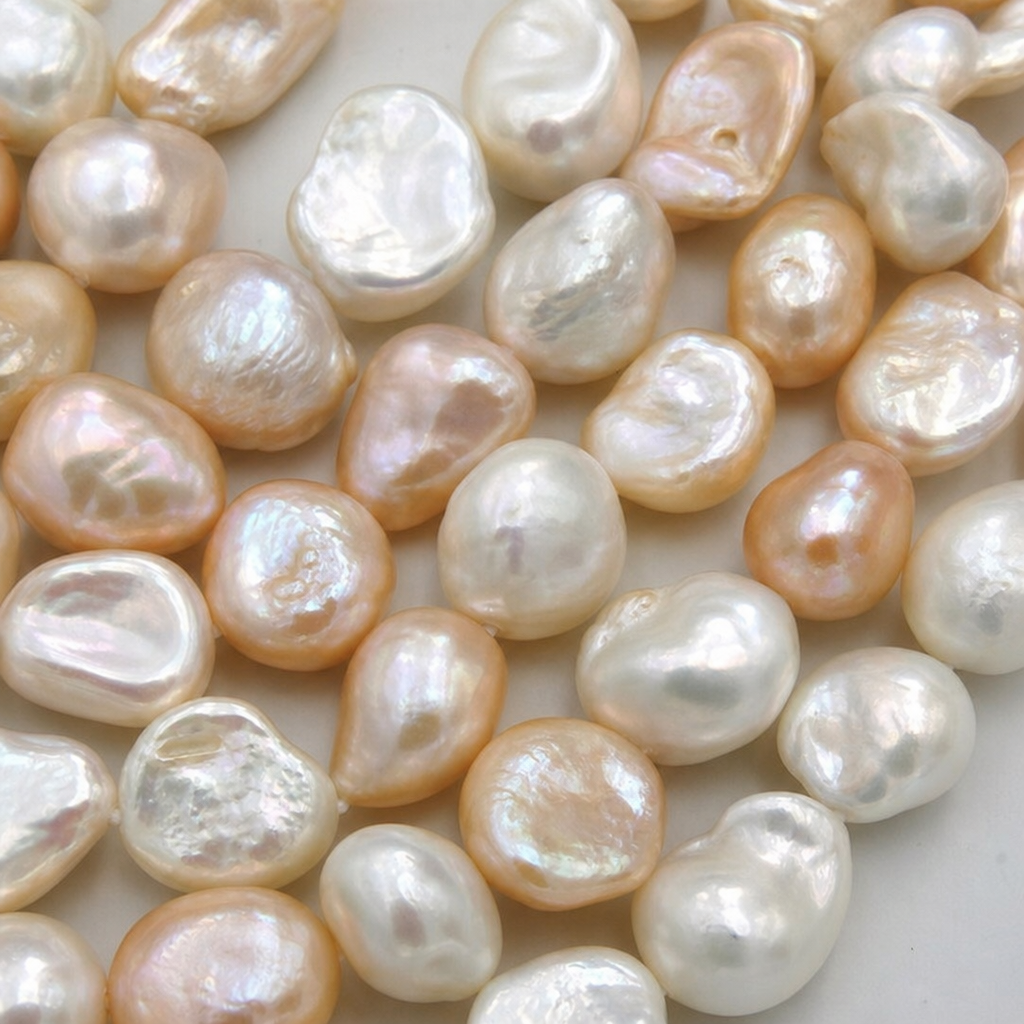
Baroque pearls are pearls with irregular, free-form shapes rather than a round outline. The word “baroque” describes shape; it does not establish whether a pearl is natural, cultured, freshwater, or saltwater. GIA distinguishes these characteristics separately, so a useful supplier description should identify more than shape alone.
That distinction matters when you encounter listings for natural baroque pearls. Natural pearls form without human intervention, while cultured pearls develop following human involvement in the growth process. Cultured pearls are not the same as imitation pearls, which are manufactured from materials such as glass or plastic.
Ask suppliers to state the identity explicitly rather than interpreting “natural” as shorthand for genuine.
For U.S. consumer-facing descriptions, the FTC advises identifying cultured pearls clearly; “freshwater” alone does not adequately communicate that they are cultured. Build accurate terminology into your purchasing records so your finished jewelry descriptions reflect what you bought.
China as a sourcing option for jewelry makers
China is a major source of freshwater cultured pearls. GIA research identifies it as the dominant source of both bead-cultured and non-bead-cultured freshwater pearls, making it a relevant starting point for buyers exploring this material. That production background does not, by itself, establish the quality of an individual supplier or shipment.
When searching for baroque freshwater pearls wholesale, treat country of supply and product suitability as separate decisions. Ask whether the seller is supplying loose pieces, temporary strands, matched pairs, or selected focal pearls. Then compare those options against your production needs rather than assuming every wholesale listing offers equivalent material.
For a small collection, consider requesting a limited selection with clear specifications. For repeat production, put more emphasis on the supplier’s ability to explain acceptable variation and identify comparable replacement stock. Neither approach requires buying the largest available lot.
How do you evaluate wholesale baroque pearls before ordering?
Evaluate wholesale baroque pearls by checking identity, luster, surface condition, dimensions, color, and suitability for the intended design. GIA’s seven pearl value factors are size, shape, color, luster, surface quality, nacre quality, and matching. Use these as a shared vocabulary, then translate your preferences into written acceptance criteria.
Luster and surface condition
Luster concerns the brightness and sharpness of reflections. Surface characteristics can affect appearance and, when severe, durability. An irregular outline is part of a baroque pearl’s shape, but it should not be treated as evidence that every surface defect is acceptable.
Request close photographs of multiple pieces, including their backs and drill-hole areas. Ask for a short video under consistent lighting, then assess physical samples before approving a larger purchase. Record which marks you would accept on a hidden mounting side and which would make a piece unsuitable for your collection.
Dimensions and visual balance
For irregular pieces, request length and width rather than relying on one size label. Ask what the quoted range measures and whether unusually large or small pieces are included. For focal designs, consider requesting individual measurements instead of a broad lot description.
Matching involves more than identical outlines: GIA includes consistency in size, shape, color, luster, and surface quality.
For earrings, ask to approve pairs together. For necklaces, lay out the sample strand and decide whether its variation looks intentional within your design.
Color and treatment information
Ask the supplier to distinguish the pearl’s color description from its treatment history. Request written information about dyeing, bleaching, coatings, or other disclosed treatments rather than drawing conclusions from photographs. The FTC identifies bleaching, dyeing, and irradiation among treatments used to alter pearl appearance.
Keep that response with the invoice and sample record. If the seller cannot answer a treatment question, record the uncertainty instead of turning an assumption into an “untreated” claim. Choose another lot if that uncertainty conflicts with your product positioning.
Match the purchase format to your jewelry designs
Before comparing prices, decide what you need the pearls to do. Sketch the finished piece, select the intended findings, and identify which characteristics must remain consistent. Then ask suppliers for material selected around those requirements.
Use this design-led purchasing checklist:
- Earrings: Request paired photographs and compare length, visual volume, color, and the intended hanging direction. Specify whether you want close matching or deliberate asymmetry.
- Single-pearl pendants: Ask to see the front, back, and attachment area of each focal piece. Choose the orientation before confirming drilling.
- Strung necklaces: Review an entire strand, not only its most attractive section. Decide whether you need a graduated arrangement or a balanced mix.
- Bracelets: Build and wear-test a sample to assess comfort, spacing, and movement before committing to production quantities.
- Mixed-material designs: Place samples alongside your actual chains, stones, and findings. Approve the combination in person rather than matching separate product photographs.
For baroque pearl jewelry, use variation as a design choice, not an excuse to accept an unsuitable lot. A dramatic focal pearl and a coordinated earring pair call for different selection criteria. Write those criteria before asking a supplier to choose for you.
Specify drilling before approving baroque pearl beads
Treat drilling as part of your purchase specification, not an afterthought. For baroque pearl beads, ask the supplier to confirm hole diameter, hole direction, and whether the pieces are fully drilled, half-drilled, or undrilled. Request a diagram or marked photograph if the intended orientation could be misunderstood.
Test the sample with the exact wire, cord, pins, or findings you plan to use. Check the assembled piece from the front and side, then move it as a wearer would. Do not approve the bulk order merely because the components fit individually; approve the finished arrangement.
If you need a supplier to drill selected pieces, agree on the placement before work begins. Also clarify how mistakes or damage will be handled. Include drilling instructions in the order confirmation so they remain attached to the transaction rather than buried in a separate conversation.
Build a supplier brief that makes quotations comparable
Send the same brief to each shortlisted supplier. A consistent request gives you a basis for comparing quotations and makes unanswered questions easier to spot. Keep it specific enough to guide selection without demanding impossible uniformity from an intentionally irregular material.
Your brief should cover:
- Identity: Cultured or natural, freshwater or saltwater, and any supporting documentation requested.
- Appearance: Preferred color, shape character, luster expectations, and examples of acceptable surface marks.
- Measurements: Length and width ranges, plus any restrictions for focal pieces or pairs.
- Drilling: Hole size, direction, depth where relevant, and tolerance agreed with the supplier.
- Quantity: Pieces, pairs, or strands, with strand length and approximate bead count requested where applicable.
- Selection evidence: Actual-lot photographs, sample requirements, and whether pictured pieces are reserved.
- Commercial terms: Minimum order, lead time, payment terms, shipping responsibilities, and the process for reporting discrepancies.
Ask suppliers to explain any grade labels in descriptive terms. Rather than relying on “premium” or an unexplained letter grade, request photographs and written criteria that you can use during inspection. Keep an approved sample or reference set for future orders.
What should your first wholesale order include?
Your first wholesale order should include a representative sample, written product specifications, and a clear process for addressing material that differs from the agreement. Choose enough material to test your main designs without committing your full collection budget. Treat the order as a production trial rather than simply a visual preview.
Follow a practical approval sequence:
- Request representative material. Ask whether the sample reflects the proposed bulk lot or has been individually selected to a different standard.
- Inspect before assembly. Photograph the shipment, compare quantities and measurements, and note any discrepancies while the pieces remain identifiable.
- Make finished samples. Test drilling compatibility, orientation, spacing, and your assembly method using actual production components.
- Record usable yield. Separate pieces suitable for the planned design from those needing another use or rejection.
- Approve the next order in writing. Refer to the sample and specify the variation you will accept.
Do not assume that approving one sample automatically reserves comparable stock. Ask what is available, what will be selected later, and whether the supplier will seek approval before making substitutions. Resolve those points before scheduling a launch around the shipment.
Compare usable cost, not just the advertised price
When comparing wholesale baroque pearls, calculate the cost of material you can actually use in the intended collection. Include quoted product cost, shipping, payment charges, inspection or selection work, and any relevant import charges you have verified. Avoid applying an assumed duty rate or treating an incomplete quote as the final cost.
A useful planning formula is:
Effective cost per usable pearl = total attributable purchasing cost ÷ number of pearls suitable for the intended design.
Keep matching labor visible in your comparison. If an earring project requires you to sort a mixed lot into pairs, record that time during the trial order. Compare the result with a quotation for supplier-selected pairs before deciding which purchasing format suits your workflow.
Also separate inventory flexibility from waste. A piece that misses your pendant specification might suit another planned design, but do not count that possibility as a sale. Assign alternative uses deliberately rather than accumulating unplanned stock to justify a low purchase price.
Keep product descriptions and care instructions accurate
Carry supplier information through to your finished listings. If the material is freshwater cultured pearl, use that description rather than shortening it to a claim that implies natural origin. For U.S. sales, FTC guidance calls for clear cultured-pearl identification and disclosure of treatments in specified circumstances, including effects on permanence, special care, or significant value. (search.ftc.gov)
Photograph representative finished pieces and explain the variation customers should expect. For one-of-a-kind designs, consider showing the exact piece being sold. Keep color descriptions restrained, and avoid unsupported claims such as “untreated,” “rare,” or “sustainably sourced” unless you have evidence supporting them.
Provide care instructions with the jewelry. GIA recommends keeping pearls away from harsh chemicals and scratching hazards, wiping them after wear, and storing them in a soft pouch or case rather than a hot, dry environment. Translate that into a short care card customers can keep.
Start with a specification, then scale with confidence
A wholesale pearl purchase should support both your design and your production process. Define the material accurately, approve representative samples, test the actual findings, and compare cost against usable output. Keep photographs and written agreements so the next order has a clear reference point.
Before requesting a bulk quotation, prepare one concise brief covering identity, appearance, dimensions, drilling, quantity, and acceptance criteria. That preparation gives you a stronger basis for choosing a supplier—and a clearer path from loose cultured pearls to finished jewelry.
Frequently Asked Questions About Baroque Pearls
What are baroque pearls, and how do they differ from other types of pearls?
Baroque pearls are characterized by their irregular, free-form shapes, as opposed to the traditional round shape found in other pearls. They can be either natural or cultured, and it's essential to understand the difference when purchasing.
Why should I consider sourcing baroque pearls from China?
China is a leading source of freshwater cultured pearls, including baroque pearls. The country's significant production capacity makes it a viable option for buyers, but it's important to evaluate individual suppliers for quality.
What factors should I consider when evaluating wholesale baroque pearls?
You should assess factors such as luster, surface condition, dimensions, color, and suitability for your designs. GIA's pearl value factors can help guide your evaluation process.
How can I ensure that the baroque pearls I purchase are suitable for my jewelry designs?
It's crucial to specify your needs clearly to suppliers, including color, shape, size, and drilling requirements. Consider requesting samples and inspecting them to ensure they meet your design criteria before committing to a larger order.
What should I include in my supplier brief when purchasing baroque pearls wholesale?
Your supplier brief should include details about the identity of the pearls (natural vs. cultured), appearance preferences, size measurements, drilling specifications, quantity needed, and any selection evidence you require from suppliers to ensure transparency and consistency.