Global Sources, Alibaba, and Made-in-China connect business buyers with suppliers, but their sourcing tools deserve different consideration: Global Sources combines online discovery with trade shows, Alibaba offers marketplace search and Trade Assurance, and Made-in-China provides supplier audit reports alongside its trading services.
This comparison explains those differences and how to evaluate them against your order requirements—not just the platform’s reputation.
Which sourcing platform is best for your business?
There is no universal winner in the Global Sources vs Alibaba vs Made-in-China comparison.
Based on their published features, Alibaba is a practical starting point for online supplier discovery and eligible protected transactions; Global Sources deserves consideration when trade-show meetings matter; and Made-in-China is useful when detailed supplier audit information supports your shortlist.
Treat these as starting recommendations, not rankings of individual suppliers.
|
Platform |
Useful starting point for |
Feature to investigate |
Main buyer responsibility |
|---|---|---|---|
|
Alibaba |
Online product discovery and quotation gathering |
Verified Supplier reports and Trade Assurance |
Confirm supplier capabilities and eligible order protection |
|
Global Sources |
Combining online research with supplier meetings |
Verification information and trade-show connections |
Distinguish business verification from manufacturing capability |
|
Made-in-China |
Reviewing Chinese suppliers through audit documentation |
Audited Supplier reports and Secured Trading Service |
Read the report and check transaction terms |
These distinctions reflect the platforms’ own descriptions, rather than independent performance testing. Use the table to decide where to begin researching, then compare actual suppliers against the same purchasing brief.
Your first decision should therefore be about the purchase: ready-made inventory, a modified existing product, or a custom manufacturing project. Write that down before browsing.
Otherwise, an attractive listing can pull your search toward something that does not meet the original requirement.
Alibaba: online discovery with an integrated ordering route
Alibaba lets buyers search its marketplace or submit a request for quotation, commonly called an RFQ. The RFQ route allows you to describe a requirement and collect supplier responses instead of approaching every company separately. It is particularly worth investigating when you already have a specification that suppliers can price consistently.
For example, avoid asking only for “branded storage boxes.” Specify the material, dimensions, quantity, printing, packaging, and destination. Alibaba’s RFQ guidance recommends defining these details because an incomplete request produces offers that are harder to compare.
Alibaba also offers Verified Supplier assessments. Its published program includes third-party checks covering company information, production capabilities, products, and process controls, with inspection reports available to buyers. However, Alibaba explicitly distinguishes these assessments from guarantees of product or certificate authenticity.
Recommended approach: use search or RFQs to build an initial shortlist, then read the underlying reports. Ask suppliers to answer unresolved technical questions before requesting revised quotations. Keep discovery, qualification, and ordering as separate decisions rather than treating a strong profile as purchase approval.
Global Sources: online research connected to supplier meetings
Global Sources combines an online sourcing platform with exhibitions and buyer-supplier connections. Its exhibitions highlight categories including consumer electronics and fashion accessories.
For buyers who want to research suppliers online and then examine products or discuss requirements face-to-face, that connection is a meaningful reason to investigate the platform.
A useful Global Sources review should explain its verification labels rather than treating them as interchangeable endorsements. Global Sources says Verified Suppliers have had business registration details checked by independent third parties.
Its Verified Manufacturer designation concerns a government-licensed manufacturing business scope, while its O2O Manufacturer label connects an online company profile with upcoming exhibition participation.
Those definitions answer different questions. A registered company, a licensed manufacturing scope, and an exhibition presence are distinct pieces of information; none alone answers whether a supplier can execute your exact order. That is the practical implication of reading each label according to its stated scope.
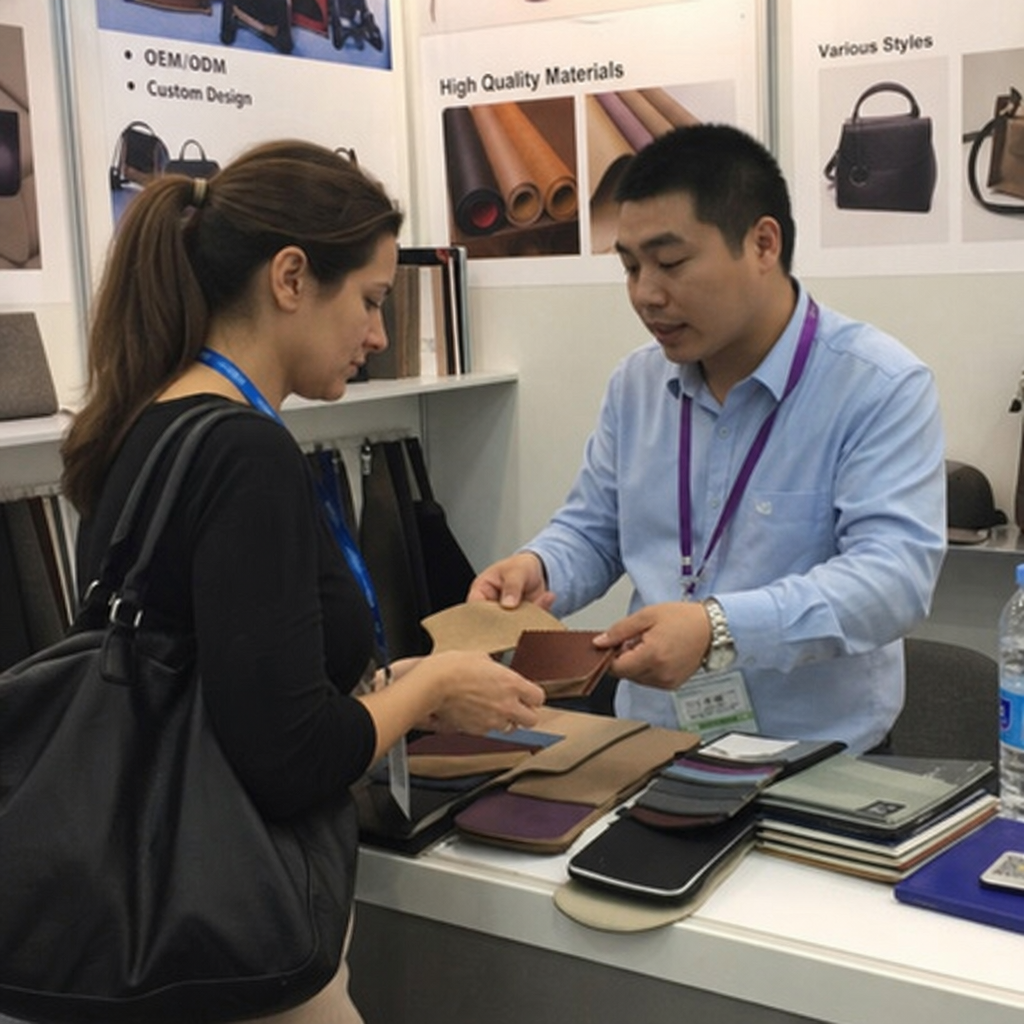
Recommended approach: prepare a meeting agenda before contacting exhibitors. Bring a product specification and ask about materials, customization boundaries, sample approval, and production arrangements. Use the conversation to resolve specific uncertainties rather than simply collect catalogs.
Made-in-China: audit reports for supplier qualification
Made-in-China gives buyers access to an Audited Supplier program involving on-site verification and downloadable reports. The platform names SGS, Bureau Veritas, TÜV Rheinland, and CTI among its inspection partners, and states that the reports are available online free of charge. This makes the documentation worth examining early in your research.
Its audit-report directory includes categories such as industrial equipment, manufacturing machinery, electrical products, packaging, and consumer goods. Available report topics include company information, export capability, research and development, production, and quality control. This supports a document-led search across multiple categories, not only machinery.
When reviewing a report, focus on the sections relevant to your purchase. For a custom enclosure, investigate manufacturing and quality-control information; for a branded stock item, start with the supplier’s role and product requirements. Do not award extra weight to an impressive section that has little bearing on your order.
Recommended approach: use the report to create follow-up questions. Ask the supplier to explain how its documented capabilities apply to your specification, identify any outsourced work, and describe the proposed approval process. A report should make your interview sharper, not replace it.
How do verification and buyer protection differ?
Verification concerns information about a supplier; buyer protection concerns an eligible transaction and the applicable service rules. Alibaba, for example, publishes its Verified Supplier assessment separately from Trade Assurance. Made-in-China likewise separates supplier audits from its Secured Trading Service. Evaluate both layers before paying.
Supplier checks are a starting point
The programs do not describe identical checks. Global Sources explains business-registration and manufacturing-scope designations; Alibaba describes third-party assessments of company and operational information; Made-in-China provides on-site audit reports covering several capability areas. Compare the evidence underneath the badge, rather than assuming similar labels mean equal coverage.
Build your own review around four items: the legal company identified, the facility or business assessed, the assessment date, and the activities covered. Then list what remains unanswered about your specific product. This keeps the qualification process focused on evidence rather than visual reassurance.
Transaction protection depends on the ordering route
Alibaba’s Trade Assurance requires an eligible order and payment through Alibaba.com; its help center states that payments outside the platform cannot be protected. Refund requests are assessed under the applicable policy and order circumstances, rather than being automatic compensation for every disagreement.
Made-in-China offers Secured Trading Service with published payment, refund, and dispute provisions. For Global Sources transactions, check the payment route and applicable terms offered for the particular purchase rather than assuming another marketplace’s protections apply. Verification information alone does not establish a transaction’s refund arrangements.
Before paying, save the order specification, payment instructions, relevant policy, and agreed delivery requirements together. Ask support to clarify anything ambiguous while you still have the option to pause.
Compare the full purchase, not the listing price
Treat your quote comparison as a purchasing worksheet, not a leaderboard of headline prices. Ask each supplier to quote the same quantity, specification, packaging, and delivery arrangement. Alibaba’s buyer guidance specifically recommends discussing samples, minimum order quantity, and shipping terms before placing a B2B order.
Use these fields in your worksheet:
- Product scope: exact model, materials, dimensions, finish, and included accessories.
- Order quantity: total units and minimums for each color, size, or variation.
- Development: samples, artwork preparation, tooling, and revision allowances.
- Packaging: individual packs, labels, cartons, and any special protection.
- Delivery: shipment origin, destination, shipping term, and quoted transport scope.
- Unresolved costs: anything excluded, provisional, or awaiting confirmation.
This checklist expands the product, packaging, quantity, sample, and shipping questions recommended in Alibaba’s buyer resources into a consistent comparison format. Ask suppliers to mark exclusions explicitly rather than leaving blank cells.
For minimum order quantities, confirm the requirement directly even when a listing displays one. Alibaba notes that MOQs may be negotiable and recommends asking about samples before a larger purchase. Do not assume any of these sourcing platforms guarantees low minimums across its suppliers.
A practical workflow across all three platforms
Use the same qualification process wherever you find wholesale suppliers. The following workflow is a recommended way to organize research, not a claim that every purchase needs identical checks. Adapt the depth to the product and the commitment involved.
- Write one sourcing brief. Define the product, intended use, materials, dimensions, quantity, packaging, destination, and timing. Separate nonnegotiable requirements from preferences so suppliers know where alternatives are acceptable.
- Choose a primary search channel. Begin with the platform whose features suit your task. Add a second channel if you need more candidates or a different way to investigate them; there is no need to maintain three full searches automatically.
- Create a comparison sheet. Record company names, contact details, quoted scope, report references, open questions, and next actions. Keep each supplier’s evidence attached to its own record to avoid mixing similar offers.
- Resolve specification gaps. Ask suppliers to confirm the exact product and proposed production arrangement. Require revised quotations when materials, quantities, or delivery assumptions differ from your brief.
- Evaluate samples deliberately. Prepare acceptance criteria before samples arrive. Alibaba recommends samples as a way to examine color, quality, and materials while also assessing the working relationship with the seller.
- Finalize the written order and payment route. Record the accepted specification, quantities, packaging, timing, and agreed remedies. Where using a protection service, verify that the actual order and payment method qualify.
After sampling, write a short decision note for each finalist: what passed, what failed, and what still needs confirmation. Recommend a supplier only when you can explain the choice without relying on its platform badge or lowest quoted price.
Also keep your first-order objective clear. If the goal is to test demand, prioritize an acceptable trial arrangement; if it is to establish repeat production, give more attention to specification control and reorder consistency. These are purchasing priorities to discuss, not benefits a marketplace can promise on a supplier’s behalf.
Choose the platform that helps you verify the supplier
Alibaba, Global Sources, and Made-in-China offer different combinations of discovery, documentation, meetings, and transaction services. The strongest starting point depends on which of those tools helps you investigate your purchase most effectively. Their published features support different workflows, not a universal quality ranking.
Use these B2B marketplaces and trade platforms to find candidates, then make the final decision through comparable quotations, relevant evidence, and clear written requirements. Start with one well-defined product sourcing brief. It will give you a more useful comparison than choosing a marketplace first and deciding what to buy afterward.
Frequently Asked Questions About Global Sources vs Alibaba vs Made-in-China
What is the main difference between Global Sources, Alibaba, and Made-in-China?
Global Sources combines online discovery with trade shows, Alibaba offers marketplace search and Trade Assurance for transactions, and Made-in-China provides detailed supplier audit reports.
Which platform is best for finding wholesale suppliers?
The best platform depends on your specific needs: Alibaba is great for product discovery and quotations, Global Sources is beneficial for face-to-face meetings, and Made-in-China offers thorough audit documentation.
How does Alibaba's Trade Assurance work?
Alibaba's Trade Assurance protects eligible transactions by requiring payment through the Alibaba platform. If issues arise, buyers can file claims based on the agreed terms.
Can I trust the supplier information on these platforms?
While these platforms provide verification services, it's crucial to evaluate the verification details and conduct your own due diligence to ensure the supplier meets your specific requirements.
What steps should I take before placing an order on these platforms?
Start with a clear sourcing brief, choose the right platform for your needs, create a comparison sheet for suppliers, resolve any specification gaps, and verify transaction protections before finalizing your order.