











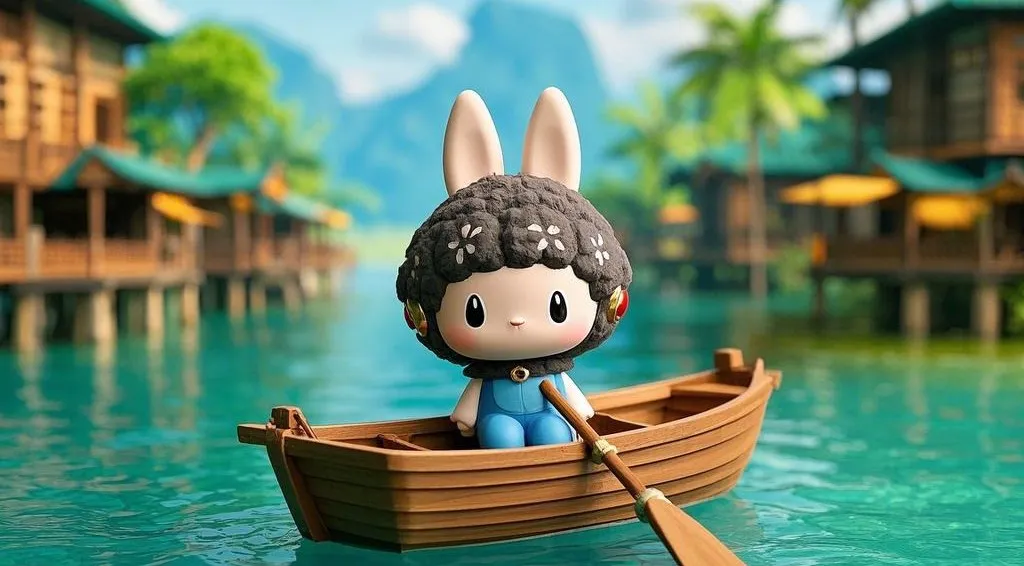
Last year, a doll with iconic long ears and a row of tiny sharp teeth suddenly went viral in Thailand. The character, Labubu, gained massive attention after BlackPink’s Lisa posted five photos of herself with the doll on Instagram. Thailand’s Ubonrat Princess held it close, and Princess Sirivannavari displayed it on her Hermes bag.

Source: Instagram
With the power of social media, Labubu quickly became a national sensation in Thailand. In the streets of Bangkok, both young and old sported the doll on their bags, and some even tattooed its image. Monks could be seen exchanging and admiring their own Labubu dolls during prayers. The last time a toy experienced such a surge in popularity was with Shanghai’s "Chuan Sha Daji" character, Lingna Belle. The driving force behind this viral marketing was the Chinese company Pop Mart. Interestingly, Pop Mart launched Labubu back in 2018, but no one could have predicted that this relatively obscure IP would make a massive comeback in the Thai market with clever marketing tactics.
In July this year, Pop Mart opened a Labubu-themed store in Bangkok, generating an astonishing 10 million RMB in revenue on its opening day. The line to enter the store stretched outside the mall. Pop Mart Chairman Wang Ning remarked, “Now when I go to Thailand, it’s like Steve Jobs visiting China.”The trend of blind boxes has not only swept Thailand but also the entire Southeast Asian region.
In Vietnam, for example, between early July and the end of September, there were 539 blind box stores on major e-commerce platforms, generating a total revenue of 46 billion Vietnamese dong. Young people in Vietnam are especially fond of blind boxes and bags featured in TikTok live streams, with every 3-4 streams selling blind bags. Stores like Milo Shop began streaming blind box unboxing events in September, attracting over 200 customers each time, with most buying multiple blind bags.
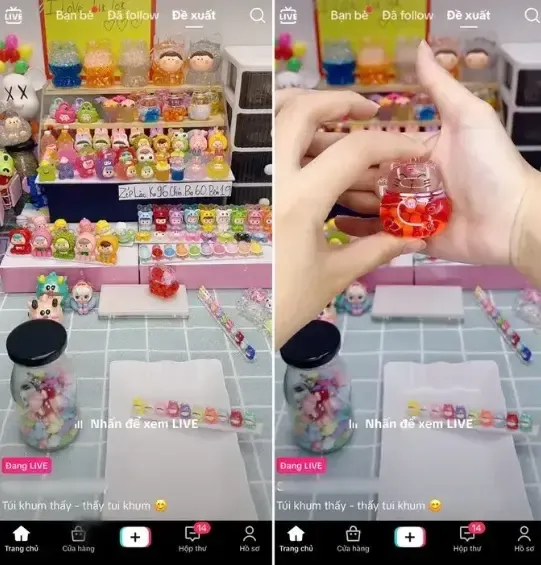
Source: TikTok
These impressive statistics are a sign of the booming Southeast Asian trendy toy market, which is drawing more attention and becoming a new growth hotspot in the toy industry.
Opportunities and Hesitations in the Southeast Asian Trendy Toy Market
The boom in Southeast Asia’s trendy toy market first reached a small town in Dongguan, China. Shipaizhen, the largest toy export base in China, is home to nearly a hundred trendy toy companies, with a total output value exceeding 10 billion yuan. Before the Southeast Asian market took off, the factories in Shipaizhen were mostly involved in OEM production, with small teams of around 50 people and shrinking profits—like frogs in slowly heating water.
When the trend hit, some factory owners took the opportunity to grow, while others hesitated. Ali, a self-deprecating "factory second generation," was motivated by Labubu’s success in Thailand to create his own original IP. In 2024, he designed a rubber plush toy called "Nuomi’er," a cute little girl with a sweet demeanor.
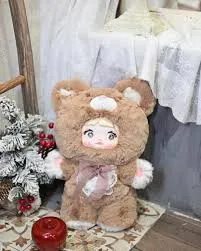
Nuomi’er
The toy’s popularity exceeded Ali’s expectations. After planning it in February and launching it in September, the first batch of several thousand sold out on the first day. The second batch of 300,000 units sold out within a week. Orders kept coming, with the largest order reaching 288,000 units. By now, two million units of Nuomi’er have been shipped, with 90% of sales going to Southeast Asia. Ali made millions in just three months, a sum he claims would take 100 years of factory work to earn.
Why did it become such a hit in Southeast Asia? Ali believes it’s because the product is cute—he put effort into refining the design and is personally satisfied with it, as both he and his daughter love it. However, given the abundance of cute toy IPs on the market, attributing the success solely to "cuteness" seems oversimplified. He admits that he doesn’t know the exact reason, calling it a mystery.
Perhaps that mystery is why so few factory owners have achieved such success. For most small toy businesses, venturing into the international market remains a risky challenge.
A factory in Shipaizhen with around 200 employees noticed an increasing share of overseas orders. However, after a failed collaboration, the owner became hesitant to expand. The client had requested a toy with a beautiful design and vibrant colors, and the factory owner, relying on domestic experience, used rainbow hues. But the overseas customer preferred gold, and this misunderstanding caused the order to fall apart.
Misunderstandings stemming from different cultural preferences, along with issues like mismatched payment schedules, delayed payments, and unfamiliar foreign trade processes, create significant challenges for factory owners. Some even struggle to collect payments from orders coming from small countries.
As a result, an odd phenomenon has emerged: many factory owners are afraid of taking international orders, especially large ones that push them out of their comfort zone. This is common in Shipaizhen, where most factory owners lack the ambition to expand overseas. They prefer staying within the domestic market, relying on a staff member who speaks English to manage international orders, but avoiding taking risks. As such, they lack the confidence to handle complex tasks like creating original IPs.
To Take the Leap or Not in the Booming Trendy Toy Market?
The question of whether to leap in the booming trendy toy market remains a dilemma for many factory owners. Before deciding, it’s essential to understand what’s driving the craze.
First, Southeast Asia’s young consumer base is the key driver. Growing up in a multicultural environment, these consumers have a strong desire for unique, creative products, and trendy toys perfectly meet this demand.
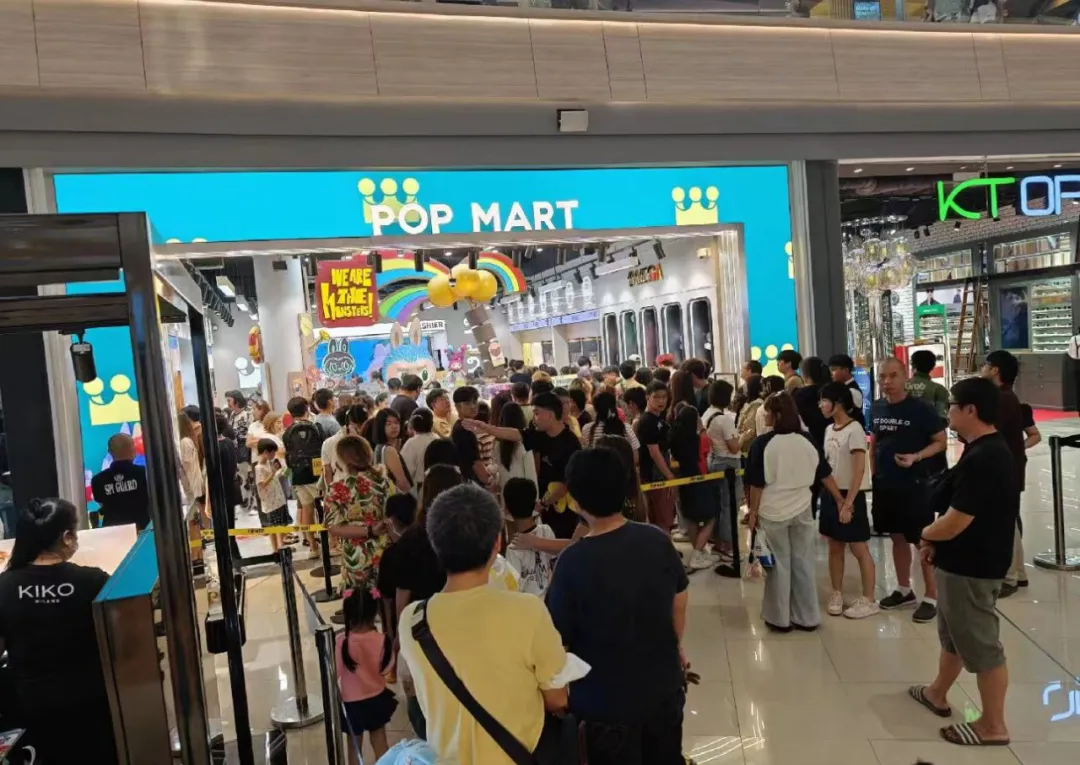
Pop Mart Bangkok store
Second, rising consumption levels have increased expectations for product quality, design, and cultural depth. Trendy toys, with their exquisite designs and rich cultural elements, align with this trend. Social media has turned trendy toys into social currency, with consumers sharing their collections and driving the spread of the trend.
From a product innovation perspective, creative design and IP development are essential. Many brands have created distinctive, cute characters with rich backstories, like Pop Mart’s classic IPs, and use collaborations to keep products fresh.
The blind box format has injected vitality into the market, with its unpredictability and surprise factor stimulating consumer demand. Rare editions also increase their collectible value and conversation potential.
The production process emphasizes precision and fine craftsmanship, ensuring the toys’ visual and tactile appeal, thereby enhancing their artistic value.
In marketing and distribution, social media and influencer marketing play a significant role. Brands use platforms like Weibo and TikTok to share videos and content, with influencers and KOLs promoting products. Online events also increase user engagement and brand loyalty.
E-commerce platforms and live-streaming commerce provide convenient sales channels. In live-streaming sessions, hosts demonstrate products and provide links for direct purchases, improving sales efficiency and product information transmission.
Offline physical stores and trade shows also play a vital role. Physical stores create unique shopping experiences, while toy exhibitions showcase the latest products and trends, becoming important platforms for industry communication, promotion, and sales.
Looking ahead, the Southeast Asian trendy toy market has a bright future. According to market research, it’s expected to grow at an annual rate of 10-15% over the next few years, and by 2030, the market size could exceed 10 billion USD.
As local economies continue to develop, the consumer market will expand, with both high-end limited edition and affordable trendy toys finding ample opportunities. The digital wave will continue to empower the market, and the integration of online and offline sales will likely become the mainstream, offering consumers a richer, more convenient shopping experience.
For those in the trendy toy industry, this is a time full of opportunities and challenges. On one hand, businesses must deeply understand local cultures, anticipate shifts in consumer preferences, and drive innovation to create more hot-selling products. On the other hand, they must optimize supply chains, improve customer service, and enhance brand resilience against risks.
Indeed, making the leap from OEM to a brand is a daunting challenge, and the risk of losses is a constant concern for anyone venturing abroad. However, many are eager to escape the slow and steady pace they’re used to.
As the saying goes: "The harbor is safe, but that’s not where ships are meant to be built."

.png)
.png)