










.png)
Imagine you’ve found the perfect supplier in Shenzhen. The price is 40% below what your Canadian wholesaler charges. Then your container sits at the Port of Vancouver for three weeks because of a missing document, and storage fees erase your profit.
This story plays out far too often, but it is avoidable. Learning how to import from China to Canada takes a clear process, not luck.
China ranks among Canada’s largest sources of imported goods, with annual bilateral trade well above C$100 billion, and thousands of Canadian businesses profit from it each year.
This guide shows you how they do it. You will learn the exact steps, the real costs, and the pitfalls to avoid.
Why Canadian Businesses Import from China
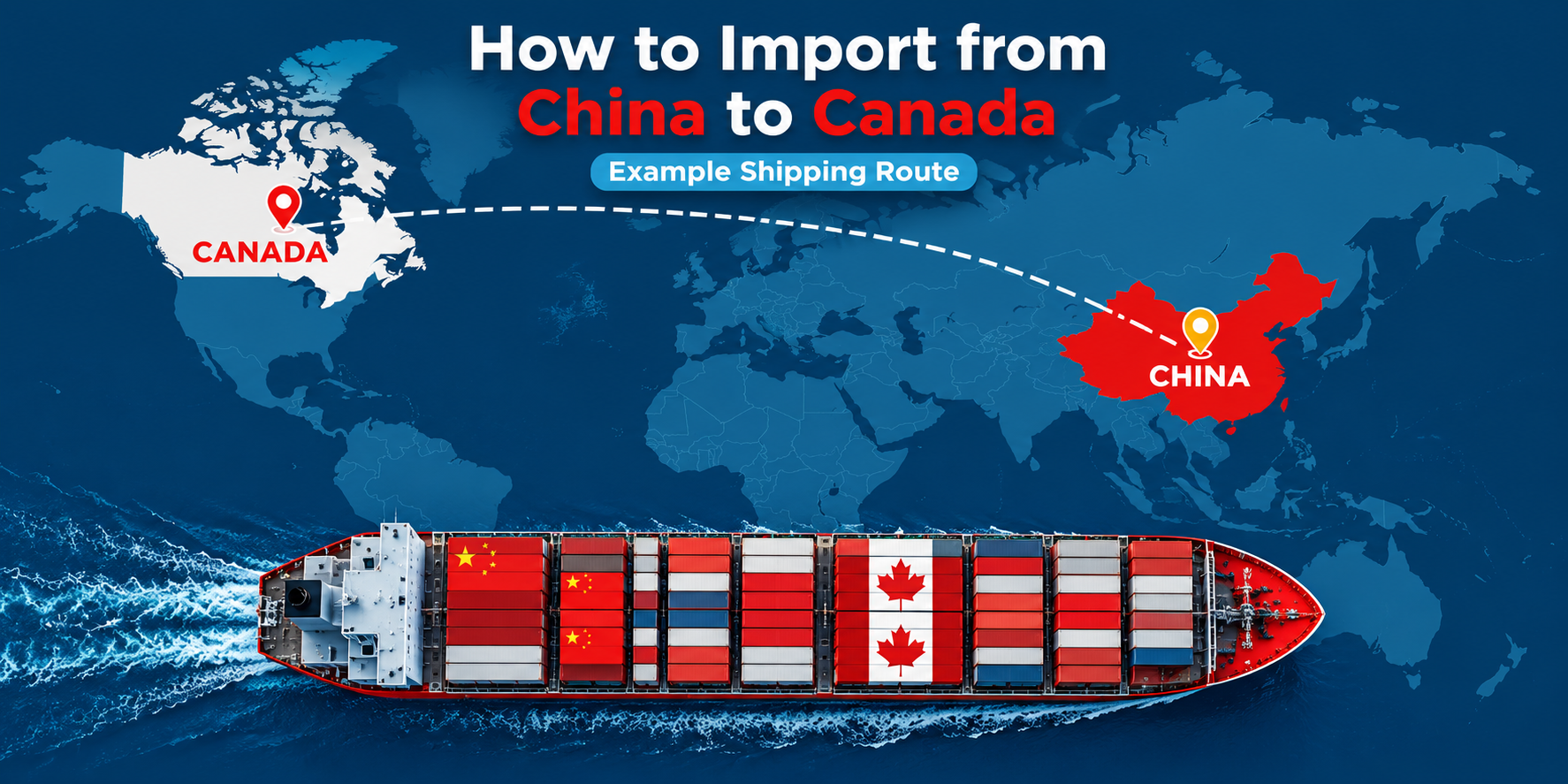
Canadian importers choose China for three core reasons: price, variety, and manufacturing capacity. Chinese factories offer low minimum order quantities (MOQs), fast prototyping, and a supplier ecosystem that covers nearly every product category. Electronics, apparel, furniture, home goods, and industrial components all flow through it.
However, lower unit prices do not guarantee higher profits. Freight, duties, taxes, brokerage fees, and quality failures all affect your margin. Therefore, calculate your landed cost, the full price per unit delivered to your door, before you place any order.
Step 1: Define Your Product and Find Its HS Code
Every imported product needs a Harmonized System (HS) code. Canada uses a 10-digit tariff classification, and that code determines your duty rate.
Classify your product early, because it changes your cost model. A misclassified product can trigger delays, penalties, or overpayment. Use the Canada Border Services Agency (CBSA) Customs Tariff database to find your code. If you feel uncertain, ask a licensed customs broker to confirm it.
Step 2: Check Import Restrictions and Regulations
Not every product enters Canada freely. Several categories require permits, labels, or certifications:
- Food, plants, and animal products: Regulated by the Canadian Food Inspection Agency (CFIA).
- Electronics and appliances: May require CSA or UL certification.
- Children’s products and cosmetics: Health Canada rules apply, including strict safety standards.
- Textiles: Must carry bilingual (English and French) labels with fibre content.
- Steel, aluminum, and certain goods: Canada has applied additional surtaxes on some Chinese-origin products in recent years.
Tariff policy changes quickly, so verify current rates and surtaxes on the CBSA website before you finalize any order. This single check protects your margin.
Step 3: Find and Vet Reliable Chinese Suppliers
Supplier quality decides your success. Start with established channels: Alibaba, Made-in-China, 1688, and trade shows such as the Canton Fair. Then verify every candidate rigorously.
Follow this vetting checklist:
- Confirm the business license and export history.
- Request product samples before committing to bulk orders.
- Compare at least three quotes.
- Order a third-party factory audit for larger purchases.
- Check references from other international buyers.
Many Canadian buyers also hire a China sourcing agent. A good agent negotiates in Mandarin, inspects goods on site, consolidates shipments from multiple factories, and reduces fraud risk. For first-time importers, this support often costs less than a single bad shipment.
Step 4: Negotiate Terms and Choose Your Incoterms
Clear contract terms prevent disputes. Specify the product specifications, unit price, MOQ, production timeline, payment schedule, and quality standards in writing.
Next, choose your Incoterm, which defines who pays for and controls each part of the journey:
- EXW (Ex Works): You manage everything from the factory door. This gives maximum control and maximum responsibility.
- FOB (Free on Board): The supplier delivers goods to the Chinese port. You handle the ocean freight onward.
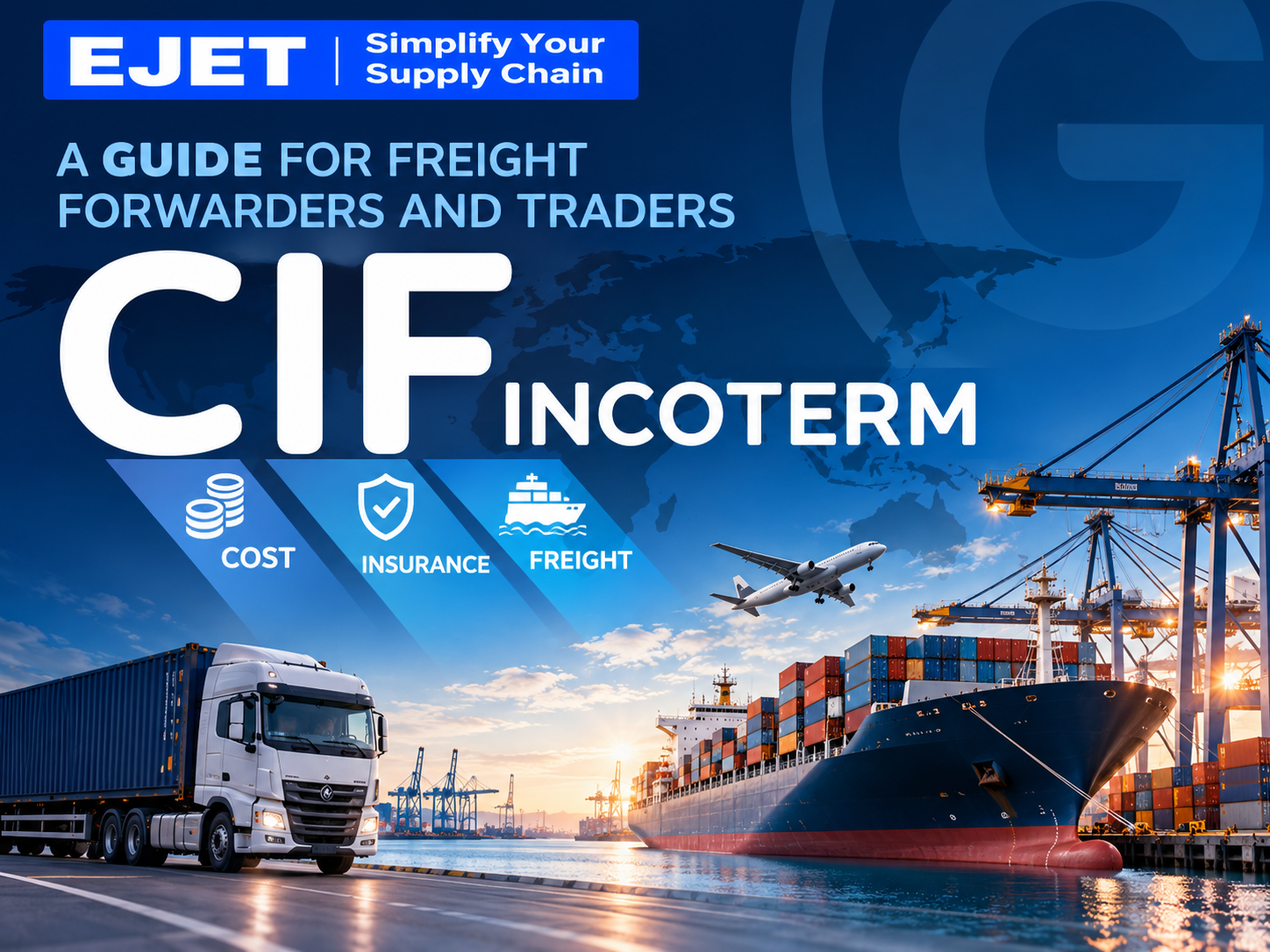
- CIF (Cost, Insurance, Freight): The supplier pays freight and insurance to the Canadian port. You handle import clearance.
- DDP (Delivered Duty Paid): The supplier handles nearly everything. Convenient, but often more expensive.
Most experienced importers prefer FOB because it balances control and simplicity.
Step 5: Secure Payment Safely
Payment fraud is a real risk in international trade. Protect yourself with these practices:
- Pay a 30% deposit and the 70% balance only after inspection.
- Use secure methods such as letters of credit, Alibaba Trade Assurance, or bank transfers to verified company accounts.
- Never pay a personal account for a business order.
In addition, account for currency exchange. The CAD to CNY and USD rates fluctuate, so factor that risk into your pricing.
Step 6: Register with the CBSA
Before you import commercially into Canada, you need a Business Number (BN) with an import/export program account (RM). You can register through the Canada Revenue Agency.
Canada has also moved importers onto CARM (CBSA Assessment and Revenue Management), the CBSA’s online platform for managing accounts, financial security, and duty payments. Many commercial importers must now post a customs bond or financial security. Confirm the current requirements for your business with the CBSA or your customs broker.
Step 7: Choose the Right Shipping Method
Your shipping method affects both speed and cost. Compare your options carefully.
| Method | Typical Transit Time | Best For |
|---|---|---|
| Sea freight (FCL) | 3 to 6 weeks | Large, heavy, non-urgent orders |
| Sea freight (LCL) | 4 to 7 weeks | Smaller volumes sharing container space |
| Air freight | 5 to 10 days | Urgent, high-value, lightweight goods |
| Express courier (DHL, FedEx, UPS) | 3 to 7 days | Samples and small parcels |
| Rail (China to Canada via the U.S.) | 4 to 6 weeks | Inland destinations, a middle option |
Transit times vary by season and port congestion. For example, shipping from Shanghai to Vancouver typically takes about 14 to 20 days at sea, while reaching Toronto can add rail time. Plan for delays around Chinese New Year and the pre-holiday peak season, when capacity tightens and rates climb.
Hire a reputable freight forwarder to coordinate bookings, documentation, and tracking. A forwarder also helps you compare rates and avoid surprise fees.
Step 8: Prepare Your Import Documents
Missing paperwork causes the most common border delays. Prepare these documents before your goods arrive:
- Commercial invoice: Details the buyer, seller, product, value, and terms.
- Packing list: Itemizes contents, weights, and dimensions.
- Bill of lading or air waybill: Proves the carrier accepted your goods.
- Certificate of origin: Confirms where the goods were made.
- Product certifications and permits: Required for regulated goods.
Accuracy matters. Even small discrepancies between documents can trigger inspections. Therefore, review every file twice before shipment.
Step 9: Clear Customs and Pay Duties and Taxes
Once your shipment arrives, a licensed customs broker typically files your entry with the CBSA. You then pay the following:
- Customs duty: Based on your HS code and the product’s value. Many consumer goods carry rates between 0% and 18%, though some textiles and footwear run higher.
- GST/HST: The federal 5% Goods and Services Tax, or the Harmonized Sales Tax of 13% to 15% in participating provinces, applied on the duty-paid value.
- Brokerage fees: Usually a flat fee or a percentage of the shipment value.
- Additional surtaxes: Where applicable to specific products.
Many businesses can recover GST/HST as input tax credits, so keep your documentation organized.
How Much Does It Cost to Import from China to Canada?
Importers ask this question more than any other, and the answer depends on your product, volume, and route. Build your estimate from these components:
- Product cost (unit price multiplied by quantity)
- International freight and insurance
- Customs duties and surtaxes
- GST/HST
- Brokerage and port fees
- Inland delivery in Canada
- Inspection and sourcing agent fees
As a practical rule, add 20% to 40% on top of your factory price to estimate your landed cost. Lightweight goods land at the low end of that range, while bulky, heavy goods land at the high end. Always request a full quote before you commit.
Frequently Asked Questions About How to Import from China to Canada

Do I need a license to import from China to Canada?
Most general goods do not require a special import license. However, you do need a CBSA business number and import account, and certain regulated products require permits.
How long does it take to ship from China to Canada?
Air freight takes roughly 5 to 10 days. Sea freight takes roughly 3 to 6 weeks door to door, depending on origin port, destination, and customs clearance.
Can I import small orders without paying duties?
Canada offers a low-value shipment threshold for courier imports, but it is small, and many goods still attract GST/HST. Check the current CBSA thresholds, because they apply to specific cases and can change.
What is the best way to find a reliable supplier?
Combine platform research, sample testing, factory audits, and, where possible, a trusted sourcing agent on the ground in China.
Should I use a customs broker?
For most commercial importers, yes. A broker ensures compliance, speeds clearance, and reduces costly errors.
Common Mistakes That Cost Importers Thousands
Avoid these traps, because each one has hurt real businesses:
Skipping quality inspections. Inspect before final payment, not after the goods land.
Ignoring total landed cost. A cheap unit price means little once fees stack up.
Choosing the cheapest freight quote blindly. Low quotes often hide add-on charges.
Misclassifying HS codes. Errors lead to penalties and delays.
Ordering too close to peak season. Plan at least 8 to 12 weeks ahead of busy periods.
Conclusion: Start Smart, Scale Confidently
Importing from China to Canada rewards preparation. First, classify your product and check regulations. Next, vet your suppliers and negotiate clear terms. Then register with the CBSA, choose the right shipping method, and work with a customs broker. Finally, calculate your landed cost so every order stays profitable.
Importers who follow this process protect their margins, their reputations, and their time. Start with a small test order, document what you learn, and scale from there. The next shipment you plan could be your most profitable yet. Take the first step today, and let a structured process, not guesswork, drive your growth.
.png)