

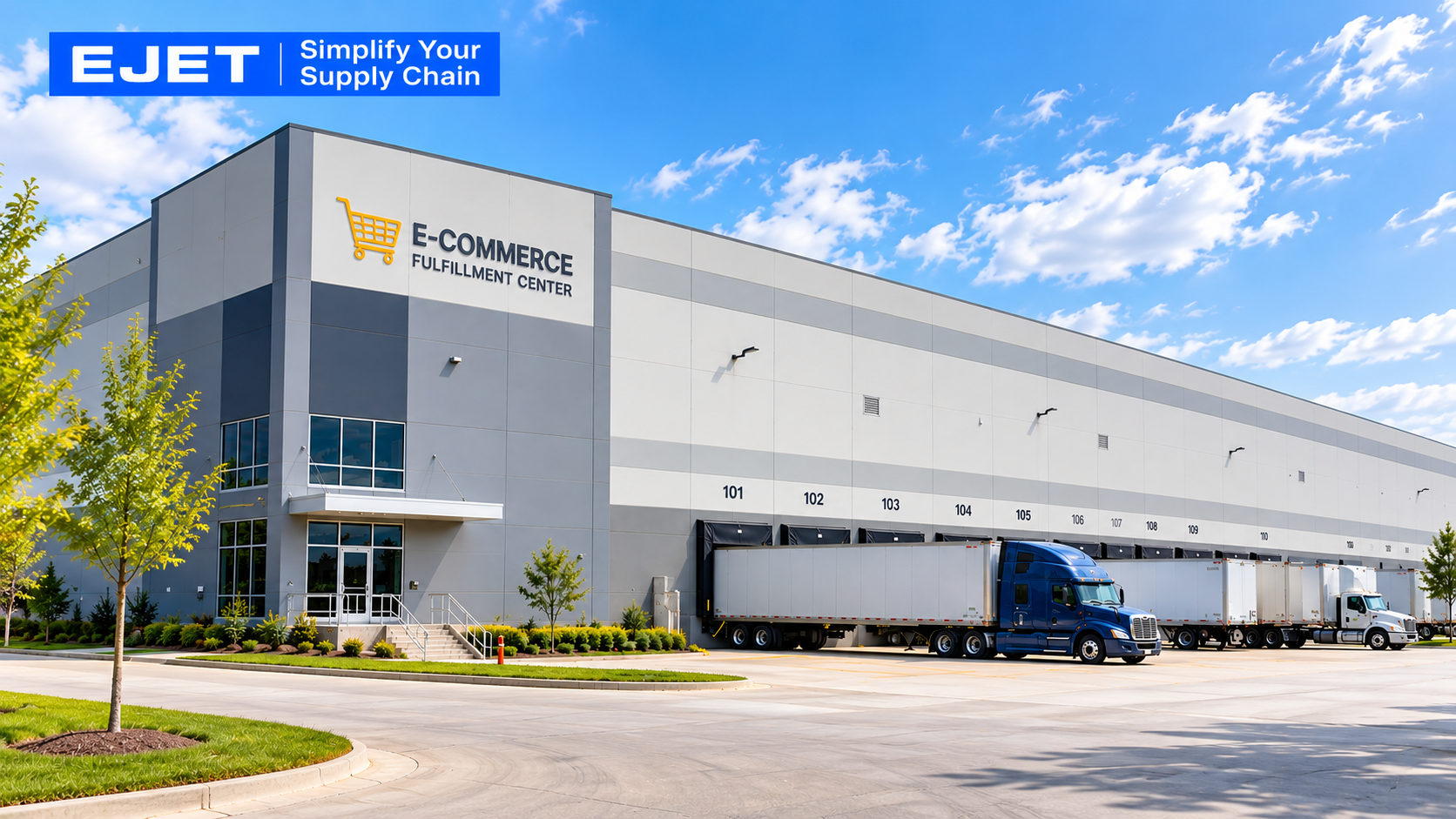
Shein’s U.S. warehouse network has become a bigger part of how the retailer gets products to American shoppers, especially as it grows local fulfillment alongside its global supply chain.
The most visible hub is in Indiana, where Shein has expanded from its Whitestown operations into a newer automated facility in nearby Lebanon.
For shoppers, sellers, and supply-chain watchers, understanding the Shein USA warehouse model helps explain shipping speeds, “QuickShip” labels, marketplace orders, and what is likely happening behind the scenes after checkout.
What does Shein’s USA warehouse operation look like today?
Shein’s U.S. warehouse operation is best understood as a mixed fulfillment network: company-operated distribution space, automated fulfillment capacity, U.S.-based inventory for select items, third-party logistics support, and marketplace sellers that may ship from their own U.S. warehouses.
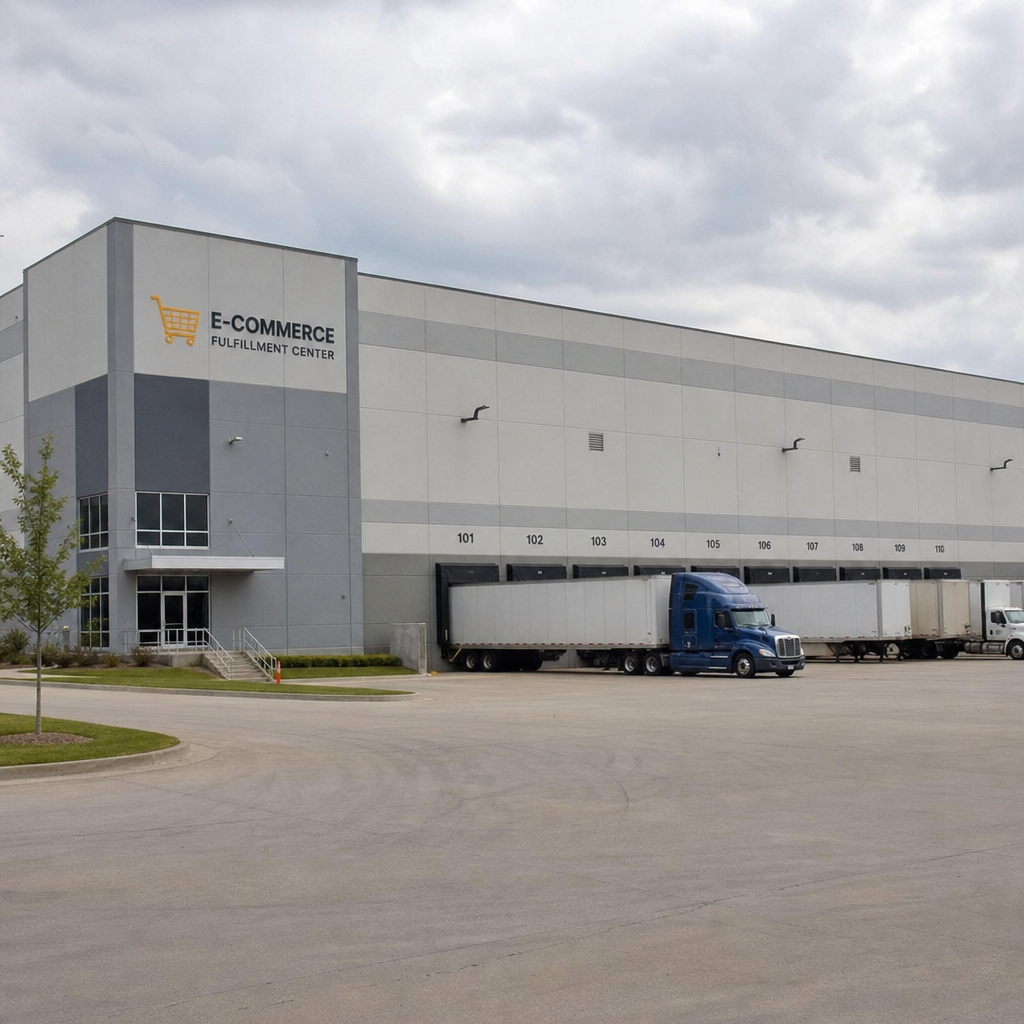
In Indiana, Shein’s footprint now includes more than 2.5 million square feet across its existing Whitestown presence and the newer 737,000-square-foot automated fulfillment facility in Lebanon, about 1.5 miles away. The company has also referenced distribution facilities in California and fulfillment partners as part of its broader U.S. network.
That means there is no single “Shein USA warehouse” that handles every American order. A shopper’s package may move from a domestic Shein distribution center, a seller’s local facility, a third-party fulfillment partner, or an international warehouse, depending on inventory availability and how the item is sold.
Shein’s own shipping page notes that QuickShip indicates an item ships from a U.S. warehouse, while items unavailable domestically may ship from an international warehouse and take longer.
Why Shein is investing in U.S. fulfillment
The most practical reason is speed. A domestic fulfillment center can shorten the distance between stored inventory and the customer’s doorstep, which may reduce the need for some orders to move through longer cross-border routes.
Shein’s 2022 announcement about its Whitestown, Indiana facility described it as a Midwest distribution hub for U.S. customers and said the locati0n would reduce the need for international shipping and handling.
A second reason is resilience. Ecommerce companies that rely heavily on long international routes can face delays from weather, customs, peak-season congestion, carrier disruptions, and changing trade rules. A larger U.S. footprint gives Shein more ways to allocate inventory, route orders, and support faster-moving product categories without depending on one fulfillment path for every shipment.
A third reason is marketplace growth. Shein is no longer just a direct retailer selling its own branded products; it also operates a marketplace where sellers can use their preferred fulfillment method as long as they meet Shein’s requirements.
Its seller materials reference in-house U.S. warehouse fulfillment as an option, which suggests the marketplace model needs more flexible logistics than a single global warehouse pipeline can provide.
Inside Shein warehouse processes: what likely happens after checkout
Searches for “shein warehouse in usa inside” or “inside shein warehouse” often come from shoppers who want to know why one order arrives quickly while another seems to move through more steps. The simple answer is that fulfillment begins with inventory locati0n. Once an order is placed, the system must determine which warehouse, seller, or fulfillment partner can ship the item efficiently while meeting availability, delivery, and cost requirements.
The visible steps are familiar to most ecommerce operations, even though Shein does not publicly disclose every detail of its U.S. warehouse workflow. Products are received, scanned, stored, picked, packed, labeled, handed to carriers, and tracked until delivery.
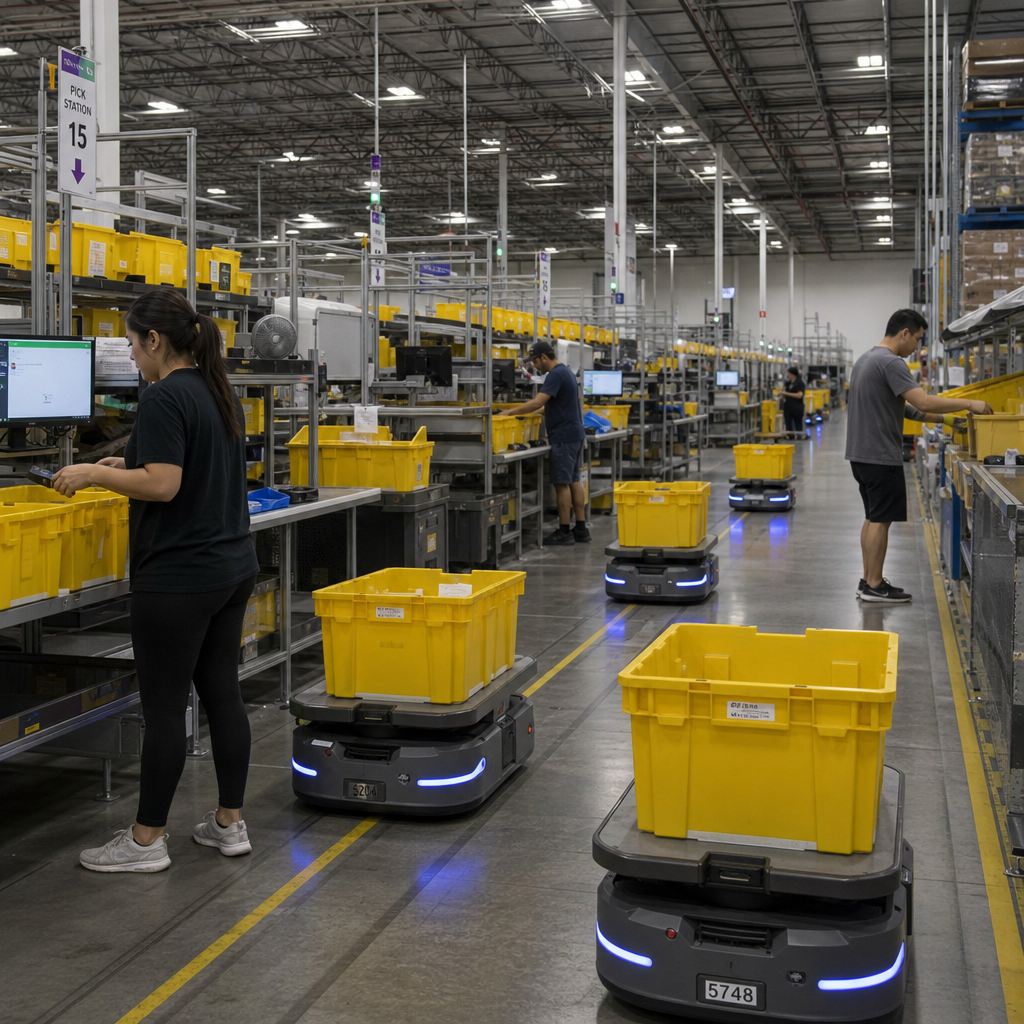
In an automated facility, some of those steps are supported by technology that moves goods to workers rather than requiring workers to walk long warehouse aisles for every item.
Shein’s Lebanon, Indiana facility is described as automated and equipped with a goods-to-person fulfillment system.
In practical terms, that kind of system brings products to employee workstations, which can reduce unnecessary travel time, support more consistent picking, and improve throughput when order volume is high. Supply Chain Dive reported that Shein said the system is intended to improve efficiency and worker safety.
A typical domestic fulfillment flow may include:
- Inventory allocation — The system checks whether the product is stocked in a U.S. warehouse, a seller’s local warehouse, or another available locati0n.
- Order release — Once payment and inventory are confirmed, the order moves into a processing queue.
- Picking — Warehouse staff, automation, or a combination of both retrieves the ordered items.
- Packing — Items are checked, packaged, labeled, and prepared for carrier pickup.
- Carrier handoff — A parcel carrier receives the shipment and begins the delivery journey.
- Tracking updates — The customer sees status changes as the package moves through the network.
This is why two Shein orders placed on the same day can behave differently. One may be a QuickShip item already positioned in the United States, while another may include products that ship internationally, ship from a marketplace seller, or require additional processing time.
The Indiana hub is central to the Shein distribution center strategy
Indiana is a logical locati0n for national distribution because it sits near major interstate routes and within practical reach of large Midwest, East Coast, and Southern markets.
Shein’s earlier Whitestown announcement pointed to Interstate 65, connecting Indianapolis and Chicago, as part of the site’s distribution appeal. The company first established its major Indiana distribution presence in Whitestown in 2022, then expanded with the Lebanon facility in 2026.
The Lebanon project matters because it shows Shein moving beyond basic storage into more advanced fulfillment infrastructure. The facility is 737,000 square feet, expands Shein’s Indiana campus to more than 2.5 million square feet, and is expected to create hundreds of additional jobs as operations ramp up. Shein has said it already employs more than 1,300 workers in Indiana.
For customers, the impact is not always obvious on the tracking page. A warehouse expansion does not mean every item ships domestically, and it does not guarantee same-day or next-day delivery.
But it can increase the share of products that are stocked closer to shoppers, improve peak-season capacity, and give Shein more room to process returns, marketplace inventory, or fast-moving categories.
For the logistics industry, the Indiana buildout is also a signal. Shein’s U.S. model is shifting from a reputation built largely on cross-border ecommerce toward a more layered fulfillment network that includes domestic distribution, automation, and local inventory placement.
How Shein USA shipping connects to warehouse locati0n
Shein USA shipping depends on where the product is located, which shipping method the customer selects, whether the item is from Shein or a marketplace seller, and whether peak-season delays affect carriers.
Shein’s U.S. shipping information lists estimated windows for standard and express shipping, and it explains that processing time happens after payment before a package ships.
The same page notes that marketplace orders may be processed or shipped by third-party sellers, not necessarily by Shein.
This is where the QuickShip label becomes important. According to Shein, QuickShip indicates that an item ships from a U.S. warehouse. If that domestic inventory is unavailable, the order may ship from an international warehouse, which can result in delays.
For shoppers, the practical checklist is simple:
- Look for QuickShip if speed is a priority.
- Check whether items are sold by Shein or a marketplace seller, because seller-fulfilled orders can have different handling patterns.
- Avoid mixing urgent and non-urgent items if some products show longer delivery expectations.
- Watch the checkout page, where Shein says shipping fees and warehouse-related shipping details may be displayed.
- Expect slower movement during sales events, peak periods, severe weather, or carrier disruptions.
- Use tracking as the main source of truth once the package has shipped.
The key takeaway is that “Shein USA shipping” is not one fixed experience. It is the result of inventory placement, order routing, warehouse processing, carrier capacity, and the type of seller behind the item.
What a Shein fulfillment center actually does
A Shein fulfillment center is not simply a storage building filled with clothing racks. It is a processing environment designed to move large volumes of small parcels through a controlled sequence.
Apparel, accessories, beauty items, home goods, and lifestyle products may each require slightly different handling, but the goal is the same: get the right item into the right package and hand it off to the right carrier.
A fulfillment center supports several operational jobs at once. It receives inbound inventory, organizes products by locati0n, verifies stock counts, processes customer orders, packs shipments, manages outbound carrier lanes, and may help with returns or exception handling. In a marketplace environment, it may also interact with seller inventory data or third-party logistics systems.
Automation can make this process more efficient, but it does not remove the need for people. A goods-to-person system can move products toward workers, while employees still handle quality checks, exception decisions, packing, problem-solving, maintenance, safety, and supervision.
In Shein’s Indiana expansion announcement, the company highlighted job creation alongside automation, which reflects the hybrid nature of modern ecommerce fulfillment.
The real value of a fulfillment center is coordination. If inventory data is inaccurate, a fast picker cannot fix the customer experience. If packing is slow, automation upstream will not matter. If carrier pickups are missed, a perfectly processed parcel still arrives late.
Strong fulfillment depends on the entire chain working together.
Can customers take a Shein warehouse tour?
A public Shein warehouse tour in the United States is not something shoppers should assume is available. Shein has shared photos and video from official facility events, including the Lebanon, Indiana grand opening, but that is different from offering open public tours or routine visitor access. Warehouses are controlled environments with safety, security, inventory, and employee privacy considerations.
That said, interest in a “shein warehouse tour” makes sense. Customers want to know whether domestic warehouses are real, how automation is used, and why delivery times vary so much. They also want a more transparent look at the journey from checkout to doorstep.
If Shein or a local economic development group offers an official tour, it would likely be structured around preapproved visitors, safety rules, photography limits, and restricted access to operational areas.
Until then, the best way to understand the inside of Shein warehouse operations is through official announcements, logistics reporting, shipping-page details, and tracking behavior from real orders.
U.S. warehouses do not replace Shein’s global supply chain
One common misunderstanding is that a Shein distribution center in the United States means all Shein products are made, stored, and shipped domestically.
That is not how the model works. Shein remains a global online fashion and lifestyle retailer that uses a global network of vendors and an on-demand production approach, while U.S. warehouses serve as one part of a wider supply chain.
Domestic fulfillment is better seen as a layer added on top of global sourcing and international logistics. Some products may be positioned in the United States because they sell quickly, support marketplace needs, or are better suited to faster domestic delivery.
Other products may still travel through international routes because of availability, demand patterns, or how inventory is allocated.
This blended model is common in ecommerce. Companies rarely store every product in every market. Instead, they decide what to place locally based on demand, storage cost, delivery expectations, and operational complexity.
A U.S. warehouse can improve speed for selected items without turning the entire company into a domestic-only retailer.
What shoppers should know before ordering
The best way to use Shein’s U.S. fulfillment options is to pay attention before checkout. A product page or checkout page may reveal whether an item is positioned for faster domestic shipping, whether separate shipping fees apply, or whether the item is part of a marketplace order.
These details matter more than assumptions based on the Shein brand name alone.
Before placing a time-sensitive order, consider this checklist:
- Confirm the estimated delivery window for every item in the cart.
- Prioritize QuickShip items when delivery speed is more important than browsing the full catalog.
- Read seller and shipping details for marketplace products.
- Avoid ordering right before a deadline if the item has a longer processing or delivery window.
- Track each package separately if the order is split across warehouses or sellers.
- Contact customer service within the stated window if tracking shows delivery but the package is missing, or if the order has logistics issues. Shein’s U.S. shipping page gives timing guidance for those situations.
The biggest practical lesson is that warehouse locati0n shapes expectations. If an item is already in a U.S. facility, the experience may feel closer to domestic ecommerce. If it is not, the order may include extra processing, international movement, or more time between status updates.
What sellers and ecommerce brands can learn from Shein’s fulfillment shift
Shein’s U.S. expansion offers a broader lesson for ecommerce brands: fulfillment strategy becomes more important as customer expectations rise. Low prices and wide selection may attract shoppers, but delivery reliability influences whether they come back.
When an online retailer grows, it often needs more than one warehouse, more than one carrier path, and more than one inventory strategy.
For sellers, the marketplace angle is especially relevant. Shein’s seller materials indicate that merchants can use preferred fulfillment methods if they comply with shipping requirements, including in-house U.S. warehouse options.
That creates flexibility, but it also places responsibility on sellers to maintain inventory accuracy, processing speed, and delivery performance.
Smaller ecommerce teams can take a few lessons from this model:
- Place inventory near demand when certain products sell consistently in a region.
- Segment fast movers from slow movers instead of treating every SKU the same.
- Use clear delivery labels so customers understand what ships quickly and what may take longer.
- Build backup fulfillment options for peak periods or carrier disruptions.
- Keep post-purchase communication honest, especially when orders are split or delayed.
The point is not that every brand needs a massive automated warehouse. The point is that fulfillment is now part of the product experience. Customers judge the purchase not only by what arrives, but also by how clearly and reliably it gets there.
The bigger picture behind Shein’s U.S. warehouse growth
Shein’s American warehouse network reflects a larger ecommerce trend: global retailers are localizing parts of fulfillment without abandoning global sourcing. This allows companies to balance selection, cost, delivery speed, and operational risk.
In Shein’s case, Indiana has become a major U.S. hub, while California facilities and third-party partners add more network flexibility.
The company’s model will likely keep evolving as customer expectations, marketplace seller participation, automation, and trade rules change. More domestic fulfillment capacity can make Shein feel faster and more local to U.S. shoppers, but it also adds complexity.
The company has to manage inventory placement carefully, coordinate sellers and partners, and keep shipping promises understandable.
For anyone searching for “shein warehouse in usa inside,” the answer is not a single secret room full of packages. It is a growing logistics network built around domestic hubs, automation, third-party support, seller fulfillment, and global inventory flows.
The more Shein invests in U.S. fulfillment, the more its customer experience will depend on how well those moving parts work together.
Final takeaway
Shein’s USA warehouse operations are becoming a core part of its U.S. ecommerce strategy. The Indiana expansion, especially the automated Lebanon fulfillment facility near Whitestown, shows how seriously the company is investing in local distribution capacity.
For shoppers, the most useful signs are still practical ones: look for QuickShip, read shipping details, track each package, and remember that not every Shein item starts its journey from the same place.
Inside Shein warehouse operations, the story is really about coordination. Inventory locati0n, automation, people, sellers, carriers, and customer expectations all meet in the fulfillment process.
As Shein’s U.S. network grows, the warehouse is no longer just a background detail—it is one of the main reasons an order arrives quickly, slowly, or somewhere in between.
Frequently Asked Questions About Shein's USA Aarehouse Operations
What is the purpose of Shein's warehouses in the USA?
Shein's warehouses in the USA serve to speed up the fulfillment process for American customers. By having inventory stored domestically, Shein can reduce shipping times and improve efficiency in delivering products.
How does Shein ensure quick shipping from its warehouses?
Shein utilizes a mixed fulfillment network, including automated facilities and third-party logistics support. Items labeled as "QuickShip" indicate that they are shipped from U.S. warehouses, ensuring faster delivery to customers.
Can customers tour Shein's warehouses in the USA?
No, Shein does not offer public tours of its warehouses. While they may share photos and videos from events, safety and security protocols limit public access to these facilities.
What factors affect shipping times for Shein orders?
Shipping times can be influenced by the locati0n of the product (U.S. warehouse vs. international), the shipping method selected, whether the item is from Shein or a marketplace seller, and potential delays during peak seasons or due to carrier disruptions.
Does Shein's USA warehouse mean all products are made and shipped domestically?
No, Shein's warehouses do not mean that all products are made and stored in the USA. Shein operates a global supply chain, and while some products are stored in U.S. warehouses for faster delivery, others may still ship from international locations.