


Efficient overseas manufacturing is not just about finding a low-cost supplier. It is about choosing the right partner to manage product sourcing, supplier communication, quality control, compliance, and risk before small issues become expensive problems.
A strong Asia sourcing agent can help businesses reduce friction across the supply chain, especially when sourcing from China, Southeast Asia, or a mixed regional supplier base.
For many companies, the goal is not simply to buy from Asia. The goal is to build a more resilient, transparent, and scalable sourcing operation that protects margins, timelines, and brand reputation.
What does an Asia sourcing agent actually do?
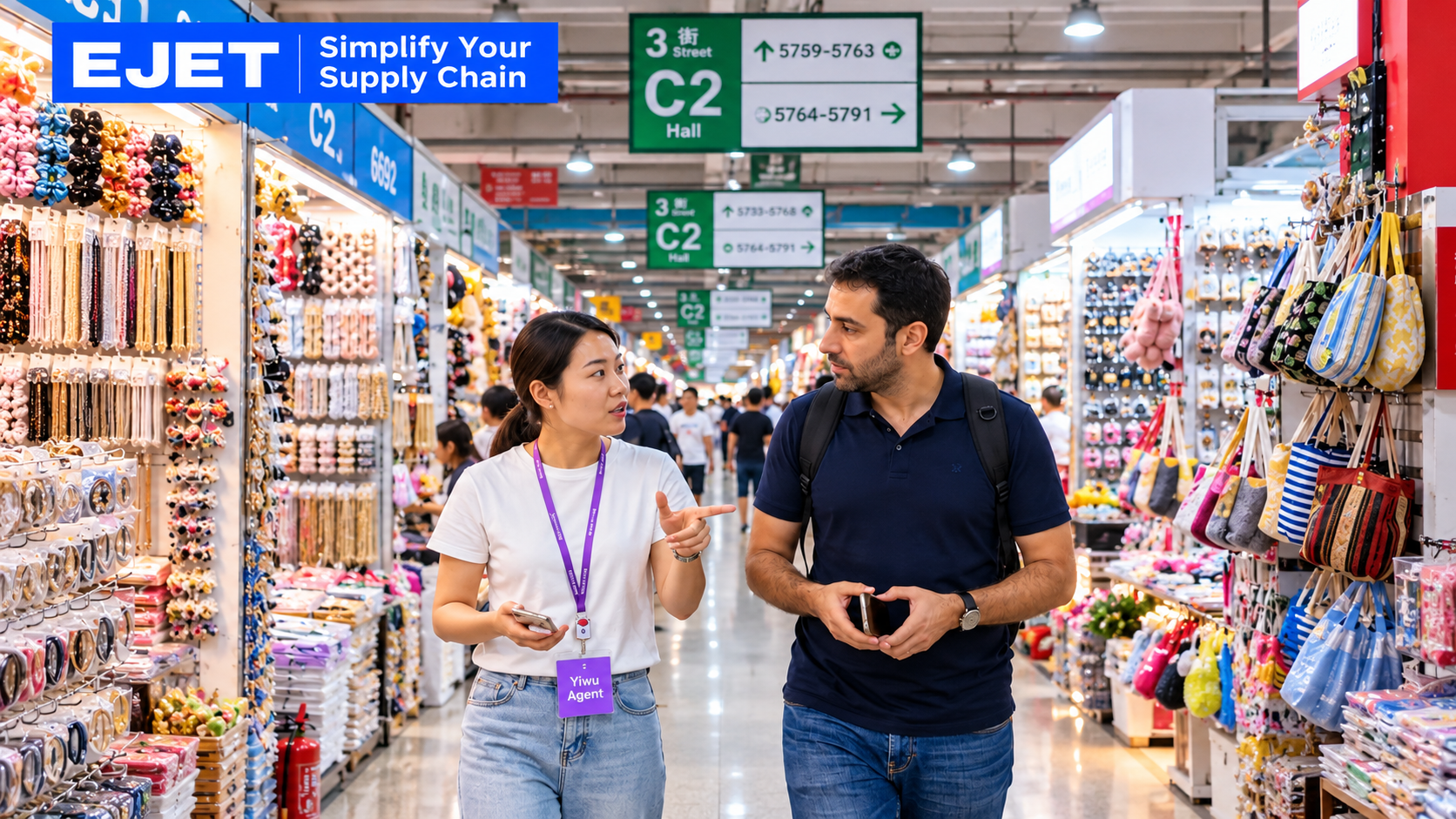
An Asia sourcing agent helps companies identify, evaluate, negotiate with, and manage suppliers across Asian manufacturing markets. The best agents go beyond introductions; they act as an operational bridge between the buyer and the factory, helping translate product requirements into production reality.
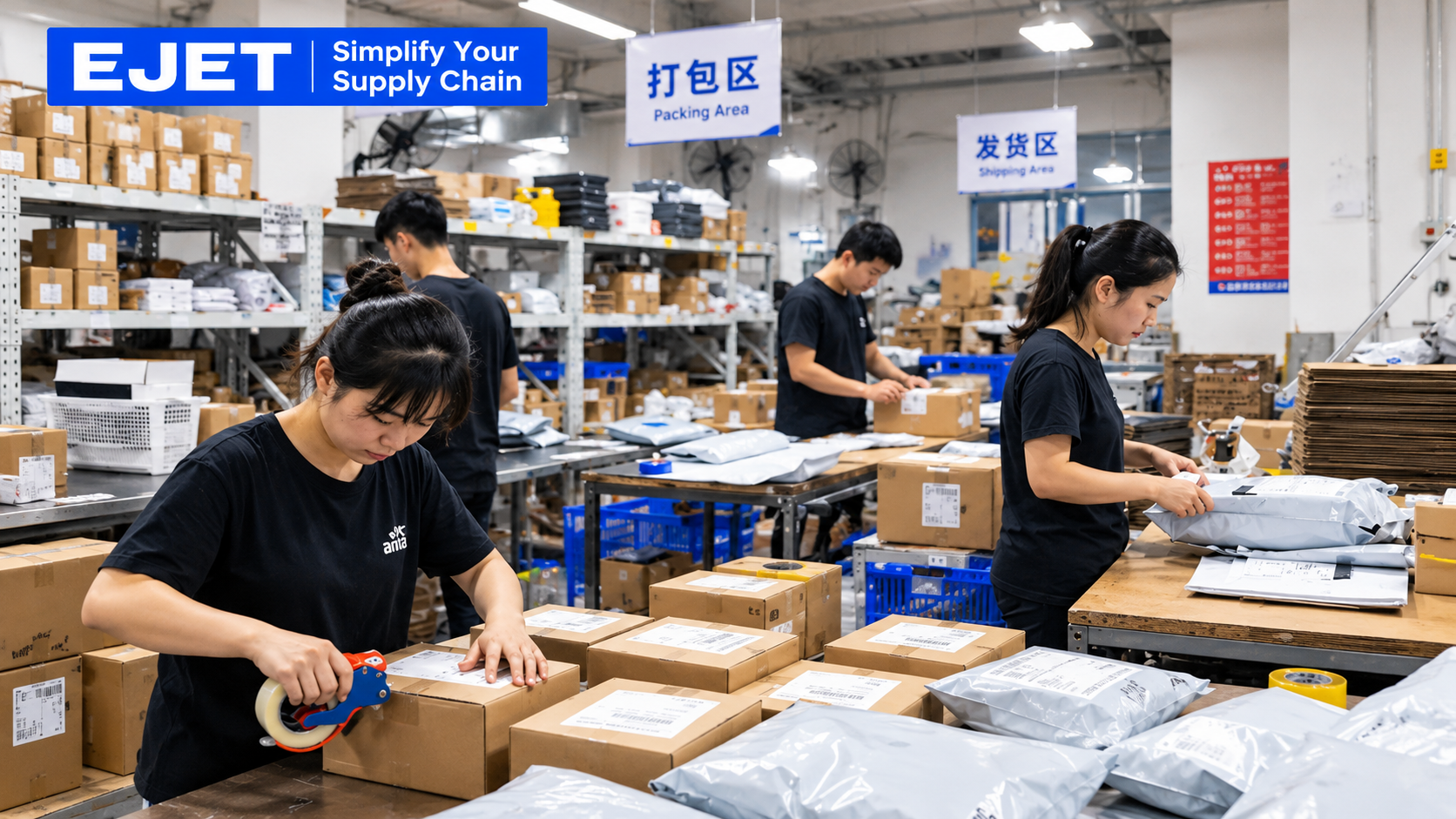
In practice, this may include supplier research, factory vetting, quote comparison, sample coordination, contract support, production monitoring, quality inspections, logistics coordination, and issue resolution.
For businesses that do not have local teams on the ground, sourcing services can provide the visibility and control needed to make better purchasing decisions.
A reliable sourcing agent should understand both sides of the transaction. They need enough local knowledge to navigate factories, language, business culture, regulations, and logistics, while also understanding the buyer’s expectations around documentation, deadlines, consistency, and accountability.
Efficiency starts before the supplier search
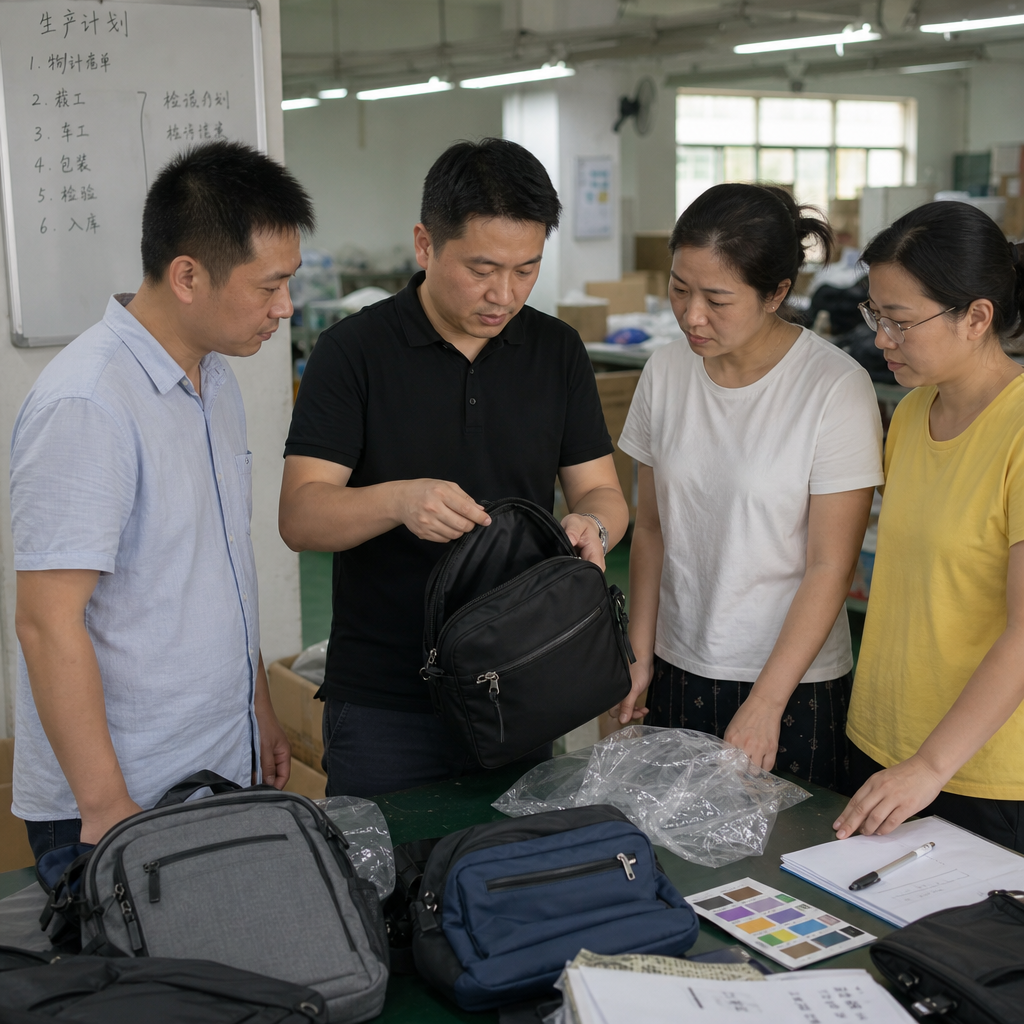
Many sourcing problems begin before a factory is ever contacted. If product requirements are vague, even a strong supplier may quote incorrectly, misunderstand tolerances, or build samples that miss the mark.
Before using asia sourcing support, businesses should clarify what they want, what is negotiable, and what cannot change.
A clear sourcing brief saves time because it narrows the search to suppliers that can actually meet the need. It also helps the sourcing agent compare factories on meaningful criteria rather than just price.
A supplier offering the lowest quote may not be the most efficient option if they lack the right equipment, experience, capacity, or compliance readiness.
A strong sourcing brief should include:
- Product specifications: materials, dimensions, components, colors, tolerances, packaging, labeling, and performance requirements.
- Target order details: estimated quantities, expected order frequency, sample needs, and future scaling plans.
- Quality expectations: acceptable defect limits, inspection points, testing requirements, and any required certifications.
- Commercial priorities: target pricing, payment terms, lead time expectations, and cost drivers that can be adjusted.
- Compliance needs: market-specific safety, labeling, environmental, labor, or customs requirements.
- Communication preferences: reporting format, approval process, decision makers, and escalation rules.
The more precise the brief, the easier it is for an asia sourcing agent to filter out weak-fit suppliers early. That upfront discipline reduces back-and-forth, prevents quote confusion, and creates a stronger foundation for negotiations.
The difference between sourcing agents, trading companies, and direct factories
Businesses often use the terms interchangeably, but a sourcing agent, trading company, and factory serve different roles. Understanding the difference matters because each model affects transparency, pricing, accountability, and control.
|
Partner type |
Typical role |
Main advantage |
Main risk |
|---|---|---|---|
|
Sourcing agent |
Represents the buyer by finding and managing suppliers |
Broader supplier access and buyer-side oversight |
Quality depends heavily on the agent’s integrity and process |
|
Trading company |
Buys from factories and resells to the buyer |
Convenient, often simple for smaller orders |
Factory identity and margins may be unclear |
|
Direct factory |
Manufactures the product |
Direct technical communication and potentially lower cost |
Requires strong internal sourcing, QC, and supplier management skills |
A trading company may be useful when a buyer wants convenience, small quantities, or a simple catalog product. However, if the buyer needs transparency into factory capability, production status, cost structure, or corrective actions, a sourcing agent may be a better fit.
Working directly with factories can be efficient for experienced teams with strong technical, legal, and quality control resources. But for companies entering china sourcing or expanding into broader asia sourcing, direct management can become difficult when language barriers, time zones, factory incentives, and local regulations complicate daily decisions.
The best sourcing solutions are not always tied to one model. A company may work directly with a strategic manufacturer for one product line, use a sourcing agent for a new category, and rely on a regional partner to explore China Plus One diversification.
Why is a local sourcing partner so valuable?
A local sourcing partner is valuable because they can see, verify, and act on details that remote teams often miss. Factory websites, sales presentations, and polished sample rooms rarely tell the full story of capacity, process control, subcontracting habits, or quality discipline.
An experienced global sourcing partner in asia can visit facilities, assess production readiness, compare supplier claims against reality, and spot warning signs early. This is especially important for complex products, custom components, regulated categories, or orders where a late defect could disrupt a launch.
Local presence also improves communication speed. Instead of waiting through time-zone delays or relying only on email updates, a sourcing partner can clarify issues directly with production managers, push for corrective action, and confirm whether the factory has actually implemented changes.
The value is not only operational. It is also strategic. A good partner helps buyers understand where costs are coming from, which suppliers are worth developing, when to negotiate, and when a low quote is hiding risk.
Quality control should happen during production, not only at the end
One of the most common mistakes in global sourcing is relying only on a final inspection. By the time goods are packed and ready to ship, fixing problems can be expensive, slow, or impossible without delaying delivery.
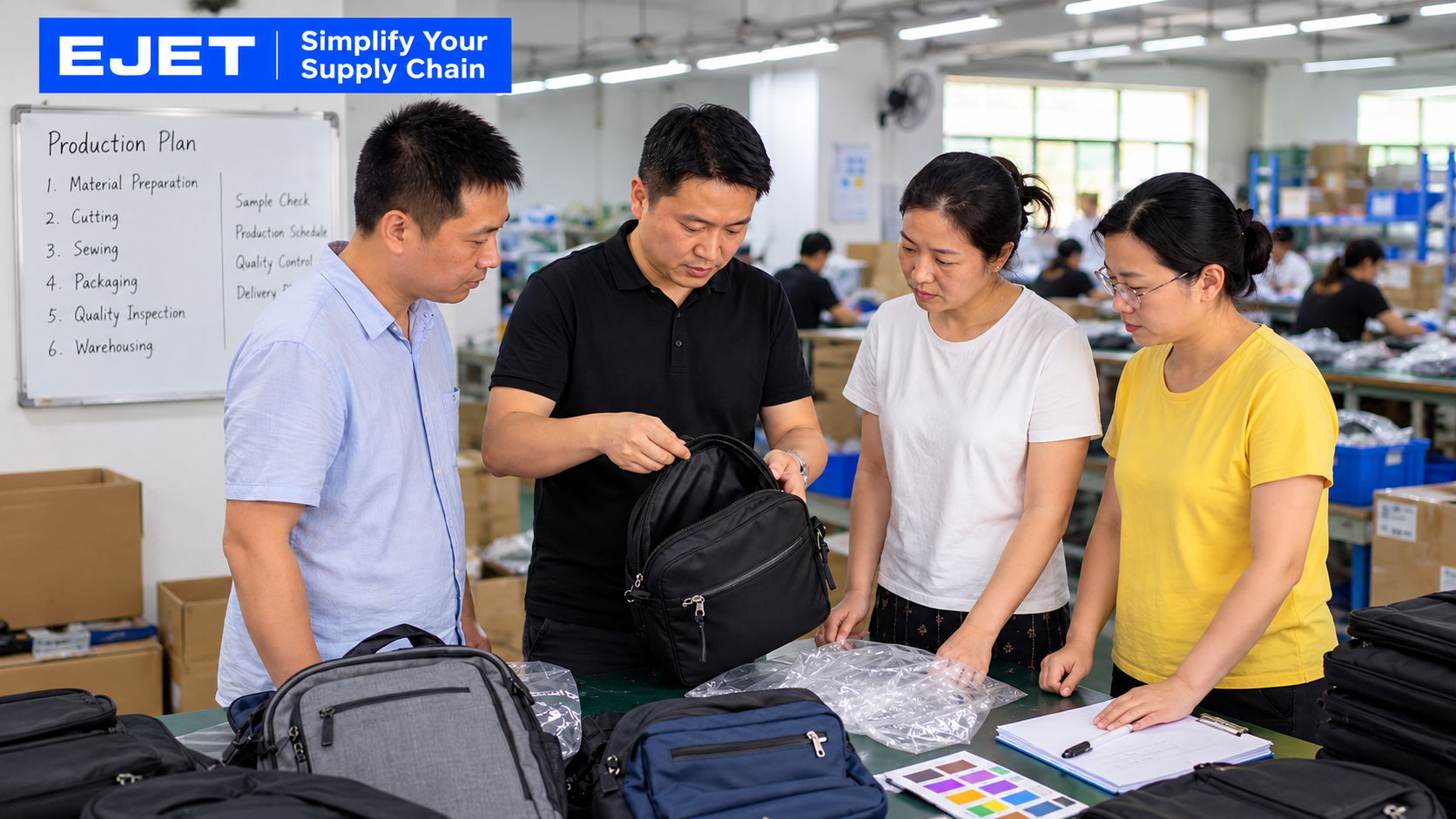
In-process quality control gives the buyer more leverage. When inspections happen during material preparation, first production runs, assembly, finishing, or packaging, issues can be corrected before they affect the full order. This is where a capable sourcing agent becomes much more than a supplier finder.
Useful quality checkpoints may include:
- Pre-production review: Confirms approved samples, technical files, packaging specs, and production materials before manufacturing begins.
- First-article inspection: Checks early output against requirements so errors are caught before mass production.
- During-production inspection: Reviews consistency, workmanship, dimensions, labeling, and process controls while there is still time to correct.
- Pre-shipment inspection: Verifies finished goods, quantities, packaging, and visible defects before shipment approval.
- Corrective action follow-up: Documents the issue, root cause, owner, deadline, and verification method.
This approach reduces the risk of surprises. It also creates a paper trail that can support supplier performance reviews and future negotiations.
Transparency is the foundation of trust
A sourcing relationship only works when the buyer can see what is happening. If an agent refuses to disclose factory names, inspection results, fee structure, or production status, the buyer may be dealing with a middleman rather than a true partner.
Transparency does not mean every commercial detail is simple or every supplier relationship is open from day one. It does mean the sourcing agent should be clear about how they are paid, who is making the product, what risks have been identified, and how problems are being handled.
A transparent asia sourcing process should include:
- Factory names, locations, and business scope when appropriate.
- Clear quote comparisons that show assumptions, inclusions, and exclusions.
- Written sample feedback and approval records.
- Inspection reports with photos, defect classifications, and recommendations.
- Production timelines with milestones and responsibility owners.
- Disclosure of commissions, retainers, flat fees, or other compensation.
- Documentation of corrective actions and unresolved risks.
This level of openness helps align incentives. It also allows the buyer to make informed decisions instead of relying on vague assurances.

Fee models should match the work being done
Sourcing services can be priced in several ways, and each model creates different incentives. Some agents charge a commission, often in the range of 5–10% of order value. Others work on flat project fees, monthly retainers, inspection fees, or hybrid arrangements.
A commission-based model can be simple and affordable at the beginning because the fee scales with purchasing volume. However, buyers should understand whether the agent is incentivized to increase order value or favor certain suppliers. A flat fee can create more independence, but it may not include ongoing production support unless clearly defined.
Retainers can make sense when a company needs continuous supplier development, category expansion, or regional risk monitoring. This model may be useful for businesses treating Asia not as a one-time purchasing channel, but as a core part of their global sourcing strategy.
When comparing fees, ask what is included. Supplier search, factory audits, negotiations, sample management, inspections, logistics coordination, and dispute support may be separate services. The cheapest fee is not always the lowest total cost if gaps lead to delays, rework, or quality failures.
How should you evaluate an Asia sourcing agent?
You should evaluate an Asia sourcing agent by looking at their operational experience, transparency, supplier network, quality control process, communication standards, and ability to manage risk. The best choice is not simply the agent with the most factories; it is the one who can protect your specific product, timeline, and business priorities.
A systematic vetting process makes selection less subjective. Instead of relying only on introductions or polished claims, compare agents against practical criteria that reveal how they work when problems occur.
A practical vetting checklist
Use this checklist before committing to a sourcing partner:
- Category experience: Have they handled similar materials, production methods, complexity, or compliance requirements?
- Factory-floor knowledge: Can they explain how suppliers will produce, test, pack, and scale the product?
- Supplier verification: Do they perform factory audits, business license checks, capacity reviews, or reference checks?
- Quality process: Do they offer in-process inspections, documented defect standards, and corrective action tracking?
- Communication discipline: Do they provide clear written updates, realistic timelines, and early warnings when issues arise?
- Fee transparency: Can they explain exactly how they are compensated and whether they receive supplier-side payments?
- Legal and compliance awareness: Can they support contracts, certifications, labor expectations, environmental requirements, and customs documentation?
- Risk planning: Do they have backup suppliers, alternative logistics options, or regional diversification ideas?
- Data and reporting: Do they track supplier performance, defect rates, response times, and on-time delivery?
A strong partner should welcome these questions. If an agent becomes defensive when asked about process, factory access, or compensation, that is a warning sign.
Risk management is now part of sourcing efficiency
Efficiency used to be measured mainly by unit price and lead time. Today, businesses also need to consider tariffs, port congestion, geopolitical shifts, labor standards, environmental rules, shipping volatility, and supplier concentration.
This is why asia sourcing has become more strategic. A company may still rely heavily on China for advanced manufacturing, developed supply chains, or specialized components, while also exploring Vietnam, India, Thailand, Indonesia, or other markets for diversification. The right approach depends on product type, volume, skill requirements, tooling, compliance needs, and logistics.
China Plus One strategies can improve resilience, but they are not automatic upgrades. Moving production to a new country may introduce new supplier limitations, longer qualification periods, different infrastructure challenges, or higher short-term costs. A capable sourcing agent can help compare these trade-offs instead of treating diversification as a simple relocation exercise.
Good risk management includes:
- Mapping critical components and single-source dependencies.
- Qualifying backup suppliers before they are urgently needed.
- Monitoring changes in duties, regulations, and shipping conditions.
- Building realistic lead-time buffers for seasonal or high-risk periods.
- Keeping technical files and approved samples organized for supplier transitions.
- Reviewing supplier financial stability and production capacity over time.
The goal is not to eliminate risk completely. The goal is to see risk early enough to respond intelligently.
Communication style can make or break the project
Many sourcing failures are communication failures. A product may be delayed because a supplier did not understand a specification. A defect may spread because a production manager hesitated to report bad news. A launch may slip because approvals were unclear or decision makers were unavailable.
A good sourcing partner reduces ambiguity. They confirm decisions in writing, translate technical details accurately, and ask follow-up questions when requirements are unclear. They also understand cultural dynamics, including situations where a factory may avoid direct disagreement to preserve relationships.
Businesses should set communication expectations early. Define how often updates should arrive, what format reports should follow, who approves samples, how urgent issues are escalated, and what information must be documented before production moves forward.
Simple habits improve control:
- Use written specifications instead of relying on verbal explanations.
- Keep one approved version of each technical file.
- Require photos or videos for key production milestones.
- Document every sample revision and approval.
- Create an escalation path for quality, cost, and timeline issues.
- Hold post-order reviews to capture lessons before the next run.
These practices may seem basic, but they prevent costly confusion when multiple teams, languages, and time zones are involved.
The right partner turns sourcing into a repeatable system
The biggest benefit of a strong sourcing relationship is repeatability. Instead of restarting the search every time a product changes, companies build a structured process for finding suppliers, validating quality, controlling costs, and scaling production.
Over time, a sourcing agent can help create a supplier scorecard. This may include on-time delivery, defect trends, responsiveness, documentation accuracy, price stability, sample success rate, and corrective action performance.
These metrics make supplier decisions more objective and help separate short-term price savings from long-term value.
A repeatable sourcing system also frees internal teams to focus on product development, sales, customer experience, and growth. Rather than chasing factory updates or reacting to avoidable issues, the business has a clearer operating rhythm.
For companies building a serious global sourcing program, the right partner is not just a vendor. They become an extension of the team, helping convert overseas manufacturing from a source of uncertainty into a managed advantage.
Final takeaway
Working with an Asia sourcing agent can improve efficiency, but only when the relationship is built on clarity, transparency, and disciplined execution. The strongest partners combine local supplier access with factory-floor knowledge, quality control systems, compliance awareness, and proactive communication.
Whether your business is exploring china sourcing for the first time, expanding product sourcing across Southeast Asia, or looking for more resilient sourcing solutions, choose a partner who can do more than find a quote. Choose one who can help you see the full picture, manage risk, and build a sourcing process that performs order after order.
Frequently Asked Questions About Asia Sourcing Agents
What is the role of an Asia sourcing agent?
An Asia sourcing agent helps businesses identify, evaluate, negotiate, and manage suppliers across Asian markets. They act as a bridge between the buyer and the factory, providing services such as factory vetting, quality control, logistics coordination, and more.
How can I determine the right Asia sourcing agent for my business?
To find the right sourcing agent, evaluate their operational experience, transparency, supplier network, quality control processes, communication standards, and risk management capabilities. Asking detailed questions and reviewing their past performance can help in the decision-making process.
What fees should I expect when working with a sourcing agent?
Fees for sourcing services can vary widely, including commission-based models, flat project fees, monthly retainers, or hybrid arrangements. It’s important to understand what is included in the fees and how the agent is compensated to ensure alignment of interests.
What should a sourcing brief include for effective sourcing?
A clear sourcing brief should include product specifications, target order details, quality expectations, commercial priorities, compliance needs, and communication preferences. Providing comprehensive information helps sourcing agents to identify suitable suppliers efficiently.
How does local presence enhance sourcing efficiency?
A local sourcing partner can provide valuable insights, inspect factories, facilitate faster communication, and address issues directly on the ground. This helps in identifying potential problems early and ensures that production aligns with the buyer's expectations.