









In the harsh winter of 2011 in Chicago, 38-year-old Yang Lin curled up on a folding bed in her basement, eyes fixed on her laptop screen. The blue light from Amazon's backend stung her eyes—her kitchen scales yielded only a $0.50 profit per unit.
Just like the meager profit margins, the basement was stacked with power strips and kitchen scales, all Made in Yiwu, packed in boxes bearing Walmart’s inspection seals—the "passports" of China's OEM factories.
Fate took a turn with a torrential downpour.

Source: Pexels
Water flooded the basement, soaking 200 power strips awaiting shipment. As Yang Lin wiped each product dry, a thought struck her—these industrial gray plastic blocks were worlds apart from Germany's sleek minimalist designs.
That very night, she registered the VeSync trademark. Little did she know that this spur-of-the-moment decision would give birth to a billion-dollar publicly traded company.
Yang Lin replaced the gray plastic shells of her power strips with pure white lacquered casings, pricing them at $29.9 (compared to $89 for similar German models). In the first month, the "revamped" product sold over 5,000 units, and profit margins soared from 5% to 28%.
The transformation was a success, but the OEM model struck back quickly.
In 2014, Walmart canceled its orders citing "disrupting price structures," instantly turning millions of dollars in inventory at her Shenzhen warehouse into a ticking time bomb.
Standing in the rain, Yang Lin watched workers load the unsold stock onto disposal trucks. The crushing sound of power strips in the compactor felt like the breaking of the smile curve itself.
This failure led to a realization—brands dependent on third-party platforms are mere puppets. True success lies in owning the channel.
Amazon's VC Battle
On a late night in Seattle, 2017, an email invitation from Amazon's Vendor Central (VC) department landed in Yang Lin’s inbox.
She knew this was a battle for status—becoming an Amazon Vendor meant securing the "Sold by Amazon" badge, boosting conversion rates by 47%, and unlocking ARA (Amazon Retail Analytics) data insights.
Yang Lin transformed her Shenzhen office into a "digital war room", where three giant screens displayed real-time sales data from Amazon's 15 global marketplaces.
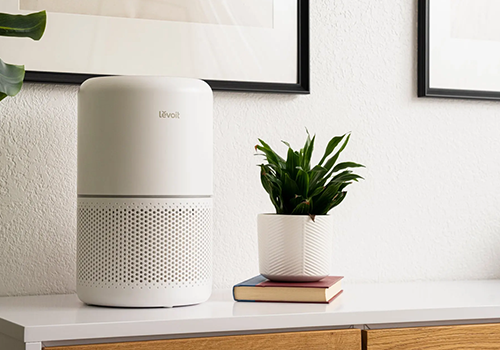
During the 2019 smog season, when searches for "air purifiers" in North America skyrocketed 327%, her team launched the Levoit brand within 48 hours, and within 72 hours, a Yongkang factory was producing the first batch.
Equipped with medical-grade HEPA filters, the air purifier generated $20 million in sales in its first month, grabbing 18% of Blueair's market share.
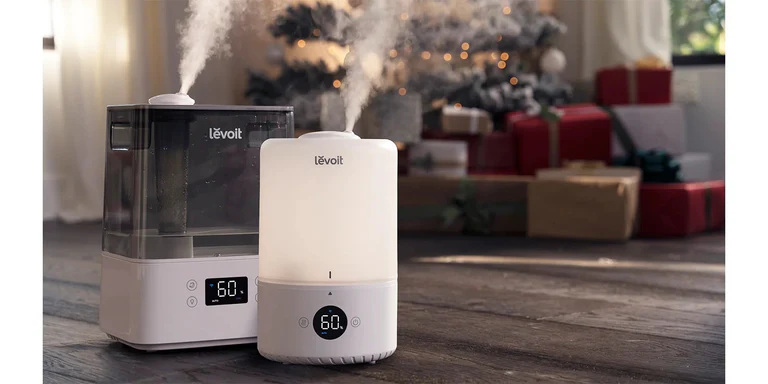
Levoit smart humidifier/Source: Levoit
By 2023, Vesync's Amazon VC SKU count had surpassed 12,000, meaning a new product was launched every 1.2 hours. Behind this lightning-fast operation was a highly synchronized supply chain—500 factories in Yongkang connected directly to Amazon"s data hub via ERP systems, keeping inventory turnover at just 22 days—three times faster than industry standards.
However, this "data + flexible manufacturing" strategy came at a cost. Amazon increased commission fees from 5% to 12%, slashing Vesync's gross margin by 4.3%.
During New York’s 2020 lockdown, Yang Lin turned her apartment into a global command center. She identified two key consumer trends:
Kitchen appliance usage surged from 1.2 hours to 3.5 hours per day, yet product designs remained outdated.
Health-conscious consumers sought affordable monitoring devices, but the market was dominated by overpriced competitors.
This inspired Vesync's most aggressive strategy to date—a three-pronged approach focusing on:
-
Air fryers
-
Air quality monitors
-
Smart home ecosystem
Through TikTok influencer marketing, Cosori air fryers sold 500,000 units in one month. Meanwhile, Levoit's air quality monitor, priced one-third lower than competitors, dominated U.S. households.
Finally, the VeSync smart home ecosystem connected all devices—when a user brewed coffee in the morning, the air purifier automatically adjusted to morning mode.
This strategy rewrote industry rules:
-
Levoit secured 33% of the U.S. air purifier market.
-
Cosori ranked No.1 in Spain's air fryer market.
-
VeSync connected over 8 million devices globally.
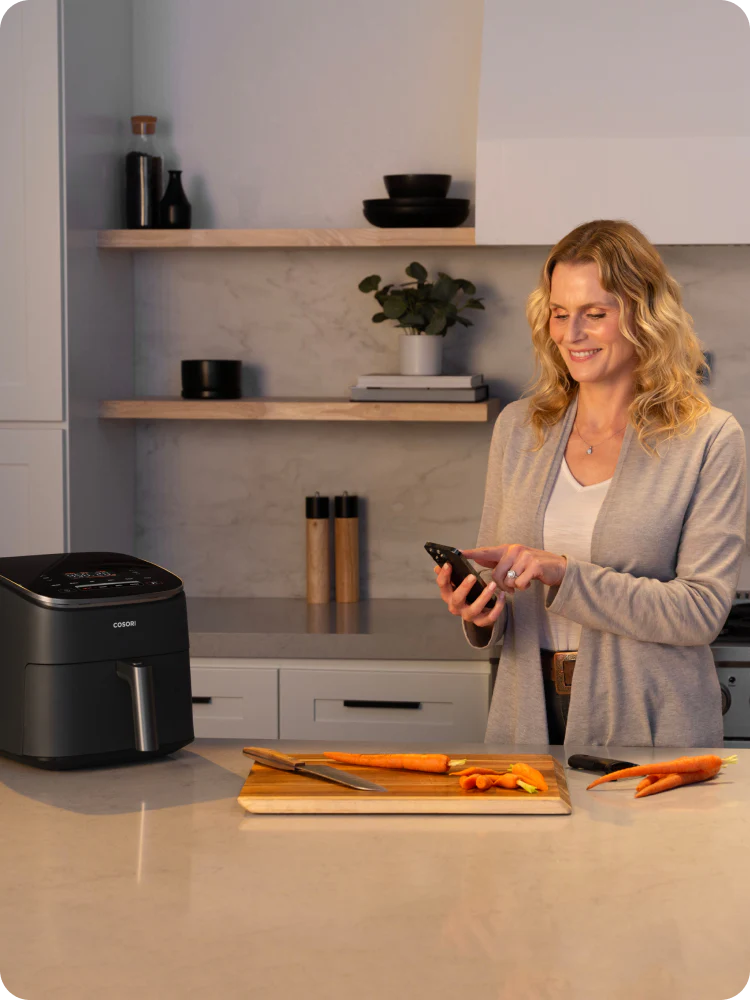
Cosori air fryer/Source: Cosori
Yet, behind the record-breaking sales, Vesync's R&D team debated over a crucial choice:
-
±3% sensor accuracy (40% higher cost)
-
±5% sensor accuracy (risking user complaints)
This conflict between cost-efficiency and premium quality reflects a common struggle among Chinese brands expanding globally.
Vesync's Breakthrough
Yang Lin's response was bold and aggressive.
First, she relocated factories overseas, investing 35% of IPO funds to replicate the Yongkang model in Ho Chi Minh City, Vietnam.
To enhance brand prestige, she secretly acquired Küppersbusch, a century-old German brand, to inject European heritage into Vesync.
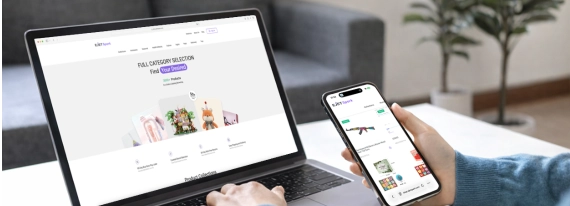
To reduce reliance on Amazon traffic, she invested $200 million in a direct-to-consumer (DTC) website, adopting SHEIN's private traffic strategies.
These moves, however, require time to prove their worth.
During a board meeting, Yang Lin's Stanford-educated son, Li Ran, posed a thought-provoking question:
"Are we building a brand empire, or just high-end resellers?"
The answer remains elusive.
At the 2024 Canton Fair, Yang Lin stood before Vesync’s booth, where a New York Times Square ad looped in the background.
A white-haired buyer ran his fingers over a Cosori air fryer and asked:
"How are you different from China's OEM factories 30 years ago?"
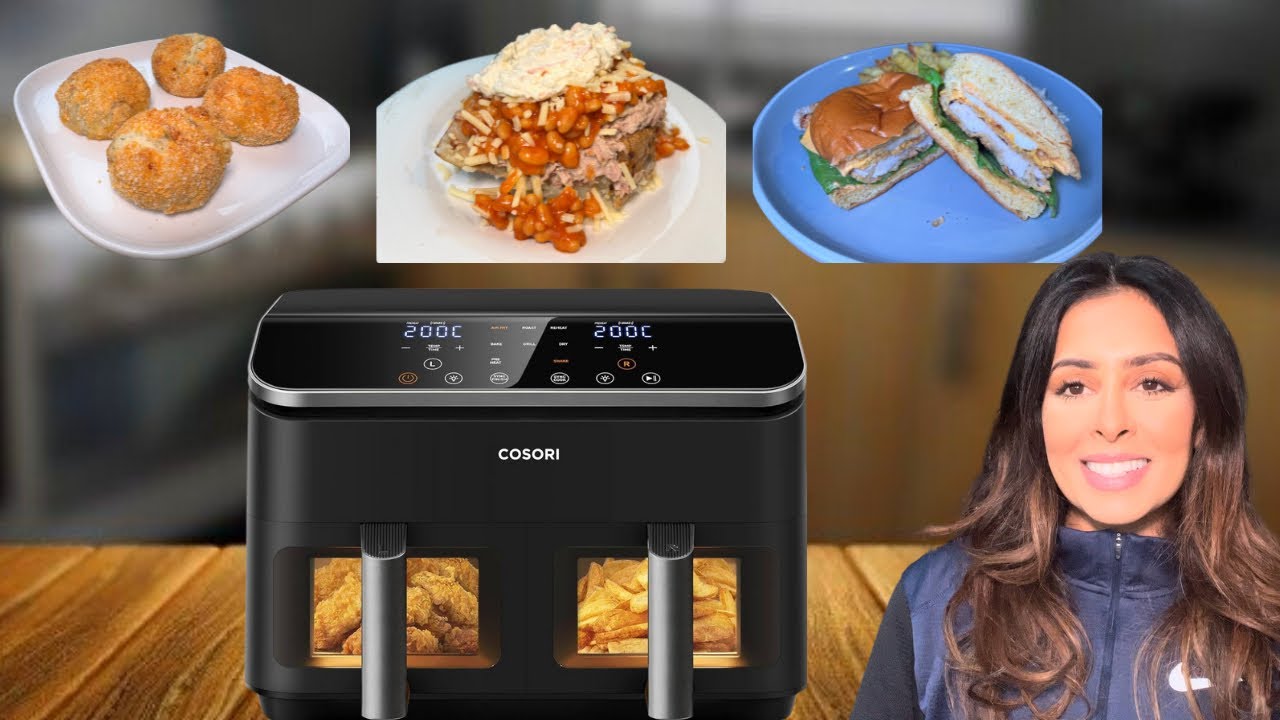
Cooperation with top international KOLs/Source: Youtube
She pointed to the laser-etched engraving at the bottom:
"This used to only say 'Made in China.' Now, it reads 'Designed for Human.'"
This moment encapsulates China's manufacturing evolution—from an OEM prisoner in a basement to an Amazon VC disruptor and finally, a pioneer in smart home ecosystems.
Yang Lin's journey is far from perfect—controversies over sudden dividends, technological dependencies, and family succession disputes—each like cracks in fine porcelain, bearing witness to the real costs of transformation.
As she said at the IPO celebration:
"Our generation's mission is to transform 'cheap and good' from a curse into a badge of honor."
And as Vesync's logo lights up Berlin's skyline, the machines in Yongkang's factories keep roaring—carrying both the unfulfilled ambitions of the past and the unwritten stories of the future.