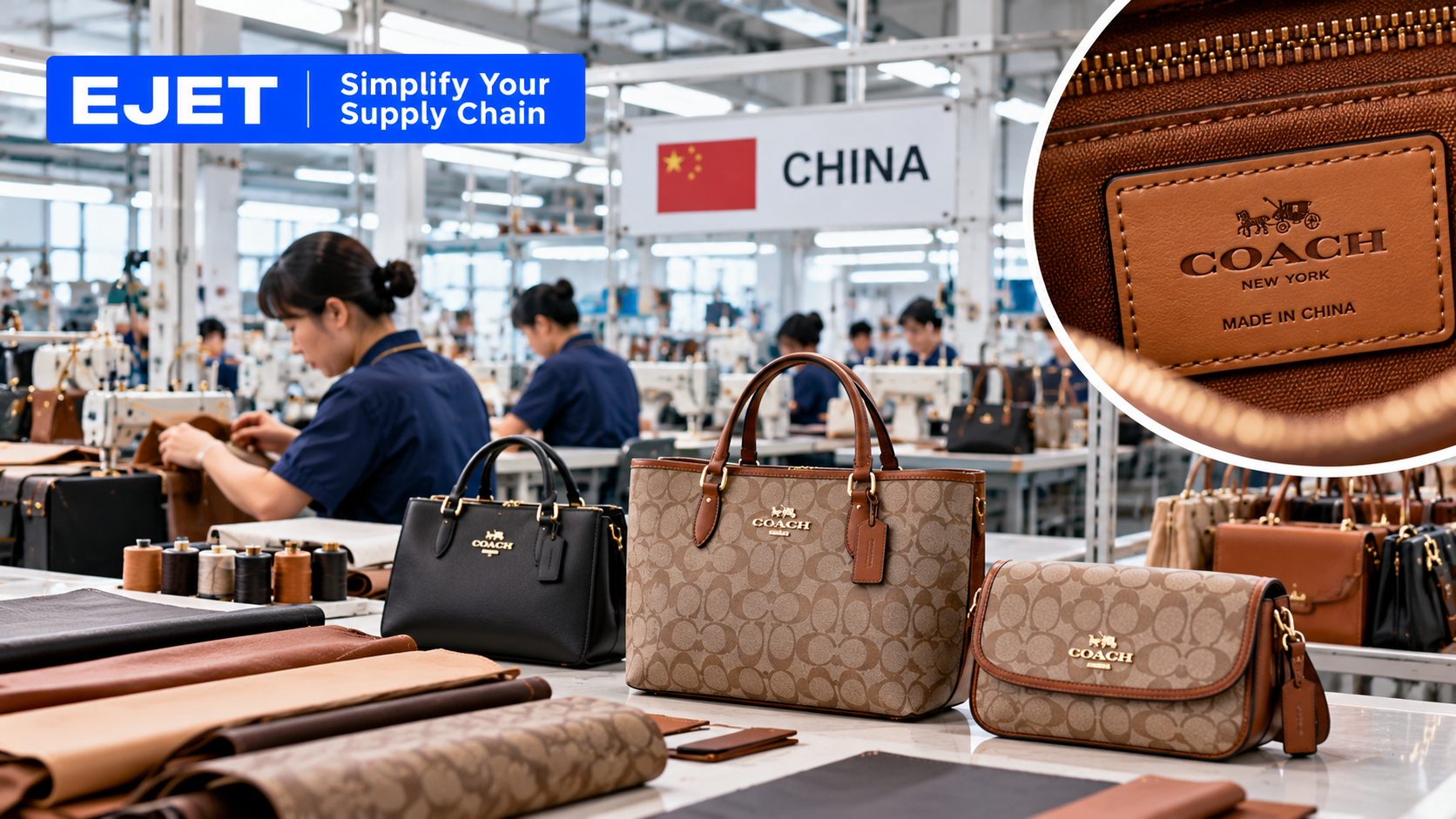













Recently, a wave of “de-overwork” reforms, led by major players in China’s manufacturing and tech industries, has swept through the workplace. Unlike the grand narratives of geopolitics, this grassroots movement is both sudden and exhilarating.
Companies such as DJI, Midea, and Haier have introduced policies enforcing strict work hours, banning unnecessary overtime, and ensuring two-day weekends, tearing apart the long-held notion that “996” is reasonable.
In reality, this transformation is not just a fight against excessive working hours but a pivotal shift from internal competition to high-quality development. For Chinese companies going global and those preparing for international expansion, this marks a milestone.
Tech Giants Take a Stand Against Overwork
DJI has implemented a “mandatory 9 PM office closure” policy at its Shenzhen headquarters starting February 27. Supervisors and HR staff conduct three rounds of inspections to ensure employees leave on time, and in its Shanghai office, the lights and power are even turned off to enforce the rule.
At first glance, a 9 PM cutoff hardly seems like a benefit. However, given that DJI, a leader in the drone industry, has long been criticized for its “work-until-dawn” culture, this change is significant.
A DJI employee from the technical department remarked, “We used to work until 11 PM regularly. Now, by 9:10 PM, the entire floor of over 100 people is empty.” Leaving the office on time now feels as swift as a fire drill.
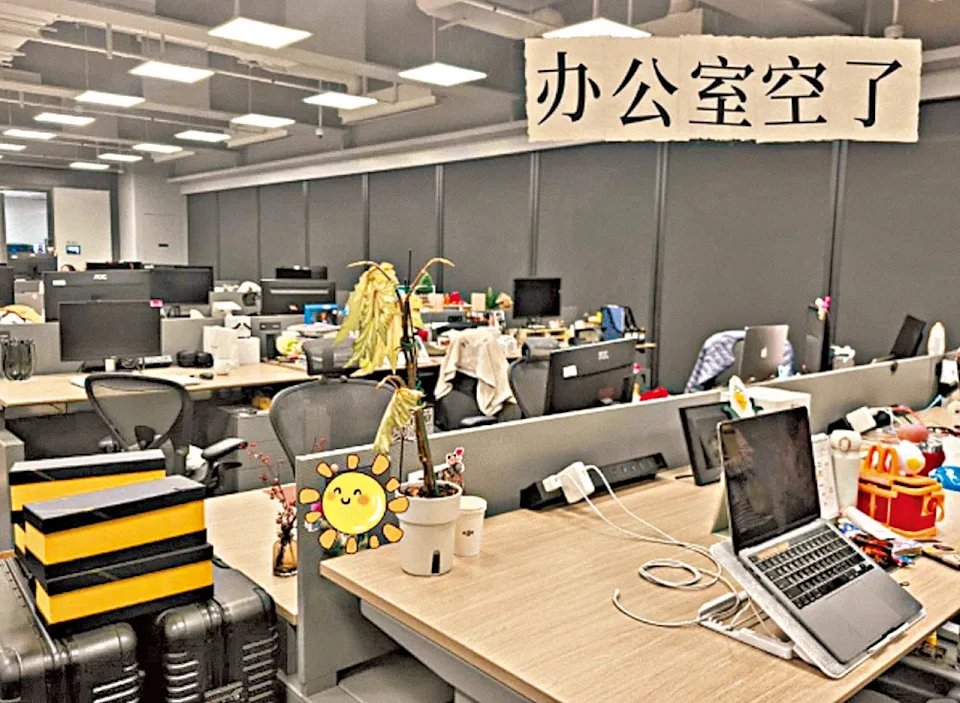
A deserted DJI office after 9 PM / Image Source: Yahoo! News
Midea’s approach to de-overwork is even more radical.
Since January 2025, Chairman Fang Hongbo has introduced a directive titled “Simplifying Work Methods”, which includes six prohibitions:
-
No meetings after working hours
-
No internal PowerPoint presentations (except for technical plans)
-
No ghostwriting of reports
-
Reduced bureaucratic WeChat groups
-
No manual report submissions
-
No internal gift-giving
More strikingly, certain departments now have a strict 6:20 PM cutoff. HR staff ensure employees leave on time and even prohibit them from returning to work after dinner.
Haier has taken an institutional approach by enforcing a mandatory two-day weekend policy, going as far as shutting down its cafeteria on Saturdays to discourage weekend work.
In February, Haier announced that all departments, including R&D and marketing, must adhere to the two-day weekend rule. Employees cannot work on Saturdays unless they apply a week in advance, and weekday overtime is capped at three hours per day.
One employee commented, “After decades of working, this is the first time I’ve seen a company strictly prohibit employees from coming to work.”
A Government Initiative with Global Implications
At first glance, these reforms seem like a response to government initiatives. However, there are deeper strategic considerations for businesses.
First, this movement aligns with national policies.
In July 2024, China’s Politburo meeting emphasized the need to curb excessive internal competition. By December, the Central Economic Work Conference identified addressing “destructive internal competition” as a key priority for 2025.
At the recent Two Sessions in 2025, this issue became a hot topic, and for the first time, the government work report explicitly called for a comprehensive crackdown on internal competition.
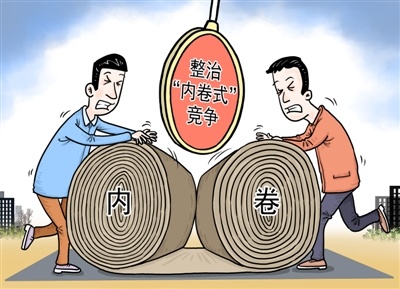
Image Source: Visual China
The report urges the establishment of regulatory frameworks to break down local protectionism, remove market access barriers, and optimize resource allocation, signaling a shift from growth-driven policies to quality-driven development. Companies are now expected to enhance competitiveness through management optimization rather than sheer workforce exhaustion.
Moreover, these reforms stem from the realities of globalization.
By late 2024, the EU Regulation on Forced Labor Products had taken effect, barring any product linked to forced labor from entering the European market.
Excessive overtime could be classified as forced labor. For export-driven companies like DJI, Haier, and Midea, adjusting work policies to comply with EU regulations is crucial to maintaining market access.
In essence, the EU’s forced labor regulations represent a new form of trade barrier. By enforcing strict work-hour policies, Chinese firms gain an ethical certification—effectively branding their products with a “human rights premium.”
Beyond compliance, for large corporations that have already passed their rapid expansion phase, sustainable development is now the priority.
Optimizing management not only fosters a humane corporate image but also helps reduce costs and improve efficiency. Moving forward, striking a balance between efficiency, employee well-being, and corporate culture will be critical to the success of their globalization strategies.
The Wisdom of Global Management
As more Chinese companies expand overseas, workplace culture clashes are becoming increasingly common. One of the biggest tensions is the perception that “foreign employees are too laid-back.”
For example, when a major Chinese home appliance company attempted to introduce its “striver’s agreement” in Vietnam, 50 employees quit en masse. This mirrors the challenges faced by Japanese automakers in the U.S. during the 1980s.
However, while many Chinese employers complain about foreign workers’ reluctance to work overtime, they rarely ask: Are Chinese employees simply overworked?
Many may not realize that in 1886, 250,000 workers marched through Chicago demanding an eight-hour workday, a fight that eventually led to the global recognition of International Workers’ Day.
In contrast, at Foxconn’s Tijuana plant, Mexican workers would rather forgo triple overtime pay than miss their daughter’s coming-of-age ceremony. In China, such a decision is rarely even considered—most would unhesitatingly choose the money.
So, is China’s 996 work ethic outdated, or is it the way forward? Likewise, is the work-life balance philosophy progressive, or is it out of touch with reality?
These questions pose a significant challenge for Chinese companies expanding overseas.
Haier’s approach in Mexico offers an insightful solution. While retaining morning meetings, the content has shifted from KPI reviews to birthday celebrations. While maintaining structured management, employees are also allowed to decorate their workstations with religious icons.
Tesla’s Shanghai Gigafactory has already demonstrated this hybrid management style.
When Elon Musk pushed for double shifts to boost Model Y production, he also approved “Parents’ Visit Day” and company-wide esports tournaments—balancing corporate warmth with stringent performance assessments.
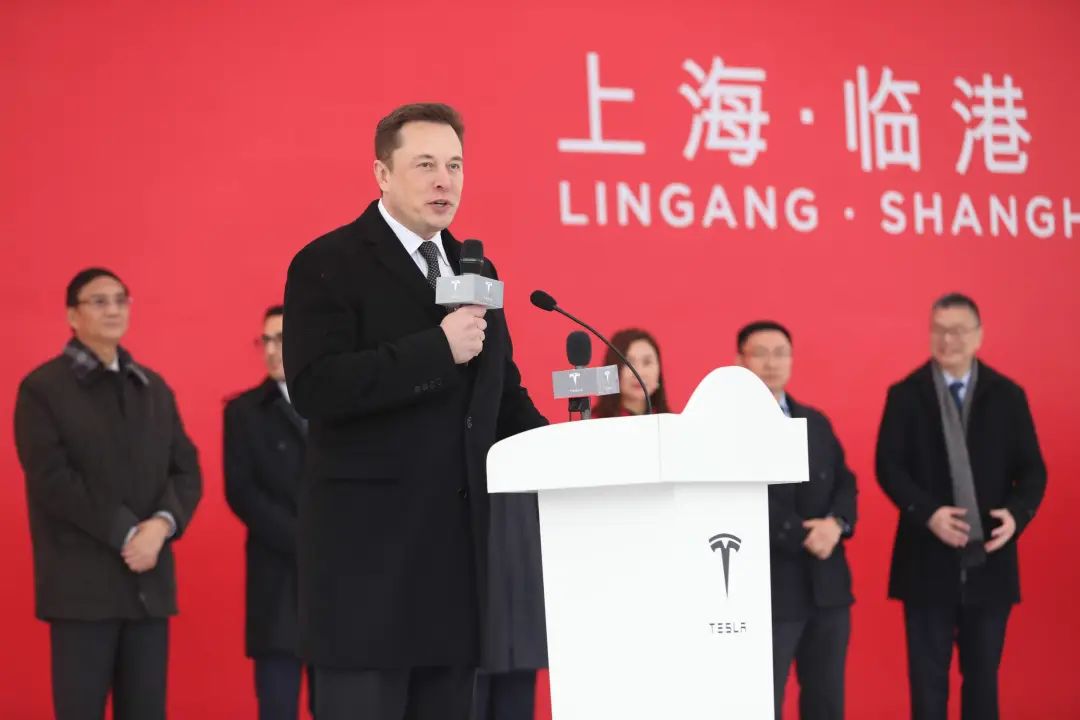
Elon Musk at Tesla’s Shanghai Gigafactory / Image Source: OFweek
The Future: A Smarter, More Compliant Global Workforce
Globalization is never a binary choice; it’s more like hybrid rice cultivation—a strategic mix of best practices.
Looking back:
In 1994, Huawei’s cafeteria displayed a banner reading “Oppose the naïve culture of overwork.”
In 2025, DJI enforces office evacuations at closing time, debunking the “struggle narrative.”
History repeats itself, but this time, there’s a difference.
By collectively rejecting excessive overtime, China’s corporate giants are placing a new bet on globalization:
Competing not on cheap labor, but on smart systems.
Not relying on loose regulations, but on elegant compliance.
When the lights go out in Shunde’s factories on time, they may just be illuminating the path to the next “Tesla Shanghai Gigafactory” on the global stage.