








China is home to some of the world's largest and most specialized wholesale markets. These markets connect international buyers with manufacturers, distributors, trading companies, and supply-chain service providers.
From small commodities in Yiwu to electronics in Shenzhen and clothing in Guangzhou, each market serves different sourcing needs.
For international buyers, choosing the right wholesale markets in China can reduce sourcing costs, improve product selection, and provide direct access to China's manufacturing clusters.
However, visiting a market does not automatically mean finding the best supplier. Buyers still need to verify suppliers, compare quotations, inspect products, and calculate the complete landed cost.
This guide explains the major wholesale markets in China, what each market specializes in, how to buy from them, and what international buyers should consider before placing an order.
What Are Wholesale Markets in China?
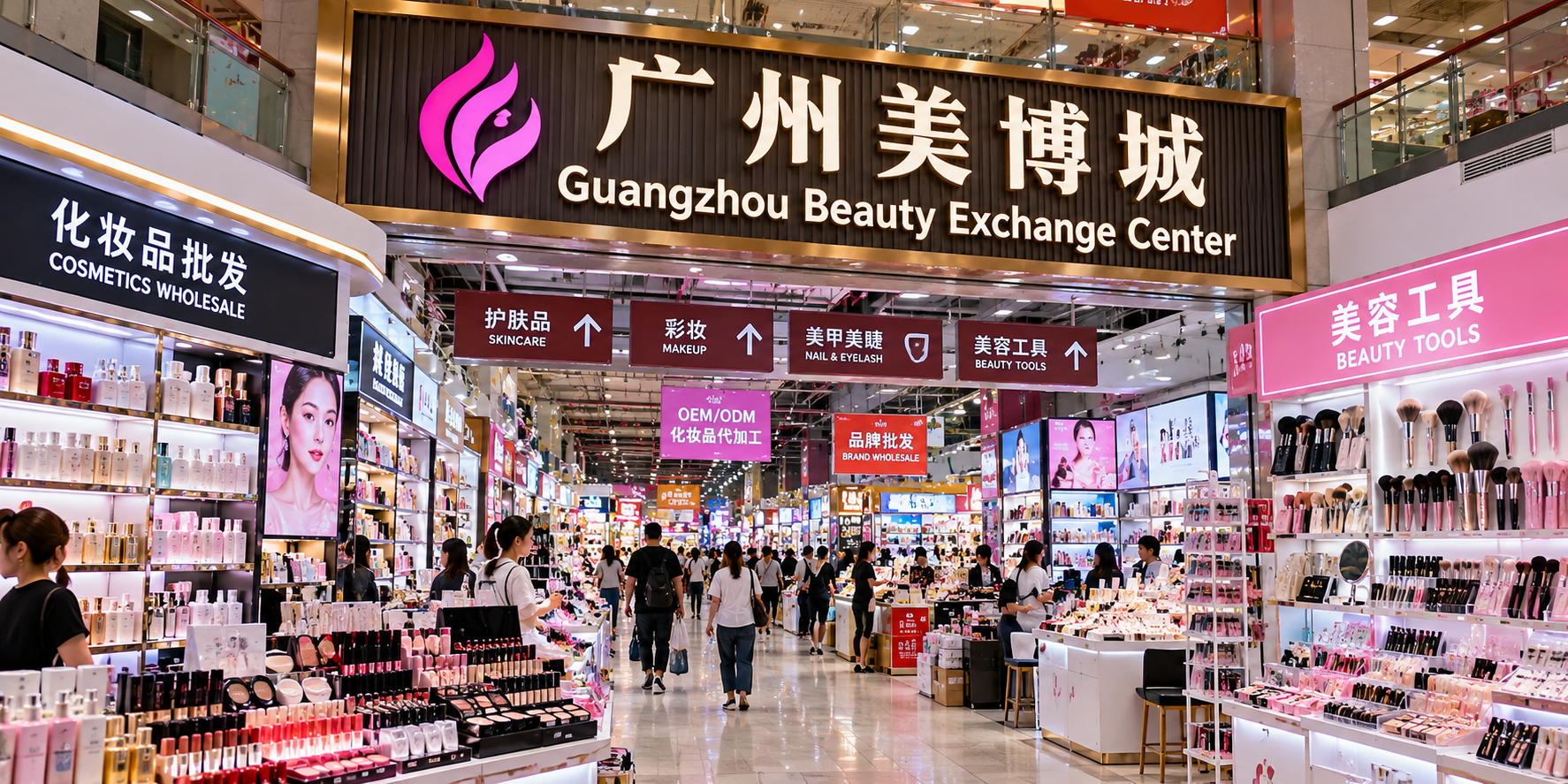
Wholesale markets in China are large commercial marketplaces where suppliers sell products in bulk to retailers, importers, distributors, online sellers, and other businesses.
Unlike ordinary retail stores, these markets often concentrate thousands of suppliers in one location. Many also operate alongside nearby factories, logistics companies, packaging suppliers, and export-service providers.
The markets are usually organized around specific product categories. For example:
For buyers, the main advantages include:
Yiwu specializes in small commodities and general merchandise.
Guangzhou is particularly strong in clothing, bags, footwear, fabrics, and accessories.
Shenzhen is a major destination for electronics and components.
Keqiao specializes in textiles and fabrics.
Shantou's Chenghai district is a major toy production and trading hub.
- Foshan's Lecong area specializes in furniture.
This concentration creates a major sourcing advantage. Buyers can compare multiple suppliers and products without traveling between distant manufacturing regions.
Why Are Wholesale Markets in China Important for Importers?
Wholesale markets give buyers physical access to China's supplier ecosystem. They can examine products, compare quality, negotiate prices, and identify manufacturers or trading companies before committing to an order.
China's professional wholesale markets are also becoming more internationally connected. Guangzhou, for example, reported 508 specialized wholesale markets in 2026.
The city is expanding services for foreign buyers, including customs, logistics, payment, and trade support.
For buyers, the main advantages include:
Large product selection — Thousands of products can be compared in one trip.
Supplier comparison — Buyers can evaluate several suppliers selling similar products.
Product inspection — Samples can often be examined before ordering.
Price negotiation — Wholesale pricing can vary by quantity and specifications.
Customization opportunities — Some suppliers can support OEM and private-label orders.
Industry clustering — Markets are often connected to nearby factories and supporting suppliers.
Faster sourcing — Buyers can sometimes identify products and suppliers within days.
However, wholesale markets also have limitations. The lowest quoted price is not necessarily the lowest total cost. Shipping, packaging, quality control, customs duties, product compliance, and defective goods can significantly affect the final landed cost.
What Are the Best Wholesale Markets in China?
The best market depends on the product you want to source. There is no single wholesale market that is ideal for every buyer.
| Wholesale market | Location | Main products | Best for |
|---|---|---|---|
| Yiwu International Trade Market | Yiwu, Zhejiang | Small commodities, gifts, accessories | General merchandise |
| Guangzhou Clothing Markets | Guangzhou, Guangdong | Clothing, shoes, bags, accessories | Fashion businesses |
| Huaqiangbei | Shenzhen, Guangdong | Electronics, components, gadgets | Electronics buyers |
| OneLink Plaza | Guangzhou, Guangdong | Gifts, toys, decorations | Gift and promotional products |
| Zhongda Textile Market | Guangzhou, Guangdong | Fabrics and accessories | Apparel manufacturers |
| Shiling Leather Market | Guangzhou, Guangdong | Leather, bags, luggage | Leather goods |
| China Textile City | Keqiao, Zhejiang | Fabrics and textiles | Textile importers |
| Chenghai Toy Cluster | Shantou, Guangdong | Toys and children's products | Toy businesses |
| Lecong Furniture Market | Foshan, Guangdong | Furniture and home furnishings | Furniture importers |
1. Yiwu International Trade Market — Best for Small Commodities
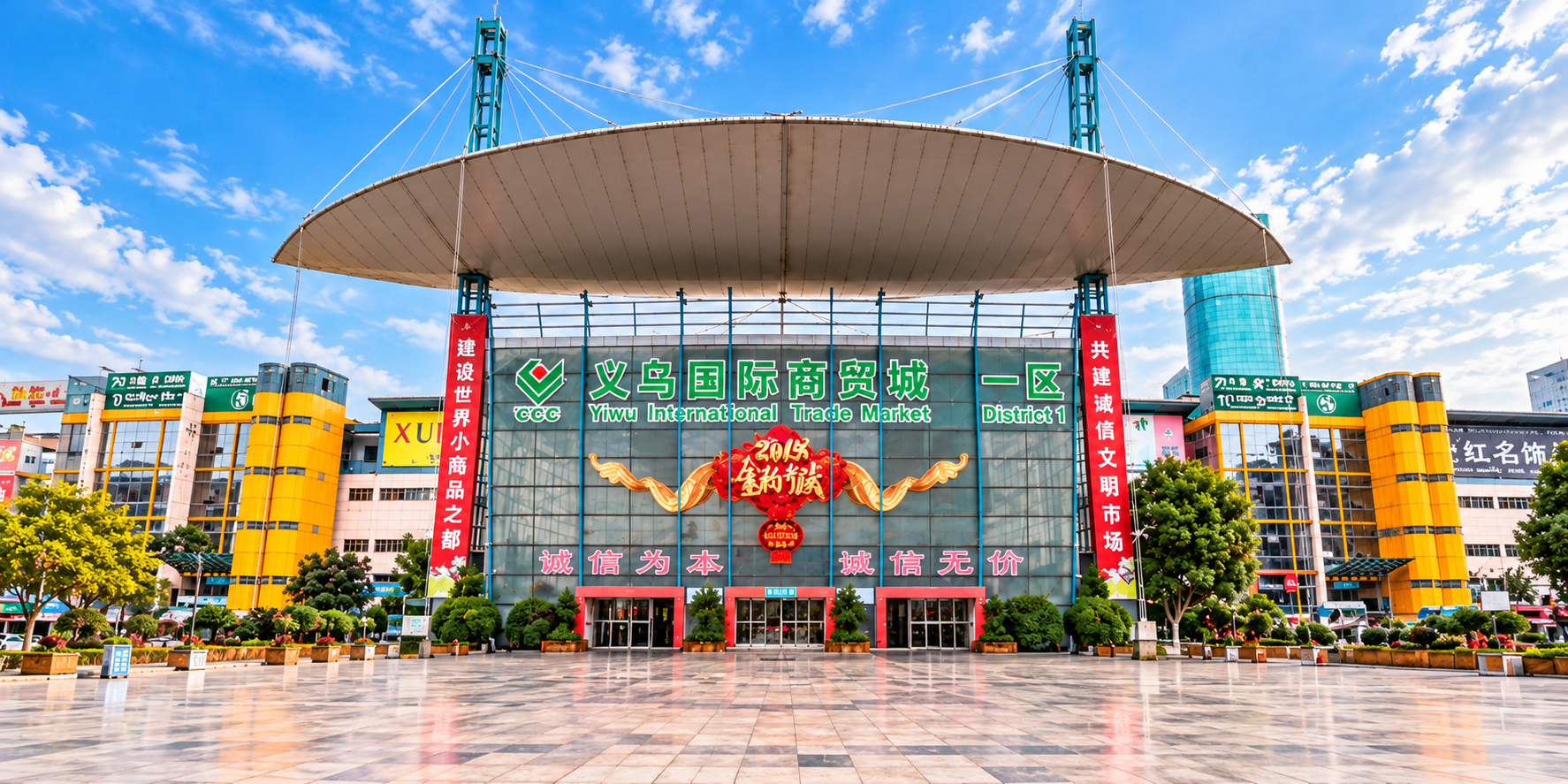
The Yiwu International Trade Market is one of the most important wholesale markets in China for small commodities.
Located in Yiwu, Zhejiang Province, the market offers products ranging from jewelry and fashion accessories to toys, household goods, stationery, gifts, seasonal products, and everyday merchandise.
In February 2026, the market reopened with nearly 80,000 booths and more than 2.1 million types of goods, according to Zhejiang's government information platform. It supplies buyers across 233 countries and regions.
Best for:
Small commodity importers, retail stores, e-commerce sellers, gift businesses, dollar stores, and general merchandise wholesalers.
Yiwu is particularly useful when you need many product categories from one sourcing location. It is less suitable when you require highly specialized industrial products or complex manufacturing.
Practical example: A retailer opening a variety store could source organizers, party supplies, accessories, toys, stationery, and seasonal products through suppliers in Yiwu.
2. Guangzhou Clothing Wholesale Markets — Best for Fashion
Guangzhou is one of China's most important fashion sourcing centers. Its wholesale markets cover clothing, footwear, handbags, accessories, children's clothing, and related products.
Major areas include Baima, Shisanhang, Liuhua, Zhanxi, Shahe, and other specialized markets. Guangzhou's Liwan district alone has numerous professional markets serving different segments of the apparel industry.
The Shisanhang business district is especially associated with women's clothing and fashion wholesale. It has developed into a major apparel trading cluster in Guangzhou.
Guangzhou is also strengthening services for overseas buyers. In 2025, its specialized wholesale markets received more than 20 million overseas buyers, according to Guangzhou's government information platform.
Best for: Fashion brands, clothing retailers, boutiques, online fashion sellers, and importers.
Buying tip: Do not compare suppliers only by price. Compare fabric composition, stitching, sizing, packaging, labeling, color consistency, and minimum order quantity.
3. Huaqiangbei, Shenzhen — Best for Electronics
Huaqiangbei in Shenzhen is one of China's best-known electronics sourcing districts.
The area contains specialized markets selling electronic components, consumer electronics, accessories, development hardware, smart devices, and related products. Shenzhen government sources describe Huaqiangbei as a major electronics distribution center and report dozens of specialized markets and a very large business ecosystem.
Best for: Electronics importers, hardware startups, component buyers, gadget businesses, repair companies, and product developers.
The key advantage is ecosystem density. Buyers can find components, accessories, prototypes, technical services, and related suppliers within a concentrated area.
However, electronics require additional due diligence. Buyers should verify specifications, certifications, voltage requirements, battery regulations, intellectual property, firmware, warranty terms, and product testing requirements.
4. OneLink Plaza, Guangzhou — Best for Gifts and General Merchandise
OneLink Plaza is part of Guangzhou's professional wholesale market ecosystem and is particularly relevant to buyers looking for gifts, decorations, toys, party supplies, seasonal merchandise, and promotional products.
It can be useful for businesses that need a wide variety of relatively lightweight consumer products.
Best for: Gift shops, promotional-product companies, event suppliers, retailers, and online sellers.
Because similar products may be available from many vendors, buyers should request samples and compare specifications before selecting a supplier.
5. Zhongda Textile Market, Guangzhou — Best for Fabrics
The Zhongda textile area in Guangzhou is an important sourcing destination for fabrics, garment materials, trims, and fashion accessories.
Guangzhou's government describes Zhongda Fabric Market as a major textile and fashion-accessories hub.
Best for: Clothing manufacturers, fashion brands, garment factories, textile wholesalers, and product developers.
Buyers should bring clear specifications. These may include fabric composition, GSM, width, color, finish, shrinkage requirements, and intended application.
For larger production runs, fabric sourcing can also be combined with nearby garment manufacturing and accessory suppliers.
6. Shiling Leather Market — Best for Bags and Leather Products
Shiling in Huadu, Guangzhou, is a major leather and leather-goods production and trading cluster.
The local market ecosystem includes leather, luggage, handbags, hardware, accessories, and related export businesses. Guangzhou's Huadu district identifies Shiling as part of a large market-procurement trade pilot covering approximately 1.6 million square meters.
Best for: Handbags, luggage, wallets, leather accessories, travel products, and private-label businesses.
For leather products, buyers should check material composition carefully. Terms such as genuine leather, PU, PVC, microfiber, and synthetic leather can represent very different materials and price points.
7. China Textile City, Keqiao — Best for Textile Sourcing
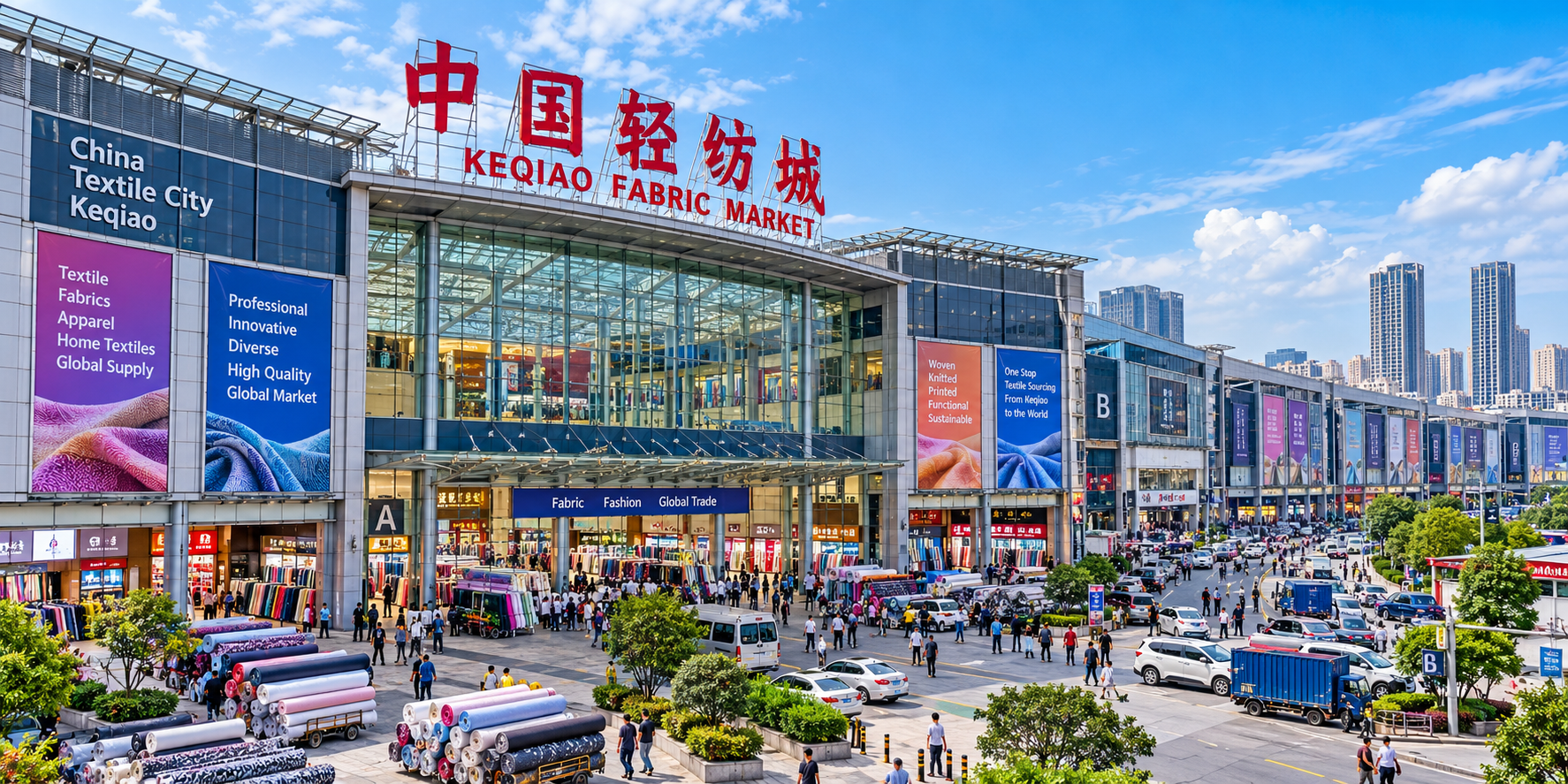
China Textile City is located in Keqiao District, Shaoxing, Zhejiang Province. It is a major textile trading center and one of China's most important textile markets.
The market was founded in 1988 and had approximately 38,000 vendors by 2024. Its businesses serve international markets, with sales networks covering more than 200 countries and regions.
Best for: Fabric importers, apparel manufacturers, textile wholesalers, fashion brands, and home-textile businesses.
Keqiao is especially useful when fabric sourcing is central to your business. Buyers can compare materials, colors, finishes, and suppliers while also accessing the surrounding textile manufacturing ecosystem.
8. Chenghai, Shantou — Best for Toys
Chenghai District in Shantou, Guangdong, is a major toy manufacturing and trading cluster.
The local government reported in 2026 that Chenghai had about 68,000 toy production and business entities. Products from the region are exported to more than 170 countries and regions.
The cluster covers traditional toys as well as educational toys, remote-control products, building blocks, trendy toys, and emerging smart-toy categories.
Best for: Toy wholesalers, children's product retailers, distributors, and toy brands.
Toy buyers must pay particular attention to product safety and destination-country compliance. Requirements can differ substantially between markets, so compliance should be checked before production.
9. Lecong Furniture Market, Foshan — Best for Furniture
Lecong in Foshan, Guangdong, is a major furniture sourcing destination.
The market includes numerous furniture malls and suppliers covering residential, office, hotel, dining, and other furniture categories. The local furniture industry ecosystem also includes manufacturing, materials, logistics, and installation services.
Best for: Furniture importers, hotels, restaurants, property developers, retailers, and interior-design businesses.
Furniture sourcing requires more than comparing unit prices. Buyers should calculate packaging volume, container utilization, shipping costs, assembly requirements, damage rates, and after-sales support.
10. Canton Fair — Best for Finding Export-Oriented Suppliers
The Canton Fair is technically a trade fair rather than a permanent wholesale market. However, international buyers should consider it when planning a China sourcing trip.
The China Import and Export Fair has been held since 1957 and takes place in Guangzhou every spring and autumn. The official fair currently covers 13 categories and 54 exhibition sections.
Its categories include electronics, industrial manufacturing, hardware, household products, gifts, furniture, toys, clothing, textiles, personal care products, and more.
Best for: Importers looking for export-oriented suppliers across multiple industries.
The key difference is that a wholesale market lets you visit permanent supplier stalls, while the Canton Fair provides a concentrated trade-show environment for discovering companies and products.
How Do You Buy Products From Wholesale Markets in China?
A successful sourcing trip requires more preparation than simply visiting a market.
Step 1: Define Your Product Requirements
Prepare a clear product specification before contacting suppliers.
Include:
Product dimensions
Materials
Colors
Functions
Packaging
Required certifications
Target quantity
Branding requirements
Delivery destination
The clearer your specification, the easier it is to compare quotations.
Step 2: Research the Correct Market
Choose the market based on your product category.
For example, a clothing brand should prioritize Guangzhou or textile hubs such as Keqiao. An electronics company should consider Shenzhen. A general merchandise retailer may benefit more from Yiwu.
Step 3: Compare Multiple Suppliers
Do not select the first supplier offering a low price.
Compare at least several suppliers based on:
Product quality
Unit price
MOQ
Production capacity
Lead time
Packaging
Certifications
Export experience
Payment terms
Customization capabilities
Step 4: Request Samples
Samples help you evaluate actual quality before placing a large order.
For customized products, approve a production sample before mass production whenever practical.
Step 5: Verify the Supplier
A market stall does not automatically prove that a supplier is a factory.
Verify the company's legal identity, business license, factory information, production capabilities, certifications, and export experience.
For larger orders, consider an independent factory audit.
Step 6: Negotiate the Commercial Terms
Confirm the quotation in writing.
Important terms include product price, MOQ, tooling costs, packaging, payment schedule, production time, Incoterms, inspection arrangements, and shipping responsibilities.
Step 7: Inspect Before Shipment
Pre-shipment inspection can identify quality problems before goods leave China.
For large orders, inspection is often much cheaper than discovering major defects after the shipment arrives.
Step 8: Calculate the Landed Cost
The supplier's unit price is only one part of the real cost.
Your landed cost may include:
Product cost + packaging + domestic transport + international freight + insurance + customs duties + taxes + inspection + destination charges
This calculation gives you a more realistic basis for comparing suppliers.
Wholesale Markets vs. Online China Sourcing Platforms
Physical markets and online sourcing platforms serve different purposes.
| Factor | Physical wholesale market | Online sourcing platform |
|---|---|---|
| Product inspection | Strong | Limited before sampling |
| Supplier comparison | Very fast in person | Fast online |
| Negotiation | Direct | Online |
| Product variety | Extremely broad in clusters | Extremely broad |
| Factory visit | Easier to arrange locally | Requires separate planning |
| Travel required | Yes | No |
| Best for | Buyers visiting China | Remote sourcing |
For many businesses, the best approach is to combine both methods. Online research can identify potential suppliers before the trip. A physical visit can then be used to verify products, negotiate terms, and build supplier relationships.
What Should You Check Before Buying From a China Wholesale Market?
The most important checks are supplier identity, product quality, compliance, price, MOQ, production capability, and logistics.
A practical supplier verification checklist includes:
Confirm the supplier's legal business name.
Check its business registration information.
Request product samples.
Verify relevant certifications.
Confirm production capacity.
Check lead times.
Review packaging specifications.
Confirm payment beneficiary details.
Ask about export experience.
Consider an independent factory inspection.
Confirm product compliance for your destination market.
Do not assume that a supplier's market location proves manufacturing capability. Some vendors are manufacturers, while others are trading companies or distributors.
What Are the Main Challenges of Buying From China Wholesale Markets?
Wholesale markets provide access to suppliers, but they do not eliminate sourcing risks.
Supplier quality varies
Two stalls may sell visually similar products with very different quality levels. Sampling and inspection are therefore essential.
Communication can be difficult
Some suppliers have limited English capabilities. Detailed specifications, photographs, drawings, and written purchase terms can reduce misunderstandings.
MOQ may vary
A market may display products individually, but the supplier may require a larger MOQ for production or customization.
Product compliance matters
Products such as toys, electronics, cosmetics, children's products, and electrical equipment can face specific regulatory requirements.
The cheapest price may not be the best deal
A low unit price can be offset by poor quality, expensive packaging, high defect rates, or inefficient shipping.
How Can Ejet Help With China Sourcing?
For international buyers who cannot easily visit China's wholesale markets, a sourcing partner can help bridge the gap between market suppliers and overseas businesses.
Ejet can support businesses with supplier sourcing, product procurement, quality inspection, consolidation, and international logistics. This can be particularly useful when buyers need to source products from multiple suppliers and combine them into one shipment.
The most important objective is not simply finding the cheapest supplier. It is building a reliable supply chain that delivers the required quality at a commercially viable landed cost.
Frequently Asked Questions About Wholesale Markets in China

What is the largest wholesale market in China?
The Yiwu International Trade Market is widely recognized as the world's largest wholesale market for small commodities. In 2026, Zhejiang's government information platform reported nearly 80,000 booths and more than 2.1 million types of goods.
Which wholesale market in China is best for clothing?
Guangzhou is one of the best destinations for clothing wholesale. Major sourcing areas include Baima, Shisanhang, Liuhua, Zhanxi, and Shahe. Different markets specialize in different fashion segments and price ranges.
Where can I buy electronics wholesale in China?
Huaqiangbei in Shenzhen is a major electronics sourcing destination. It is particularly useful for electronic components, accessories, gadgets, development hardware, and consumer electronics.
Which China wholesale market is best for small businesses?
Yiwu is often a strong choice for small businesses because of its broad selection of small commodities. However, the best market depends on the product. Fashion businesses may benefit more from Guangzhou, while electronics businesses should consider Shenzhen.
Can foreigners buy directly from wholesale markets in China?
Yes. International buyers can source products from China's wholesale markets. However, they should clarify payment, invoices, export arrangements, product compliance, shipping, and customs requirements before ordering.
Should I visit China or source products online?
Both approaches can work. Visiting China is particularly valuable for large orders, complex products, supplier verification, and relationship building. Online sourcing can be more efficient for initial research and smaller purchasing projects.
Key Takeaway
The best wholesale markets in China are organized around different product and manufacturing clusters. Yiwu is ideal for small commodities, Guangzhou for fashion and accessories, Shenzhen for electronics, Keqiao for textiles, Chenghai for toys, and Foshan for furniture.
The right market is only the starting point. Successful China sourcing depends on supplier verification, product sampling, quality control, clear commercial terms, compliance checks, and accurate landed-cost calculations.
For international buyers, combining market research with professional sourcing and logistics support can make the purchasing process more efficient and reduce avoidable supply-chain risks.
Conclusion
China's wholesale markets provide international buyers with direct access to enormous product ecosystems. However, choosing the right market is more important than simply looking for the lowest price.
Start with your product category, identify the relevant sourcing cluster, compare multiple suppliers, verify their capabilities, test samples, and calculate the full landed cost before placing a large order.
Whether you are sourcing fashion from Guangzhou, electronics from Shenzhen, small commodities from Yiwu, textiles from Keqiao, toys from Chenghai, or furniture from Foshan, a structured sourcing process can turn China's wholesale markets into a reliable supply channel for your business.
_1751507038923.png)