







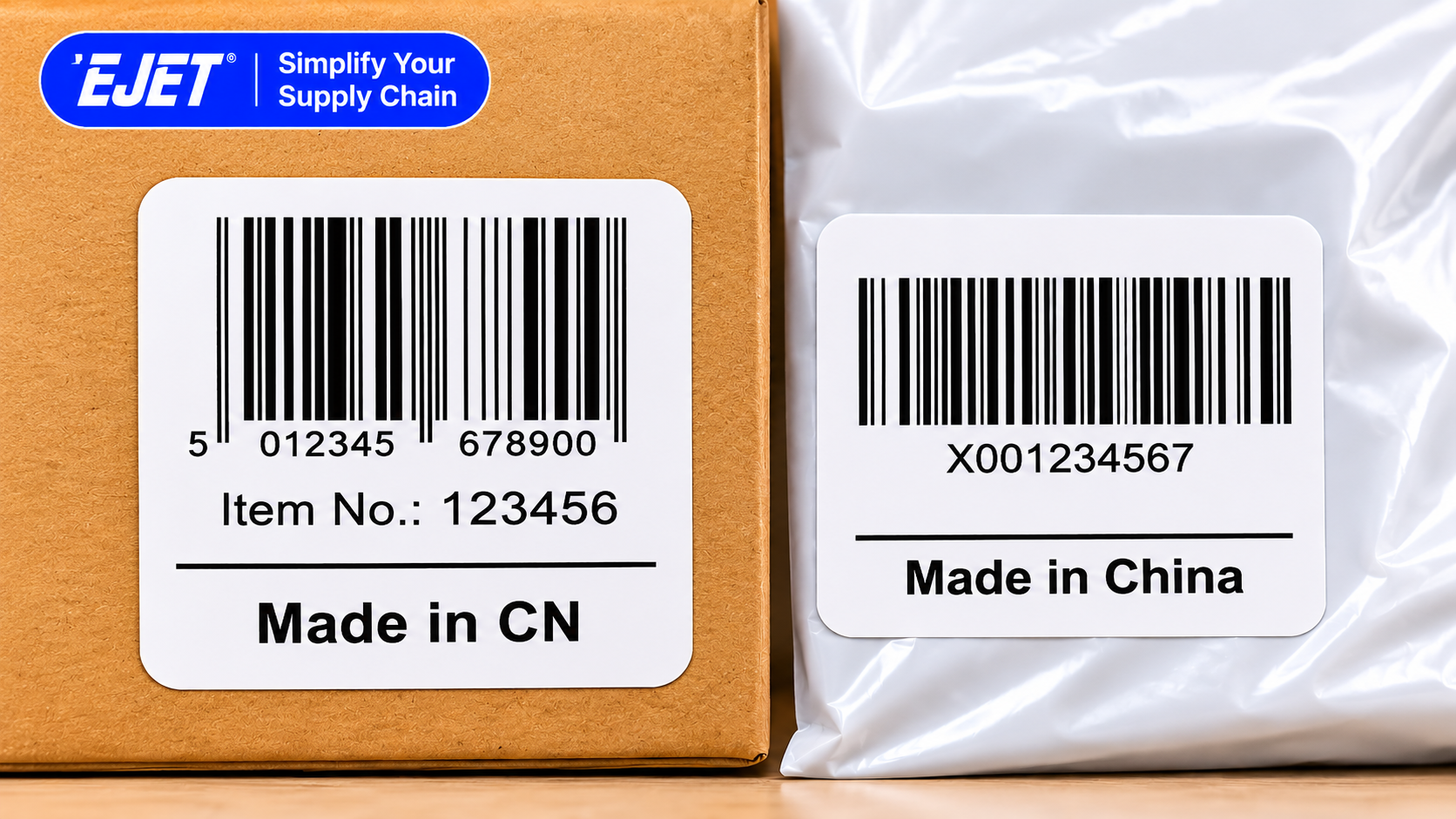
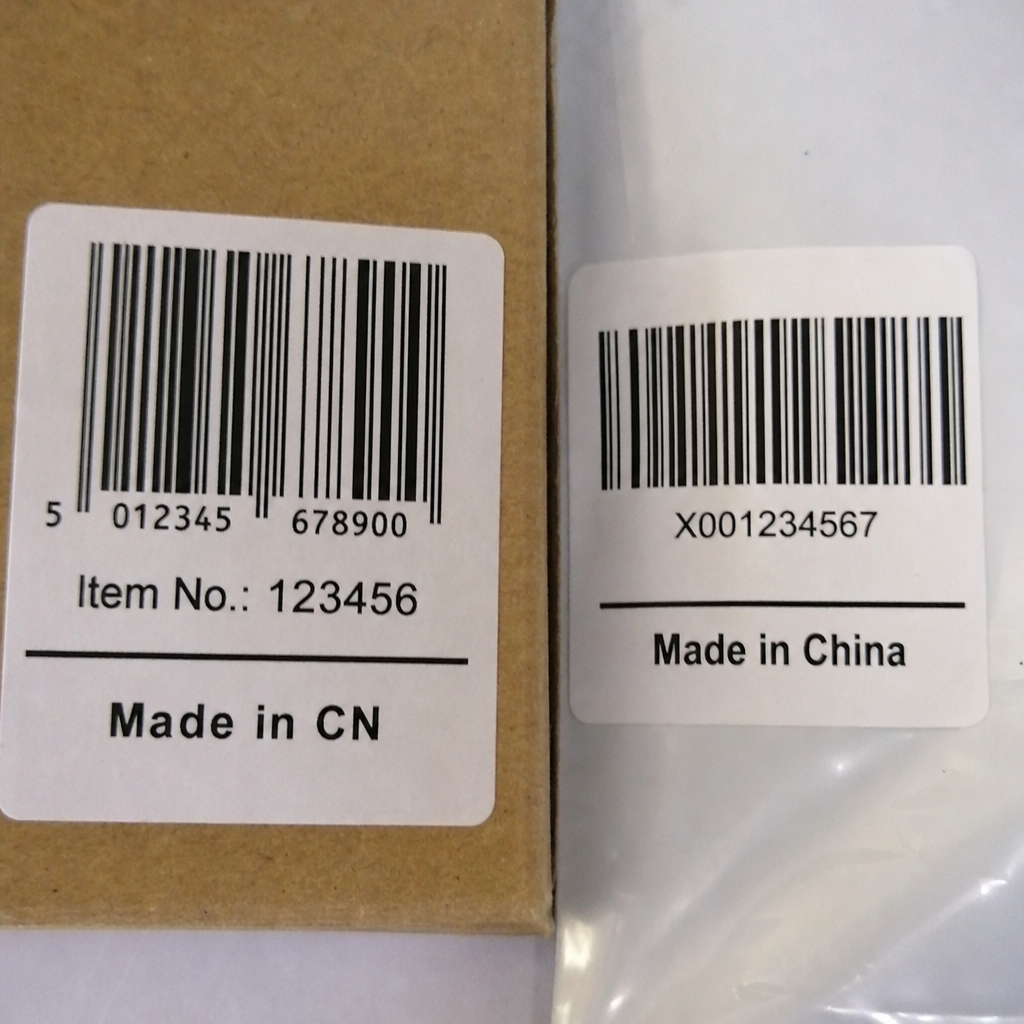
“Made in CN” means “Made in China”: CN is the two-letter country code for China.
On a product or listing, the phrase identifies China as the stated manufacturing origin, not the brand’s nationality or a quality rating.
Understanding that distinction helps you read labels, compare products, and avoid assumptions about what you are buying.
What does “Made in CN” mean on a product?
“Made in CN” indicates that the product is described as manufactured in China. The United Nations’ country information lists CN as China’s ISO two-letter code and CHN as its three-letter code.
The U.S. Census Bureau also uses CN for China in its country-code listings.
The important distinction is between understanding a code and accepting it as a legally sufficient label. A country code can identify a location in a database without meeting every requirement for physical product marking. For consumers, the meaning is straightforward; for importers, the exact wording deserves a separate compliance check.
Keep these three ideas separate when reading the phrase:
- Manufacturing origin: The country identified as the origin of the finished product under the applicable rules.
- Brand identity: The business selling or marketing the product, which is not necessarily its manufacturer.
- Product quality: Something to investigate through specifications, performance evidence, and seller accountability rather than infer from the country code.
Treat the label as a starting point. It answers a locati0n question, but you still need information about the particular product before deciding whether it meets your needs.
Reading CN, China, and PRC without confusion
CN, China, and PRC can all refer to China, but they are not interchangeable in every labeling context. CN is a standardized country code; PRC abbreviates People’s Republic of China. U.S. Customs and Border Protection guidance distinguishes recognizable country names from abbreviations that do not sufficiently identify origin to the purchaser.
|
Wording |
Intended meaning |
Practical interpretation |
|---|---|---|
|
Made in CN |
Made in China, using the country code |
Understandable shorthand; check marking requirements separately |
|
Made in China |
Manufactured in China |
Names the country directly |
|
Made in PRC |
Made in the People’s Republic of China |
Refers to China, but PRC alone is not an acceptable U.S. origin abbreviation under CBP guidance |
|
Made in P.R. China |
Made in the People’s Republic of China |
Uses a form recognized in CBP abbreviation guidance |
These distinctions matter if you are approving packaging or importing stock. Do not assume that a phrase appearing on another seller’s product has already passed a reliable compliance review. Check your own product and destination-market requirements before copying it.
Manufacturing origin is not brand nationality
A brand name or headquarters address does not, by itself, establish where a product was manufactured. The Federal Trade Commission explicitly distinguishes an American brand name from a claim of American manufacturing origin.
The same reading habit is useful when evaluating unfamiliar products: separate who sells the item from where it was made.
For example, imagine a company headquartered in the United States that commissions a factory in China to manufacture a desk organizer. Its U.S. office address and Chinese manufacturing origin would describe different aspects of the business, not necessarily contradictory claims. You would still need product-specific information to establish its actual origin.
Likewise, do not use the term “Chinese brands” as a substitute for “products manufactured in China.” When origin matters to your purchase, ask about the exact model rather than relying on the company’s name, website imagery, or mailing address. The FTC’s guidance emphasizes the overall impression that origin-related marketing creates.
A useful question for the seller is: “What is the country of manufacture for this model, and where is that information shown?” This asks for something concrete instead of inviting a broad statement about the brand.
Why manufacturing in China is so widespread
Manufacturing in China is supported by an extensive industrial base and an established role in international supply chains. The International Trade Administration identifies infrastructure investment, productivity growth, urbanization, and investment-led and export-led growth among the forces behind China’s development into a manufacturing hub.
The explanation goes beyond a simple assumption about inexpensive labor. New Zealand’s Ministry of Foreign Affairs and Trade describes the importance of scale, vertical integration, and connections between research and production in China’s industrial development. For a buyer, those factors help explain why sourcing decisions involve an entire production network, not just an assembly line.
Chinese manufacturing also extends beyond basic consumer goods. Official research describes capabilities across sectors including solar panels, electric vehicles, communications equipment, rail equipment, and shipbuilding. China exports therefore should not be treated as one uniform category with one price point or technical standard.
The practical takeaway is to compare suppliers at the product level. A country’s manufacturing scale can explain why you encounter its goods frequently, but it cannot replace an assessment of a specific factory, design, or finished item.
Are products made in China good quality?
“Made in China” alone is not enough information to judge a product’s quality. China’s manufacturing sector covers diverse industries and technical capabilities, so the useful question is whether a particular item meets its stated specifications and your intended use.
Evaluate the model, seller, documentation, and after-sales arrangements rather than treating origin as a verdict.
For example, when comparing two storage containers, investigate dimensions, materials, lid fit, and cleaning instructions. When comparing two electronic accessories, ask for the exact model specifications and relevant safety documentation. These checks turn a vague concern about origin into questions a seller can actually answer.
A low price deserves context, too. Compare the total purchase cost, shipping charges, return conditions, and what is included. The FTC recommends researching sellers and products, comparing details, and understanding the terms before buying online.
Avoid treating an origin label as a safety approval. For U.S. consumer products, check applicable safety information and search the Consumer Product Safety Commission’s recall database when relevant. Match the brand and model carefully rather than assuming a similar-looking product has the same history.
This approach avoids both extremes: dismissing a suitable product because of its origin or accepting an unsuitable one because its branding looks reassuring.
A practical checklist before buying
If you are researching China products online, focus on information you can verify. The FTC advises shoppers to investigate unfamiliar sellers, compare product details, and review delivery and return terms. CPSC guidance adds an important safety step: check whether a relevant product has been recalled.
Use this checklist to organize your decision:
- Identify the exact item. Record the model number, size, materials, and intended use. Avoid comparing products solely because their photographs look alike.
- Identify the seller. Check the business name and contact details. Establish who will handle a missing delivery, defect, or return.
- Read the complete price. Include shipping and any disclosed additional charges. Compare equivalent quantities and included accessories.
- Inspect the return policy. Look for the return window, return destination, shipping responsibility, and refund conditions.
- Review product-specific evidence. Look for clear specifications and useful documentation rather than broad promises such as “premium quality.”
- Check relevant recalls. Search using the brand, product name, and model number, especially when safety is central to the purchase.
For any unanswered question, consider asking the seller in writing before ordering. A clear response gives you something concrete to assess and retain with your purchase records. If the response simply repeats the listing without addressing your concern, consider choosing a seller that provides better information.
Is “Made in CN” an acceptable U.S. import label?
Do not assume that “Made in CN” is sufficient for U.S. country-of-origin marking. CBP guidance says an abbreviation must unmistakably identify the country and explains that most ISO country codes are not acceptable for that purpose. It specifically recognizes “China” and “P.R. China” as acceptable forms for goods originating in the People’s Republic of China.
Understanding what CN means is therefore different from approving it for imported merchandise. A product listing, shipping record, and physical origin marking serve different purposes; wording suitable in one setting should not automatically be carried into another.
Exporters and importers should check the requirements applicable to their destination and product.
Origin itself can also require analysis when production involves multiple countries. CBP’s regulations generally look for a substantial transformation before work in another country changes origin, although specific rules can apply. The relevant question is what manufacturing occurred, not merely which country appears on the shipping route.
Before approving labels, give your customs broker or qualified adviser a description of the product, materials, production stages, and proposed marking. Seek product-specific guidance rather than treating a general explanation of country codes as legal clearance.
What business buyers should request from suppliers
For a business considering sourcing, decoding the label is only the beginning. CPSC’s business guidance directs manufacturers, importers, and sellers to identify the safety requirements applicable to their products. A supplier’s general assurance should not replace that product-specific review.
Build a written purchasing brief before requesting quotations. Consider including:
- Product specifications: Materials, dimensions, finishes, functionality, packaging, and permitted substitutions.
- Sample approval: The sample you will evaluate and the features the production order must match.
- Inspection expectations: What you want checked, when inspection should happen, and how discrepancies will be addressed.
- Documentation: Product identification, applicable test information, labeling artwork, and relevant manufacturing details.
- Commercial terms: Quantity, production timing, delivery responsibilities, payment stages, and remedies for nonconforming goods.
These are recommended discussion points, not a universal compliance checklist. Adapt them to the product and obtain specialist help where necessary. For regulated goods, start by identifying the applicable requirements rather than ordering first and investigating afterward.
Ask focused questions such as, “Does this test report identify the model being quoted?” or “Which materials are covered by the approved sample?” Specific questions make it easier to compare proposals and expose gaps before committing to a larger order.
The takeaway: read the label, then assess the product
“Made in CN” points to China as the stated manufacturing origin; it is not a complete description of the brand, product, or purchase. CN is a recognized country code, but that recognition does not automatically make it sufficient wording for every origin-marking requirement.
For shoppers, the next step is to compare the exact item and seller. For business buyers, it is to verify specifications, documentation, and applicable requirements before approving an order. Use the label to begin your assessment—not to finish it.
Frequently Asked Questions About What does "Made in CN" mean
What does "Made in CN" mean?
"Made in CN" indicates that a product is manufactured in China, with "CN" being the international two-letter country code for China. It's essential to understand this label as it identifies manufacturing origin, not brand nationality.
Is "Made in CN" an acceptable label for U.S. imports?
No, "Made in CN" is generally not accepted as a sufficient labeling method for U.S. country-of-origin marking. Acceptable terms include "Made in China" or "Made in P.R. China."
How does the manufacturing quality of Chinese products compare to others?
The quality of products manufactured in China can vary widely. It is essential to evaluate the specific item, checking specifications and seller reputation rather than relying solely on the country of origin.
What factors contribute to China's prominence in global manufacturing?
China's prominence in manufacturing is due to several factors, including extensive industrial infrastructure, productivity growth, urbanization, and a well-developed supply chain network.
How can I ensure I am purchasing a quality product made in China?
To ensure quality, thoroughly research the item by checking specifications, seller credibility, return policies, and any product recalls. Always compare similar items and ask questions about the product before purchasing.