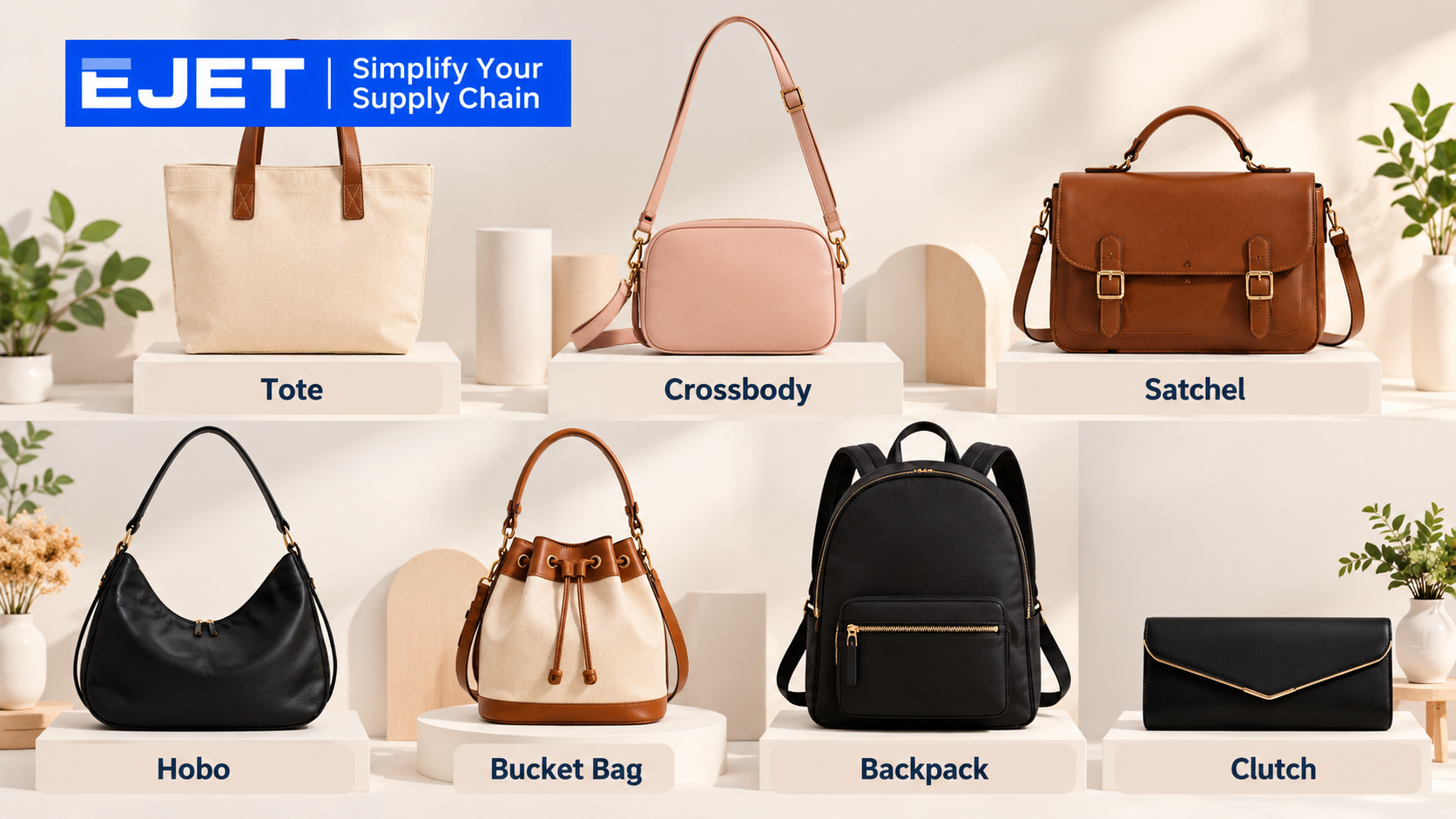
The main types of purses include totes, shoulder bags, crossbody bags, satchels, hobos, backpacks, and clutches, each offering a different balance of space, structure, and carrying comfort.
Knowing those differences makes it easier to choose a bag for work, errands, travel, or an evening out.
This guide explains familiar shapes, compares practical details, and helps you narrow your options without buying a separate purse for every outfit.
What are the main types of purses?
The main purse categories describe either a bag’s shape, how you carry it, or what you use it for. Totes emphasize carrying space; crossbody bags use a long strap worn diagonally; satchels offer a structured silhouette; and clutches are designed primarily for carrying in the hand. These categories overlap, so one bag can belong to more than one group.
For shopping purposes, think about four characteristics rather than memorizing every name:
- Shape: Decide whether you prefer a defined outline, a relaxed body, or something compact.
- Carrying method: Consider whether you want your bag on your shoulder, across your body, on your back, or in your hand.
- Capacity: Start with what you actually carry, including awkward items such as sunglasses cases and water bottles.
- Closure: Test whether you prefer quick access or a fastening you can fully close.
When comparing types of purses for women, use the category name as a starting point, not a promise of size or functionality. Inspect the individual design before deciding whether it fits your routine.
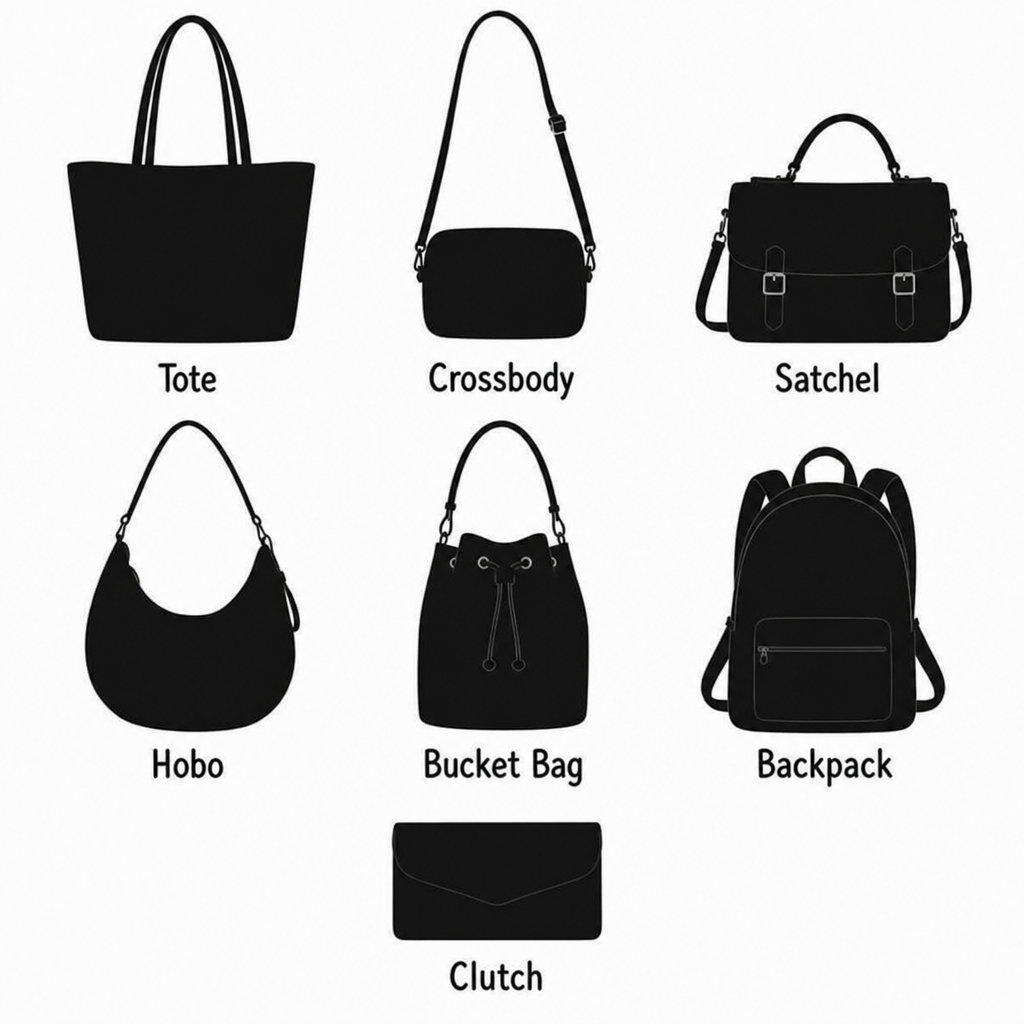
Everyday purse styles for errands and casual plans
Tote bags
A tote is a roomy carryall, typically with two handles and a broad opening. Designs range from open-top styles to versions with zip closures and interior compartments. It is a useful starting point when your daily load includes more than a phone, wallet, and keys.
Consider a tote for a day that combines errands, a lunch stop, and a few purchases. Before choosing one, arrange your essentials inside rather than judging capacity from the outside. Check whether your bottle can stand upright and whether your keys have a dedicated place.
Avoid buying the largest size automatically. Try lifting the bag with your normal belongings inside, then ask whether you would still enjoy carrying it through the last errand of the day. Leave space for occasional extras without treating empty space as an invitation to pack more.
Shoulder bags
Shoulder bags have straps intended to rest on one shoulder. The category includes both compact and spacious designs, with bodies that may be structured or soft. It also overlaps with other purse styles, including hobos and some totes.
Choose this style when you want an everyday bag that you can reach without taking it off. For example, it may suit a routine built around short walks, driving, and frequent stops. Test the strap while wearing the coat or jacket you use most often.
Pay attention to the space between the strap and the bag opening. You should be able to put the bag on comfortably and open it without an awkward struggle. During your try-on, walk, turn, and reach forward rather than judging the fit while standing still in front of a mirror.
Crossbody bags
Crossbody bags use a long strap worn diagonally across the torso. They are a hands-free option, with compact and medium-sized versions among the available designs. The carrying method, rather than one specific body shape, defines the category.
Consider one for shopping, sightseeing, or days when you will be carrying a coffee, holding a child’s hand, or consulting your phone. Adjust the strap until the bag sits somewhere you can comfortably reach. Check the fit over both light clothing and outerwear if you plan to use it year-round.
Pack your phone first, especially if you use a bulky case. Then add your wallet and keys before testing the closure. Treat a zipper as one useful feature, not a reason to stop paying attention to your belongings in busy places.
Hobo bags
A hobo bag has a soft, slouchy body and a curved or scooped upper outline. It generally sits on the shoulder rather than keeping the crisp silhouette associated with a satchel. The relaxed shape distinguishes it from more rigid bag types.
Try this style if you like an informal look with jeans, knitwear, or relaxed tailoring. When comparing options, decide how much internal organization you need. Put your smallest essentials into the bag and check whether you can find them without emptying everything out.
A removable pouch may be worth testing if you prefer an open interior but still want to group small items. Also look at the bag while it is partly filled. Choose the version whose natural drape you enjoy, rather than expecting a soft bag to behave like a structured one.
Bucket bags
Bucket bags have an upright, bucket-like body, often paired with a drawstring or another closure at the top. Carrying options vary, with shoulder straps and additional handles appearing on different designs. Their deeper shape sets them apart from flatter silhouettes.
Consider a bucket bag when you want an alternative to a rectangular everyday purse. During your test, place your phone and keys near the bottom, then retrieve them while holding the bag normally. That exercise will tell you more than a photograph of the empty interior.
Check how completely the opening closes and whether the fastening feels easy to use. If you prefer separate spaces for cards, cosmetics, and other essentials, look for pockets or try a small organizer. Do not assume every bucket design offers the same layout.
Belt bags
Belt bags are designed to fasten around the waist, while some adjustable styles also allow crossbody wear. Check the intended carrying options on the individual bag rather than assuming every strap works both ways. Coach, for example, offers belt bags designed for either position.
Consider this category for walking, casual outings, or occasions when you want to carry only a few essentials. Try the strap at your preferred position and make sure you can reach the buckle and zipper comfortably. Include your usual outer layer in the fitting test.
Keep your packing list specific: phone, keys, payment cards, and whatever else you genuinely need. If those items strain the closure, choose a larger model instead of squeezing them in. For an event, check the organizer’s bag policy before selecting any style.
Structured and spacious options for busy days
Satchels and top-handle bags
Satchels generally have a more structured body and short handles, sometimes supplemented by a longer strap. A top-handle bag is a broader description focused on the handle placement; it does not guarantee a particular size or silhouette. Both categories offer alternatives to a slouchy shoulder bag.
Consider a satchel for meetings, office days, or occasions when you prefer a defined shape. If you carry documents or a tablet, bring their measurements rather than relying on the word “work” in a product description. Check the opening as well as the interior dimensions.
Try every carrying method the bag offers. If the short handles feel limiting during your commute, test the longer strap with the bag packed. Look for a combination you would genuinely use, not an extra strap that will stay in a drawer.
Backpack purses
Backpack purses use two shoulder straps and range from small fashion bags to larger designs intended for work or travel. They offer a hands-free alternative to a tote or shoulder bag. Capacity and compartment layouts vary, so size alone does not tell you what will fit.
Consider one when your day involves a longer walk or several things to carry. Adjust both straps and try the bag with your normal load. If you need space for a laptop, check the device compartment separately from the main compartment.
Practice accessing your essentials before buying. Decide whether taking the bag off to retrieve your wallet fits your routine, and identify where you would keep frequently used items. For a convertible design, test the conversion yourself and check where the unused straps go.
Compact handbags for evenings and special occasions
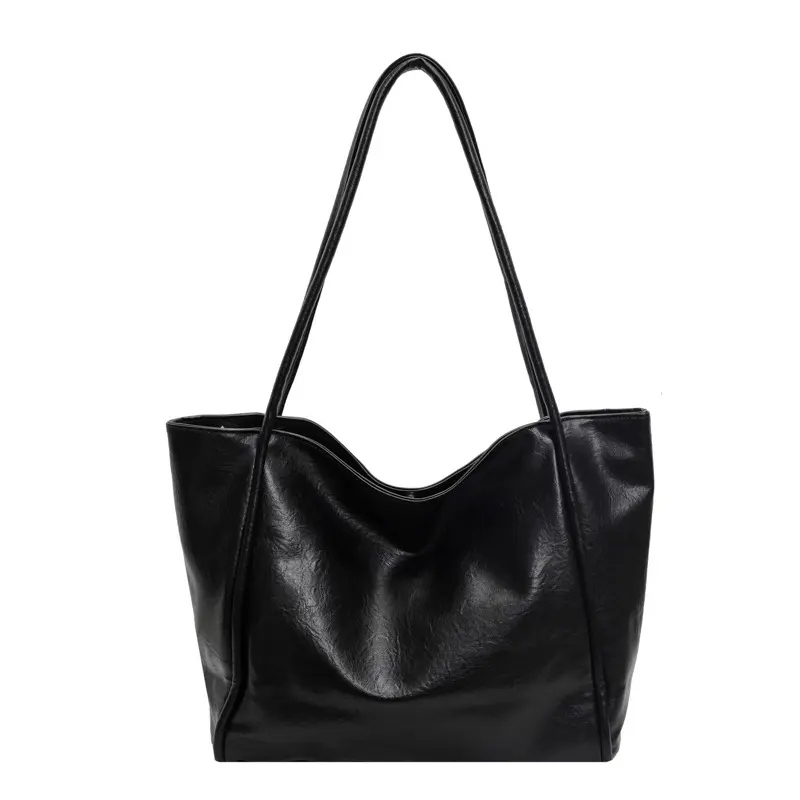
Clutches
A clutch is a small bag designed primarily to be held in the hand or tucked under the arm. Some designs include a removable strap, giving you another carrying option. Clutches belong among the different types of handbags commonly associated with evenings and special occasions.
Start with the event rather than the outfit alone. For a seated dinner, try a compact style with just your essentials. For a reception where you expect to stand, eat, and greet people, consider whether you would prefer an optional strap.
Pack the clutch before committing to it. Your phone, keys, cards, and any essential medication should fit without forcing the closure. If you need to leave behind something important to make the bag work, reconsider the size. Appearance should not be the only deciding factor.
Wristlets
A wristlet is a compact bag or pouch with a short loop designed to go around the wrist. It offers a different carrying arrangement from a strapless clutch, and some designs provide more than one way to wear them.
Consider a wristlet for a quick lunch, a casual evening, or an outing when you want to bring very little. It can also be worth testing as an essentials pouch inside a larger bag. Check whether the loop feels comfortable when the wristlet contains your actual belongings.
Look closely at the interior before deciding it can replace your wallet. If there are card slots, test whether you can use them easily while keeping the bag secure in your hand. Confirm that your phone fits alongside your keys rather than assuming a slim silhouette means sufficient space.
Baguette bags
Baguette-style bags have a narrow, elongated silhouette associated with underarm carrying. Fendi’s Baguette is a recognizable example, with an underarm design inspired by the way a French baguette is carried. Some versions include additional straps for alternative carrying methods.
Try this shape when you want a compact shoulder bag for dinner, brunch, or a social outing. Focus on the relationship between the strap length and the bag body. Check that it sits comfortably under your arm without making you change your natural posture.
Test the opening with your belongings inside. A silhouette you love in a photograph still needs to accommodate your phone and whatever else you consider essential. If you want a day-to-evening option, try it with both your everyday jacket and the outfit you plan to wear out.
Mini bags
“Mini” describes scale rather than one particular shape. You can find mini versions of shoulder bags, satchels, and other silhouettes, so the label alone does not explain how the bag is carried. Small bags are generally intended for a pared-back selection of essentials.
Before choosing one, make a minimum packing list. Do you need your phone, keys, a payment card, medication, or glasses? Test those items together; fitting each separately is not enough. Check that the bag still closes and that you can remove an item without unloading the rest.
Treat a mini as an optional addition rather than a compulsory wardrobe piece. If your daily needs exceed its capacity, reserve it for suitable outings or skip it. A slightly larger bag may serve your plans better without changing the overall look you want.
Which wallet types work with different purses?
The most useful wallet types depend on the space inside your purse and how you pay. A slim cardholder is a starting point for compact bags, a folding wallet offers another layout for cards and cash, and a zip-around wallet provides a more enclosed format. Compare the wallet and handbag together rather than choosing them independently.
These are the main options to consider:
- Cardholder: A slim format for a small selection of cards. Try this first if your current wallet takes up most of a compact bag.
- Bifold wallet: A wallet that folds once. Check its closed dimensions and thickness with your usual contents inside.
- Trifold wallet: A format that folds into three sections. Compare the packed profile, not just its footprint.
- Continental or zip-around wallet: A larger format worth considering when you want dedicated organization and have room for it.
- Coin purse: A separate small pouch for change or other tiny essentials. Decide whether you need it daily or only occasionally.
If you regularly switch between a tote and a small evening bag, consider keeping your essential cards together in one removable holder. Test the arrangement before adopting it: you should know exactly what moves with you and what stays behind. The goal is to simplify the transfer, not create another pouch to search through.
Matching purse categories to your plans
Instead of asking which style is universally best, give each outing a clear priority. You might need carrying space for work, easy movement for a walk, or a compact shape for dinner. Use this table as a try-on shortlist rather than a rulebook.
|
Occasion |
Styles to try first |
What to test |
|---|---|---|
|
Office or meetings |
Satchel, structured tote, backpack |
Device fit, packed weight, and access to work essentials |
|
Shopping and errands |
Crossbody, shoulder bag, belt bag |
Strap fit and easy access to your payment method |
|
Casual weekend plans |
Hobo, bucket bag, relaxed tote |
Organization and comfort with your normal belongings |
|
Wedding or formal dinner |
Clutch, mini bag, compact shoulder bag |
Phone fit, closure, and how you will carry it while standing |
|
Sightseeing |
Crossbody or backpack |
Access to essentials, fastening, and fit over your clothing |
|
Beach or picnic |
Roomy tote |
Space for your packing list and the maker’s cleaning instructions |
For a busy day with several stops, rehearse the whole schedule. A bag that suits a seated lunch may not be your preferred choice for the walking beforehand. Choose around the most demanding part of the day, then decide whether its appearance works for the rest.
How do you choose the right purse for your lifestyle?
Choose a purse by matching its capacity, carrying method, closure, and organization to your actual routine. Begin with what must fit, then test the loaded bag while moving and accessing those items. Use appearance to narrow the options that pass those practical checks, rather than letting it override them.
Pack for a real day
Lay out everything you carried yesterday, then separate essentials from items you rarely use. Include the cases and pouches, not just the objects inside them. Measure anything that must fit precisely, such as a laptop or notebook.
When comparing purse models, check the opening, interior layout, and usable space. Do not size up simply to accommodate belongings you no longer want to carry. Equally, avoid choosing a smaller bag that only works if you omit something necessary.
Test movement, access, and fastening
Try the bag on with your usual clothing and, where possible, your normal load. Walk around, sit down, and retrieve your phone. Adjust the straps yourself so you know whether the available range suits you.
Open and close the fastening several times. Check whether you can find your keys without putting everything else down. If the bag has multiple compartments, assign them a purpose during the test rather than assuming more pockets automatically suit you better.
Read material and care information
Treat care requirements as part of the purchase decision. Read the maker’s instructions for the exact material and finish, especially before using cleaners or conditioners. Coach’s guidance, for example, distinguishes leather care from care for fabric and other non-leather bags.
Decide how much upkeep you realistically want to do. If you expect to use a bag frequently, ask about cleaning, storage, and any precautions before buying. Avoid assuming that appearance alone tells you how a material should be maintained.
Build around gaps, not labels
You do not need to collect every category. Start by identifying the situation your current bags handle poorly: perhaps carrying work equipment, keeping your hands available, or dressing for an evening event. Choose the next bag to solve that specific problem.
When browsing types of women’s purses, compare each option with what you already own. Ask whether it offers a genuinely different function or simply another version of a familiar favorite. Either choice can be valid, but make it deliberately.
Choose the bag that makes your day easier
Understanding types of handbags gives you a useful vocabulary, but your routine should make the final decision. Start with your belongings, test the carrying method, and check the details you will use every day. Then choose the shape and finish you enjoy.
Whether you prefer one dependable everyday purse or several options for different plans, aim for bags you can use comfortably and confidently. The right collection is not the largest one; it is the one that fits your life.
Frequently Asked Questions About Different Types of Purses
What are the main categories of purses?
The main categories include totes, shoulder bags, crossbody bags, satchels, hobos, backpacks, and clutches. Each type serves different purposes and offers varying levels of space and style.
How do I choose the right purse for my lifestyle?
Consider your daily needs, such as capacity, carrying method, and organization. Test the purse with your usual belongings to ensure it fits comfortably and meets your requirements.
What types of purses are best for formal occasions?
Clutches, mini bags, and compact shoulder bags are popular choices for formal occasions. They provide a chic look while holding essential items without being bulky.
Can I use a tote bag for work?
Yes, tote bags are versatile and can be used for work, especially when they have enough space to hold documents, laptops, and personal items. Look for one with compartments for organization.
What should I consider when buying a crossbody bag?
When choosing a crossbody bag, consider the strap length, comfort, size, and ease of access. Make sure it allows you to carry essentials hands-free while remaining secure.