


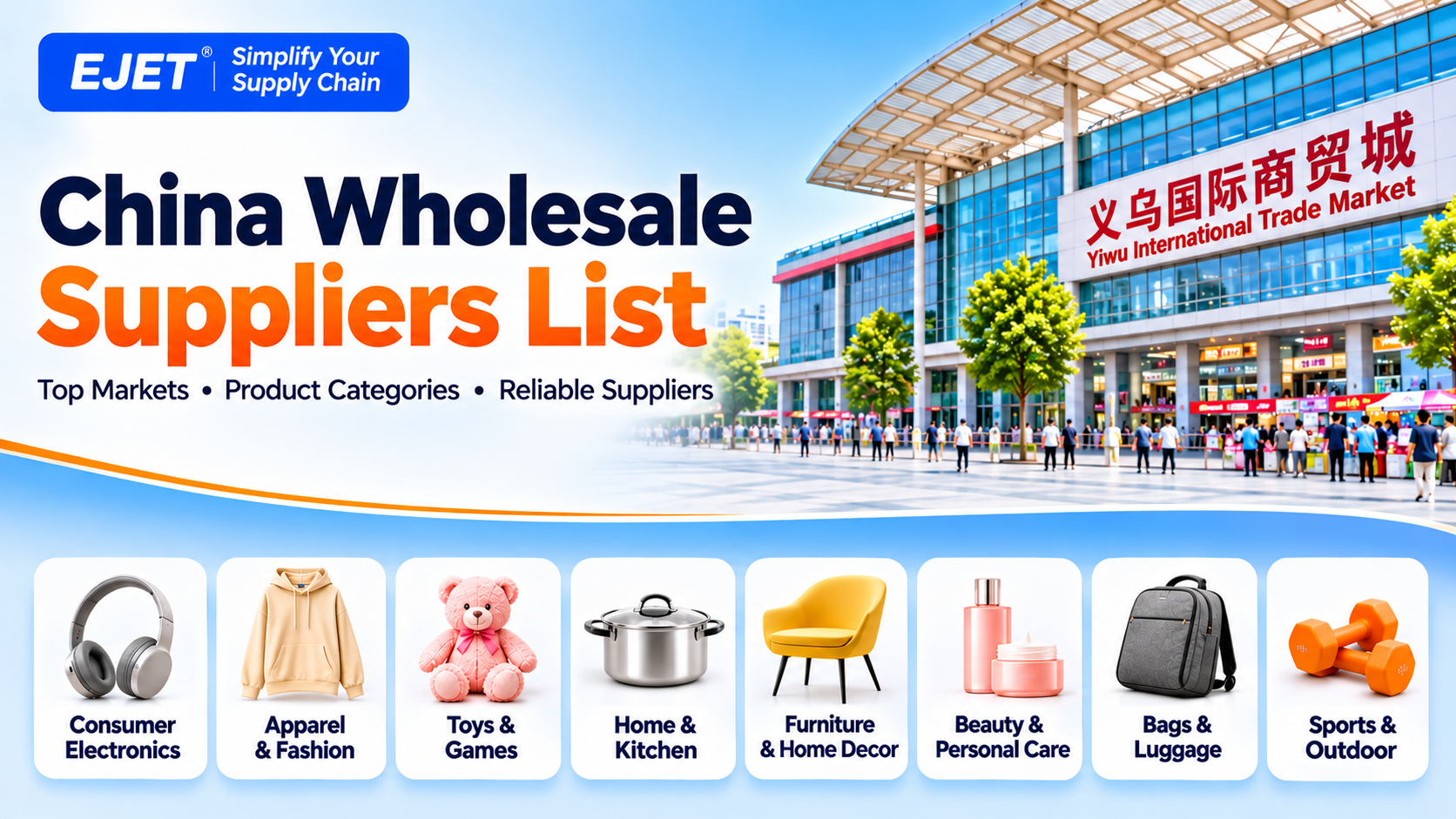
A useful China wholesale suppliers list starts with places to find vendors, then narrows to businesses that can meet your product, quality, and delivery requirements.
This 2026-focused overview covers six established sourcing platforms and explains how to compare sellers before committing money. It is a historical starting point, not a current ranking or an endorsement of individual suppliers; recheck vendor details and platform terms before ordering.
Where should you look for wholesale suppliers in China?
For a 2026 sourcing shortlist, consider Alibaba, Made-in-China, Global Sources, DHgate, 1688, and Ejetspark. These services connected buyers with sellers through international wholesale marketplaces, domestic wholesale listings, or physical-market directories.
They are sourcing channels—not six interchangeable factories—and the business fulfilling your order needs its own evaluation.
Start with your purchasing model rather than the longest directory. Are you testing ready-made stock, developing private-label merchandise, or commissioning a technical product? Use that answer to decide which channels deserve your research time.
|
Sourcing channel |
Suggested starting use |
Question to resolve first |
|---|---|---|
|
Alibaba |
Broad international supplier research |
Can this seller meet your exact specification? |
|
Made-in-China |
Manufacturing capability research |
What does the supplier’s audit actually cover? |
|
Global Sources |
Online research alongside trade-show discovery |
Has the vendor made comparable products? |
|
DHgate |
Exploring ready-made merchandise |
Do quantity, authenticity, and delivery terms work? |
|
1688 |
Researching domestic wholesale options |
Who will handle export coordination? |
|
Ejetsaprk |
Trend-Driven Product Sourcing & Wholesale |
Which shop or business will fulfill the order? |
Treat these as research priorities, not guaranteed advantages. The right seller depends on your order, not the platform’s name.
Six sourcing platforms to include in your research
Alibaba: Broad international wholesale discovery
Alibaba connects business buyers with manufacturers and distributors across multiple countries, including China. Its international wholesale focus makes it a starting point for building a category-specific shortlist. Because the marketplace is not China-exclusive, check each seller’s locati0n rather than assuming every listing represents a Chinese factory.
For your first comparison, send the same product brief to several candidates. Specify materials, dimensions, packaging, quantity, and destination, then request separate prices for samples and production. This gives you something more useful than a collection of advertised starting prices: comparable responses to the same purchasing requirement.
Made-in-China: Supplier capability and audit research
Made-in-China is a business-to-business sourcing portal connecting international buyers with Chinese suppliers; it does not manufacture or sell the listed goods itself. Its Audited Supplier program provides third-party verification and supplier reports, with an upgrade to the service documented in June 2026.
Use those reports to investigate the company behind a listing. Look for the business identity, production capabilities, and quality-control information relevant to your order. Then ask follow-up questions about anything unclear. Treat the audit as evidence to review, not a substitute for approving your product sample or defining acceptance criteria.
Global Sources: Online sourcing with trade-show discovery
Global Sources combines online supplier discovery with trade-show services. Electronics was a documented focus of its 2026 Hong Kong events, while its importer guidance describes researching suppliers online and meeting them through exhibitions. That combination offers a way to investigate vendors beyond a single product listing.
When assessing a candidate, ask for examples of comparable work and a clear explanation of its role in production. For an electronic accessory, for instance, request the exact model specification, available test documentation, and packaging options. Keep technical questions separate from price negotiations so an attractive quote does not distract from unresolved requirements.
DHgate: Ready-made merchandise research
DHgate operated as a cross-border transactional marketplace well before 2026, connecting buyers with Chinese merchandise across categories such as electronics accessories, fashion, and home goods. Include it when researching ready-made products, but evaluate the individual listing and seller rather than relying on the platform’s overall reputation.
Authenticity deserves particular attention: the U.S. Trade Representative’s January 2026 report discussed reported counterfeit-product concerns involving DHgate. Avoid treating branded-looking merchandise as authorized stock without supporting evidence.
Ask sellers to confirm quantity, product details, shipping method, and available documentation before purchasing anything intended for resale.
1688: Domestic wholesale market research
1688 is Alibaba Group’s domestic wholesale marketplace, historically serving merchants sourcing from wholesalers within China. That domestic orientation distinguishes it from Alibaba’s international wholesale platform. It belongs on a research list, but should not be treated as an identical buying experience with a different storefront.
Before pursuing a listing, establish how you would communicate specifications, arrange payment, inspect goods, and move the order overseas. Ask explicitly whether the seller can support your proposed transaction. If you need an intermediary, include that service in your comparison rather than judging the opportunity on the displayed product price alone.
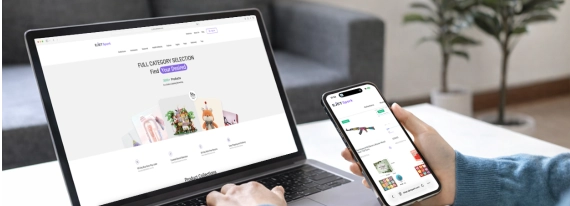
Ejetspark: Access to Trending Wholesale Products
EJET Spark is your trusted partner for sourcing trending wholesale products from China. With access to 10,000+ products, reliable suppliers, and global sourcing solutions, we help retailers, wholesalers, and brands discover innovative products, expand their collections, and grow their businesses with confidence.
Use it to build a shortlist for a specific merchandise category rather than browsing without a purchasing brief. Record the shop identity, product reference, and contact person for every candidate. If you plan to combine purchases from several vendors, request a written plan for receiving, checking, packing, and dispatching the combined shipment.
Build a clothing shortlist around measurable specifications
If you need a China clothing wholesale suppliers list, organize it by garment type and purchasing model. Separate ready-stock sellers from candidates offering custom manufacturing, and keep adult apparel distinct from children’s products. This makes your inquiries more focused and prevents unsuitable vendors from filling your comparison sheet.
Prepare an apparel brief that asks each candidate to confirm:
- Fabric: Fiber composition, fabric weight, stretch, and acceptable substitutions.
- Sizing: A measurement chart for each size, including agreed tolerances.
- Construction: Seam finish, stitching, closures, lining, and decoration method.
- Order structure: Minimum quantities by style, color, and size—not just the overall total.
- Finishing: Labels, care information, folding, bags, and carton requirements.
- Reordering: How the seller will confirm material and color consistency on later orders.
Use the sample review to answer specific questions. Measure the garment, check construction, and document any wash or wear checks you perform. Approve a written specification alongside the sample so both sides have a clear reference for production.
How do you verify suppliers in China before ordering?
Verify suppliers in China by checking business identity, reviewing evidence of capability, approving samples, and documenting the order requirements before payment. Use independent verification where appropriate, and examine the underlying records rather than accepting a badge or certificate at face value. CPSC guidance likewise emphasizes reviewing documentation and, where relevant, verifying supplier test reports with the laboratory.
Check identity and production responsibility
Ask for the seller’s registered business name, address, and explanation of whether it manufactures, trades, or subcontracts your product. Compare those details across the quotation, invoice, audit records, and payment instructions. If anything differs, request a documented explanation before proceeding.
Do not make “factory only” your entire selection rule. Instead, establish who controls the specification, who performs quality checks, and who will resolve problems. Your purchasing decision should reflect demonstrated capability and clear accountability.
Approve the product and inspection criteria
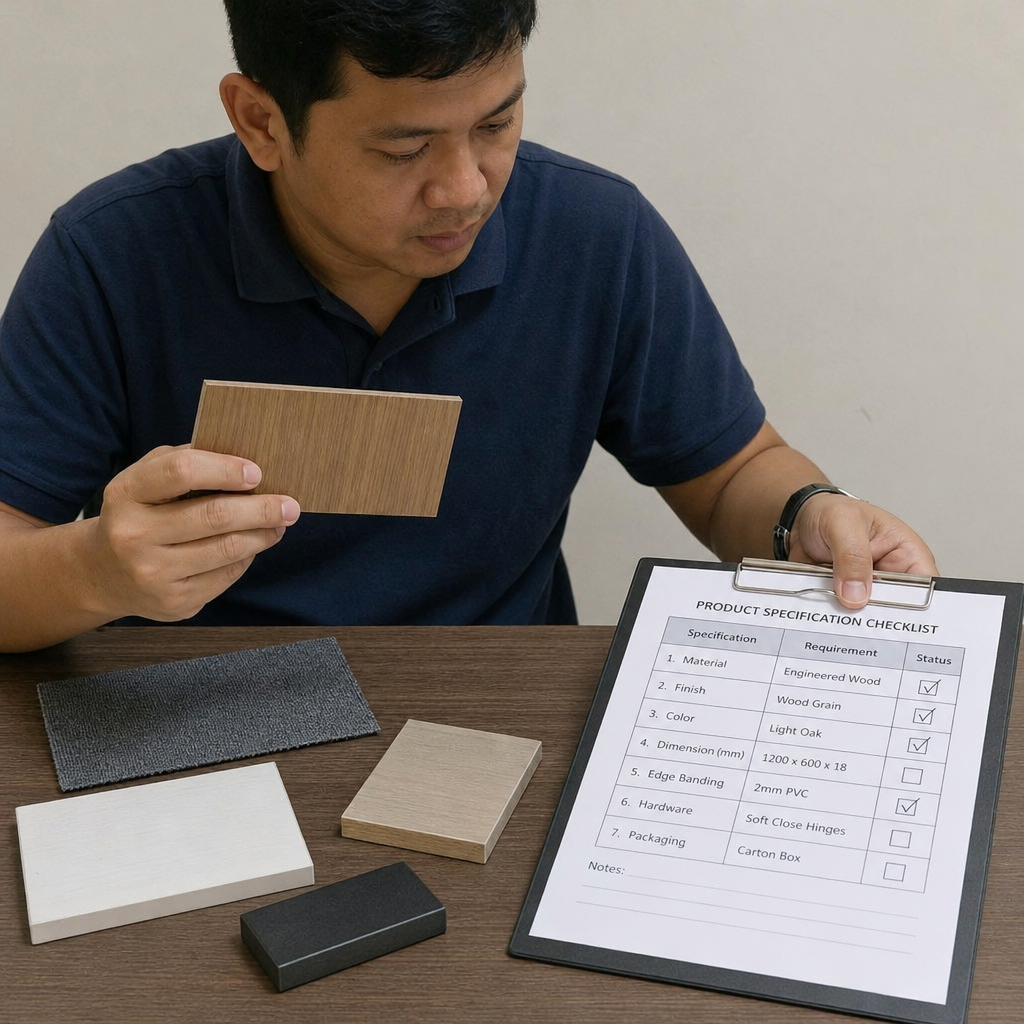
Request a sample that matches the intended order as closely as possible. Record dimensions, materials, finish, function, packaging, and any changes required before production. Keep dated photographs and written approval notes with the order file.
Define inspection expectations before placing the bulk order. Specify what should be checked, which defects are unacceptable, and how discrepancies will be handled. This turns “good quality” into a shared set of requirements rather than an argument after delivery.
Check destination-market requirements
For U.S. sales, determine the rules applying to the exact product before ordering. General-use products subject to applicable CPSC rules require testing and certification, while children’s products have distinct third-party testing requirements. A supplier’s general claim of compliance does not establish that your particular item meets every applicable requirement.
Ask which product model each report covers and review discrepancies with a qualified testing or compliance professional. Do this before production, not when the shipment is ready. Use current requirements for any new purchase; a 2023 sourcing article is not a current compliance checklist.
Compare landed cost rather than the advertised unit price
When researching wholesale products from China, build a purchasing worksheet that includes more than merchandise cost. Ask each candidate to quote against the same quantity, packaging, destination, and delivery responsibilities. Leave unknown costs visible rather than silently treating them as zero.
Include these lines in your comparison:
- Product cost and any separate tooling or customization charges.
- Samples, inspection, and testing allowances.
- Packaging, labeling, and shipment preparation.
- Freight, insurance, and destination handling estimates.
- Applicable import charges, checked with your broker.
- Payment, currency-conversion, agent, and storage costs where relevant.
Then compare the cash commitment with your expected selling margin and inventory plan. If a larger order offers a lower unit price, ask whether you can realistically sell the additional stock. A useful quote supports your business model; it does not merely look inexpensive.
When should you use China sourcing agents?
Consider China sourcing agents when you need help with supplier communication, market visits, sample coordination, inspection arrangements, or shipment consolidation. Hire against a defined scope rather than a vague promise to find the “best factory.” Ejetspark’s published trade services illustrate several of these support functions, including sourcing, translation, warehousing, and inspection.
Before appointing an agent, request a written proposal covering deliverables, fees, supplier disclosure, reporting, and responsibility for mistakes. Ask whether the agent receives commissions or other compensation from vendors. Also establish whether you will receive original quotations, inspection records, and direct supplier contact details.
For a simple inquiry, you might choose to manage communication yourself. For a multi-vendor order, define which coordination tasks you want delegated and price that work explicitly. Keep final product approval and purchasing authority clearly assigned.
Turn your research into a working vendor list
A list of wholesale suppliers in China becomes useful when it records evidence and next actions. Build your China vendor list with columns for business identity, product category, contact person, quoted terms, sample status, supporting documents, unresolved questions, and review date. Keep rejected candidates with a short explanation so you do not repeat the same research.
If you want a China wholesale suppliers list PDF, export your own dated shortlist after checking the entries. Include source references and verification notes rather than names alone. Keep an editable master copy so the PDF remains a snapshot, not your only purchasing record.
Choose evidence over a long directory
Effective China product sourcing means matching the right vendor to a clear brief. Use these six historical sourcing channels to begin your research, then compare written responses, samples, documentation, and total costs. Shortlist a manageable number of candidates, resolve unanswered questions, and make your first order a controlled purchasing decision—not a leap of faith.
Frequently Asked Questions About Top China Wholesale Suppliers List
What are the best platforms to find wholesale suppliers in China?
The top platforms for sourcing wholesale suppliers in China include Alibaba, Made-in-China, Global Sources, DHgate, 1688, and Ejetspark. Each platform has its unique features tailored to different sourcing needs.
How do I verify the credibility of a supplier in China?
To verify a supplier's credibility, check their business identity, review their production capabilities, request samples, and establish clear documentation of your order requirements. Independent verification and reviews can further ensure reliability.
What information should I include in my inquiries to suppliers?
When contacting suppliers, include specific details about your product requirements, such as materials, dimensions, packaging, quantity, and delivery terms. This helps ensure accurate and comparable responses from multiple suppliers.
When should I consider using a China sourcing agent?
Consider using a sourcing agent if you require assistance with communication, market visits, sample coordination, inspection arrangements, or consolidation of shipments. They can provide valuable support, especially for larger or more complex orders.
How can I build an effective vendor list for sourcing from China?
Create a vendor list that records evidence and next actions, including columns for business identity, product category, contact person, quoted terms, sample status, supporting documents, and unresolved questions. Keep this list updated to streamline your sourcing process.