











Opening a supermarket overseas is not a new business idea for Chinese immigrants. Across North America, Latin America, Europe, and Australia, Chinese grocery stores can be found almost everywhere. However, only a few manage to scale up successfully. Sun Jiansheng is one of them.
A Business Opportunity from a Trip
In 2006, during a trip to Dubai, Sun Jiansheng noticed that a single cabbage was selling for over 100 dirhams, equivalent to more than 200 RMB. Besides being expensive, due to long-distance transportation, these vegetables contained many preservatives. For local Chinese, fresh leafy greens were a luxury.
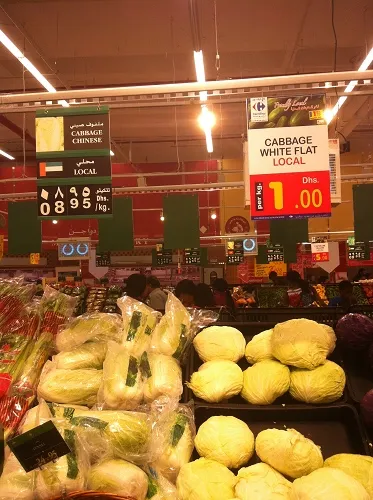
Chinese Cabbage in Dubai Supermarket
Sensing a business opportunity, Sun, who already had supermarket experience in China, made a bold decision in his 40s: to expand overseas. He started with a small 20-30 square meter space in Dubai’s Deira Trade Center. Outside, he put up a sign that read, “Wenzhou Supermarket, Shopping Upstairs.” This marked the beginning of his overseas entrepreneurship journey.
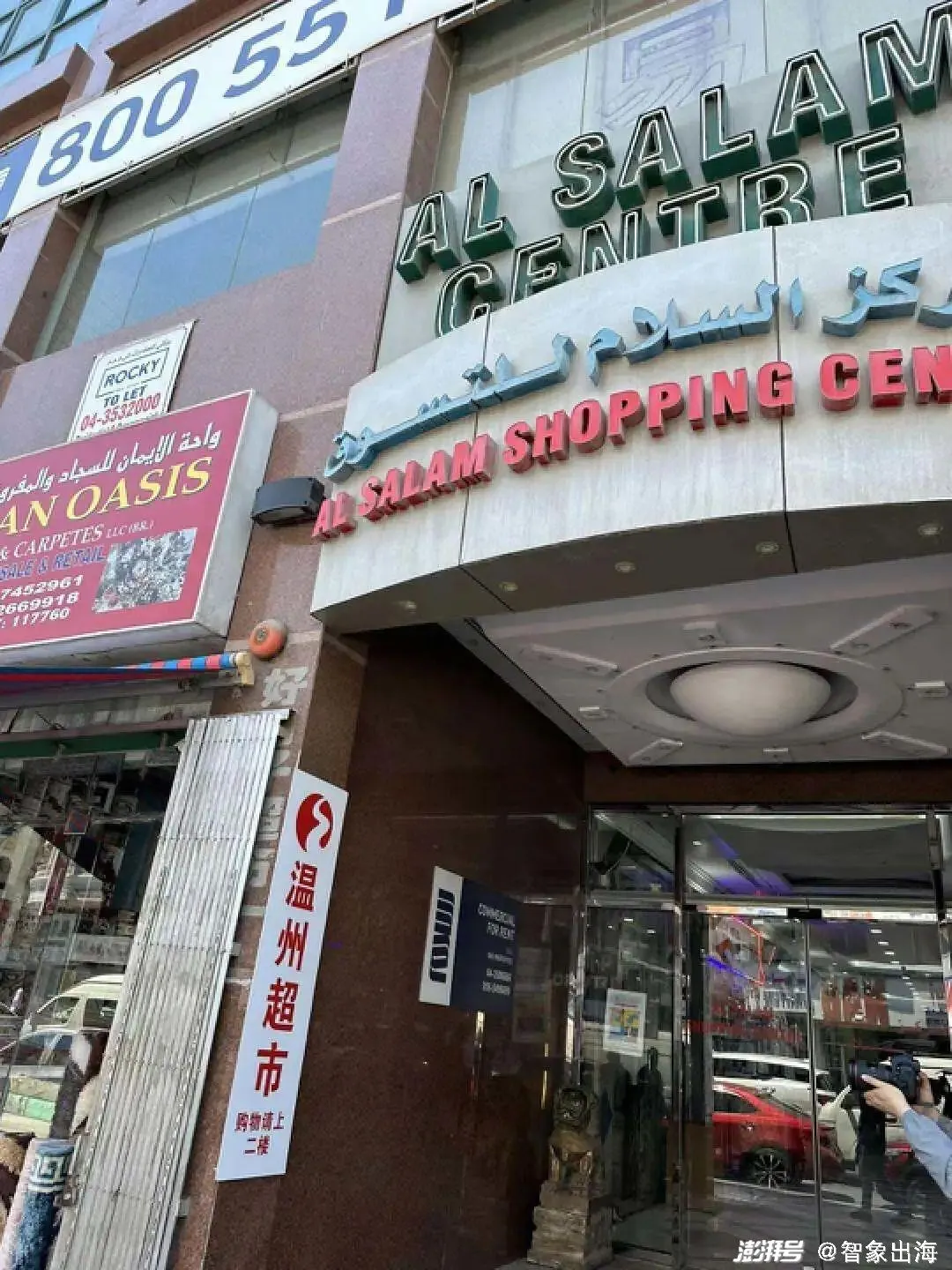
Source: Zhixiang Overseas
Running a supermarket is tough, and hiring employees was a challenge. After much effort, Sun managed to hire just four workers. In the early days, he used a strategy of low margins and a wide variety of products to attract customers. He insisted on selling only high-quality produce, personally spending 1.5 hours sorting vegetables every morning at 5 a.m. to ensure freshness. Despite working long hours, he barely made a profit.
To stand out, Sun emphasized excellent customer service and offered free delivery. His supermarket was also the first Chinese store in Dubai to sell frozen products like dumplings and buns. Thanks to his dedication, Wenzhou Supermarket gained a loyal customer base and a strong reputation.
By 2010, as more Chinese moved to Dragon Mart, he opened a second store there, expanding to 450 square meters. He even paid to pave the road in front of the store. In 2012, despite opposition from his management team and experts, Sun invested millions of dirhams to build a farm in Dubai, overcoming the desert climate’s challenges. To solve irrigation issues, he obtained special permission to dig six wells over 100 meters deep, ultimately investing 20 million dirhams to grow fresh vegetables successfully.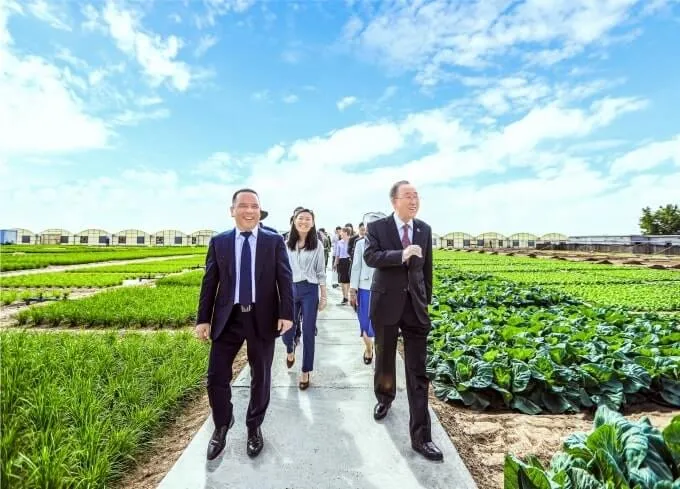
WEMART Own Farm
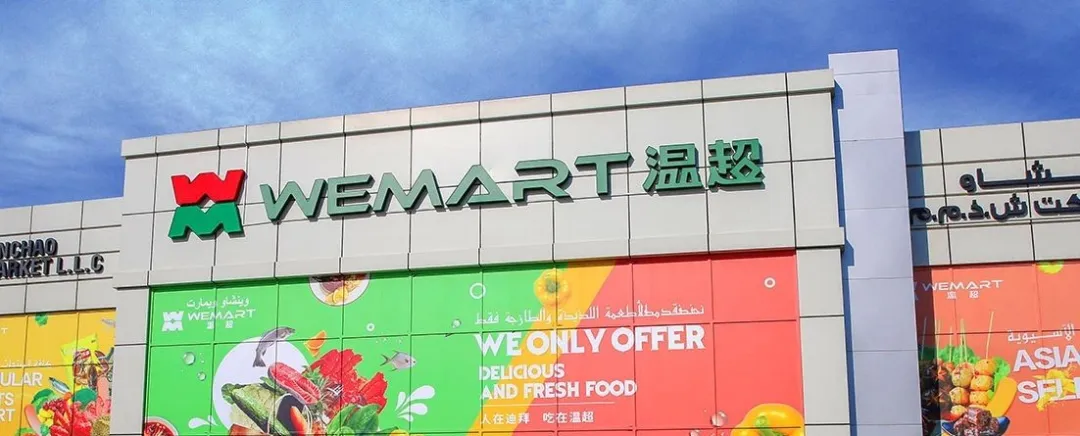
In 2016, Wenzhou Supermarket launched an online store, becoming the first Chinese e-commerce platform in the Middle East with home delivery. The following year, it established WEMART Logistics to manage imports, transportation, customs clearance, and warehousing. By 2019, the brand evolved into WEMART, opening flagship stores and 24-hour convenience stores, along with a smart warehouse, creating a fully integrated supply chain.
On December 28, 2022, WEMART opened its first store in Saudi Arabia. Over nearly 20 years, Sun transformed his small 20-square-meter shop into a multinational corporation combining retail, farming, e-commerce, and logistics. WEMART has become a model for Chinese businesses expanding overseas.
WEMART Success Strategy in Saudi Arabia
1. Adapting to the Local Market
Understanding the local market is crucial for success overseas. Sun personally led his team through Saudi streets, engaging with locals for hours to understand their preferences.
During one conversation, he learned that Saudis highly value traditional spice-making techniques. As a result, WEMART introduced authentic Middle Eastern spices and Arabic coffee, which became highly popular among local consumers. Additionally, as health-conscious trends emerged, WEMART began offering organic products.
To cater to Chinese expatriates, Sun partnered with suppliers in China to import authentic Chinese products. When introducing brands like Lao Gan Ma, he worked closely with manufacturers to ensure safe packaging and shipping to Saudi Arabia. By offering a diverse product range, WEMART met the needs of various cultural backgrounds and expanded its customer base.
2. Building an Efficient Supply Chain
High logistics costs and long shipping times are major challenges for cross-border retail. WEMART established a “global + local” supply chain. On the global level, Sun built strong relationships with top suppliers worldwide, ensuring product variety and quality. Locally, WEMART sourced products from high-quality Saudi suppliers, reducing costs by cutting out intermediaries.
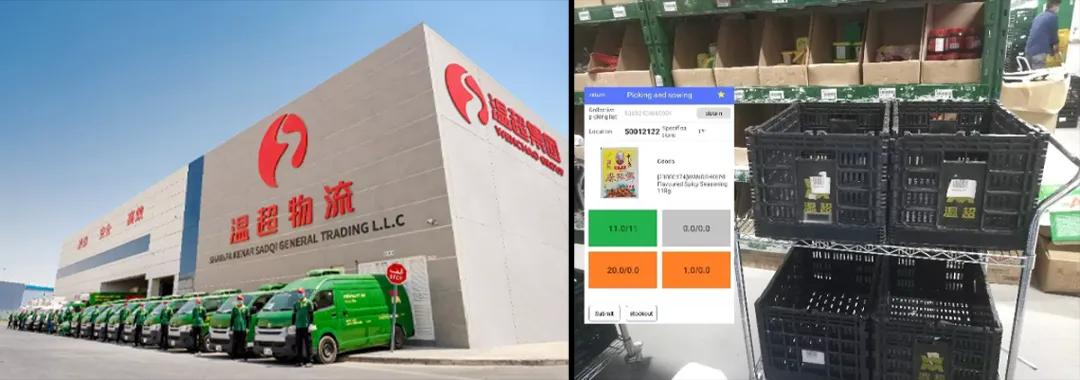
WEMART Logistics Center
To improve logistics efficiency, Sun spearheaded the development of a 10,000-square-meter warehouse in Dammam, carefully selecting the location based on transportation convenience and rental costs. Equipped with advanced management systems, the warehouse enables efficient storage and distribution. He also streamlined transportation routes between the UAE and Saudi Arabia, enhancing supply efficiency.
3. Innovative Business Model
WEMART combines a supermarket with a food court, creating a one-stop shopping experience. Customers can enjoy Japanese sushi, Korean BBQ, Indian curry, and Chinese stir-fry, making their shopping trips more enjoyable and increasing in-store dwell time, leading to higher spending.
To expand online sales, WEMART developed a mobile app and e-commerce platform with exclusive member discounts and promotions. This online-offline integration allows for flexible shopping options across different scenarios.
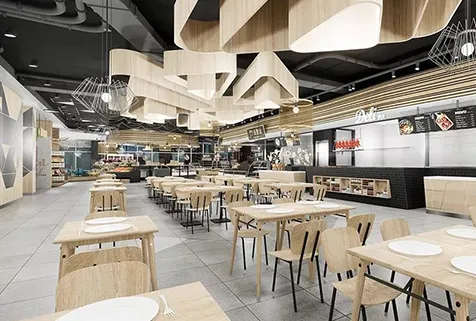
WEMART Food City/Source: Yipin Commercial Service
WEMART’s success highlights the key factors for overseas expansion: understanding and integrating into the local market, optimizing supply chains, and innovating business models. Whether opening a supermarket or engaging in foreign trade, success requires strategic planning, strong execution, and a commitment to quality and service.

_1751507038923.png)