


Choosing a shapewear manufacturer in China requires more than comparing product photos and unit prices. For brands, importers, wholesalers, and online retailers, a successful collection depends on consistent compression, comfortable fabrics, reliable sizing, and production quality that matches approved samples.
We approach shapewear sourcing as a complete product development process. From selecting suitable manufacturers to defining garment measurements and checking finished products, every decision should support the customer experience.
A bodysuit that looks attractive but rolls down, becomes transparent when stretched, or restricts movement can quickly create returns and damage a brand’s reputation.
China offers manufacturing options for private label shapewear, custom body shapers, seamless underwear, shaping shorts, and compression garments. The priority is finding a factory whose equipment, development capabilities, and quality controls match the intended product.
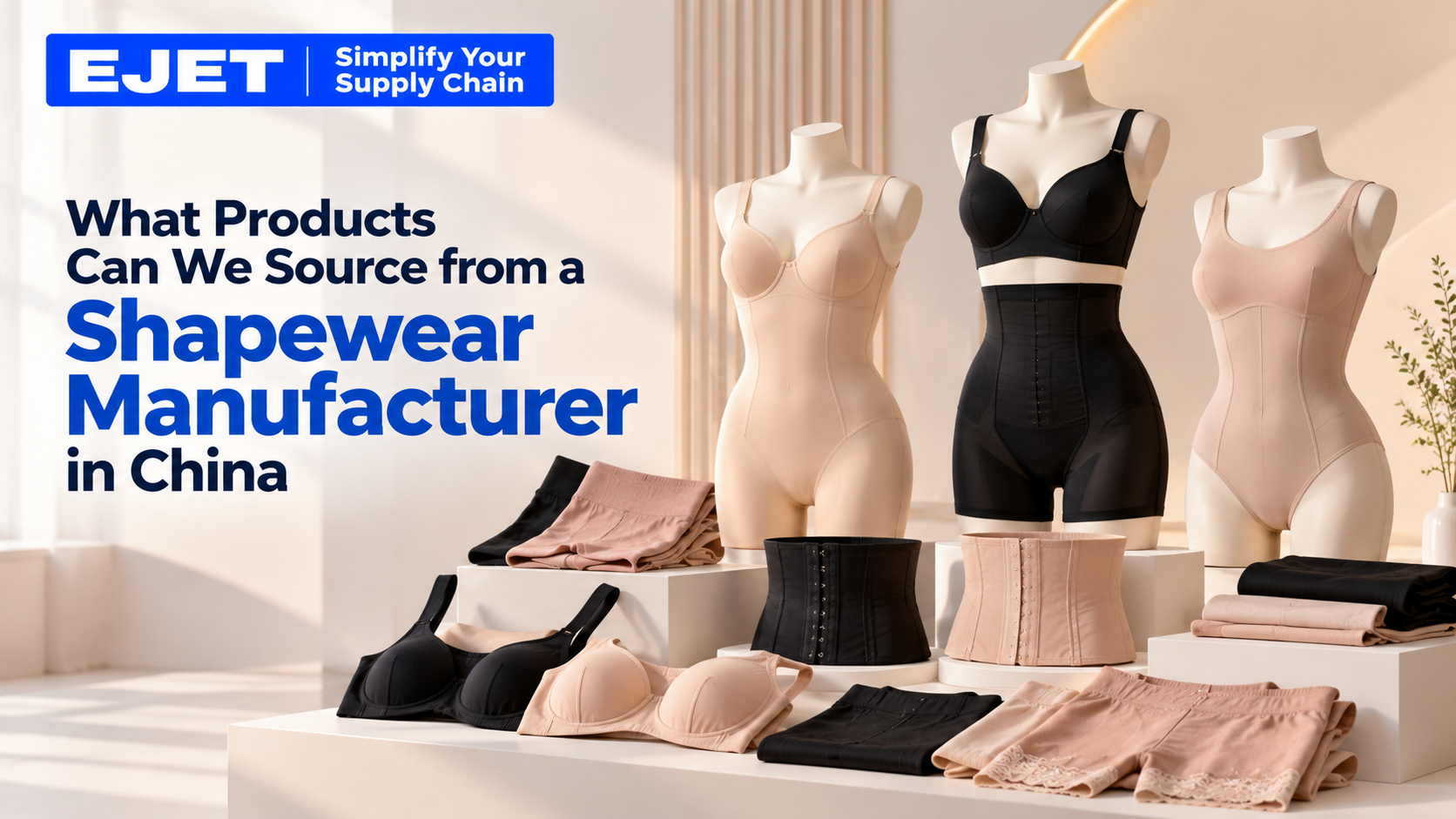
What Products Can We Source from a Shapewear Manufacturer in China?
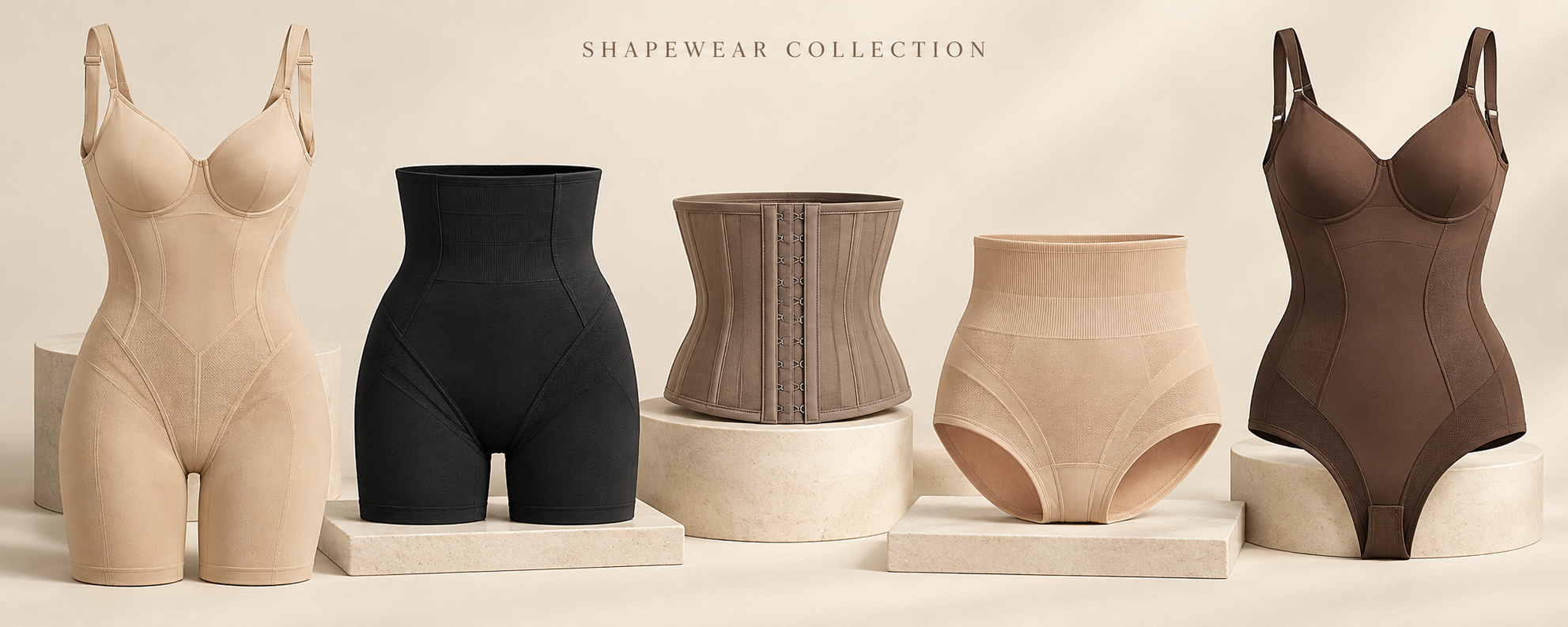
Shapewear covers several product categories, each requiring different construction methods and fit considerations. Before contacting suppliers, we define the collection’s purpose, target customer, and desired shaping effect.
Shapewear Bodysuits
Shapewear bodysuits combine torso coverage with varying levels of support around the waist, abdomen, bust, and back. Common designs include open-bust styles, adjustable straps, thong bottoms, brief bottoms, and accessible crotch closures.
We evaluate torso length carefully because a bodysuit must accommodate both body circumference and vertical measurements. An otherwise suitable garment can become uncomfortable if the shoulder-to-crotch length is too short.
High-Waisted Shaping Shorts
Shaping shorts typically target the waist, lower abdomen, hips, and thighs. Important development details include:
- Waistband stability during sitting and bending.
- Leg openings that remain comfortable without digging into the skin.
- Smooth transitions between compression zones.
- Adequate coverage when the fabric stretches.
- Construction that reduces visible lines under clothing.
Waist Shapers and Waist Cinchers
Waist-focused products range from flexible shaping briefs to structured cinchers with hooks, zippers, or supportive stays. We distinguish everyday smoothing garments from more restrictive designs when preparing specifications.
Product descriptions should communicate the intended fit and support without making unsupported claims about permanent body changes.
Seamless Shaping Underwear
Seamless shapewear can provide a smooth appearance beneath clothing, although the term does not necessarily mean the entire garment has no seams. Some products still require joining, finishing, or gusset attachment.
We ask manufacturers to explain their construction method and provide close-up images of internal finishing before approving development.
Plus-Size Shapewear
A successful plus-size range requires more than enlarging a smaller pattern. We assess support placement, strap width, waistband behavior, torso length, and ease of dressing across the size range.
Fit testing on representative bodies is particularly valuable when developing extended sizes.
How to Choose a Reliable Shapewear Manufacturer in China
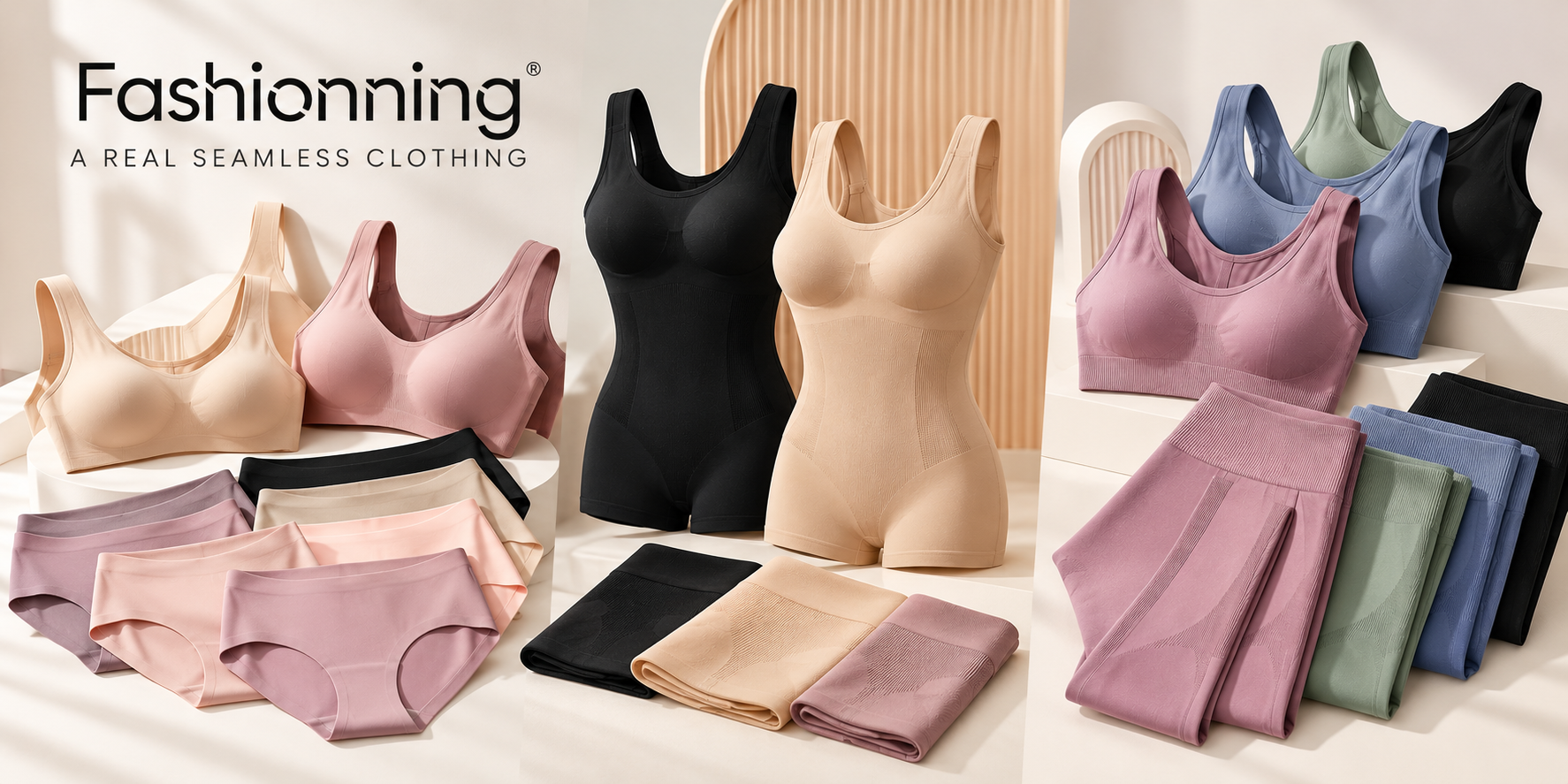
A suitable supplier should demonstrate experience with the specific garment category being purchased. A factory producing basic underwear may not have the same capabilities as one specializing in engineered compression or bonded shapewear.
Confirm the Supplier’s Manufacturing Capabilities
We request evidence of relevant equipment, production processes, and comparable finished products. Depending on the design, this may include circular knitting, cut-and-sew construction, bonding, flat seams, or reinforced stitching.
We also establish whether the supplier manufactures in-house, coordinates subcontractors, or operates as a trading company. Each arrangement can work, but responsibilities for development, quality control, and delivery must be clear.
Evaluate Product Development Support
A capable custom shapewear manufacturer should be able to discuss:
- Fabric selection and recovery.
- Placement of shaping panels.
- Pattern development and size grading.
- Seam positioning and reinforcement.
- Suitable closures, straps, and trims.
- Potential production difficulties.
We value specific technical explanations over broad promises that every design is possible.
Assess Communication and Documentation
Accurate production depends on written specifications. We look for suppliers who record sample comments, confirm revisions, and identify uncertainties before production.
When a manufacturer proposes a material substitution, the change should be documented and approved. A fabric with a similar appearance may behave differently during stretching, washing, or prolonged wear.
Best Fabrics for Custom Shapewear Manufacturing
Fabric composition influences softness, compression, breathability, durability, and cost. However, composition alone does not determine performance. Yarn selection, knit structure, fabric weight, finishing, and garment construction also matter.
Nylon and Elastane Blends
Nylon-elastane blends are commonly used for stretch garments. They can offer a smooth surface and close fit, but their performance depends on the specific material and construction.
We request physical swatches and evaluate stretch, recovery, hand feel, and opacity before selecting a fabric.
Polyester and Elastane Blends
Polyester-elastane fabrics are another option for shaping garments and activewear-inspired collections. We compare actual samples rather than assuming one fiber blend will always outperform another.
Power Mesh and Support Panels
Power mesh can be incorporated into targeted areas to adjust support and airflow. Panel placement should follow the garment’s purpose and be checked through wear testing.
Gusset Materials
The gusset requires separate attention because it affects comfort and finishing. We specify its material, dimensions, attachment method, and labeling requirements instead of leaving these details to the factory’s default construction.
How We Define Shapewear Compression and Fit
Terms such as light, medium, and firm compression can mean different things across suppliers. We therefore connect each description to an approved sample and a clear product specification.
For an everyday smoothing collection, we may prioritize comfort, flexibility, and discreet finishing. For a stronger shaping collection, we may specify more supportive panels while checking that the garment remains practical to put on and wear.
A complete measurement specification should include relevant points such as waist, hip, thigh opening, torso length, strap length, and garment length. We also define measurement methods and tolerances so the supplier and inspector assess products consistently.
The customer-facing size chart should clearly distinguish body measurements from garment measurements. Confusing the two can lead customers to choose an unsuitable size.
Private Label, ODM, and OEM Shapewear Manufacturing
The right development model depends on the level of customization required.
| Manufacturing option | Typical approach | Suitable use |
|---|---|---|
| Private label | Add branding to an existing product, with agreed modifications | Testing a collection with limited development |
| ODM | Adapt a supplier-developed design | Launching differentiated styles from an established base |
| OEM | Manufacture to the buyer’s specifications | Developing a more customized collection |
Suppliers may use these terms differently. We confirm the actual scope, including pattern ownership, branding, design changes, and any exclusivity agreement.
Custom shapewear manufacturing may include woven labels, heat-transfer branding, printed care information, packaging, color development, and revised garment construction. Each customization should be included in the quotation.
Understanding Shapewear MOQ and Pricing
There is no universal minimum order quantity for shapewear manufacturers in China. MOQ can vary by style, color, size assortment, fabric availability, and production method.
We request quantities broken down by:
- Minimum order per style.
- Minimum quantity per color.
- Size distribution requirements.
- Custom fabric or dyeing minimums.
- Label and packaging minimums.
A low garment MOQ may still involve higher minimums for custom materials or packaging.
For accurate price comparisons, we send each supplier the same specification. Quotes should identify the fabric, construction, branding, packaging, inspection requirements, and agreed delivery terms.
We compare the total sourcing cost, including development, samples, testing, inspection, transport, and applicable import charges, rather than selecting a supplier solely by the lowest unit price.
The Shapewear Sampling and Production Process
1. Prepare a Product Brief
We begin with reference images, target customers, intended use, preferred materials, size range, and branding requirements. A technical pack should define measurements, construction details, trims, and packaging.
2. Develop and Review Samples
Initial samples help identify issues with appearance, compression, fit, and construction. We record comments precisely, using measurements and annotated photographs where useful.
3. Conduct Wear and Wash Checks
We assess comfort during sitting, walking, and bending. We also check waistband rolling, strap pressure, seam irritation, transparency, and ease of dressing.
Wash checks help reveal changes in dimensions, elasticity, color, and overall appearance.
4. Approve Sizes and Production Details
For a new size range, reviewing a size set helps identify grading problems before bulk production. We approve the final fabric, trims, labels, packaging, and reference sample in writing.
5. Monitor Bulk Production
Production checks should confirm that approved materials and construction methods are being followed. Early checks can identify problems while corrections remain practical.
6. Inspect Before Shipment
We inspect finished goods against the agreed requirements and confirm how defects will be handled before shipment authorization.
Quality Control Checklist for Wholesale Shapewear
A useful shapewear quality inspection should cover both appearance and function.
| Inspection area | Key checks |
|---|---|
| Measurements | Approved dimensions and tolerances |
| Fabric | Correct material, consistent color, visible defects |
| Construction | Secure seams, clean finishing, correct panel placement |
| Function | Working closures, adjustable straps, secure attachments |
| Fit-related details | Waistband behavior, leg openings, torso proportions |
| Branding | Correct labels, artwork, size identification |
| Packaging | Accurate quantities, assortments, carton markings |
Inspection sampling does not replace product development or laboratory testing. Where testing is required, we agree on the test methods and acceptance criteria before production.
Labeling, Claims, and Destination-Market Requirements
Before ordering, we identify the requirements applicable to the destination market and product category. These may concern fiber labeling, care information, origin marking, chemical restrictions, or other obligations.
We request supporting documents that match the actual product and materials being supplied. A general factory certificate should not be assumed to cover every garment.
We also review marketing language carefully. Claims involving medical recovery, pain relief, or therapeutic compression require separate evaluation and appropriate evidence.
Frequently Asked Questions About Shapewear Manufacturers in China

Can we start a private label shapewear brand with existing designs?
Yes. Some suppliers offer existing styles that can be customized with labels and packaging. We still recommend checking fit, materials, size consistency, and branding samples before ordering.
How long does custom shapewear production take?
Timing depends on development complexity, sample revisions, material availability, order volume, and factory scheduling. We request a written timeline covering sampling, approvals, production, inspection, and shipment.
Can a manufacturer produce inclusive sizes?
Some manufacturers can develop extended size ranges. We verify their grading experience and evaluate samples across the intended range.
How do we reduce shapewear returns?
We focus on reliable fit, accurate size guidance, clear compression descriptions, realistic product images, and consistent production. Wear testing and documented customer feedback help improve later orders.
What should we confirm before paying a deposit?
We confirm the approved sample, specifications, quantities, pricing, payment terms, production schedule, inspection arrangements, and remedies for nonconforming goods.
Build a Shapewear Collection Around Consistent Product Quality
The right shapewear manufacturer in China should support clear specifications, practical development, and repeatable production. We prioritize fabric performance, comfortable compression, reliable sizing, and documented quality standards throughout the sourcing process.
With an approved sample, a complete technical pack, and agreed inspection requirements, we create a stronger foundation for a private label shapewear collection that customers can purchase with confidence.