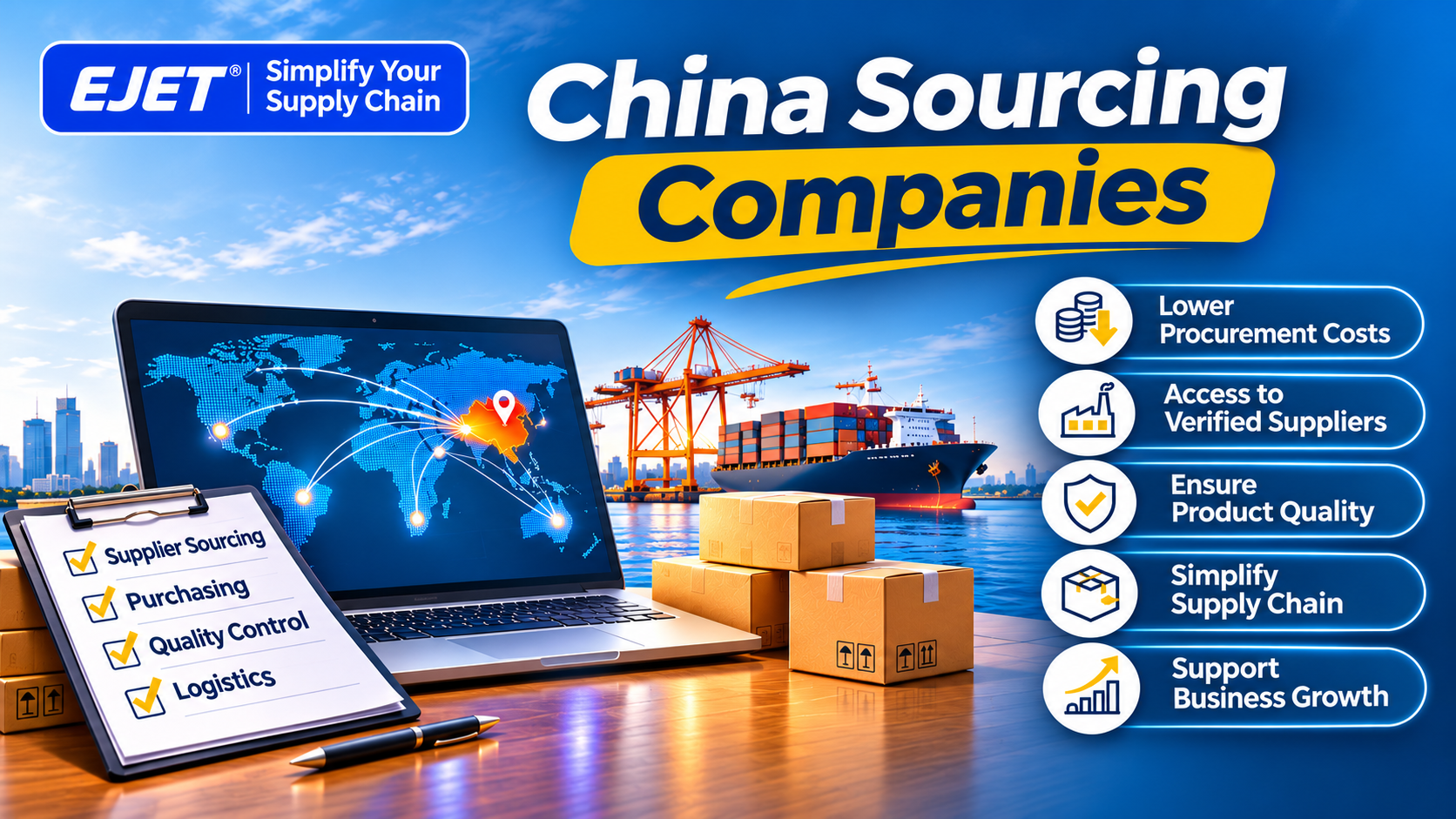
Outsourcing procurement to China helps businesses reduce purchasing costs, access reliable manufacturers, and simplify international sourcing. However, successful procurement requires careful planning, supplier verification, and effective quality control.
China offers extensive manufacturing capabilities across electronics, furniture, clothing, packaging, and consumer products. Therefore, many importers, wholesalers, and e-commerce businesses rely on Chinese suppliers to remain competitive.
This guide explains China procurement outsourcing costs, key benefits, common mistakes, and practical sourcing strategies.
What Is Outsourcing Procurement to China?

Outsourcing procurement to China means hiring external specialists to manage purchasing activities from Chinese suppliers.
These specialists typically handle supplier identification, price negotiation, product development, production monitoring, and shipping coordination.
Additionally, procurement partners help international buyers overcome language barriers and manage complex supply chains.
For example, an American retailer might outsource product sourcing, factory inspections, and shipment consolidation to a Chinese procurement company.
As a result, the retailer can focus on marketing, sales, and business expansion.
How Much Does Outsourcing Procurement to China Cost?
China procurement outsourcing costs depend on order volume, product complexity, and service requirements.
However, businesses should evaluate total procurement expenses rather than focusing exclusively on supplier prices.
1. Procurement Service Fees
Many China sourcing agents charge approximately 3%–10% of the order value, although fees vary considerably.
Alternatively, procurement companies may offer fixed project fees, monthly retainers, or customized service packages.
For example, a 5% procurement commission on a $10,000 order equals $500.
Nevertheless, businesses should confirm which services are included before signing an agreement.
2. Product Manufacturing Costs
Manufacturing expenses depend on materials, production methods, order quantities, and customization requirements.
Generally, larger orders can achieve lower unit prices through economies of scale.
However, complicated designs and strict quality requirements may increase production costs.
3. Quality Inspection Costs
Third-party inspections help identify defects before products leave the factory.
Moreover, inspection expenses depend on factory location, inspection scope, and testing requirements.
Consequently, buyers should include quality assurance in their procurement budgets.
4. Shipping and Import Costs
International shipping expenses vary according to shipment weight, volume, destination, and transportation method.
Additionally, import duties, customs clearance, insurance, and local delivery affect the final landed cost.
Therefore, compare shipping quotations using clearly defined Incoterms, such as FOB, FCA, or CIF.
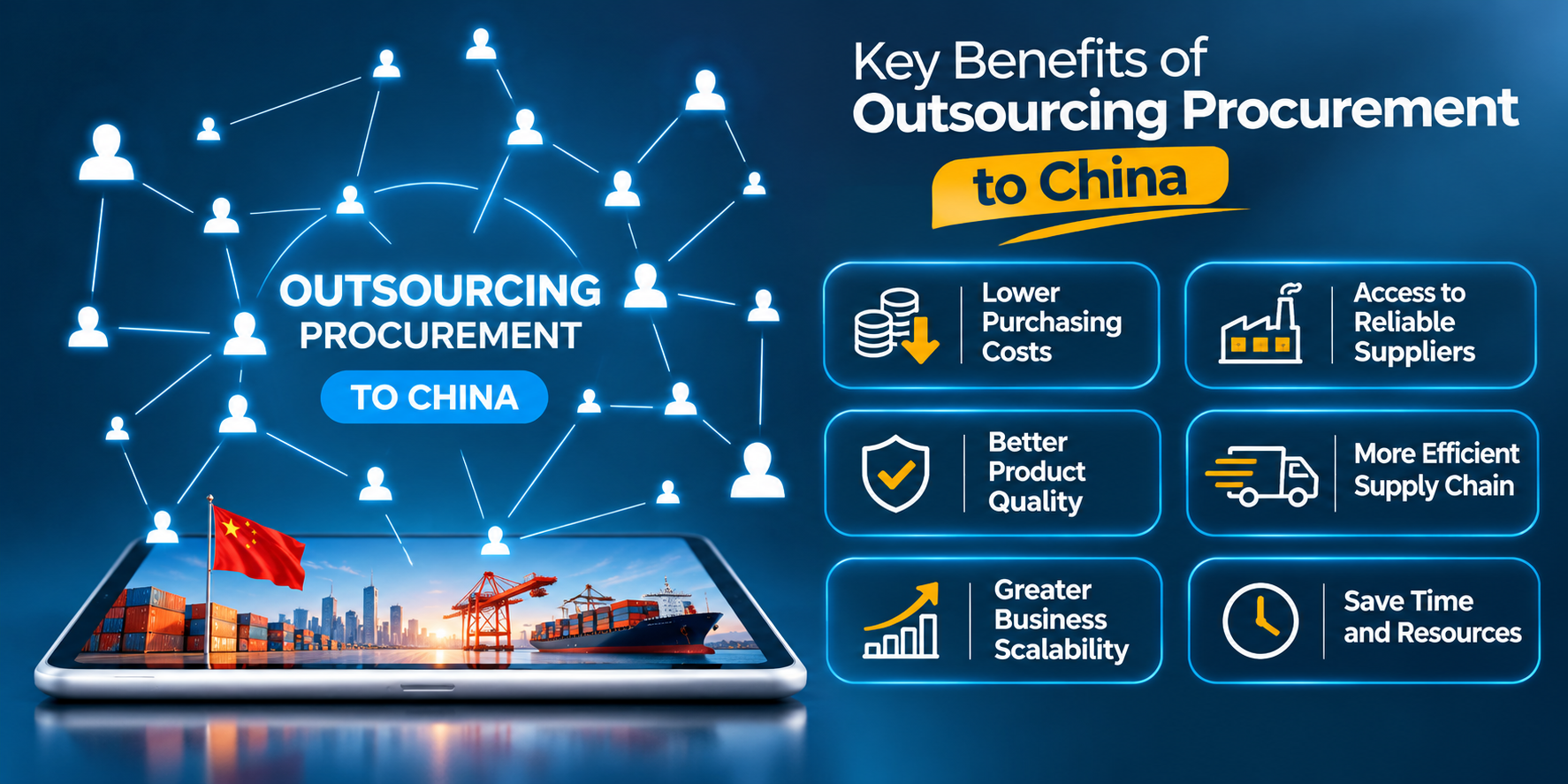
Key Benefits of Outsourcing Procurement to China
1. Lower Purchasing Costs
China's established manufacturing networks offer competitive purchasing opportunities across numerous industries.
Furthermore, experienced procurement specialists can negotiate prices and identify suitable manufacturing alternatives.
As a result, businesses may reduce unnecessary purchasing expenses while maintaining product specifications.
2. Access to Reliable Suppliers
Finding trustworthy manufacturers can be challenging for international buyers.
However, experienced procurement teams can evaluate supplier credentials, production capabilities, and quality management processes.
Additionally, factory visits and business verification help reduce supplier-related risks.
3. Improved Product Quality Control
Quality problems can damage customer relationships and increase return costs.
Therefore, procurement outsourcing can include sample approval, production monitoring, and pre-shipment inspections.
These activities help identify manufacturing defects before products reach international customers.
4. Better Supply Chain Efficiency
Managing multiple suppliers independently requires significant time and resources.
Instead, businesses can use procurement partners to coordinate purchasing, production schedules, and supplier communication.
Moreover, shipment consolidation can simplify logistics and reduce unnecessary handling.
5. Greater Business Scalability
Growing businesses often need additional suppliers and larger production capacity.
Fortunately, procurement outsourcing provides access to established manufacturing networks without building a local purchasing department.
Consequently, businesses can expand product ranges while controlling operational complexity.
Common Mistakes When Outsourcing Procurement to China
1. Choosing Suppliers Based Only on Price
The cheapest quotation does not always provide the best overall value.
For instance, unusually low prices may reflect inferior materials, incomplete specifications, or excluded services.
Therefore, compare suppliers using quality standards, production capabilities, delivery reliability, and total costs.
2. Skipping Supplier Verification
Working with unverified suppliers increases the risk of fraud, production delays, and inconsistent quality.
Before ordering, verify business registration, manufacturing capabilities, and relevant certifications.
Additionally, request samples and consider independent factory inspections.
3. Ignoring Quality Control Procedures
Some businesses inspect products only after receiving their shipments.
Unfortunately, correcting defective products after international delivery can become expensive.
Instead, establish quality requirements before production and schedule appropriate inspections.
4. Overlooking Hidden Procurement Expenses
Unexpected expenses can significantly reduce profit margins.
For example, packaging, tooling, storage, inspection, and customs charges may increase total purchasing costs.
Therefore, request detailed quotations and calculate landed costs before confirming orders.
5. Poor Communication With Manufacturers
Unclear specifications frequently lead to misunderstandings and manufacturing mistakes.
Consequently, provide detailed product requirements, approved samples, packaging instructions, and delivery deadlines.
Furthermore, document all important agreements in writing.
6. Neglecting Import Compliance
Products may require specific testing, labeling, documentation, or certifications in destination markets.
Therefore, confirm applicable import requirements before beginning production.
Otherwise, noncompliant shipments may face customs delays, additional expenses, or rejection.
How to Choose the Right China Procurement Partner
Selecting a reliable procurement company is essential for successful outsourcing.
First, evaluate its experience with your product category and target market.
Next, review supplier verification procedures, quality control services, and communication practices.
Additionally, request transparent pricing and clearly defined service responsibilities.
A professional procurement partner should provide regular progress updates and documented quality checks.
Finally, establish written agreements covering payments, timelines, inspection standards, and dispute resolution.
Conclusion: Is Outsourcing Procurement to China Worth It?
Outsourcing procurement to China can help businesses lower costs, improve supplier management, and streamline international purchasing.
However, successful sourcing requires transparent pricing, reliable suppliers, and effective quality assurance.
Therefore, choosing an experienced China procurement partner can support long-term business growth and reduce purchasing risks.
Looking for a reliable China procurement partner? Explore EJET's sourcing and procurement solutions to simplify supplier management, quality control, and global logistics.
Frequently Asked Questions About China Procurement Outsourcing
Is outsourcing procurement to China cost-effective?
Yes, procurement outsourcing can reduce purchasing costs and improve operational efficiency.
However, actual savings depend on order size, service fees, and supplier performance.
Can small businesses outsource procurement to China?
Yes, small businesses can use procurement services for supplier searches, sample management, and limited purchasing projects.
Nevertheless, minimum order quantities vary across manufacturers.
How long does procurement from China take?
Procurement timelines depend on supplier selection, sampling, manufacturing complexity, and transportation.
Therefore, confirm production schedules and shipping estimates before placing orders.
What is the difference between a sourcing agent and a procurement company?
Sourcing agents commonly focus on finding suppliers and negotiating purchases.
Meanwhile, procurement companies may provide broader services, including supplier management, quality control, and logistics coordination.