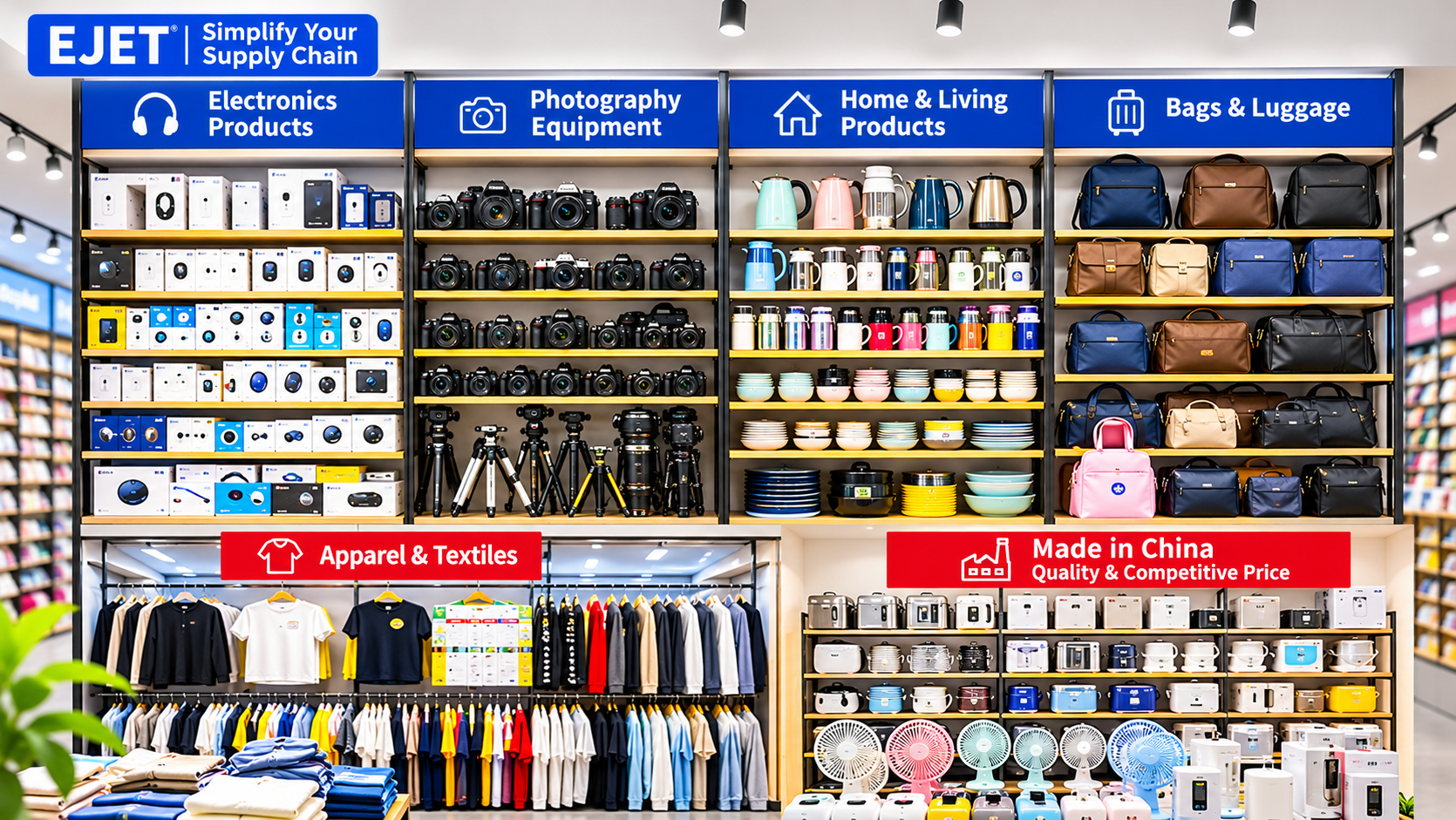
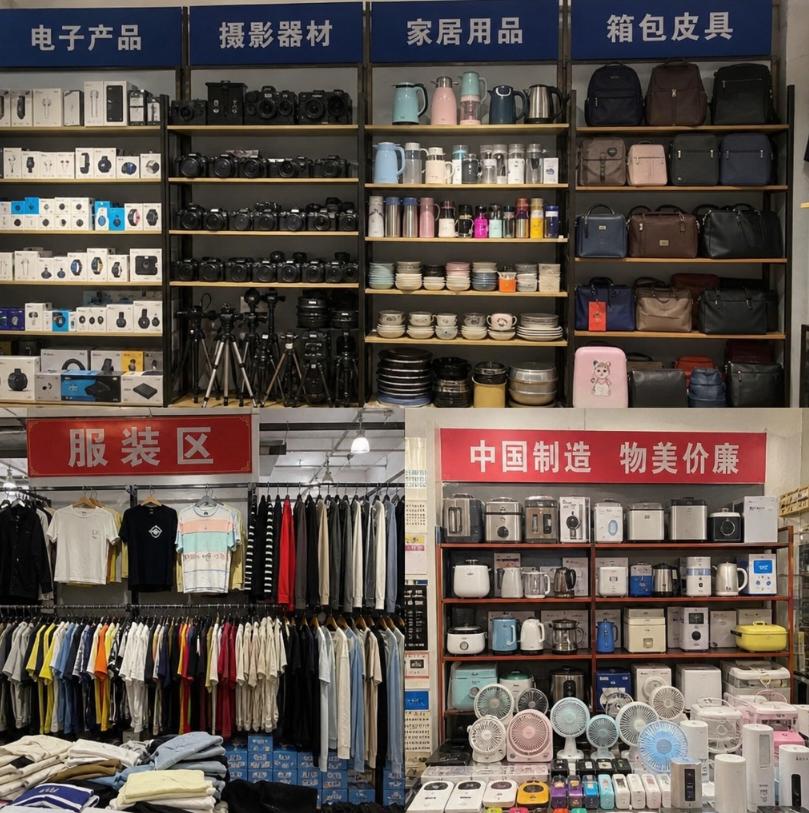
Products made in China range from smartphones and computers to clothing, furniture, toys, and specialist photography equipment. Official trade data show that Chinese exports span both everyday consumer goods and industrial products.
This article highlights 15 representative categories, explains what buyers should check, and clarifies questions about Coach and Godox manufacturing. The list is a practical overview, not a ranking by export value.
What are the main products made in China?
Major products manufactured in China include mobile phones, computers, electronic components, garments, footwear, furniture, luggage, toys, plastic goods, shipping containers, and motor vehicles.
China’s official 2024 export statistics identify these categories among its main export commodities. For buyers, the useful next step is to evaluate the specific model, supplier, and intended use rather than rely on the country label alone.
1. Smartphones
Smartphones feature prominently in China’s exports, with the World Trade Organization listing them among the country’s leading exported products.
Before buying, verify the exact model’s compatibility with your mobile carrier, available warranty service, and software support. Request the model number rather than relying on a familiar brand name or an almost identical product photograph.
2. Laptops and Portable Computers
Portable computers are another major Chinese export category. When comparing offers, specify the processor, memory, storage, keyboard layout, and operating-system license.
For business purchases, ask suppliers to identify any substitutions before production or shipment. A precise specification makes competing quotes easier to compare and gives you something concrete to inspect against.
3. Display Modules
China exports liquid crystal display modules, according to its national statistics office.If you are sourcing displays for a device or repair business, specify dimensions, resolution, connectors, and the intended application.
Ask for a sample and compatibility documentation before ordering a batch; an attractive screen is not useful if it cannot integrate with your equipment.
4. Integrated Circuits
Integrated circuits also appear in China’s main export commodity statistics. For component purchasing, record the full part number, package type, required documentation, and acceptable sourcing channels.
Avoid treating a visually similar component as an equivalent. If substitutions are proposed, have the person responsible for your product’s design approve them before placing the order.
5. Clothing and Fashion Accessories
Clothes and clothing accessories are established Chinese exports. Build an apparel order around measurable requirements: fabric composition, garment dimensions, stitching, color references, and labeling.
Ask for samples in several sizes rather than approving only one. For your own label, document where branding should appear and how finished garments should be packed.
6. Footwear
China’s export statistics include footwear as a distinct category. When buying shoes, assess fit, stitching, sole attachment, and finish alongside appearance. Request a size chart with actual measurements and test samples with the intended wearer in mind.
A promising design still needs a clear standard for sizing and acceptable workmanship before bulk production.
7. Textiles and Home Fabrics
Textile yarns and textile articles are another significant export group. For bedding, curtains, or other fabric-based sourcing projects, define the material, dimensions, care instructions, and finish you want. Include washing in your sample review.
Compare the item before and after laundering, then record any acceptable changes in your purchasing specification.
8. Furniture
Furniture and furniture parts appear among China’s main exported goods. Review dimensions, materials, assembly instructions, hardware, and packaging before ordering. Ask to see the product disassembled as well as fully assembled.
For an online retail project, include a trial assembly in your sample assessment and photograph the parts customers will receive.
9. Luggage and Travel Bags
Luggage and similar containers form another recognized Chinese export category. When assessing a suitcase or travel bag, inspect handles, wheels, zippers, lining, and seams.
Test the sample with the load you expect it to carry. For branded products, verify the seller’s authorization separately from checking where the item was manufactured.
10. Toys
Toys are included in China’s main export statistics. For U.S. buyers, safety compliance deserves attention before price negotiations. Children’s toys intended primarily for ages 12 and under require applicable third-party testing and certification.
Request documentation for the exact product, and establish who will handle the importer’s certification responsibilities before shipment.
11. Plastic Household Goods
Plastic articles appear in China’s official export data, although that broad category does not identify every household product individually.
For storage boxes, organizers, or similar sourcing projects, specify dimensions, material, lid fit, and intended use. If you plan to advertise a particular use or performance benefit, request evidence supporting that claim rather than copying supplier descriptions.
12. Shipping Containers
Shipping containers are also among China’s recorded export commodities.Treat container purchasing as an equipment transaction, not simply a search for the lowest advertised price.
Establish the required dimensions, condition, intended use, inspection arrangements, and delivery responsibilities in writing. Ask what photographs and identifying information you will receive for the specific unit being purchased.
13. Motor Vehicles
China exports motor vehicles, including chassis, according to its national statistics office. A buyer should investigate destination-market eligibility before making a deposit.
Ask about documentation, servicing, replacement parts, and warranty coverage for the proposed destination. Do not assume that a vehicle offered for export is automatically suitable for registration or use in your market.
14. Godox Studio Flashes
For shoppers researching Godox products made in China, the company’s DP-series studio-flash manual provides a direct example: it carries a “Made in China” marking.
When selecting equipment, check the particular flash’s mounting system, controls, accessories, and compatibility with your existing setup. Confirm those details against the model’s documentation rather than assuming every Godox product works identically.
15. Godox LED Photography Lights
Godox also offers LED lighting, and its UL150II documentation identifies the product as made in China. For a photography or video setup, define your required mounting arrangement, power options, and lighting controls before comparing models.
Consider the complete kit you need, including stands and modifiers, rather than judging the light body in isolation.
Are Coach products made in China?
Yes, Coach has manufactured products in China historically, but that does not describe its entire current production network. Coach’s fiscal 2010 annual report listed China among its manufacturing countries.
Tapestry’s fiscal 2026 report identifies Vietnam, Cambodia, the Philippines, and India as the primary locations of Coach manufacturers. “Primary” does not mean these are necessarily the only locations.
For shoppers researching Coach products made in China, separate the history of the brand from the origin of a particular item. Check the item’s origin information and ask the retailer to resolve any uncertainty before buying. Avoid using country of manufacture as your sole authenticity test; request product-specific information and purchase through a seller whose identity and policies you can verify.
How should you approach China product sourcing?
Approach China product sourcing by defining the product first, then evaluating samples, supplier documentation, and the complete delivered cost. For U.S. imports, customs classification and product-specific requirements must also be established; CBP recommends preparing details about origin, composition, intended use, and value.
Use this checklist before committing to a bulk order:
- Write a specification: Include materials, dimensions, finish, packaging, labeling, and unacceptable defects.
- Approve a reference sample: Keep the approved item and record any agreed changes in writing.
- Clarify the supplier’s role: Ask who manufactures the goods, who invoices you, and who handles quality issues.
- Compare complete quotes: Request product, packaging, inspection, freight, and delivery costs separately.
- Plan inspection: Agree on what will be checked, when it happens, and how problems will be resolved.
- Confirm import requirements: Establish the correct tariff classification and applicable product rules before shipping. Additional duties can depend on both classification and origin.
Choose the Product, Not Just the Label
Use this list as a starting point, not a blanket endorsement of any supplier or item. Whether you are purchasing one light or developing a retail collection, ask for model-specific details, review samples, and put expectations in writing.
The most useful buying question is not simply where something was made, but whether the particular product meets your needs and whether the seller can substantiate its claims.
Frequently Asked Questions About Products Made in China
What products are commonly manufactured in China?
China is known for producing a wide range of goods, including electronics (smartphones, laptops), clothing, footwear, furniture, toys, and household items.
Are Coach products made in China?
Yes, while Coach has historically manufactured products in China, its current production network includes various countries such as Vietnam, Cambodia, the Philippines, and India.
How can I ensure the quality of products sourced from China?
To ensure quality, define product specifications, evaluate samples, clarify supplier roles, and compare quotes, including costs related to inspections and freight.
Do I need to worry about safety compliance for products made in China?
Yes, especially for items like toys, safety compliance is crucial. Ensure the products meet relevant safety standards and request documentation before purchasing.
What should I consider before sourcing products from China?
Consider defining the product specifications, approving reference samples, comparing complete quotes, planning inspections, and confirming import requirements.