









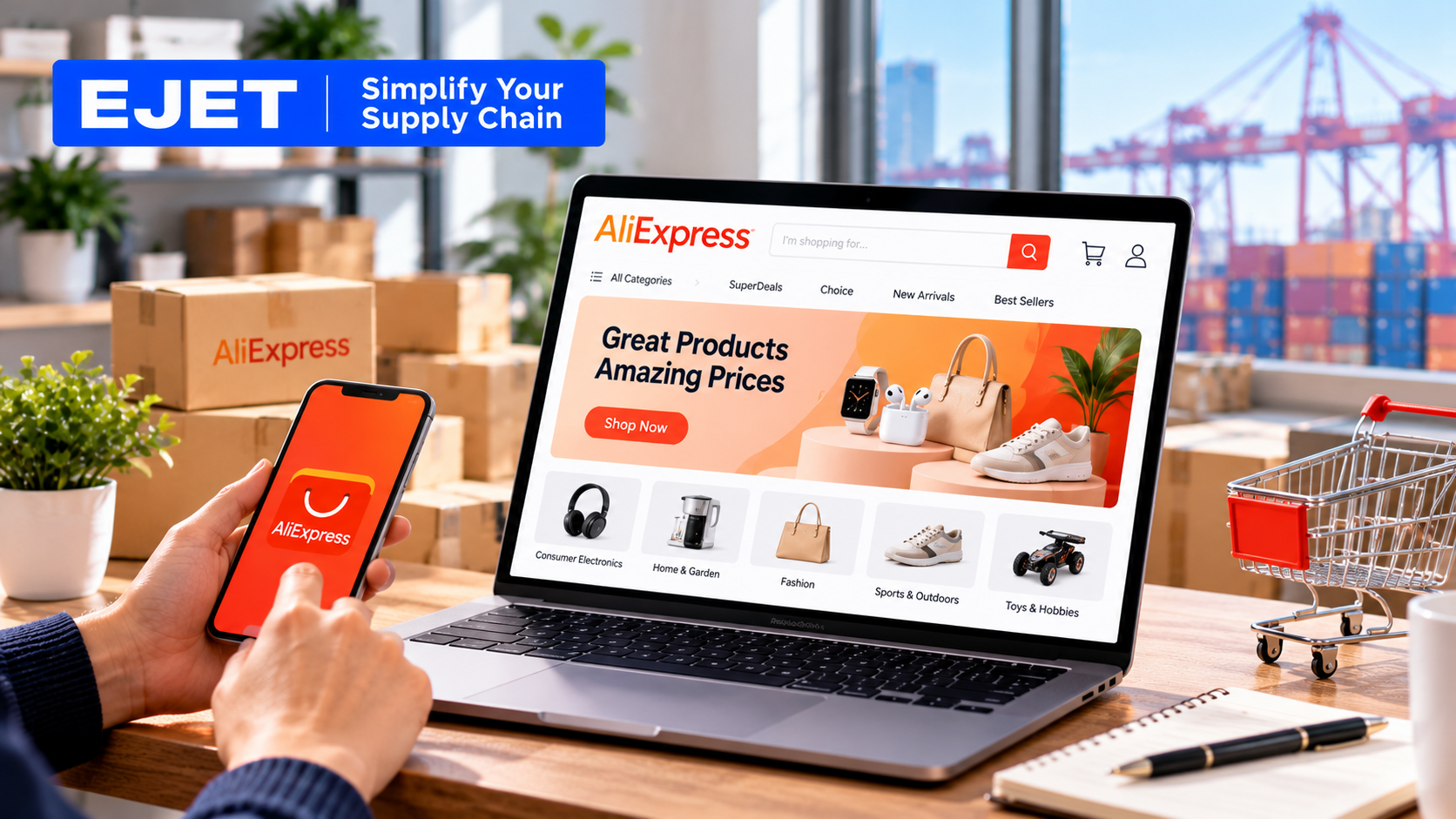
Scrolling through AliExpress for the first time can feel like finding a goldmine—or stepping into a trap.
With high-end gadgets listed for the price of a cup of coffee and thousands of unbranded items directly from factory floors, it’s only natural to pause and ask: Is AliExpress actually legit, or is it too good to be true?
The short answer is yes—AliExpress is a legitimate, billion-dollar global marketplace owned by Alibaba Group. However, buying on the platform isn't quite the same as shopping at your local store.
Because AliExpress connects everyday buyers directly with thousands of independent sellers across the globe, the quality, shipping times, and overall experience can vary wildly.
In this comprehensive guide, we’ll pull back the curtain on how AliExpress works, break down the safety of its payment escrow system, and share practical strategies to help you shop safely and avoid common pitfalls.
1. Introduction: Deconstructing the Global Retail Paradigm
1.1 The Genesis of Cross-Border E-Commerce Aggregation
The transformation of international trade has dismantled conventional commercial barriers, allowing everyday consumers to interact directly with global supply chains.
At the vanguard of this structural shift is cross-border retail aggregation, an operational model that bridges individual consumers with manufacturing hubs across the globe.
Digital platforms now allow transactions that bypass traditional multi-tiered importation networks.
This direct connectivity drastically alters consumer expectations regarding cost, variety, and accessibility.
1.2 Defining Legitimacy in the Digital Marketplace Architecture
Evaluating whether an enterprise is "legitimate" requires separating institutional authenticity from transaction-level friction. Operational legitimacy requires a legal business structure, secure financial handling, and verifiable dispute mechanisms.
Conversely, consumer frustration often stems from logistical delays or variable product quality rather than systemic platform fraud. Disentangling platform integrity from merchant variance is crucial when analyzing multi-seller retail ecosystems.
1.3 Scope and Objectives of This Empirical Assessment
This article systematically evaluates AliExpress's operational mechanics, security protocols, consumer protection frameworks, and commercial realities.
By inspecting the underlying infrastructure, payment architecture, and merchant behaviors, this assessment provides consumers and business operators with an objective evaluation of the platform’s safety, systemic risks, and economic realities.
2. The Institutional Backbone: Alibaba Group’s Structural Framework
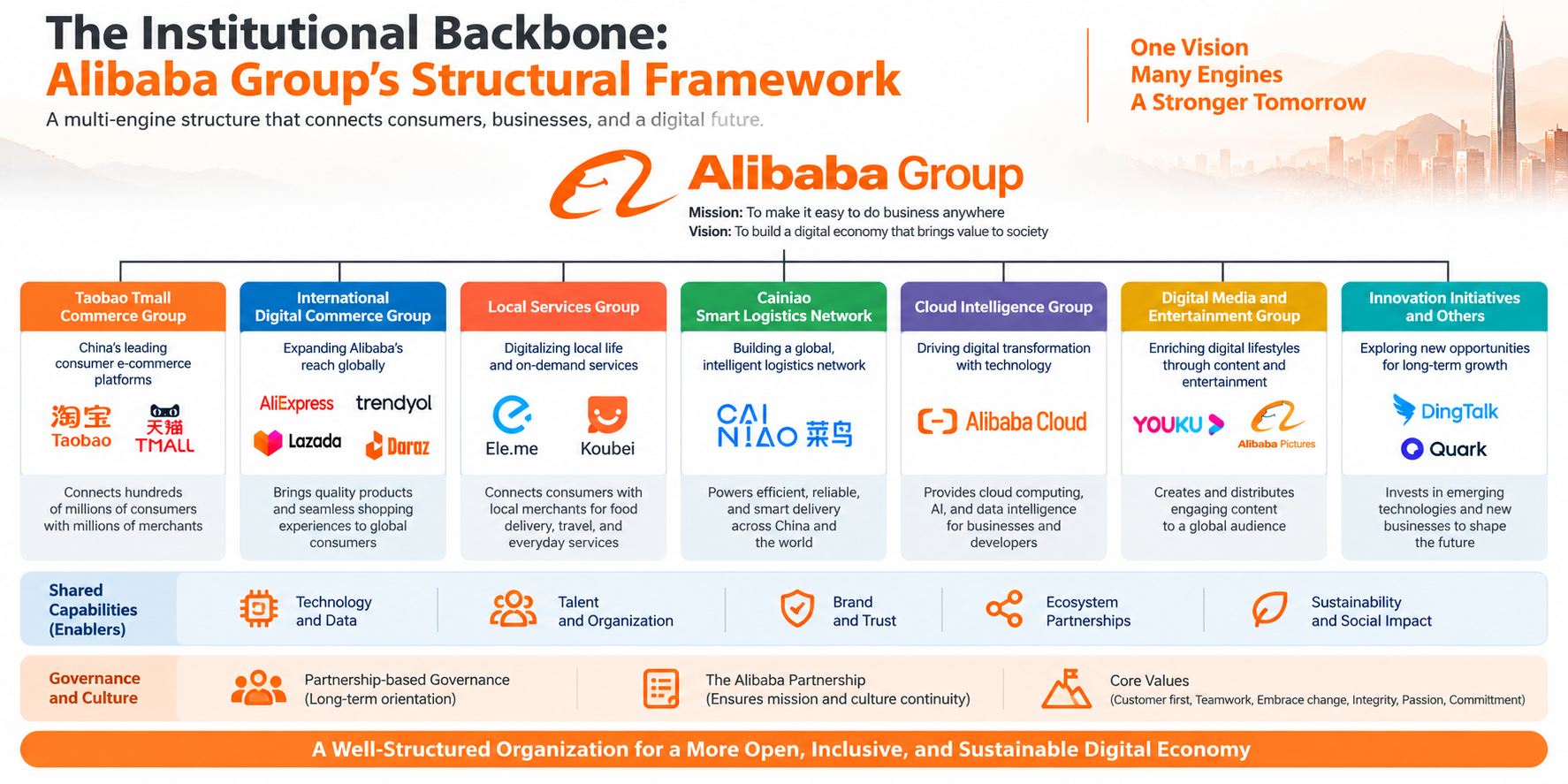
2.1 Corporate Provenance and Capitalization Metrics
AliExpress is not a standalone venture; it is a subsidiary of Alibaba Group Holding Limited, a public enterprise listed on major global exchanges.
Founded in 2010 to facilitate international retail sales, the platform operates as a global marketplace for Chinese sellers and international buyers.
Alibaba’s extensive market capitalization, institutional accountability, and global regulatory exposure demonstrate that the parent entity operates as a legitimate commercial enterprise rather than an unvetted online entity.
2.2 Operational Separation: B2B Wholesale vs. B2C Retail Aggregation
A common misconception is that AliExpress manufactures the merchandise listed on its servers. In practice, it operates as a third-party platform.
Unlike its sister platform 1688, which serves domestic business-to-business (B2B) trade within mainland China, AliExpress facilitates business-to-consumer (B2C) transactions globally.
It provides digital storefronts, processing capabilities, and translation layers, while leaving manufacturing and order fulfillment to independent third-party vendors.
2.3 Regulatory Oversight and International Compliance Protocols
Operating internationally subjects the platform to strict regulatory regimes, including consumer data protection standards (such as GDPR) and regional consumer safety standards.
The enterprise invests in infrastructure to meet international commerce regulations, anti-money laundering (AML) controls, and Know Your Customer (KYC) requirements for merchant onboarding.
These measures align its corporate operations with recognized international business standards.
3. Decoding the Economic Engine: Why Pricing Manifests as Anomalous
3.1 Disintermediation and Direct-from-Factory Arbitrage
The unusually low prices on the platform often raise suspicions of fraudulent activity among first-time buyers.
However, this pricing structure is driven by supply chain disintermediation. By removing regional distributors, wholesalers, and physical retailers, buyers interface directly with factory-adjacent entities.
This direct access eliminates cumulative markups, allowing low listing prices without indicating underlying fraud.
3.2 Supply Chain Proximity and Economies of Scale
Many sellers operate near industrial manufacturing clusters in Guangdong, Zhejiang, and Jiangsu provinces.
This proximity yields structural advantages: reduced inland transport overhead, instant access to component markets, and operational economies of scale.
Furthermore, vendors often list unbranded white-label merchandise, cutting out the substantial marketing, design, and brand-equity premiums associated with Western brands.
3.3 The De Minimis Exemption Shift and Evolving Tariff Dynamics
Historically, cross-border e-commerce benefitted from de minimis customs thresholds, which allowed low-value shipments to enter destination countries exempt from duties.
Shifts in global trade policies—such as the elimination of de minimis exemptions across various jurisdictions—have altered this dynamic.
Modern buyers must now factor local import duties into their total purchase costs, as custom fees may apply to low-value imports depending on local tax policies.
4. Technical Security Architecture and Payment Remediation
4.1 Tokenized Transaction Ecosystems via Alipay Escrow
Payment integrity on the platform is maintained through an escrow model managed by Alipay.
When an order is placed, funds are held by the platform's escrow service rather than transferred directly to the vendor.
Payment is released to the seller only after the buyer confirms satisfactory delivery or the designated protection window expires. Furthermore, card credentials are tokenized, ensuring merchants never view sensitive financial data.
| Security Parameter | Platform Implementation | Consumer Benefit |
| Data Transfer | Transport Layer Security (TLS 1.3) | Prevents network interception of credentials |
| Payment Standard | PCI-DSS Level 1 Compliance | Ensures secure handling of cardholder data |
| Authentication | 3-D Secure Protocols | Reduces unauthorized transactions via step-up verification |
| Settlement Model | Escrow via Alipay | Prevents payment release prior to confirmed delivery |
4.2 TLS Encryption, PCI-DSS Standards, and Data Safeguards
The platform uses high-grade Transport Layer Security (TLS) protocols to encrypt communications between user browsers and server endpoints. PCI-DSS compliance ensures that stored financial data is kept secure against external breaches. These safeguards align with security standards used by established financial institutions and digital marketplaces.
4.3 Third-Party Payment Gateways and Chargeback Mechanisms
In addition to internal escrow systems, the integration of major credit card networks (Visa, Mastercard) and external payment systems provides extra security.
Using these channels gives buyers access to cardholder protections, including formal dispute processes and chargeback mechanisms, if platform-level resolution proves unsatisfactory.
5. Demystifying the Buyer Protection Program
5.1 The Architecture of Escrow Safeguards
The Buyer Protection program functions as an automated contract, setting clear parameters for transaction fulfillment. Key terms of this policy include:
Core Buyer Protection Provisions:
Full Refund for Non-Receipt: If a shipment fails to arrive within the designated delivery timeline, the buyer is entitled to a full reimbursement.
Partial or Full Refund for Inaccuracy: Items that arrive damaged, defective, or significantly different from the listing description qualify for partial or full refunds through the dispute center.
Authenticity Guarantees: Items explicitly marked with authenticity badges receive enhanced buyer protection guarantees.
5.2 Dispute Resolution Frameworks and Timeline Parameters
When a purchase issue arises, buyers can initiate a dispute through the platform interface before the protective countdown timer expires. This initiates an initial negotiation window directly with the seller. If the merchant does not offer an acceptable remedy, the issue escalates to an internal arbitration team. The buyer must submit supporting evidence, such as photographs, video unboxing logs, or parcel weight receipts, to substantiate their claim.
5.3 On-Time Delivery Guarantees and Local Return Infrastructure
To address historical complaints regarding slow transit times, the platform offers "On-Time Delivery" guarantees for select listings, granting small coupon credits or partial refunds if shipments miss predicted delivery dates. Additionally, selected items qualify for "Free Return" options via domestic consolidation warehouses, avoiding costly international return freight.
6. Vulnerabilities, Pitfalls, and Merchant Risk Profile Assessment
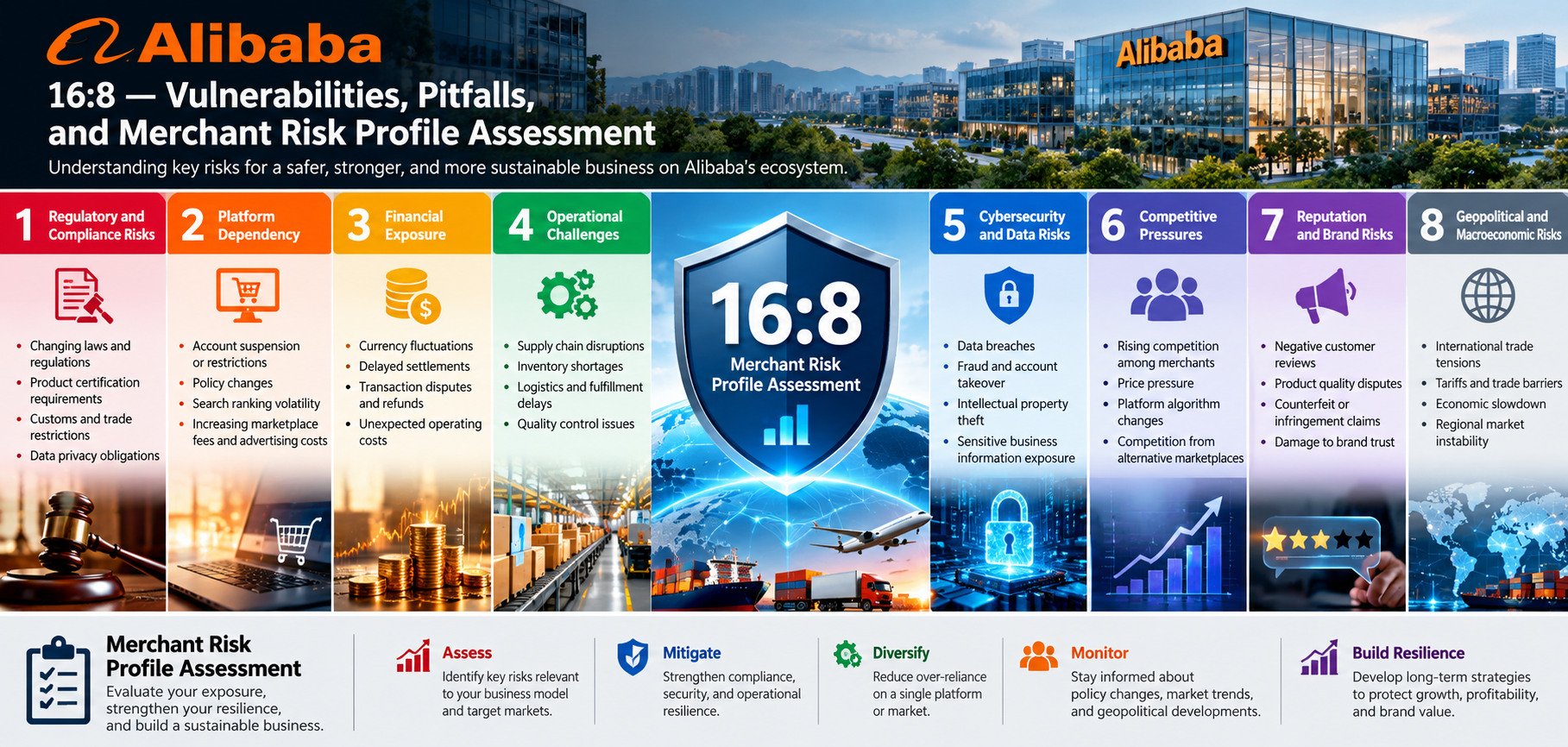
6.1 Unmasking Counterfeit Merchandise and Intellectual Property Infringements
Despite explicit platform prohibitions, intellectual property infringements remain a challenge. Listed items featuring premium brand logos—such as high-end sportswear, consumer electronics, or luxury accessories—at steep discounts are almost certainly unlicensed knockoffs. Purchasing these goods risks customs seizure, quality defects, and a lack of official warranty support.
6.2 Material Discrepancies and "Product Exaggeration" Phenomena
Another common issue involves listing exaggerations, where promotional photos show a idealized product that differs from the actual item. Digital retouching, stock photos, and vague product descriptions can lead to misunderstandings regarding size, material weight, or structural durability. Careful review of real product specifications and customer photos is essential to avoid these issues.
6.3 Logistics Bottlenecks and Intermodal Transport Friction
Because items often move through international postal channels, parcel tracking can show gaps during customs handoffs or long ocean transit. Peak shopping seasons, weather disruptions, and regional customs processing can lead to delivery delays. Recognizing these logistical steps helps set reasonable expectations for shipping timelines.
7. Strategic Merchant Vetting: A Pragmatic Buyer Protocol
7.1 Quantitative Evaluation: Store Longevity and Feedback Thresholds
Selecting reliable merchants is key to reducing transaction risk. Buyers should check the seller's storefront metrics before completing a purchase:
The Buyer Protection program functions as an automated contract, setting clear parameters for transaction fulfillment. Key terms of this policy include:
Operational Duration: Favor storefronts that have been active on the platform for at least two years.
Feedback Aggregation: Target a overall feedback rating of 95% or higher.
Order Volumes: Prioritize items that have logged hundreds of completed orders rather than unvetted new listings.
7.2 Qualitative Analysis: Dissecting Customer Photo Reviews
User feedback provides real-world insights into product quality. Buyers should focus on customer-uploaded photos rather than polished promotional images. Inspecting real-world photos helps reveal actual product textures, color accuracy, and true sizing. Filtering for negative reviews also highlights common issues like fragile packaging or missing parts.
7.3 Communication Diagnostics and Verification Tactics
Testing a seller's responsiveness before placing a large order can prevent future issues. Direct messaging the seller to ask specific questions about technical specifications, sizing charts, or custom packaging tests their communication quality. Prompt, clear responses suggest a professional business, whereas unhelpful or automated answers indicate potential customer service difficulties if issues arise later.
8. Final Verdict: Operational Synthesis and Risk Mitigation
8.1 Is AliExpress Legit? A Nuanced Analytical Summary
AliExpress is a legitimate, global e-commerce marketplace owned by Alibaba Group. It employs standard data security, secure tokenized payments, and an escrow system designed to protect buyers from fraud.
However, because the platform operates as a decentralized network of independent sellers, transaction quality varies. The platform itself is safe, but individual seller experiences depend on effective product vetting, realistic expectations regarding delivery times, and careful review of product details.
8.2 Strategic Recommendations for Modern Global Consumers
To get the best results while shopping on the platform, consider these practical guidelines:
- Keep Payments On-Platform: Complete all transactions exclusively through the secure platform checkout to preserve your escrow protections.
- Focus on Unbranded Goods: Stick to generic components, tools, craft items, and simple accessories, while avoiding steeply discounted name-brand items.
- Track Protection Timelines: Monitor the protection counter on your order dashboard, and open a dispute before the deadline if a shipment is missing or defective.
Inspect Upon Arrival: Check all delivered items thoroughly before confirming receipt, as confirming delivery releases the escrow payment to the seller.
Following these simple practices allows buyers to save money on direct-from-factory goods while minimizing the common risks of cross-border e-commerce.
Would you like me to adjust the focus of any specific section or provide additional details on a particular area, such as custom duties or dispute management?
Here are 5 frequently asked questions (FAQs) with concise, SEO-optimized answers that you can add to the end of your blog article:
Frequently Asked Questions (FAQs) About AliExpress
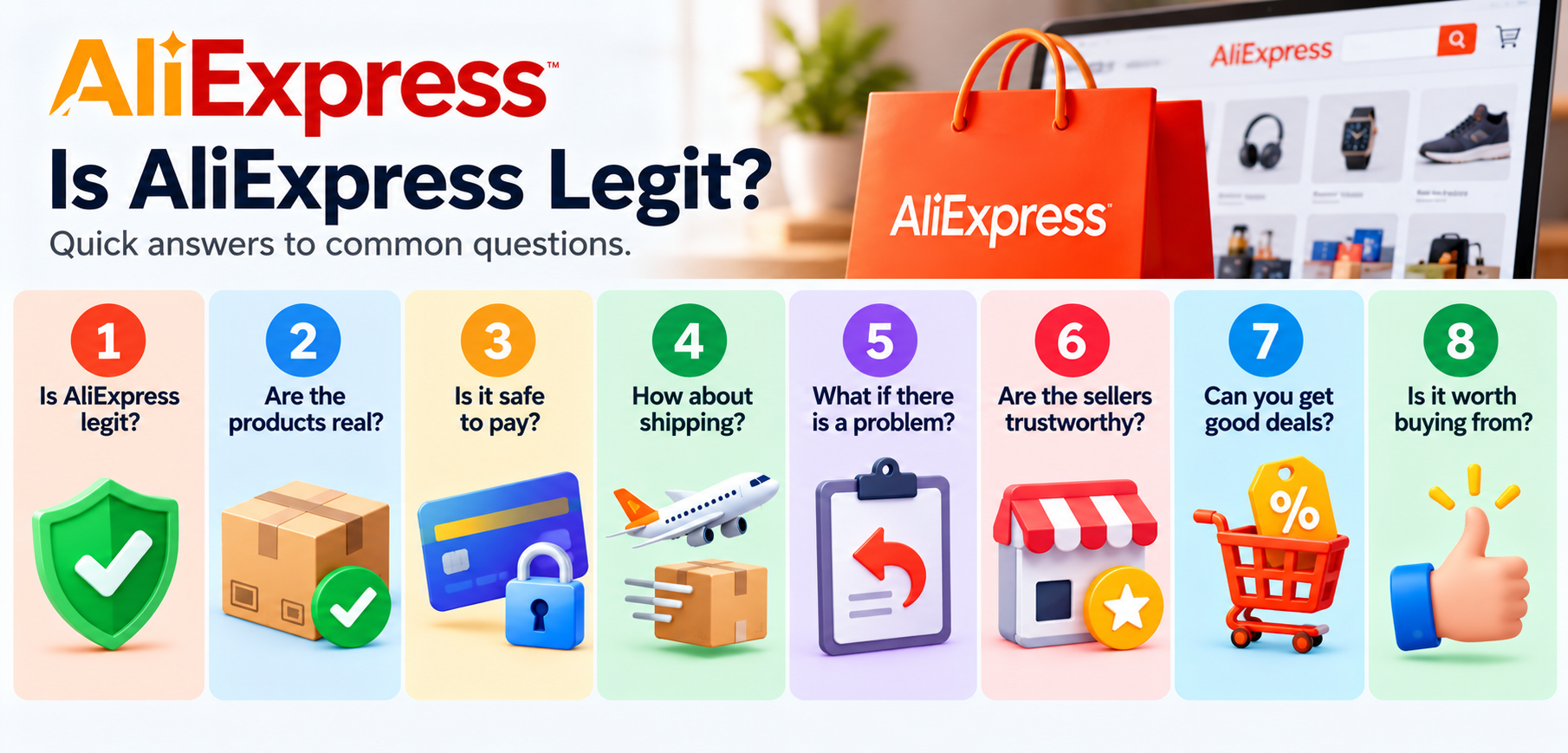
1. Is it safe to use my credit card on AliExpress?
Yes, it is safe. AliExpress uses high-grade encryption (TLS 1.3) and complies with PCI-DSS Level 1 standards to secure your financial details. Your payment is processed through an escrow system managed by Alipay, meaning sellers never see your credit card credentials or sensitive banking information.
2. What happens if my order never arrives or is damaged?
If your package fails to arrive within the delivery window or arrives damaged/not as described, you can open a dispute through the AliExpress Buyer Protection Program. The platform holds your payment in escrow until you confirm satisfactory delivery. If the seller cannot resolve the issue, AliExpress steps in as an arbiter to issue a partial or full refund.
3. Why are prices on AliExpress so low compared to domestic retailers?
Prices are significantly lower because AliExpress connects consumers directly with Chinese manufacturers and factory-adjacent wholesalers, eliminating traditional supply chain intermediaries like regional distributors, brand marketers, and brick-and-mortar stores. Additionally, many items are unbranded, removing the typical brand-equity markup.
4. Will I have to pay extra import taxes or customs duties on my purchase?
It depends on your local country's customs regulations. Following recent global trade policy updates and changes to de minimis duty-free thresholds in many regions (such as the EU and US), import duties, VAT, or local administrative fees may apply to your order depending on the value and contents. AliExpress frequently collects regional taxes (like EU VAT) directly at checkout where legally mandated.
5. How can I tell if a seller on AliExpress is trustworthy?
Before purchasing, check the seller's storefront metrics:
Store Longevity: Look for sellers active for at least 2 years.
Feedback Score: Aim for an overall positive rating of 95% or higher.
Customer Photos: Review real buyer feedback and customer-uploaded photos to evaluate actual product quality rather than relying solely on promotional stock images.

_1751507038923.png)