












Choosing the right blanket material affects warmth, softness, breathability, durability, maintenance, and cost. The best blanket material depends on your climate, sleeping habits, budget, and intended use.
Cotton suits everyday comfort, wool provides natural insulation, fleece offers lightweight warmth, and cashmere delivers a luxurious feel.
However, no single fabric is ideal for everyone. Some materials work better in warm climates, while others suit cold winters or decorative bedding. Understanding the differences helps you choose a blanket that meets your needs.
This guide compares 14 popular blanket materials, explains their advantages and disadvantages, and provides practical tips for selecting the right fabric for personal use or wholesale sourcing.
What Are Blanket Materials?
Blanket materials are the fibers, fabrics, or insulating fillings used to manufacture blankets. They determine how a blanket feels, retains heat, manages moisture, withstands washing, and performs over time.
Manufacturers commonly use natural fibers, synthetic fibers, and blended fabrics. Some blankets also contain insulating fillings, such as down, beneath a separate outer fabric.
The main categories include:
-
Natural fibers: Cotton, wool, cashmere, linen, and silk.
-
Synthetic fibers: Polyester fleece, microfiber, acrylic, and recycled polyester.
-
Specialty fabrics: Flannel, chenille, sherpa, and bamboo-derived viscose.
-
Insulating fillings: Down and feathers, usually enclosed within a fabric shell.
Understanding these categories is important because two blankets made from the same fiber can perform differently. Fabric construction, thickness, pile height, weave, and filling all influence the final product.
Why Is Choosing the Right Blanket Material Important?
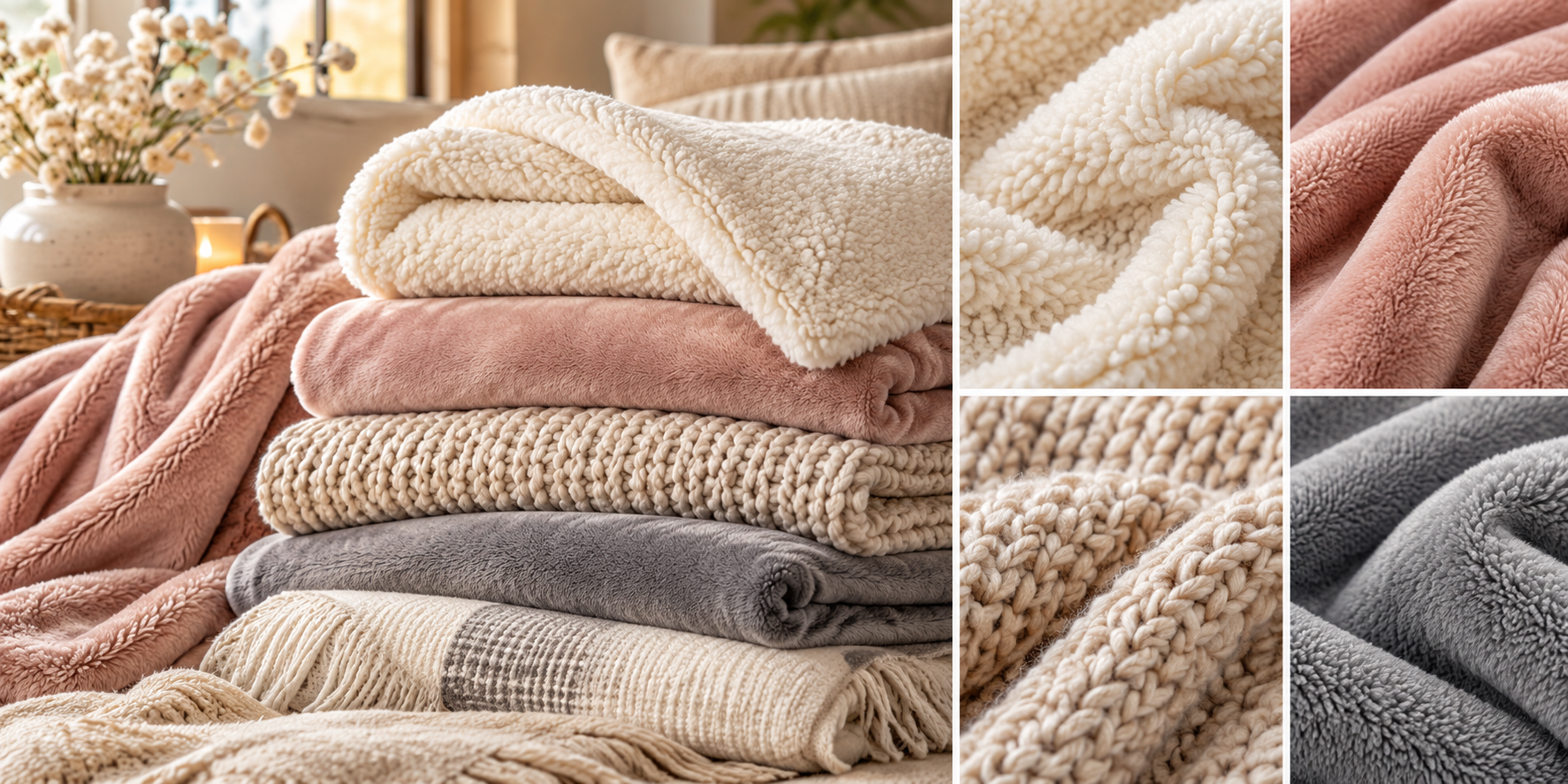
The right blanket material improves comfort while matching your maintenance requirements and budget. It also affects product lifespan, seasonal suitability, and overall value.
Consider these five factors before buying a blanket:
-
Warmth: Wool, fleece, and down-filled blankets can provide substantial insulation, depending on their construction.
-
Breathability: Cotton, linen, and wool can help manage heat and moisture in different ways.
-
Softness: Cashmere, fine wool, microfiber, and plush fabrics offer different levels of softness.
-
Maintenance: Some polyester blankets are machine washable, while cashmere and down may require special care.
-
Durability and cost: Fabric quality, construction, finishing, and washing practices influence long-term performance.
For example, someone living in a hot climate may prefer lightweight cotton or linen. Meanwhile, a customer seeking a cozy winter blanket might choose wool, fleece, or a down-filled option.
14 Popular Blanket Materials Compared
The following table summarizes the main characteristics of 14 common blanket materials. Actual performance depends on fabric weight, construction, fiber quality, and finishing.
| No. | Blanket Material | Main Advantage | Potential Drawback | Best Use |
|---|---|---|---|---|
| 1 | Cotton | Breathable and versatile | Can wrinkle or shrink | Everyday bedding |
| 2 | Wool | Natural insulation and moisture management | May feel itchy or require special care | Cold weather |
| 3 | Cashmere | Exceptionally soft and lightweight | Expensive and delicate | Luxury blankets |
| 4 | Polyester fleece | Lightweight warmth | Can retain heat and generate static | Casual and outdoor use |
| 5 | Microfiber polyester | Smooth, soft, and easy to maintain | Breathability varies | Affordable bedding |
| 6 | Acrylic | Wool-like appearance at a lower cost | Can pill with use | Budget-friendly blankets |
| 7 | Cotton flannel | Soft, brushed surface | May pill or shrink | Cool-weather bedding |
| 8 | Sherpa | Thick, fluffy texture | Can feel too warm in summer | Winter and throw blankets |
| 9 | Chenille | Plush texture and decorative appearance | Loops may snag | Decorative throws |
| 10 | Linen | Airy and breathable | Can feel coarse and wrinkle easily | Warm climates |
| 11 | Bamboo-derived viscose | Smooth, fluid feel | Care requirements vary | Lightweight blankets |
| 12 | Silk | Smooth, lightweight luxury | Delicate and expensive | Premium lightweight bedding |
| 13 | Down-filled | Excellent warmth relative to weight | Requires careful cleaning | Cold climates |
| 14 | Recycled polyester | Uses recycled plastic feedstock | Still a synthetic fiber | Value-focused and recycled-content products |
1. Cotton Blankets: Best for Everyday Comfort
Cotton blankets are popular because they offer a practical balance of softness, breathability, and easy maintenance. Cotton is a natural plant-based fiber that can be woven or knitted into lightweight and medium-weight fabrics.
Its versatility makes it suitable for bedrooms, hotels, guest rooms, and everyday household use.
Advantages:
-
Generally breathable and comfortable against the skin.
-
Available in lightweight, woven, knitted, and quilted constructions.
-
Many varieties are machine washable.
-
Suitable for different climates and age groups.
Disadvantages:
-
May shrink if washed or dried incorrectly.
-
Can wrinkle more easily than some synthetic fabrics.
-
Thick cotton blankets may take longer to dry.
Best for: Everyday bedding, family households, summer blankets, and hospitality products.
For wholesale buyers, cotton blankets offer broad market appeal. However, confirm the fabric weight, weave, shrinkage performance, and washing instructions before placing a bulk order.
2. Wool Blankets: Best for Natural Warmth
Wool blankets are valued for insulation and moisture management. Wool fibers have a naturally crimped structure that traps air, helping the material retain warmth. Wool can also absorb moisture vapor, which contributes to thermal comfort.
According to The Woolmark Company, wool's fiber structure supports temperature regulation, elasticity, and moisture management.
Advantages:
-
Provides effective insulation in cold weather.
-
Helps manage moisture vapor.
-
Can resist odors naturally.
-
Offers good resilience when properly constructed.
Disadvantages:
-
Some wool fabrics feel scratchy against sensitive skin.
-
Certain wool blankets require hand washing or dry cleaning.
-
High-quality wool can be expensive.
Best for: Winter bedding, cold climates, camping, and premium home textiles.
Choose fine wool if softness matters. For wholesale purchases, ask about fiber composition, fabric weight, finishing, and care requirements.
3. Cashmere Blankets: Best for Luxury
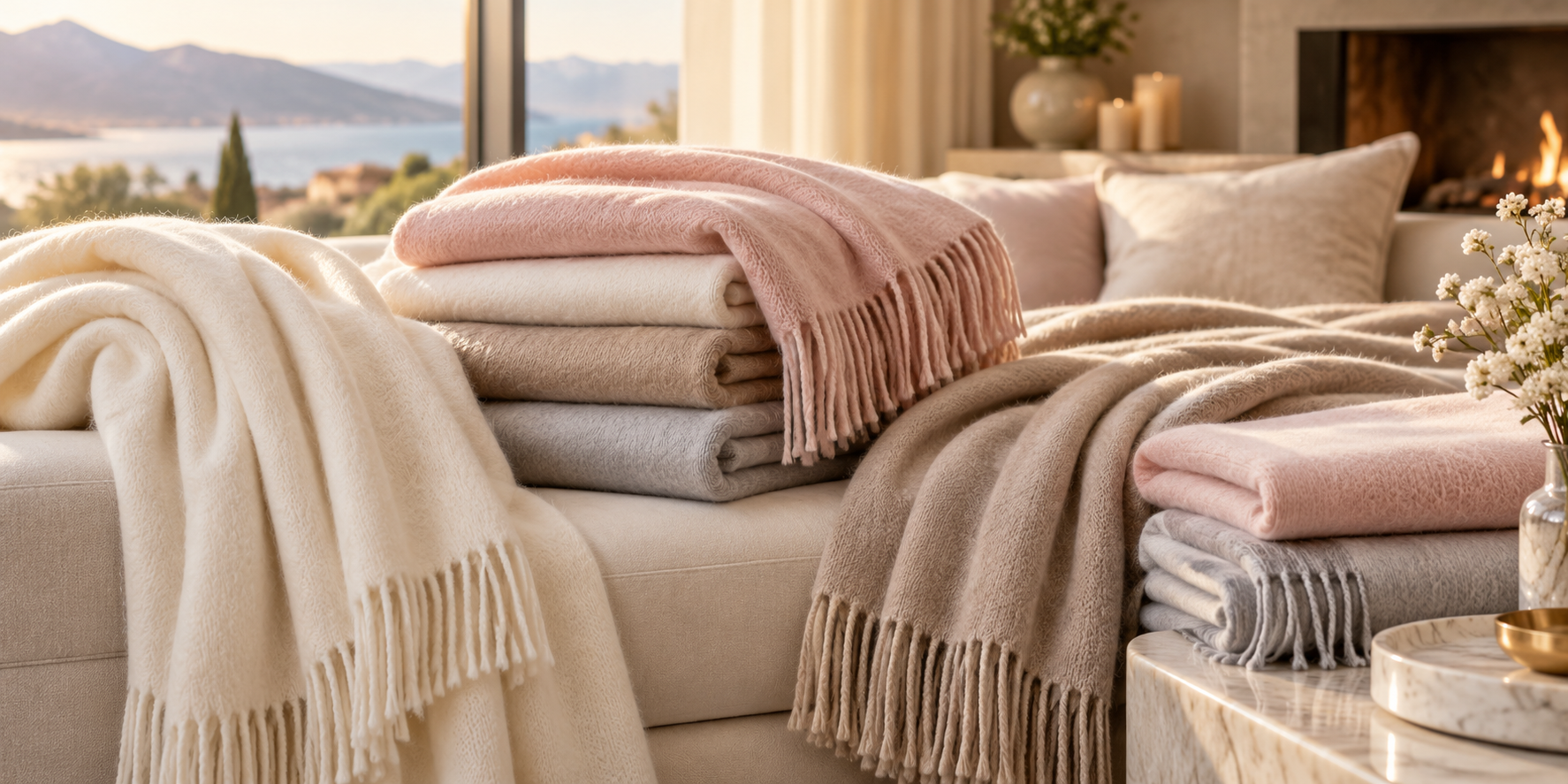
Cashmere is a fine animal fiber obtained from cashmere goats. It is prized for its soft texture, lightweight feel, and insulating properties.
Cashmere blankets are often positioned as premium home accessories or luxury gifts.
Advantages:
-
Exceptionally soft when made from fine-quality fibers.
-
Offers warmth without requiring a heavy fabric.
-
Creates an elegant, premium appearance.
Disadvantages:
-
Usually costs more than cotton or polyester.
-
Can pill through friction.
-
May require delicate cleaning and storage.
Best for: Luxury bedding, premium gifts, and high-end home décor.
When buying cashmere, verify the actual fiber composition. Blended products may be more affordable, but their labels should accurately reflect the materials used.
4. Polyester Fleece Blankets: Best for Lightweight Warmth
Polyester fleece is a synthetic fabric with a soft, raised surface. Its structure traps air, making it useful for lightweight blankets that provide warmth without the bulk of some traditional fabrics.
It is widely used for travel blankets, throws, promotional products, and everyday winter accessories.
Advantages:
-
Lightweight and generally quick-drying.
-
Often affordable and easy to care for.
-
Available in many colors, patterns, and thicknesses.
-
Can provide substantial warmth for its weight.
Disadvantages:
-
Some versions retain excessive heat.
-
Static electricity may develop in dry conditions.
-
Synthetic fabrics can release microfibers during laundering.
Best for: Sofa throws, travel blankets, promotional blankets, and budget-friendly winter products.
For wholesale orders, compare fabric weight, pile density, pilling resistance, and colorfastness. A thicker fleece is not automatically better if customers prefer a lightweight, breathable blanket.
5. Microfiber Polyester Blankets: Best for Smooth Softness
Microfiber polyester blankets use very fine synthetic fibers to create a smooth, lightweight fabric. They are popular in affordable bedding because they can feel soft while remaining relatively easy to maintain.
Advantages:
-
Smooth texture and lightweight construction.
-
Usually dries quickly.
-
Available in many colors and designs.
-
Often competitively priced.
Disadvantages:
-
Breathability depends on fabric construction.
-
Some versions can feel warm or clingy.
-
Pilling and static may occur with repeated use.
Best for: Affordable bedding sets, guest rooms, online retail, and everyday throws.
Check whether the product is woven microfiber, brushed microfiber, or a plush construction. These variations can feel noticeably different despite sharing the same fiber type.
6. Acrylic Blankets: Best for Budget-Friendly Warmth
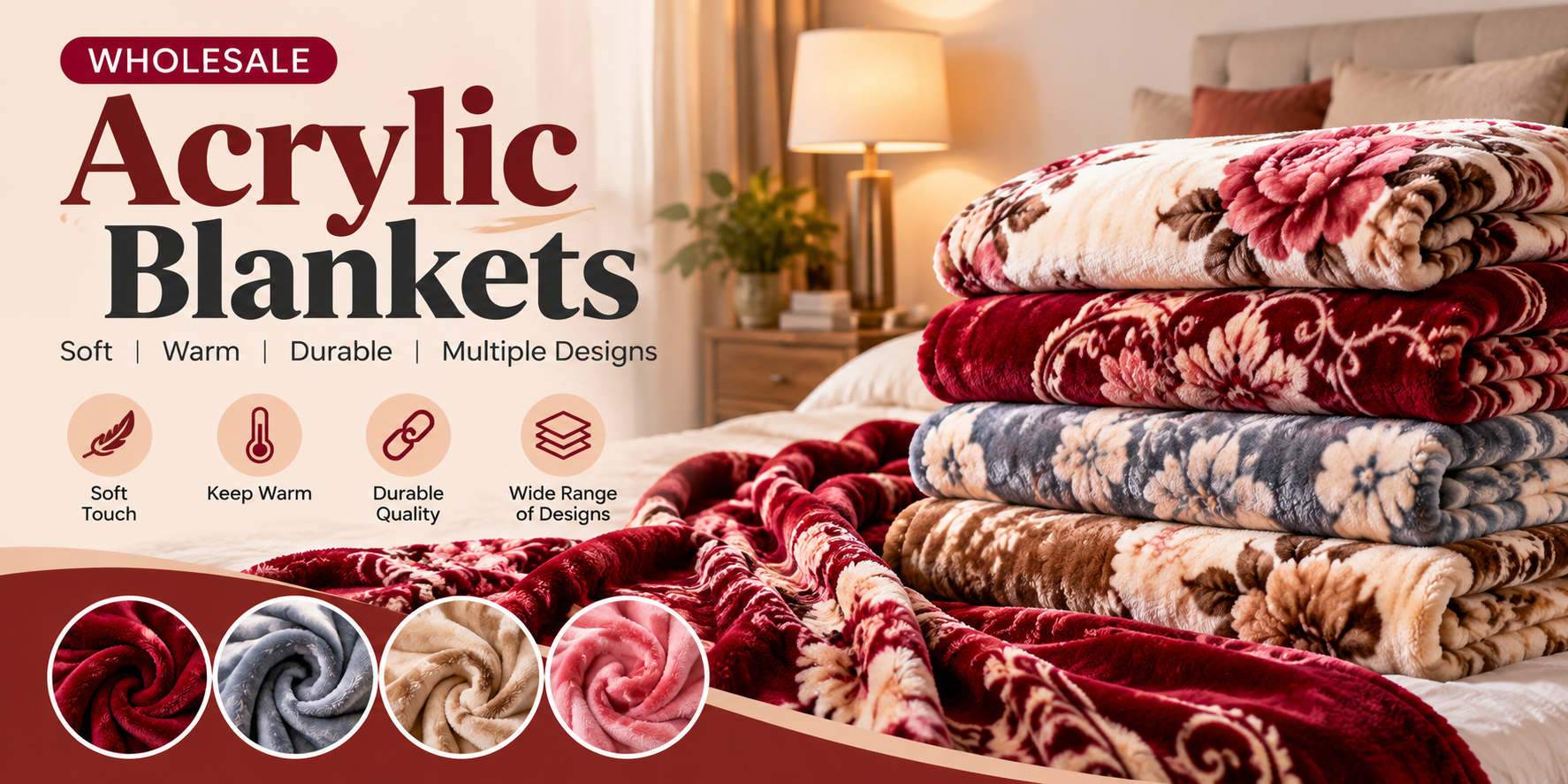
Acrylic is a synthetic fiber frequently used to imitate the appearance and feel of wool. Manufacturers can produce acrylic blankets in various colors, patterns, and knitted textures.
Advantages:
-
Usually costs less than cashmere and many wool products.
-
Offers a lightweight, wool-like feel.
-
Resists many common forms of moisture-related damage.
-
Supports a wide range of colors and designs.
Disadvantages:
-
Can pill with friction.
-
May develop static.
-
Heat retention and breathability vary by construction.
Best for: Budget bedding, decorative throws, and colorful retail collections.
Acrylic is worth considering when price and design variety matter more than natural-fiber composition. However, test the fabric for pilling and softness after laundering.
7. Cotton Flannel Blankets: Best for Cool Weather
Cotton flannel is a cotton fabric that undergoes brushing to create a soft, fuzzy surface. This finish can make the fabric feel warmer and more comfortable during cooler weather.
Although flannel can also be manufactured from other fibers, cotton flannel is a common choice for bedding.
Advantages:
-
Soft, brushed surface.
-
Comfortable for cool nights.
-
Available in plain colors, checks, and printed patterns.
-
Can combine familiar cotton comfort with a warmer feel.
Disadvantages:
-
May pill after repeated washing.
-
Can shrink without proper care.
-
Often feels too warm in hot weather.
Best for: Winter bedding, cabin-style interiors, and comfortable household blankets.
When sourcing cotton flannel, ask suppliers about brushing quality, fabric weight, shrinkage, and colorfastness. These details influence how the blanket looks and feels after repeated use.
8. Sherpa Blankets: Best for Plush Winter Comfort
Sherpa is a fluffy fabric designed to resemble the texture of sheep's wool. Most sherpa blankets use polyester, although some products combine different fibers.
Sherpa is a fabric construction rather than a natural wool fiber.
Advantages:
-
Thick, fluffy texture.
-
Creates a cozy appearance.
-
Can provide substantial warmth.
-
Works well in reversible blanket designs.
Disadvantages:
-
May feel too warm in tropical climates.
-
Can flatten or mat with improper washing.
-
Requires sufficient storage space when thick.
Best for: Winter throws, reversible blankets, sofa accessories, and gift products.
For a reversible blanket, manufacturers may pair sherpa with fleece, flannel, or another smooth fabric. Check the composition of both sides rather than relying on the product name alone.
9. Chenille Blankets: Best for Decorative Texture
Chenille blankets feature a soft, textured yarn that creates a plush, velvety appearance. They are frequently selected for interior decoration because their surface adds visual depth.
Depending on the product, chenille yarn may contain cotton, polyester, acrylic, or fiber blends.
Advantages:
-
Rich texture and decorative appeal.
-
Available in many colors and patterns.
-
Suitable for sofas, bedrooms, and accent pieces.
-
Can create a premium-looking finish.
Disadvantages:
-
Some constructions snag easily.
-
Texture may flatten with use.
-
Cleaning requirements depend on fiber composition.
Best for: Decorative throws, living-room accessories, and gift collections.
Before ordering, inspect the yarn construction and seams. Chenille blankets intended for frequent use should withstand ordinary handling without excessive snagging or shedding.
10. Linen Blankets: Best for Warm Climates
Linen is made from flax fibers. Its distinctive texture, relatively crisp feel, and ability to allow air circulation make it attractive for lightweight home textiles.
Linen blankets are often chosen for relaxed, natural-looking interiors.
Advantages:
-
Breathable and suitable for lightweight designs.
-
Natural fiber with a distinctive appearance.
-
Can become softer with appropriate washing and use.
-
Works well in warm-weather bedding.
Disadvantages:
-
Wrinkles more readily than many synthetic fabrics.
-
Can feel coarse initially.
-
Often costs more than basic cotton.
Best for: Summer bedding, warm climates, minimalist interiors, and premium home textiles.
Look for linen blends if you want to balance texture, cost, and ease of care. Always confirm the actual linen percentage when comparing products.
11. Bamboo-Derived Viscose Blankets: Best for a Smooth Feel
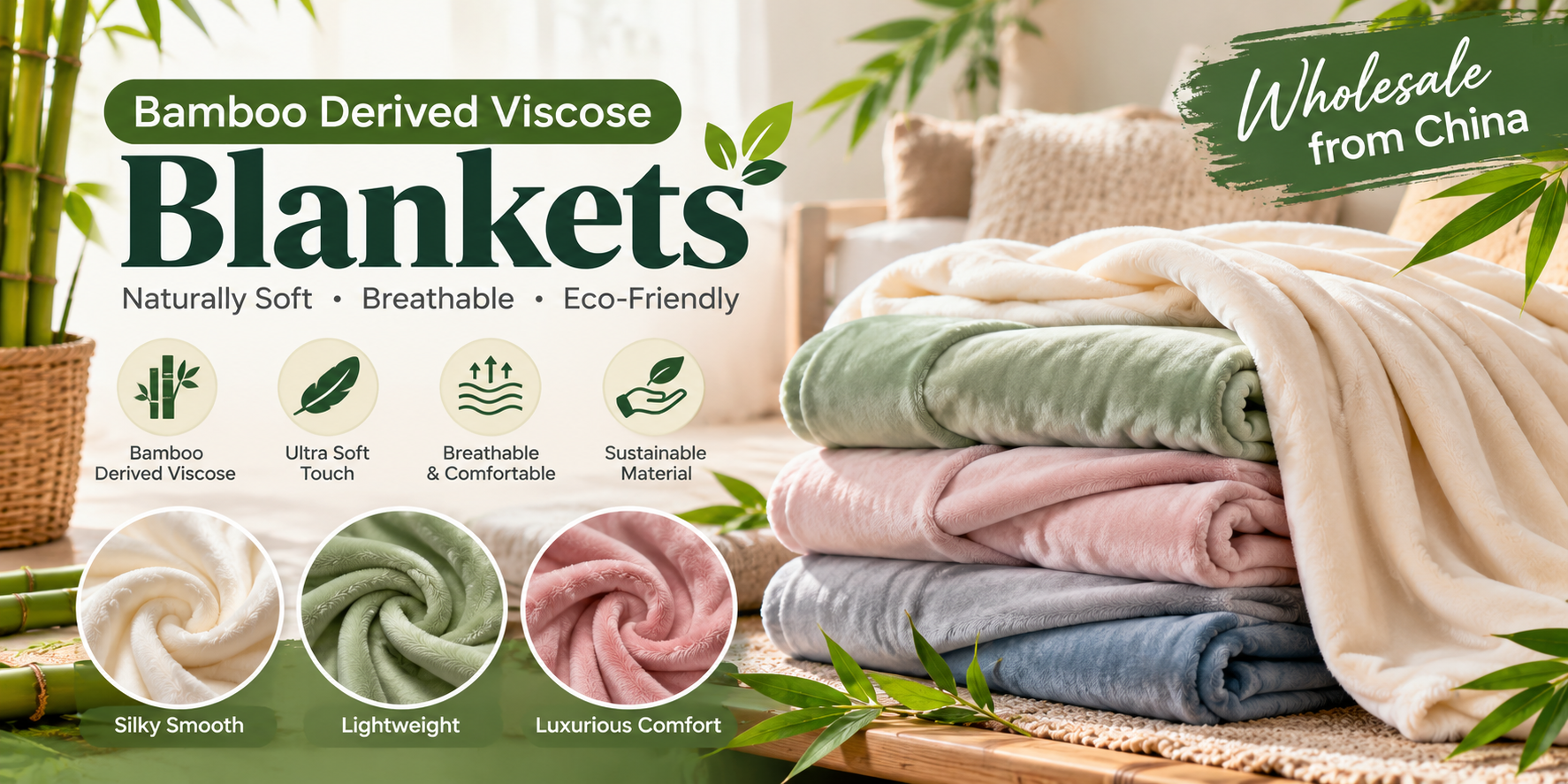
Many blankets marketed as bamboo use viscose or rayon made from bamboo-derived cellulose. These regenerated cellulose fibers can create a smooth, soft fabric with an attractive drape.
However, bamboo-derived viscose is not the same as mechanically processed natural bamboo fiber.
Advantages:
-
Smooth feel against the skin.
-
Often suitable for lightweight fabric constructions.
-
Can drape elegantly.
-
Available in blends with cotton or other fibers.
Disadvantages:
-
Performance varies by construction and blend.
-
Some products require gentle washing.
-
Environmental benefits depend on the manufacturing process and supply chain.
Best for: Lightweight bedding, soft throws, and products emphasizing a smooth texture.
The U.S. Federal Trade Commission's bamboo textile guidance explains that rayon or viscose made from bamboo should generally be labeled using the appropriate fiber name. Buyers should verify fiber composition rather than relying on marketing descriptions.
12. Silk Blankets: Best for Lightweight Luxury
Silk is a natural protein fiber produced by silkworms. It is valued for its smooth surface, lightweight feel, and elegant appearance.
Silk blankets may use woven silk fabrics or silk filling enclosed inside another fabric. These constructions have different characteristics.
Advantages:
-
Smooth and lightweight.
-
Offers a refined, luxurious appearance.
-
Can provide comfortable insulation in suitable constructions.
-
Works well in premium product ranges.
Disadvantages:
-
Often expensive.
-
May require specialized cleaning.
-
Can be damaged by harsh washing or prolonged exposure to sunlight.
Best for: Luxury bedding, premium gifts, and lightweight comfort products.
Check whether a product is made entirely from silk, blended silk, or merely has a silk-like finish. This distinction is particularly important when comparing supplier quotations.
13. Down-Filled Blankets: Best for Warmth Without Excessive Weight
Down-filled blankets contain the soft insulating clusters found beneath the outer feathers of ducks or geese. Manufacturers usually place the filling inside a fabric shell with stitched compartments or channels.
Down is a filling material, not the outer fabric itself.
Advantages:
-
Excellent insulation relative to weight.
-
Creates a soft, lofty feel.
-
Suitable for cold environments.
-
Can offer substantial warmth without a heavy blanket.
Disadvantages:
-
Often costs more than basic synthetic-filled alternatives.
-
Requires appropriate cleaning and drying.
-
May trigger sensitivities in some users.
-
Raises sourcing and animal-welfare considerations.
Best for: Cold climates, premium bedding, and lightweight winter insulation.
Compare the down content, fill weight, shell fabric, construction, and care instructions. Synthetic-filled alternatives may be more practical for customers who prioritize easier maintenance.
14. Recycled Polyester Blankets: Best for Recycled-Content Products
Recycled polyester is a synthetic fiber manufactured using recovered polyester materials, often from recycled plastic bottles or textile waste. Its performance depends on the fiber quality, fabric construction, and manufacturing process.
Advantages:
-
Incorporates recycled feedstock.
-
Can provide the familiar properties of polyester.
-
Supports fleece, microfiber, and other blanket constructions.
-
Offers opportunities for recycled-content product ranges.
Disadvantages:
-
Remains a synthetic material.
-
Does not eliminate microfiber release during washing.
-
Environmental performance depends on sourcing, processing, durability, and end-of-life management.
Best for: Value-focused bedding, promotional blankets, and products with verified recycled content.
If recycled content is part of your product positioning, request documentation supporting the percentage claimed. A recycled-content certificate or traceability records can help substantiate supplier statements.
How Do You Choose the Best Blanket Material?
The best blanket material depends on the user's climate, preferred texture, warmth requirements, maintenance habits, and budget. Rather than choosing by softness alone, compare the complete product construction.
Step 1: Consider Your Climate
For hot weather, start with lightweight cotton or linen. These materials are useful when air circulation and reduced bulk matter.
For colder weather, consider wool, fleece, sherpa, or down-filled blankets. However, choose the weight carefully if you tend to sleep warm.
Step 2: Decide How Much Warmth You Need
A blanket's warmth depends on more than its fiber. Thickness, fabric density, trapped air, filling, and construction all influence insulation.
For example, a lightweight wool blanket may regulate temperature differently from a thick polyester sherpa throw. Neither is automatically best for every sleeper.
Step 3: Compare Softness and Skin Comfort
Cashmere, fine wool, microfiber, and brushed cotton can all feel soft. However, individual preferences differ.
If the blanket will touch the skin directly, request a sample. Check for roughness, loose fibers, excessive shedding, and unpleasant odors before ordering.
Step 4: Check Washing and Maintenance Requirements
Choose machine-washable fabrics when convenience is a priority. Cotton and many polyester blankets can be easy to maintain, although care instructions vary.
By contrast, certain wool, cashmere, silk, and down-filled products need more careful cleaning. Always follow the manufacturer's instructions.
Step 5: Set a Realistic Budget
Basic polyester, acrylic, and cotton blankets often offer accessible price points. Premium cashmere, silk, and high-quality down products generally require a larger budget.
Nevertheless, compare cost per use rather than purchase price alone. A well-constructed blanket that lasts longer may offer better value.
Step 6: Check Product Safety and Quality
Review the fiber label, construction, seams, colorfastness, and applicable safety requirements. If a textile safety certification is important to your business, verify its validity and product scope.
For example, OEKO-TEX STANDARD 100 identifies textiles tested for harmful substances. Certification does not replace checks for durability, accurate labeling, or compliance with destination-market requirements.
Which Blanket Material Is Best for Different Needs?
Use the following recommendations as a starting point rather than universal rules.
| Requirement | Materials to Consider | Why |
|---|---|---|
| Best everyday blanket | Cotton | Versatile and familiar |
| Best for cold winters | Wool or down-filled | Effective insulation |
| Best luxury blanket | Cashmere or silk | Premium texture and feel |
| Best budget option | Polyester fleece or acrylic | Often affordable |
| Best for summer | Lightweight cotton or linen | Suitable for warm-weather use |
| Best plush texture | Sherpa or chenille | Soft, raised surface |
| Best for easy care | Many polyester blankets | Often quick-drying and washable |
| Best for decorative use | Chenille or acrylic | Texture and design variety |
| Best recycled-content option | Verified recycled polyester | Uses recycled feedstock |
Tips for Buying Blanket Materials Wholesale
Businesses sourcing blankets from China should evaluate more than the quoted unit price. Fiber composition, fabric weight, manufacturing quality, packaging, and shipping costs can significantly affect the final product.
Before placing a bulk order, follow these practices:
-
Define your target market. Decide whether your customers need summer blankets, winter bedding, luxury throws, or budget household products.
-
Request detailed specifications. Confirm fiber percentages, fabric weight in grams per square meter (GSM), dimensions, color, finishing, and filling.
-
Order samples. Assess softness, thickness, stitching, shedding, odor, and appearance before approving production.
-
Verify the supplier. Review business credentials, production capabilities, relevant test reports, and export experience.
-
Confirm customization. Discuss colors, patterns, private labeling, packaging, labels, and minimum order quantities.
-
Check compliance requirements. Identify the destination market's applicable textile labeling and product safety rules.
-
Calculate landed cost. Include product cost, packaging, inspection, freight, insurance, duties, taxes, and other applicable charges.
-
Agree on quality standards. Specify acceptable defects, measurement tolerances, packaging requirements, and inspection procedures in writing.
For example, a retailer selling blankets in a tropical market might prioritize lightweight cotton and smooth viscose blends. A winter-focused retailer may prefer fleece, wool, or down-filled products.
Requesting samples and confirming specifications before mass production can help reduce costly misunderstandings.
Frequently Asked Questions About Blanket Materials

1. What is the best material for a blanket?
Cotton is a versatile choice for everyday use, wool suits natural insulation, and polyester fleece offers lightweight warmth. The best option depends on climate, softness preferences, maintenance requirements, and budget.
2. What is the warmest material for a blanket?
Down-filled blankets and thick wool or fleece constructions can provide substantial warmth. Actual performance depends on filling quality, fabric thickness, loft, and trapped air, so fiber type alone cannot determine which blanket is warmest.
3. Which blanket material is best for summer?
Lightweight cotton and linen are useful summer choices because they support comfortable, breathable constructions. The ideal option also depends on room temperature, humidity, fabric weight, and whether you prefer a woven or knitted texture.
4. What is the softest blanket material?
Cashmere, fine Merino wool, microfiber, and plush polyester fabrics can feel exceptionally soft. However, softness depends on fiber quality, yarn construction, finishing, and personal preference. Testing a sample is the most reliable way to compare feel.
5. Are natural blanket materials better than synthetic materials?
Neither category is universally better. Natural fibers such as cotton, linen, and wool offer different comfort properties, while synthetic fibers often provide affordability, easy care, or specialized textures. Choose according to performance, maintenance, cost, and verified environmental claims.
6. What should I check before buying blankets wholesale from China?
Confirm fiber composition, GSM, dimensions, construction, colorfastness, shrinkage, minimum order quantity, sample quality, packaging, and delivery terms. Also verify supplier credentials and applicable destination-market requirements before approving a bulk order.
Conclusion: Choose Blanket Materials Based on Performance
The best blanket materials balance comfort, warmth, durability, maintenance, and cost. Cotton and linen suit lightweight bedding, wool provides natural insulation, fleece offers affordable warmth, and cashmere or silk serves premium markets. Meanwhile, sherpa, chenille, and down-filled designs meet more specialized needs.
Before choosing a blanket, consider the intended climate, customer preferences, and care requirements. For wholesale buyers, verify fiber composition, request samples, confirm specifications, and calculate the full landed cost.
Explore Ejet.com to learn more about sourcing products and developing your wholesale product range.

_1751507038923.png)